In Malibu, business owners balance the demands of customers, staff, and the seasons. When a fire disrupts that balance, clear leadership and a structured plan are essential. From boutique hotels on the coast to cafés tucked into the canyons, each property presents unique challenges—guest expectations, health regulations, and the relentless timeline of returning to operations. Over the years, walking through damaged storefronts before sunrise and meeting managers in lobbies still scented with smoke, I have seen the difference that early, coordinated action makes. If you are assessing your options today, you may benefit from a concise primer on fire damage restoration to frame the roadmap from emergency response to reopening.
Commercial recovery is about more than repairing walls. It is about protecting brand reputation, maintaining staff morale, and communicating with loyal customers. Malibu’s environment adds layers to this effort. Coastal humidity can interact with residues, and the volume of seasonal visitors requires tight scheduling. Meanwhile, many businesses share walls, ventilation, or service corridors with neighbors, turning smoke migration into a multi-tenant problem. The best restoration plans anticipate these realities, sequencing containment, cleaning, and compliance so that reopening is safe, confident, and sustainable.
First Steps for Malibu Businesses
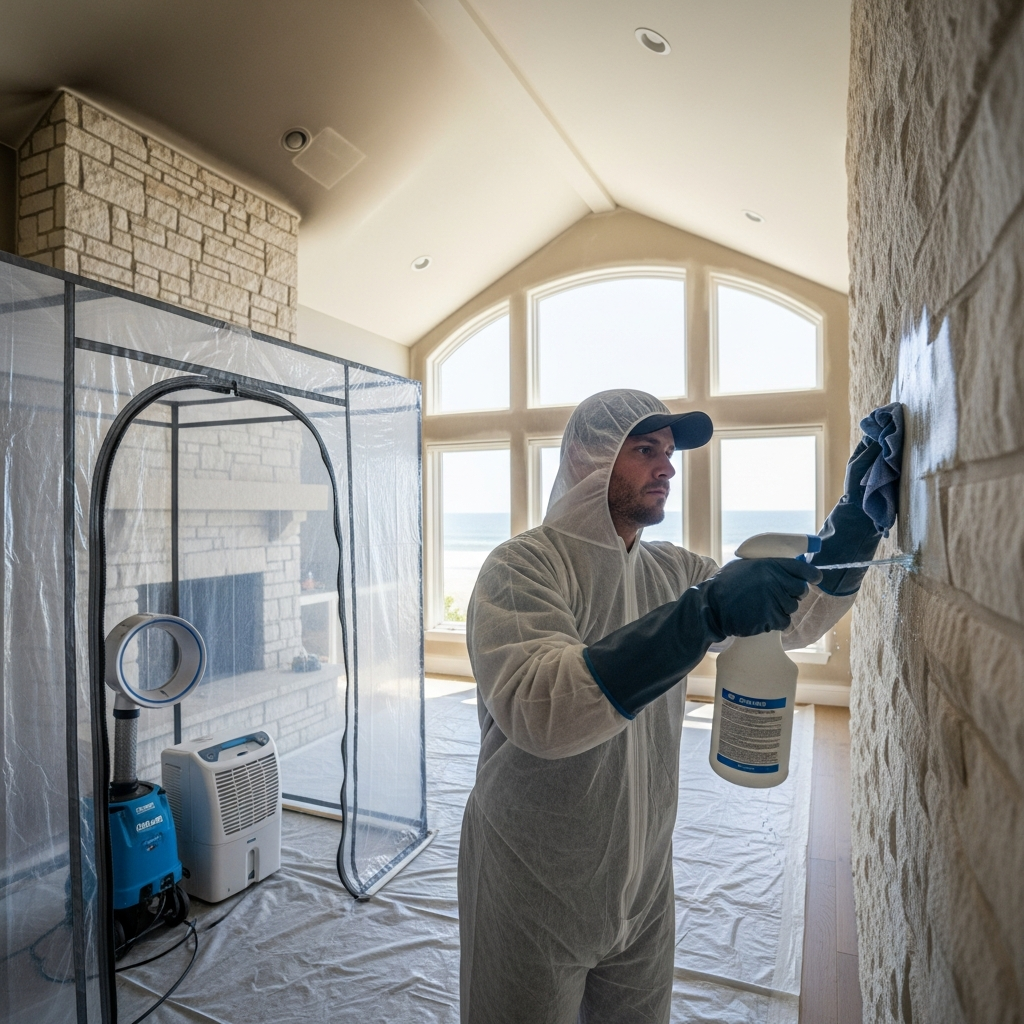
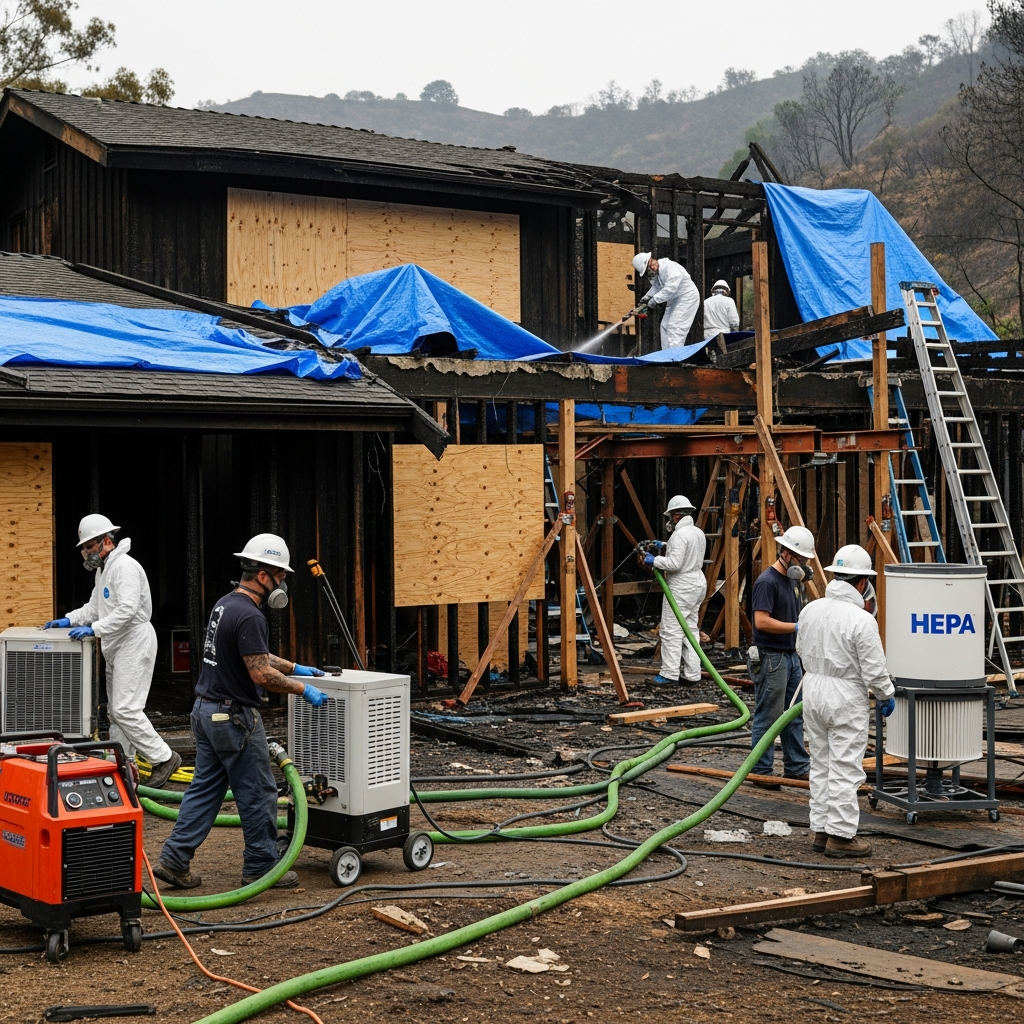
Safety and stabilization come first. Site access is confirmed, utilities are secured, and professional containment isolates affected spaces to prevent cross-contamination. Negative air machines capture particulates, while board-ups and roof tarps defend the envelope from weather. If firefighting introduced water, extraction and dehumidification begin immediately. These steps are technical in language but simple in purpose: protect what can be saved and build a clean foundation for recovery.
Documentation sets the tone. Clear photo logs, moisture readings, and inventories of equipment and stock help insurers understand the true condition of the property. For restaurants and hospitality venues, perishables and food-contact surfaces demand swift, compliant handling. Coordinating with health departments early avoids missteps later. In retail environments, displays and merchandising fixtures are evaluated for cleaning versus replacement, always with an eye on brand standards and customer experience.
Containment, Air Quality, and Neighbor Relations
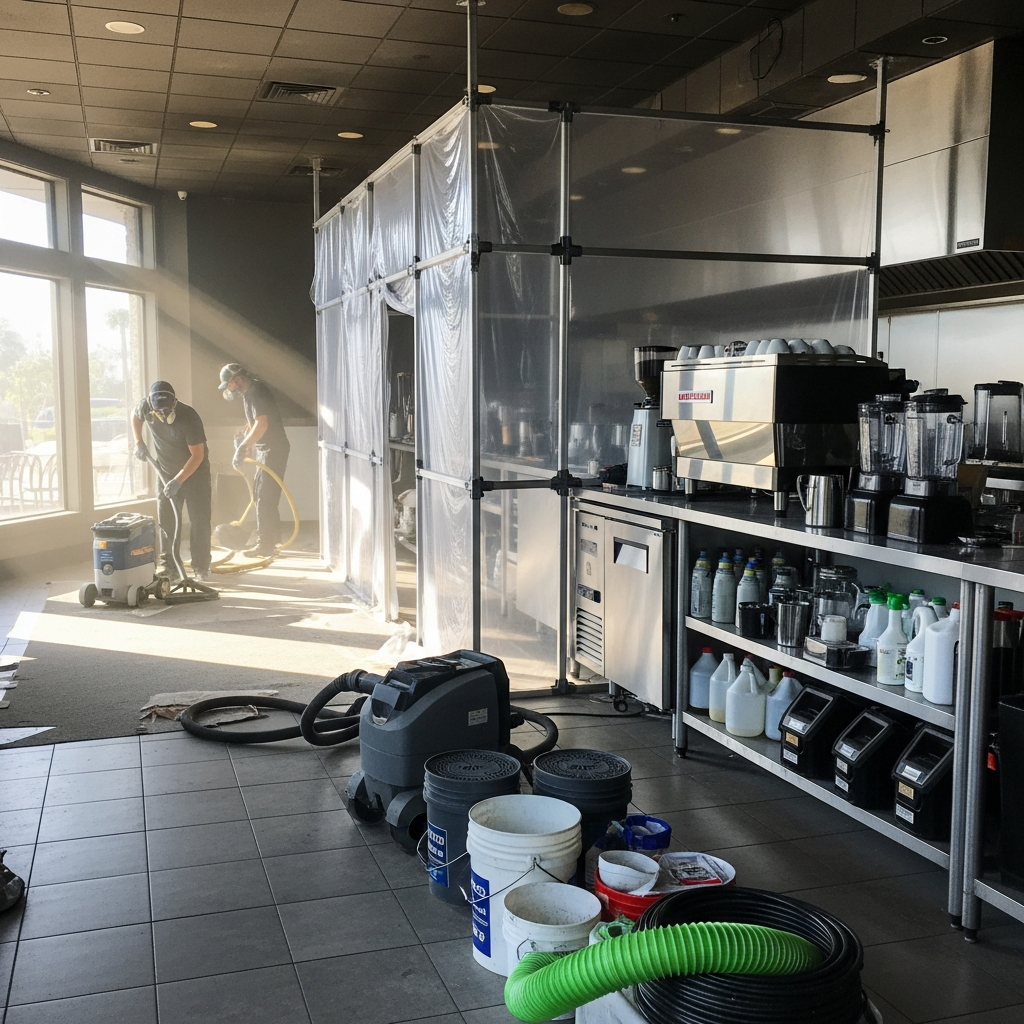
Many Malibu businesses operate in close proximity to one another. Shared walls and plenum spaces mean smoke can travel beyond the origin area. Robust containments with pressure management protect adjacent tenants and keep common areas clean. Tidy job sites and predictable schedules foster goodwill with neighbors and landlords. Communication—in lobby signage, staff briefings, and direct outreach—builds trust and sets realistic expectations for timelines.
Air quality is a critical thread through every decision. HVAC systems must be assessed, cleaned, and verified before finish work proceeds. Odor control relies on both residue removal and targeted deodorization matched to the specific contaminants present. Staff health is paramount, and reopening should be paced to ensure a truly neutral interior environment.
Protecting Equipment, Inventory, and Guest Spaces
In commercial kitchens, residues can cling to hoods, ductwork, and equipment, necessitating thorough cleaning and verification. In guest rooms, textiles and soft goods require careful evaluation; some can be cleaned on site, while others benefit from off-site treatment. Electronics—from POS systems to audio-visual gear—should be stabilized quickly to reduce corrosion risks. Detailed inventories help ensure that everything returns to its rightful place and that procurement needs are identified early.
Art, décor, and brand elements need special care. Malibu businesses often feature local artwork and custom millwork that anchor a property’s look and feel. Restoration professionals coordinate with conservators and finish specialists to protect these signatures while the larger project advances. The aim is to reopen with spaces that feel familiar and welcoming, not hurried or compromised.
Scheduling Around Operations
Every hour matters in commercial settings. Phasing work to reopen portions of a space can restore revenue sooner while keeping safety and quality non-negotiable. Night work or early-morning shifts may reduce customer impact in retail corridors. For hospitality venues, stacking tasks between check-out and check-in windows or temporarily consolidating floors can maintain service continuity. The right contractor is comfortable building a schedule that respects your business rhythms and the community’s expectations.
Compliance intersects with scheduling. Fire department approvals, health inspections, and building permits each come with their own cadence. Malibu’s coastal and hillside regulations add context, especially for exterior elements. Teams who know the local language of compliance move more smoothly through these gates, keeping momentum without sacrificing detail.
From Cleaning to Rebuild: Craft With Consistency
Once interiors are clean, dry, and odor-free, the rebuild phase brings back polish. Matching finishes in public spaces—lobby stone, bar tops, boutique dressing rooms—requires artisans who understand foot traffic, lighting, and durability. Behind the scenes, back-of-house areas are repaired with the same care, ensuring safety and functionality for staff. Success is measured not only in how a space looks at reopening, but in how it holds up during the first busy weekend afterward.
In tenant spaces with brand standards, contractors coordinate with corporate design guides while honoring local character. Malibu guests and customers have sharp eyes; they notice when something feels off. The teams that excel here are those who welcome collaboration and care about the intangible qualities that make a space feel right.
Communication With Stakeholders
Restoration is a team sport. Owners, managers, landlords, adjusters, inspectors, staff, and neighbors each have a role. A predictable cadence of updates reduces anxiety and avoids conflicting messages. Visual progress boards, simple milestone summaries, and clear documentation of decisions make it easy for everyone to track where things stand. In moments of uncertainty, that clarity is the difference between spinning wheels and making steady progress.
Mid-Project Reviews and Quality Checks
Halfway through recovery, it pays to pause for a formal review. Are odors neutral across varying humidity? Are HVAC readings clean? Are inventories for contents and equipment on track? Are materials for rebuild staged and verified? This is also a good time to revisit guidance grounded in Malibu fire damage restoration practices to be sure nothing critical has been overlooked. Aligning expectations at the midpoint reduces punch-list bloat at the end.
Resilience for the Next Season
Rebuilding offers a chance to increase resilience. Improved filtration, better compartmentalization of back-of-house spaces, and updated cleaning protocols can make a property more nimble in future events. Staff training on early response—closing registers, protecting displays, and securing sensitive equipment—pays dividends. The businesses that emerge strongest use recovery as an opportunity to refine operations and strengthen team confidence.
FAQ: Guidance for Malibu Businesses
How soon can a partial reopening occur? It depends on containment and air quality. Some businesses reopen unaffected zones first while work continues elsewhere under strict controls.
How should we handle communication with customers? Be transparent and calm. Share that professional teams are restoring the space and that reopening will prioritize safety and quality. Customers appreciate honesty.
What about food-contact surfaces and inventory? Follow health department guidance and work with restoration pros experienced in commercial kitchens. Early coordination prevents rework later.
Can restoration work happen overnight? Often, yes. Phased scheduling and night shifts help minimize disruption, provided noise and neighbor concerns are respected.
Will odors return when humidity rises? Not if residues are removed and HVAC systems are cleaned properly. Verification before reopening protects staff and guest comfort.
How do we protect shared areas with neighboring tenants? Robust containments, pressure management, and tidy job sites keep common zones clean and relationships strong.
What is the marker of a successful commercial restoration? A safe, clean, and welcoming space that performs under real customer traffic without unexpected issues.
When you are ready to lead your team back to normal operations with confidence, partner with local fire damage restoration experts who understand Malibu’s business landscape, communicate clearly, and deliver craftsmanship you can stand behind on opening day and beyond.