Choosing the right team to bring a Malibu property back to life after a fire is as much about fit and communication as it is about tools and techniques. In our coastal community, where architecture ranges from cliffside moderns to ranch homes tucked into canyons, experience with local conditions makes a measurable difference. The first conversations should leave you feeling calmer, better informed, and confident that your home’s character will be respected. Early on, it helps to ground yourself in the fundamentals of fire damage restoration so you can evaluate proposals and processes with clarity.
Malibu brings a unique mix of variables to every restoration. Marine air affects metal and electronics. Afternoon winds can carry fine soot deep into attic voids and wall cavities. Many homes feature custom finishes—hand-troweled plaster, specialty woods, curated stone—that demand nuanced cleaning and selective demolition. Hiring a contractor who understands these subtleties is not a luxury; it is the difference between a project that feels like surgery and one that feels like blunt-force work. You want the surgeon.
What to Look For in a Malibu Restoration Partner
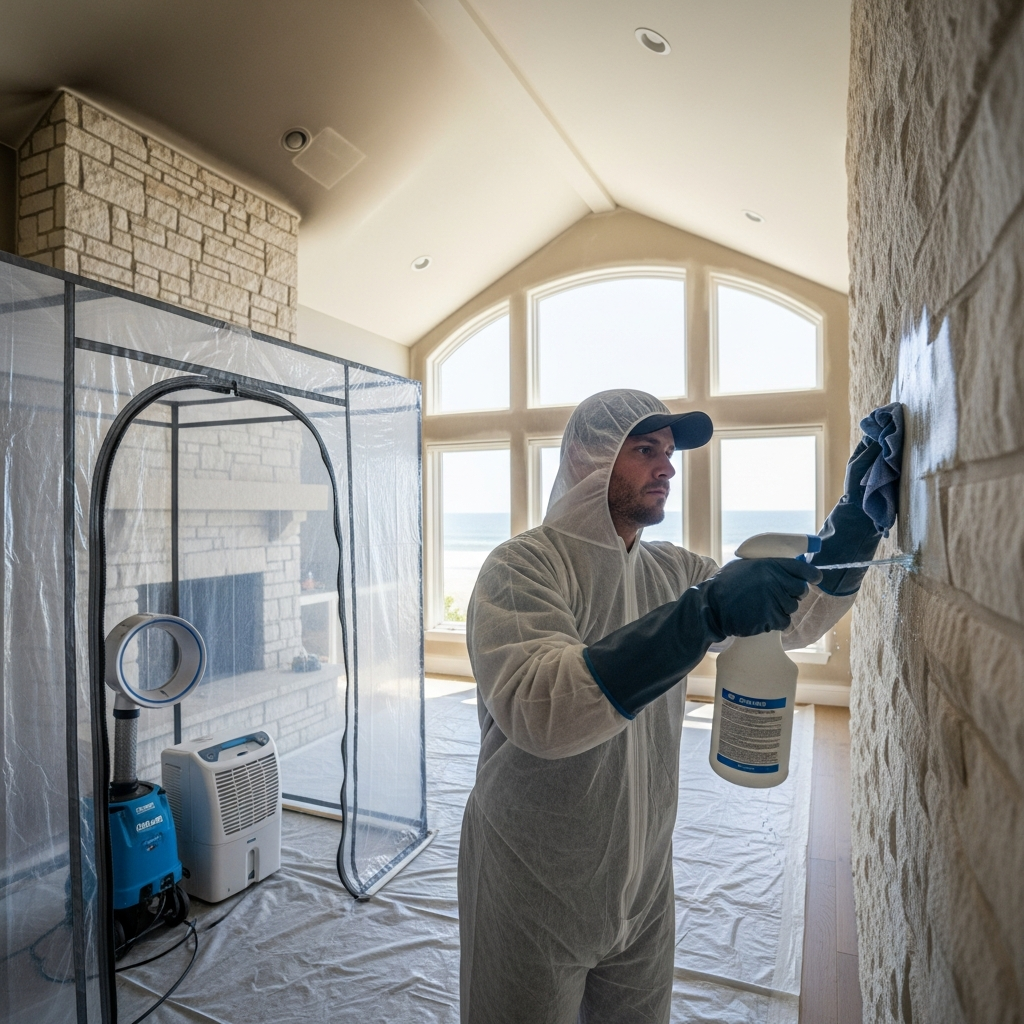
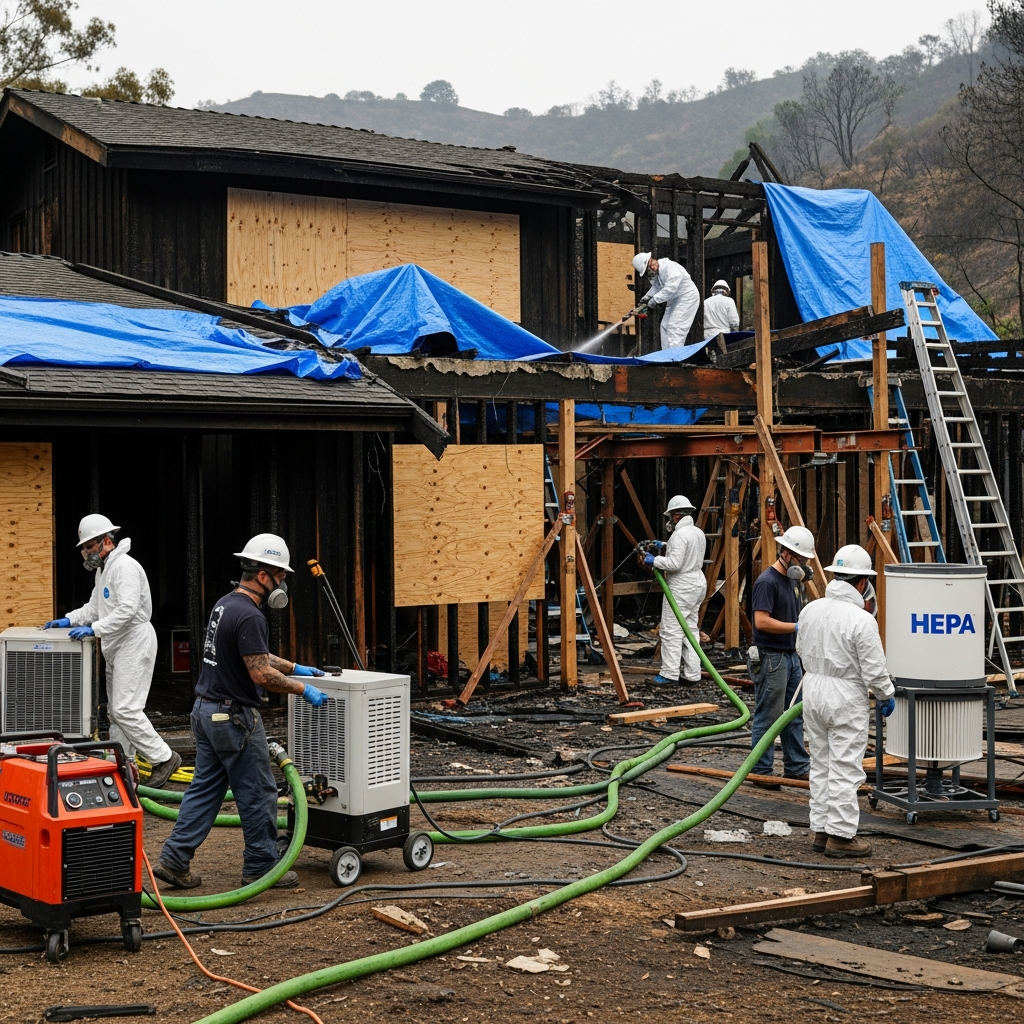
Begin with local fluency. Has the company worked in the Malibu coastal zone and hillside neighborhoods, and do they understand the permitting culture and expectations of local inspectors? Familiarity shortens timelines and reduces friction. Ask how they sequence the first seventy-two hours—those early days determine whether residues spread or are contained, whether moisture is managed, and whether valuables are protected in place or packed for off-site care. Calm answers that reference containment, HEPA filtration, and stabilization indicate the right mindset.
Documentation skill is equally important. Adjusters respond best to organized, consistent reports. A good contractor explains how they photograph every space, measure moisture, catalog contents, and track progress in a way that aligns with carrier expectations. That alignment eases approvals and keeps work moving. It also gives you the confidence to step away for a few hours without worrying that details are being missed.
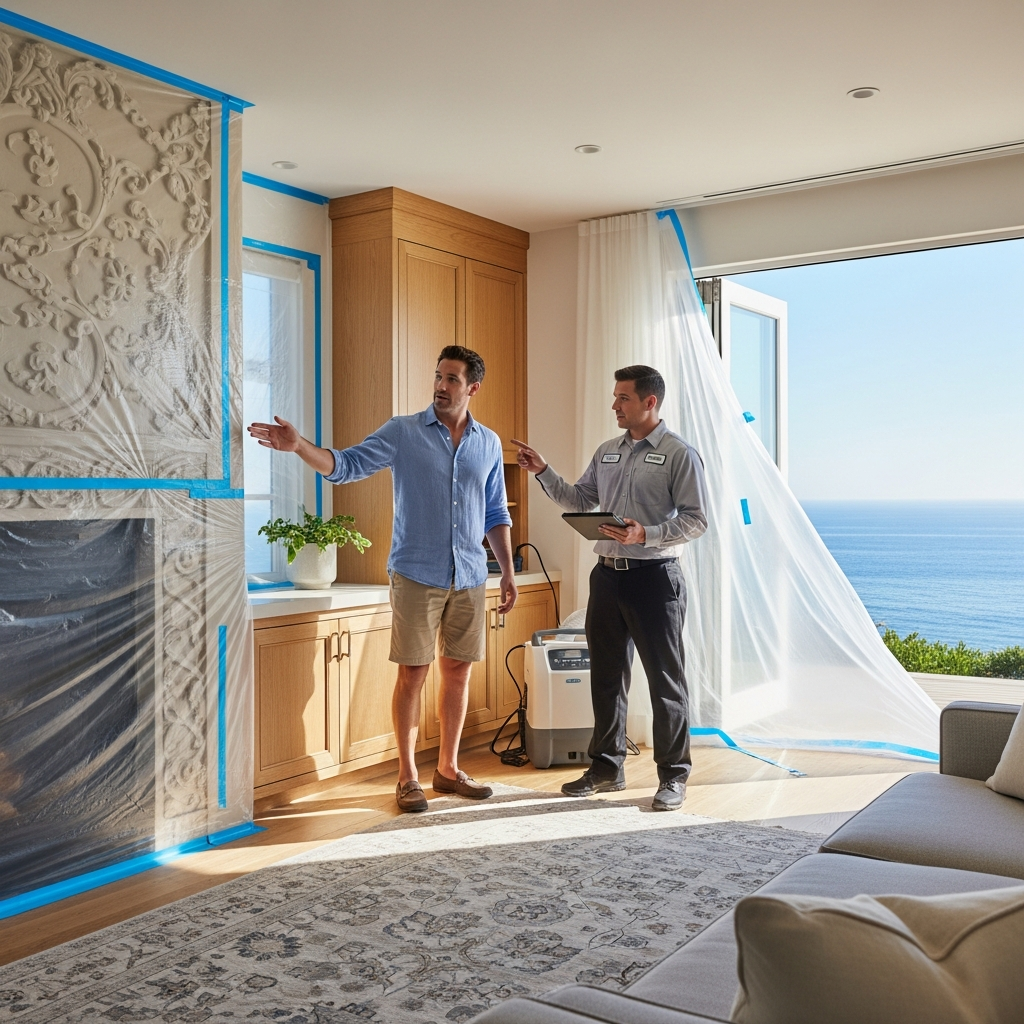
Communication style matters. The process is personal, and you deserve to feel heard. The best teams blend technical expertise with empathy. They will explain when selective demolition is required to access hidden cavities, and they will show you how they protect undamaged zones from cross-contamination. They can talk as easily with your designer about color matching as they can with your insurer about line items, all while speaking to you in plain, steady language. That is a skill set born of real-world experience.
Navigating Malibu’s Terrain and Microclimates
From Latigo to Broad Beach, access dictates pace. Contractors who plan staging and deliveries around school and commuter traffic show respect for neighbors and for your time. In canyons, tight switchbacks and limited parking require forethought and smaller crews with the right equipment. On the coast, morning marine layers might call for additional humidity control, and salt air requires special attention to corrosion. These realities are not obstacles; they are simply the canvas upon which good restoration is painted.
Inside the home, HVAC systems become a focus. Soot particles travel easily through return air pathways. A thoughtful approach includes sealing registers during cleaning, replacing filters with higher-grade alternatives as appropriate, and scheduling duct cleaning before new finishes go in. Odor control must be achieved, not covered, and that requires both removal of residues and targeted deodorization techniques chosen for the specific materials involved.
Interviewing and Selecting Your Contractor
When you speak with potential partners, ask them to walk you through a recent Malibu project. Listen for details that show hands-on understanding: how they approached a smoke-impacted ceiling over exposed beams, how they protected custom metalwork from corrosive residues, how they coordinated with a homeowner’s designer to preserve a one-of-a-kind finish. Ask how they structure updates, who your primary point of contact will be, and how they escalate decisions that affect schedules or finishes. Consistency here is a strong indicator of a good fit.
Insurance coordination should feel collaborative rather than adversarial. A skilled contractor keeps documentation clean and comprehensive so you do not have to play translator between technical jargon and real-world needs. They will invite you into the process, present options clearly, and recommend paths that align with your goals for the property. In Malibu, where homes often blend living, working, and entertaining spaces, aligning on priorities early ensures the finished result supports your day-to-day life.
Why Local Expertise Pays Off
The shoreline, the canyons, and the chaparral all influence how fires move and how smoke behaves. Contractors who have worked through multiple wildfire seasons develop instincts that are hard to teach. They notice where odor lingers even after initial cleaning, they know which finishes require a gentler hand, and they anticipate how afternoon winds can interact with open containments. They also understand how to communicate with neighbors to maintain goodwill during a challenging time. Those soft skills keep the project steady when conditions change.
Local teams also know Malibu’s permitting rhythms. Even when a project focuses on interior work, exterior repairs or temporary protections can trigger reviews. Clear submittals, realistic schedules, and respectful dialogue with inspectors make a difference. When everyone is pulling in the same direction, you feel it in the pace and in the quality of the result.
Setting Expectations for the First Weeks
Expect the early days to be about stabilization and clarity. Teams will secure the site, control particulates, and begin targeted cleaning. Contents are triaged—what can be cleaned where it sits, what should be packed out for off-site care, what needs specialized conservation. Demolition, when needed, is surgical, removing only what must go to expose hidden cavities and allow thorough deodorization and drying. The momentum that builds in this phase carries into reconstruction, where craftsmen match finishes, refine details, and bring rooms back to their original calm.
Throughout, your role is to communicate preferences, share any records of finishes or equipment, and rest. This is not the time to take on DIY cleaning or to run HVAC systems before they are inspected. Trust a team that sets a sensible cadence, explains why each step matters, and respects your daily routines.
Resources for Informed Decisions
As you evaluate proposals, it helps to anchor your choices in proven methods that reflect Malibu’s realities. Not every restoration plan is created equal; a coastal hillside home differs from an inland tract. Reviewing a clear primer on Malibu fire damage restoration practices can help you ask sharper questions and recognize when a contractor is thinking three steps ahead. Look for evidence of thoughtful sequencing, attention to health and safety, and sensitivity to high-value finishes.
From Cleanup to Craft
When the home is clean, dry, and odor-free, the work turns to craftsmanship. Matching the sheen on a plaster wall, aligning the grain on a custom cabinet door, and blending new flooring into old sun-kissed boards requires a steady hand and an eye for detail. In Malibu, where so many homes are personal expressions, honoring that character is central to success. The best contractors welcome collaboration with designers and owners, knowing that the right decisions at this stage are what make the home feel whole again.
FAQ: Questions Homeowners Often Ask
How fast should a contractor respond after a fire? As soon as it is safe, rapid stabilization prevents secondary issues, protects belongings, and sets the stage for efficient progress.
What signals that a contractor understands Malibu? References to local permitting, awareness of marine air and canyon winds, and examples of protecting specialty finishes all point to real familiarity.
Can I remain in part of the home during work? Sometimes, if containment is robust and air is properly filtered. Your health and comfort guide that decision, and experienced teams will present options.
How are odors truly removed? By eliminating residues, cleaning HVAC pathways, and applying targeted deodorization tailored to the materials involved—never by masking with fragrance.
What happens to my belongings? Items are assessed, cleaned on site when appropriate, or packed for off-site care. Detailed inventories help ensure everything returns to its place.
How often will I get updates? Weekly or milestone-based updates are common, with additional communication during key decisions. Predictable communication reduces stress.
What should I avoid doing myself? Avoid running HVAC before inspection, avoid aggressive cleaning that can set soot, and avoid moving items without photographing their original positions.
When you are ready to speak with a calm, capable team that knows Malibu and treats your home with the care it deserves, reach out for a conversation. From first assessment to final walk-through, trusted local fire damage restoration experts can provide clear guidance, craftsmanship, and steady communication every step of the way.