Every Malibu neighborhood has a story about water. On the bluffs, it is the sudden squall that rattled Spanish tiles and sent rain sneaking under a valley flashing. In the canyons, it is runoff carving temporary streams that surge across driveways and into garages. Along the sand, it is a salty mist that creeps inland, accelerating corrosion and setting the stage for small leaks to become larger ones. After years of walking job sites and peeking behind baseboards, I can tell you the common water damage issues in Malibu homes share a theme: moisture prefers the path of least resistance, and the coastal climate gives it plenty of opportunities. Understanding these patterns—and how restoration responds to them—turns surprises into solvable problems, starting with a quick call for water damage restoration in Malibu when the first signs appear.
Wind-driven rain under roof and deck details
One of the most frequent culprits is rain finding its way under roof tiles or along deck membranes. Clay and concrete tiles do an excellent job shedding water, but when high winds lift edges or a tile shifts, water can track underlayment and migrate laterally. The stain you see on a living room ceiling may originate ten feet upslope where two planes meet. Decks over living spaces are another hotspot. Parapets, scuppers, and railing penetrations must work together flawlessly. A pinhole at a fastener or a small membrane blister can channel surprising amounts of water during a heavy burst. Restoration starts by tracing that pathway with moisture meters and thermal imaging, drying affected cavities, and recommending targeted repairs—often a small fix with outsized impact if executed thoughtfully.
Crawl space moisture and hillside drainage
Homes terraced into Malibu’s hills enjoy epic views, but they also encounter complex drainage. During storms, water will follow grade toward foundations and crawl spaces. If vapor barriers have gaps or vents are poorly placed, moist air lingers, condensing on cooler framing and subfloors. Over time, this can lead to musty odors, warped flooring above, and rust on metal components. Restoration in crawl spaces is about more than pumping out water. It is verifying vapor control, improving ventilation strategies, sealing minor penetrations, and drying wood to safe moisture content. Many times, we also collaborate on exterior drainage improvements—small grading tweaks, downspout extensions, or channel drains—so the next storm’s water never reaches those vulnerable areas.
Slow plumbing leaks hidden in finishes
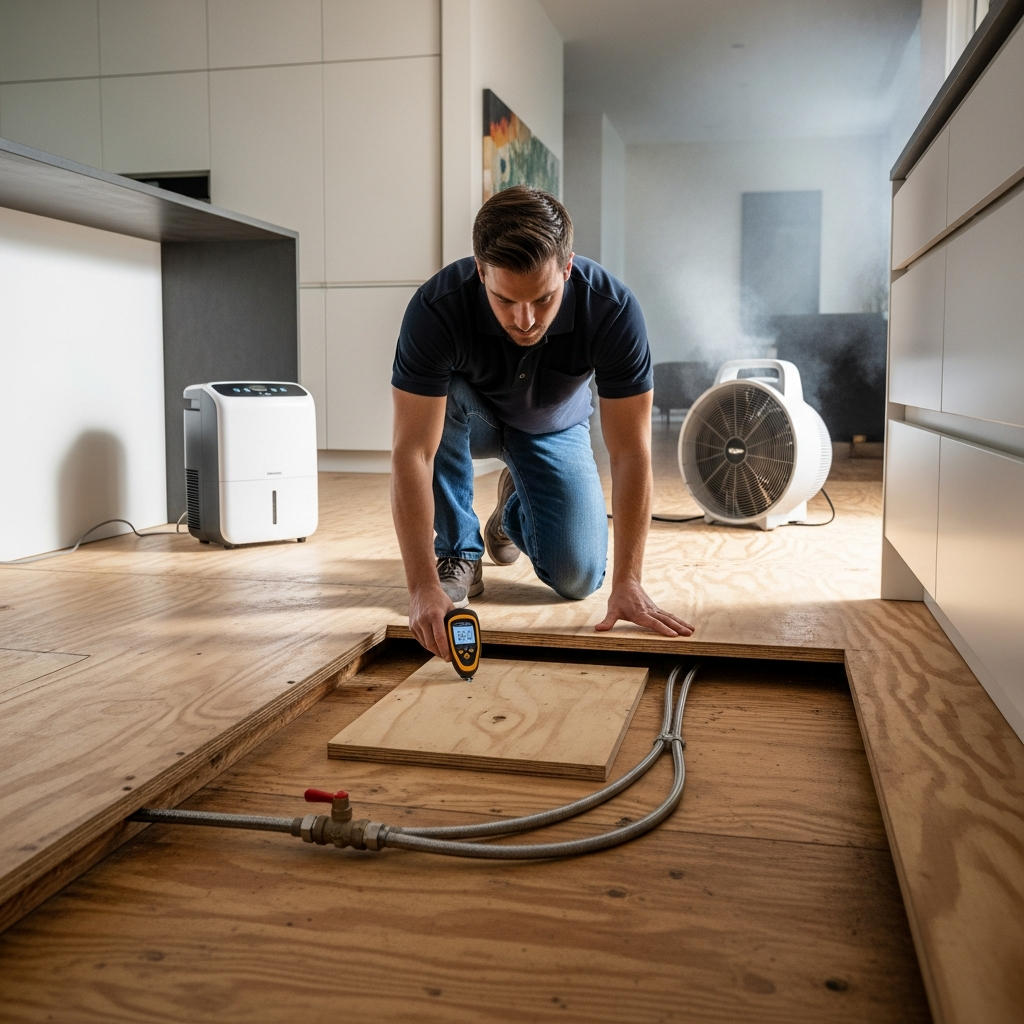
Another common issue is the slow, quiet leak. Malibu’s salt air can accelerate corrosion at valves and connections. A tiny weep behind a fridge, at a toilet supply, or inside a vanity might not show for weeks. You catch a clue: baseboard swelling, a bit of discoloration, or a soft spot in a wood floor. By the time it is obvious, moisture may have wicked into drywall, toe-kicks, and underlayment. Restoration focuses on extraction and controlled drying to prevent further swelling and delamination. When removal is necessary, selective demolition protects surrounding finishes. The key lesson is speed—stopping the leak and starting drying as soon as you notice any sign. Waiting invites microbial growth and increases the scope of repairs.
Window and door threshold intrusions
Oceanfront properties face relentless wind-driven moisture. Sliding doors and large window walls capture views but also concentrate water at sills and thresholds. If a sill pan or flashing is compromised, water can bypass seals and collect in subassemblies. You may see a faint line on drywall below a window head, or feel slight drag as a door swells on a damp week. Restoration here means mapping the intrusion, drying cavities without over-drying sensitive finishes, and recommending detail corrections—sometimes a subtle re-flash or sealant revision that disappears once done, leaving only performance behind.
Flooring challenges: cupping, crowning, and hollow spots
Wide-plank wood floors are a Malibu favorite. Unfortunately, they are also good storytellers when moisture enters. Boards can cup along edges or crown in the center if drying is uneven. Adhesive-set floors might develop hollow-sounding spots where bond weakened. Restoration mitigates these outcomes by stabilizing humidity, drying from both above and below when possible, and taking patient, measured steps rather than blasting heat or air indiscriminately. In many cases, careful drying followed by sanding and refinishing restores the floor’s beauty without wholesale replacement.
Kitchen and laundry overflows
Few events move faster than a failed supply line in a kitchen or laundry. Water runs under appliances, into toe-kicks, and across transitions before anyone notices. Because these rooms often sit on slabs or over crawl spaces, water can travel in directions you do not expect. The restoration response is immediate extraction, strategic containment to protect adjacent rooms, and equipment placement to dry cabinetry and subfloors. Toe-kick removal, directed airflow, and dehumidification can save custom millwork that might otherwise be lost. The sooner these steps start, the better the outcome.
Garage and lower level intrusions
Malibu garages often pull double duty as gyms, studios, or storage for boards and bikes. When a driveway slopes toward a garage, stormwater may creep under the door or along side walls. Even a shallow sheet of water can wick into drywall or base plates. Restoration includes extraction, drying, and often a conversation about small upgrades: a discrete threshold change, a better door seal, or a channel drain that keeps future storms outside where they belong. The goal is simple—get back to normal quickly and make “next time” easier to manage.
In the middle of any project, clarity is everything. Homeowners feel more at ease when they see moisture readings dropping and understand where the water actually traveled. That is when it helps to work with seasoned pros in professional water damage restoration who can explain each step in plain language, adjust the plan to preserve finishes, and verify dryness before any rebuilding begins.
Indoor air quality and hidden cavities
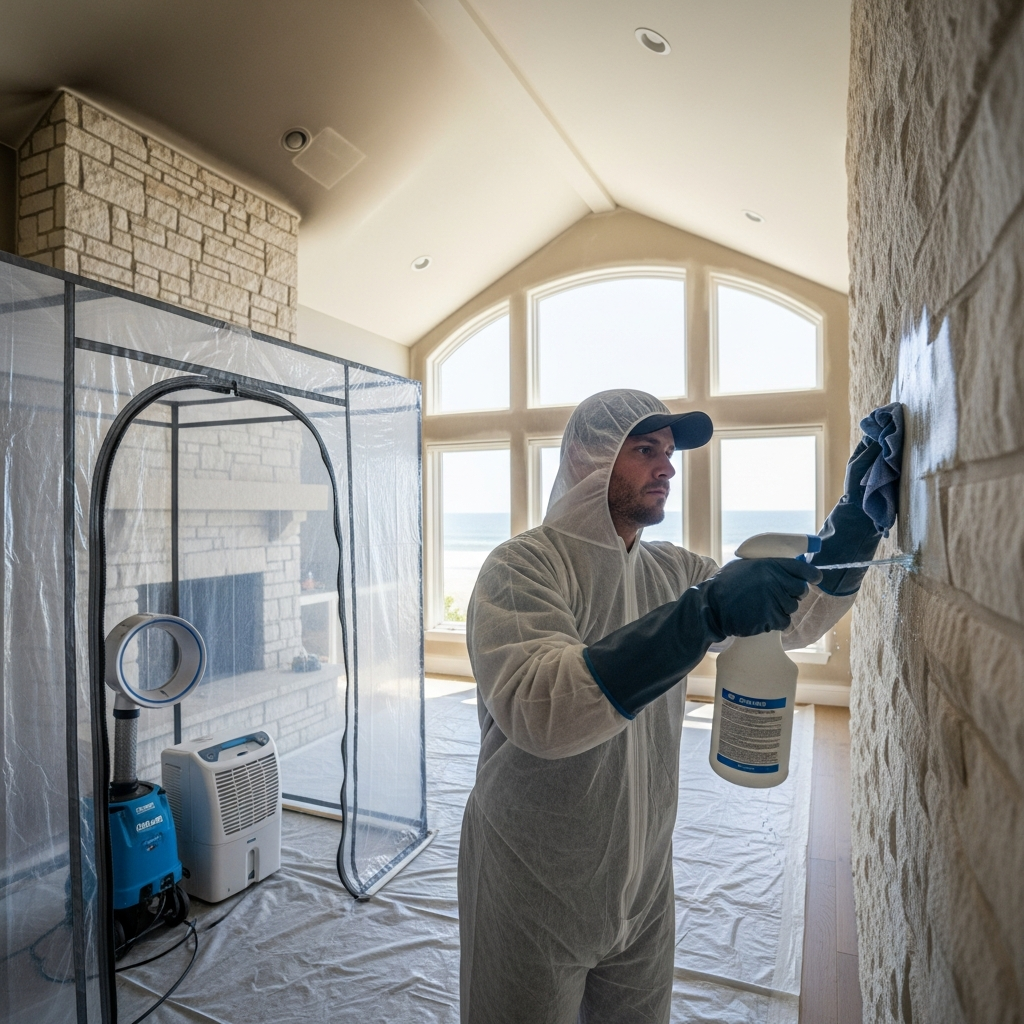
Because Malibu’s humidity fluctuates, hidden cavities can stay damp longer than you think. Behind tile backer boards, inside insulated exterior walls, or under built-ins, elevated moisture invites musty odors and, if ignored, microbial growth. Restoration approaches these areas with care: non-invasive meters first, small inspection cuts where warranted, and clear thresholds for what gets dried in place versus removed. The aim is always to protect health, salvage what is sound, and move efficiently toward a verified dry state.
Working with the environment, not against it
Restoration succeeds in Malibu when it respects the setting. That means pacing drying with the weather, using dehumidification to keep indoor targets consistent even as outdoor humidity swings, and employing negative or positive pressure to nudge air the right direction through complex assemblies. It also means simple courtesies that matter in our beach towns: protecting floors from sand during equipment moves, keeping pathways clear, and scheduling with an eye toward community rhythms.
FAQ: Common Malibu water damage issues
Q: Why does my ceiling stain appear far from the actual leak? A: Water follows paths along framing and underlayment. Wind-driven rain can enter upslope and travel laterally before showing below, especially under tile roofs and decks.
Q: Can I save my wood floors after a kitchen leak? A: Often, yes. Prompt extraction, balanced humidity, and careful drying can minimize cupping. Many floors can be refinished rather than replaced if action starts quickly.
Q: How do I know if my crawl space has a moisture problem? A: Signs include musty odors, rusty metal hangers, and seasonal floor movement above. A professional assessment with moisture readings confirms conditions and guides solutions.
Q: Do I need to remove drywall for every leak? A: Not always. Non-invasive tools and targeted openings let pros dry cavities in place when structurally sound. Selective removal happens only where materials cannot be properly dried.
Q: What makes Malibu different from inland areas? A: Marine layer humidity, salt air corrosion, and complex topography create unique paths and persistence for moisture intrusion. Restoration here tailors methods to those realities.
When common issues turn up uncommon stress, lean on local expertise. Reach out for trusted water damage restoration so your Malibu home stays dry, comfortable, and ready for the next breeze off the Pacific.