Trusted Help When Malibu and Calabasas Need It Most
Anyone who has lived along the ocean bluffs of Malibu or among the rolling hills of Calabasas knows that our seasons are defined as much by wind and weather as they are by the calendar. When the offshore gusts build and the canyons breathe hot and fast, a single spark can change a family’s world. In those first quiet hours after the flames are out, what comes next can feel overwhelming: the smell of smoke embedded into everything, the moisture from fire hoses seeping into floors, and the ash that settles in places you would never expect. That is where a calm, local, and trusted team matters, and why neighbors here talk about working with people who understand both the heartache and the logistics of recovery, from the coast to the foothills. Early actions shape the entire path forward, and that is why experienced fire damage restoration is as much about timing as it is about technique.
Trust here is not a slogan; it is something earned by showing up in the middle of the night on Point Dume, by coordinating with a Calabasas property manager before sunup, or by navigating access checkpoints off PCH when the roads are still choked with utility trucks. It is knowing how the morning marine layer can slow drying efforts in Carbon Beach, or how the afternoon winds accelerate odor migration through a canyon home near Mulholland. The restoration process should feel like someone turning on lights along a darkened path, one step at a time, from assessment to completion, with careful documentation that serves you well with adjusters and inspectors alike.
The First Hours: What Local Experience Looks Like
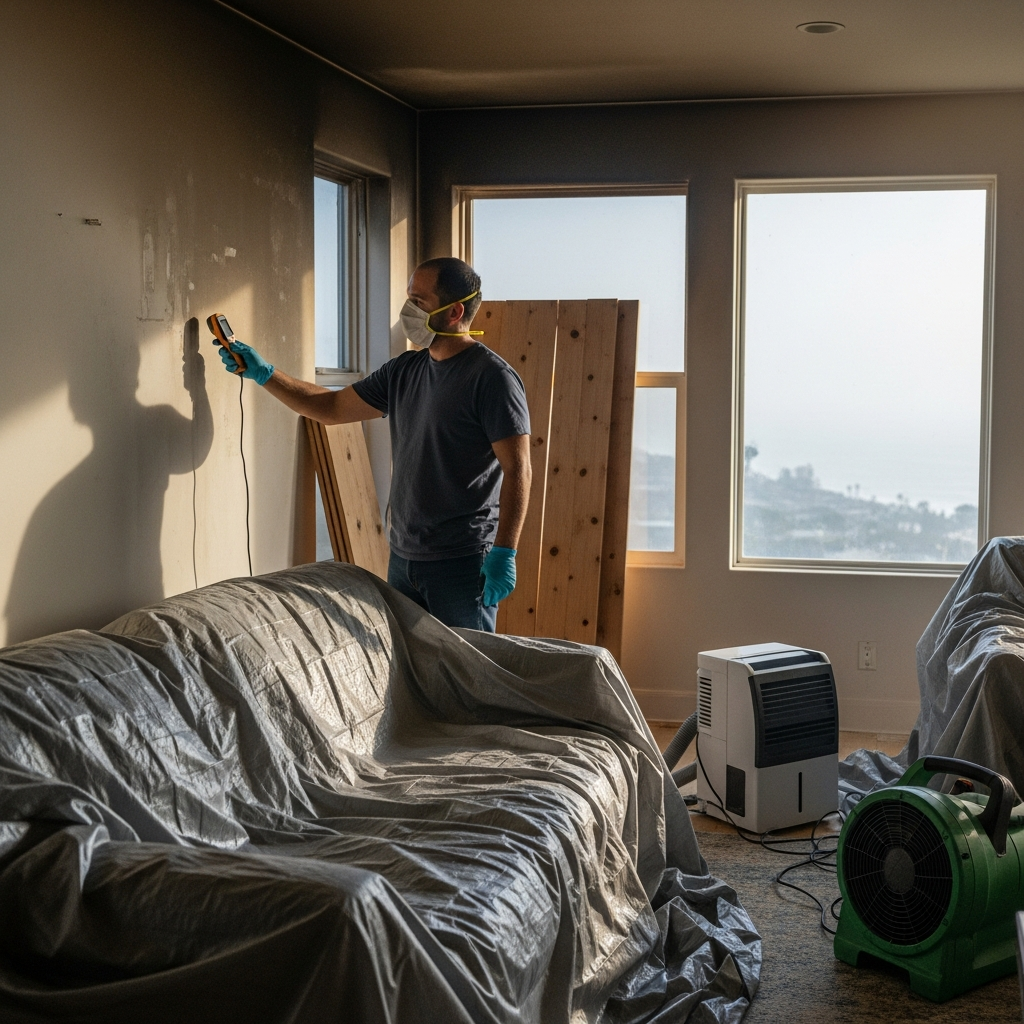
When we talk about being trusted, we mean that we have learned this landscape the hard and honest way, by working through real events that have touched nearly everyone in this region. In those first hours after a fire, a methodical walkthrough matters. We look for structural compromise that may not be obvious amid the soot, chart where water traveled during suppression, and test the air for particulates that can trigger headaches, irritated eyes, or persistent odors. Malibu’s ocean air is beautiful but can slow evaporation, while Calabasas’s inland heat can speed it up; both factors require fine-tuning dehumidification and air movement to prevent secondary damage like warping or microbial growth.
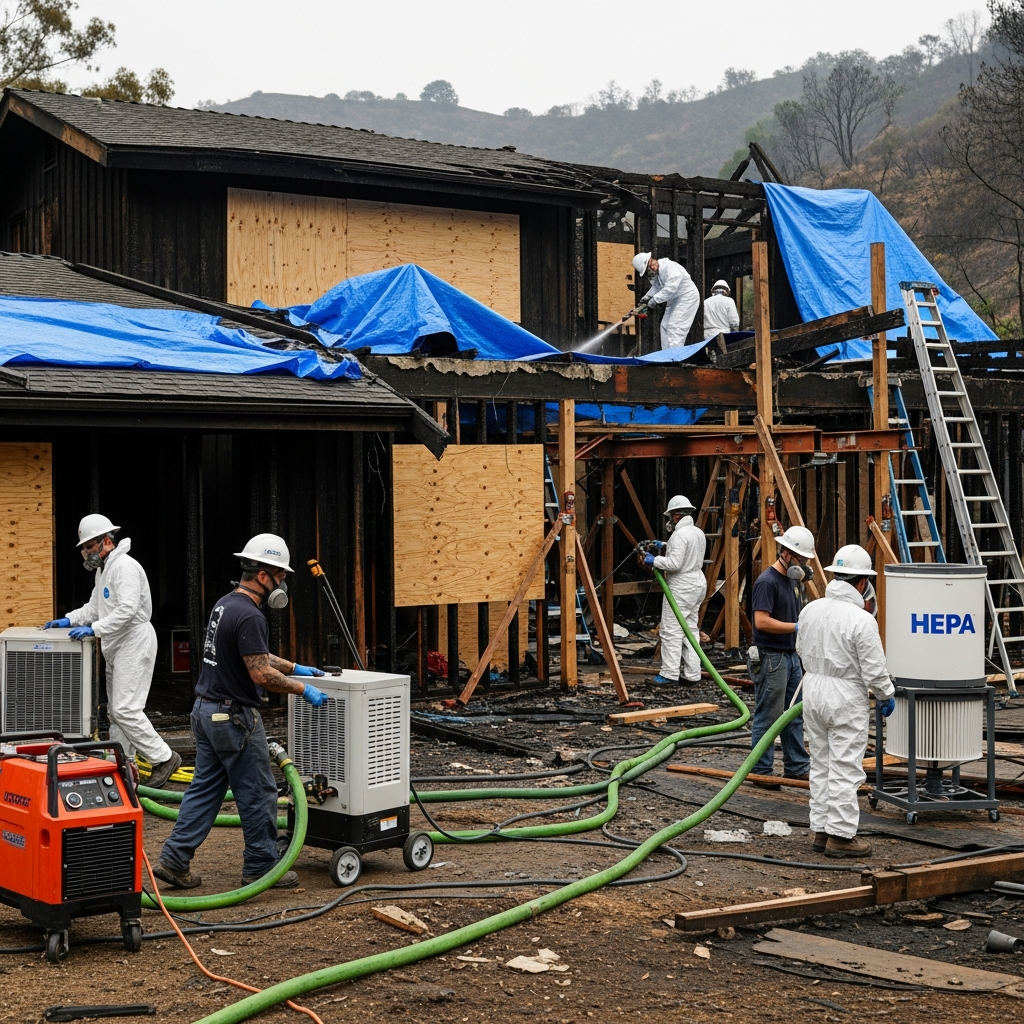
Board-ups and temporary fencing protect what remains, but so does respect for the site. There is a difference between removing a damaged door and preserving a curved, hand-finished rail that holds meaning for the family. When the power is out, we bring safe temporary power for equipment, and we manage traffic flow in and out of the property so that sensitive areas are contained. Soot contains acids that start etching metals and clouding glass quickly; neutralizing those residues on fixtures, appliances, and windows early often saves what might otherwise be lost.
Understanding Fire, Smoke, and Residues
Not all fires behave the same, and that difference shows up in the cleanup. A protein fire from a kitchen incident leaves an invisible, greasy film that clings to painted surfaces and cabinets, while a wildfire-driven blaze often deposits dry, powdery ash in one room and sticky, oily soot in another. In Malibu’s coastal homes, open skylights and clerestory windows can funnel smoke deep into attics and wall cavities. In Calabasas, large volume spaces, vaulted ceilings, and great rooms create recirculating currents that keep fine particles airborne for days if not managed with targeted filtration. We map the chemical nature of residues because that informs the solvents, detergents, or dry-cleaning methods we choose, and it determines whether a delicate surface needs gentle agitation or something stronger.
Odor is the memory of a fire that lingers longest. But odors are chemistry, not mystery. We address them through source removal first, then through controlled ventilation, HEPA filtration, and, when appropriate, thermal fogging or hydroxyl treatment that pairs with smoke molecules to neutralize them. When you address charred materials, hidden ash, and HVAC contamination systematically, odor control holds, even when the humidity spikes or the house heats up in the afternoon sun.
Protecting What Matters: Contents, Heirlooms, and Everyday Life
Inside the home, there are things that are treasured, and things that are simply the rhythms of daily life. Both deserve care. We photograph rooms, label boxes, and create a simple, searchable inventory so you know where your essentials are during the weeks of work that follow. For textiles like wool rugs or cashmere sweaters, we test for colorfastness and soot type before cleaning; certain residues smear and embed if treated with the wrong approach. Electronics are assessed for heat exposure and soot intrusion, and where salvageable, they are carefully vacuumed with ESD-safe tools and dried before any power is considered. In Malibu’s salt air, corrosion risk is high; in Calabasas, fine dust from nearby canyons can infiltrate vents and cases. The plan adapts to both realities.
Art and sentimental items carry a different kind of weight. We consult with specialty conservators when needed, especially for oil paintings, mixed-media pieces, and wooden sculptures that can absorb smoke. When something cannot be saved, we document thoroughly, with photos, condition notes, and a clear narrative of the attempts made. That paper trail is not bureaucracy; it is your record when you are making decisions with your insurer or simply explaining to yourself why a difficult choice had to be made.
Coordinating With Insurers and Local Officials
The paperwork side of recovery can be just as daunting as the cleanup. A trusted local team keeps a timeline, daily moisture logs, and a map of the areas touched by fire, smoke, and water. We speak the same language as adjusters, but we also speak the language of neighbors and city staff. Malibu City Hall has its rhythm, and so does the permitting desk in Calabasas. Being realistic about inspection schedules and understanding how red-tag or yellow-tag designations affect the timeline helps keep expectations aligned. When debris removal intersects with environmental requirements, or when you need a clearance letter after abatement, experience saves time and reduces surprises.
We also know that not every situation fits into a neat policy clause. Maybe your guesthouse is used as an office, maybe you rented the lower level last spring. These details matter, and a seasoned team anticipates the questions and documents accordingly. It is not about arguing; it is about providing clear, professional evidence so that decisions are fair and fast.
The Middle Miles: Staying the Course
Restoration is often described as a sprint at the beginning and then a steady marathon through the middle. After the immediate hazards are contained and the plan is in motion, progress can feel slower, but this is where discipline pays off. Structural drying continues with steady adjustments to airflow and temperature. Crews move systematically from ceilings to walls to floors, capturing fine soot that only appears when sunlight rakes across a surface in late afternoon. HVAC systems are cleaned, sealed, and tested so that when you turn them back on, you are not reintroducing contaminants.
Some days are about small victories, like getting a favored reading chair back to its original color, or clearing the persistent odor in a hallway that seemed impossible last week. Other days are about major milestones: the last dehumidifier removed, a final wipe-down of cabinets, the moment when a room smells like a home again. Through it all, having local professionals who understand seasonal humidity swings, canyon drafts, and marine layers makes a difference. Those nuances inform when to schedule odor treatments or how to stagger finish work so that results last. Midway through, it can help to revisit the initial goals and confirm what success looks like, and it is also a good moment to confirm that specialized steps such as hardwood floor drying or subfloor sealing are complete before finishes go back in. When updates are paced and clear, a project stays focused. If you are considering adding upgrades during the rebuild, that is the time to coordinate with your general contractor so restoration and construction do not trip over each other, and it is also a wise moment to reaffirm any additional fire damage restoration tasks you want to fold in, like deeper attic cleaning or replacing smoke-stained insulation.
Coastal, Canyon, and Foothill Realities
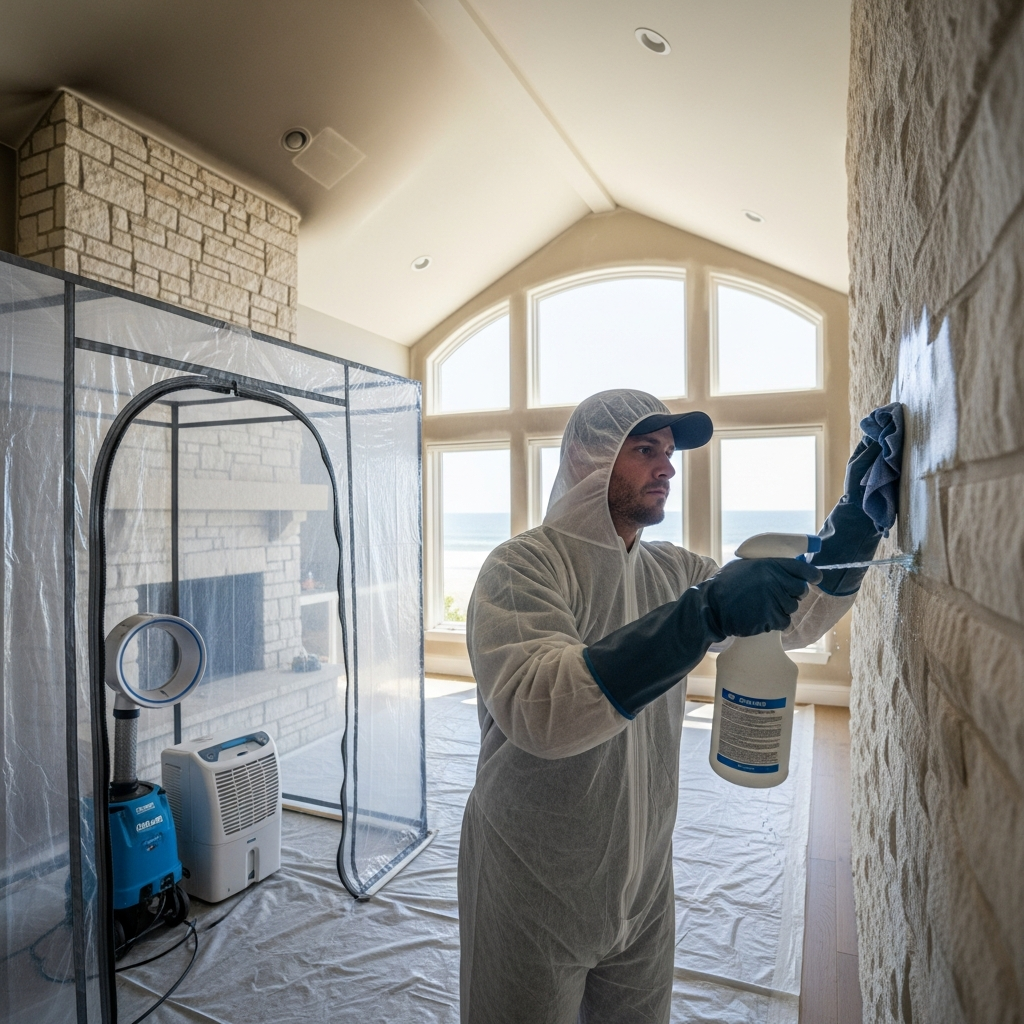
Living in Malibu and Calabasas means understanding microclimates. Along Broad Beach or La Costa, sea air increases ambient moisture, which changes how materials dry. In the canyons—Latigo, Corral, or Malibu Canyon—temperature swings can be dramatic, and night air can bring dew that interacts with ash on exterior surfaces, creating streaks or stains if not rinsed properly. Up in the Calabasas Highlands or near Old Topanga, shaded lots dry more slowly, while sunny slopes bake quickly. Our approach to cleaning stucco, stone, and decking reflects those rhythms: gentle exterior rinses early in the day, careful pH-balanced washes to prevent etching, and patient drying periods that respect the weather forecast rather than rush against it.
It is easy to underestimate how far smoke travels. We have opened drawers in a Serra Retreat home to find fine, gray dust inside folded shirts, and we have cleaned behind range hoods where oily soot trapped months of cooking residue. It is not your imagination if you keep finding a dark smudge in the same corner; airflow patterns make certain pockets gather more residue. That is why we return to inspect after the big cleanup, once the HVAC cycles a few times, to make sure nothing resettled.
Health, Safety, and Peace of Mind
Questions about safety are natural, especially for families with children, elders, or pets. Particulate matter is not something you want to guess about, which is why we use calibrated instruments to monitor air quality and moisture. Ozone has its place but also its limits; in occupied homes we often prefer hydroxyl treatments and source removal for a safer approach. We set containment barriers when needed, not to be dramatic, but to keep disturbed residues from migrating. Good restoration is quiet confidence: fewer surprises, more steady progress, and constant respect for your routines so that life can keep moving even while a home is healing.
Neighbors will tell you that the emotional weight of fire damage can feel heavier than the physical disruption. Part of our role is to translate the technical steps into plain language. When you know what is happening and why it matters, the stress eases. A simple update—what was accomplished today, what is next tomorrow—goes a long way. And if a plan needs to bend because an urgent family event is on the calendar, we pivot, because real life does not pause for projects.
After the Cleanup: Rebuilding and Resilience
Once soot is gone and odors are neutralized, you face choices about finishes and repairs. Malibu’s coastal codes and Calabasas’s hillside guidelines may influence materials and methods. Fire-resistive roofing, ember-resistant vents, and defensible space around the property are not abstract ideas after you have lived through a fire; they are steps toward resilience. We coordinate with builders to be sure underlying substrates are dry and sealed, so new paint will not blister and new floors will not cup. We also leave you with maintenance notes: when to change filters after move-back, how to ventilate in the first week, and what signs to watch for that would trigger a quick follow-up visit.
Community matters here. From school events in Calabasas to beach days in Malibu, our lives interweave across city lines. Recovery does too. When neighbors help neighbors—sharing contractor tips, lending a hand with storage, dropping off meals—the path back feels a little shorter. If you have questions months later, that door stays open. Trust lasts when the last invoice is long past and you can still get a straight answer about a stain that just showed up near a vent or a faint whiff on a hot day.
Why a Local, Trusted Team Makes a Difference
Large disasters bring in crews from everywhere, and there is a place for that surge capacity. But when the media trucks leave and the long work begins, it is the local teams who return calls, who understand the back roads when PCH is backed up, and who know that a foggy morning can undo yesterday’s drying gains. Familiarity with Malibu’s beach neighborhoods, canyon roads, and Calabasas’s gated communities means access plans that keep your project on track. It also means relationships—with inspectors, with haulers, with conservation specialists—that smooth the steps you never see but always feel.
Being trusted also means being honest about timelines and possibilities. Some materials are simply too charred, too heat-damaged, or too smoke-saturated to return to pre-loss condition. Saying that early allows you and your insurer to make timely replacement decisions. At the same time, many things surprise people in the other direction: a beloved dining table that cleans beautifully, a staircase that looks new again after careful correction of light etching, or a stone hearth that regains its warm, natural color.
Preparing for the Future While Healing From the Present
No one wants to think about the next Red Flag Warning while putting a home back together, but a wise restoration plan does both. Clearing ember traps in roof valleys, screening vents, sealing gaps around garage doors, and choosing smart landscaping can reduce future risk. Simple things like storing important documents in fire-resistant boxes and taking updated photo inventories make insurance conversations easier. We often walk a property with the homeowner after completion and mark a few easy wins. It is empowering to close a chapter knowing you have taken steps that matter.
Frequently Asked Questions
Q: How soon should restoration begin after a fire is out?
A: The sooner the better, once the site is safe and released by authorities. Soot is acidic and can etch finishes quickly, and water from suppression can fuel secondary damage. Early assessment, ventilation, and stabilization protect what can be saved and guide the rest of the plan.
Q: Will the smoke smell ever fully go away?
A: Yes, when source materials are removed and the remaining residues are cleaned properly, odors can be fully neutralized. We combine source removal with controlled ventilation, HEPA filtration, and targeted odor treatments to ensure results hold through humidity and heat swings.
Q: What can I do before crews arrive?
A: If and only if the property is safe, avoid touching soot-covered surfaces because oils from hands can set stains. Do not run the HVAC, as it can spread contamination. If weather allows, gentle ventilation can help, but leave deep cleaning to professionals so residues are managed correctly.
Q: Are my clothes and linens salvageable?
A: Many textiles can be restored with specialized processes. The type of smoke and the fabric content determine the method. Bag items separately if possible and label them; we will assess and sort for the most effective cleaning approach.
Q: How do you work with my insurance?
A: We document everything with photos, moisture readings, inventories, and daily notes. That record supports your claim and keeps decisions clear. We coordinate directly with your adjuster while keeping you in control of choices.
Q: Do I need to move out?
A: It depends on the extent of damage, safety, and your comfort. We can often set containment to keep parts of a home livable during cleaning and drying, but if conditions are extensive or utilities are compromised, a temporary relocation may be best. We discuss options openly so you can decide with full information.
Q: How long does the process take?
A: Timelines vary by scope, materials, and weather. The early stabilization phase is fast, while detailed cleaning and drying require patience to ensure lasting results. We provide a projected schedule and update it as conditions change.
Ready to Reclaim Your Home
If you are in Malibu or Calabasas and looking for a steady hand after a fire, reach out to a local team that understands our coastline, our canyons, and our community. We are here to answer questions, create a clear plan, and walk beside you from the first assessment to the final walkthrough. When you are ready to begin, schedule trusted fire damage restoration support today, and take the next confident step toward home again.