Fires do not keep business hours, and neither do Malibu’s winds. Nightfall often brings shifting air patterns, canyon gusts, and a sense that the day’s events might not be finished. In those tense hours, the right help matters. Twenty-four-seven response is more than a phone number; it is a practiced readiness to move safely and decisively when a call comes at 2 a.m. or during a red flag afternoon. From the first truck to the final handoff to repairs, a round-the-clock team trained in fire damage restoration adapts to Malibu’s terrain, coordinates with authorities, and stabilizes your home so you can regain control quickly.
After years of guiding families through smoke events and structure fires, I have seen that rapid response is built on preparation long before the sirens fade. Gear must be staged for hillsides and tight turns, tarps pre-cut for common rooflines, and air scrubbers and drying equipment loaded so they can be deployed in the first pass. Even small details—extra batteries for headlamps, spare gloves for homeowners who want to retrieve essentials, signage to manage a shared driveway—make the difference between a rough night and a contained situation.
Arrival: Safety First, Clarity Always
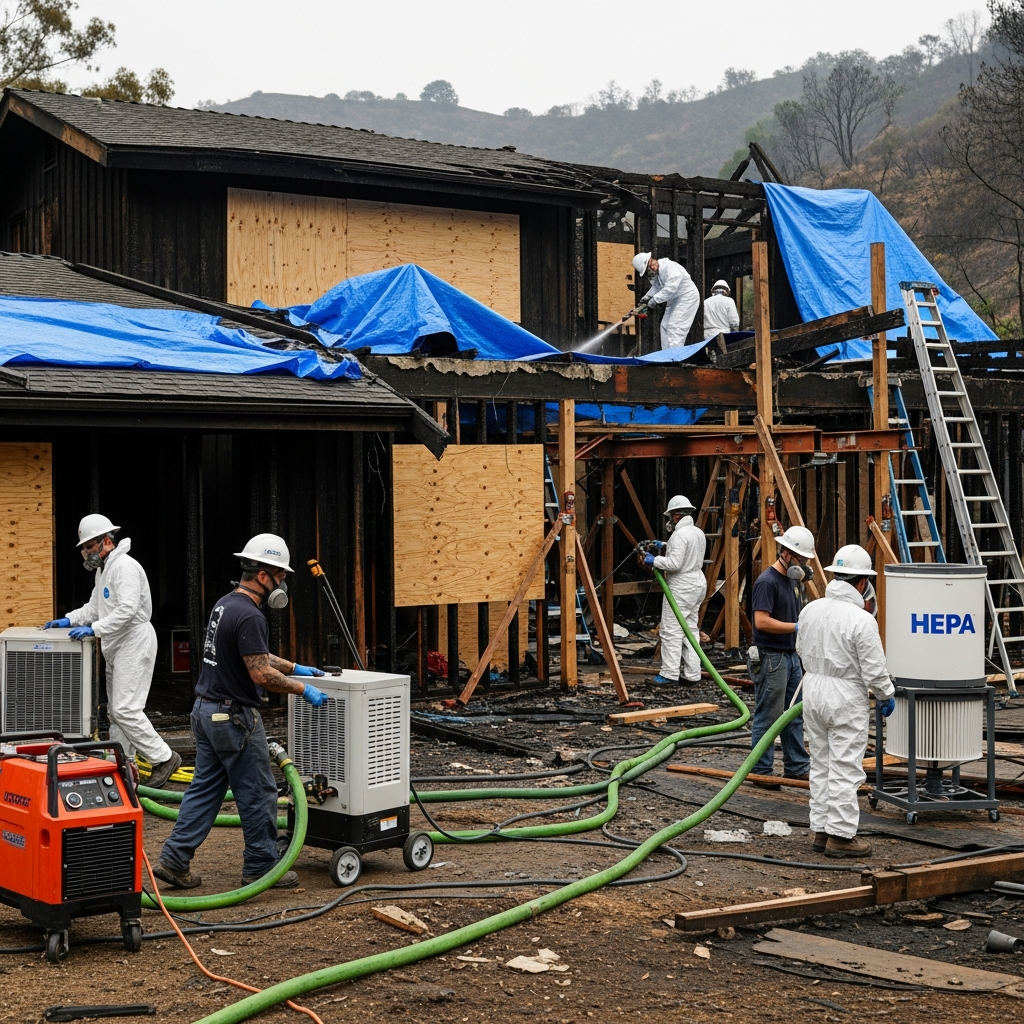
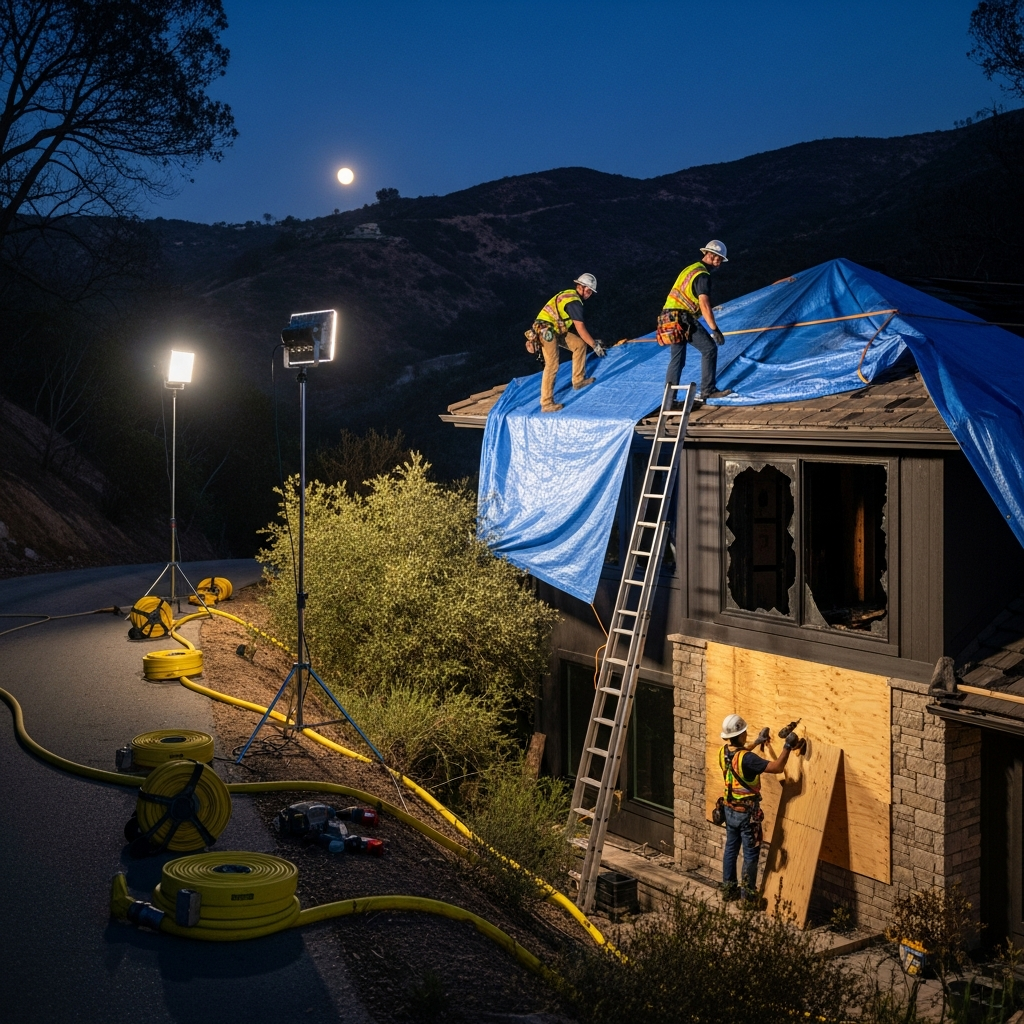
On arrival, the first objective is determining safe entry. Crews check for structural compromise, live utilities, and hidden hotspots. Coordination with fire officials ensures the scene is truly ready. The next priority is communication: what is stable, what needs immediate action, and what can wait for daylight or inspection. Clear, calm explanations lower stress and allow quick decisions. If windows are blown out or doors damaged, board-up begins at once. Roof damage receives temporary covering sized for canyon winds, not just a still day by the ocean.
Air quality is addressed in the first hour when possible. Portable HEPA filtration starts cleaning the environment for anyone who must remain on site. Where suppression water is present, extraction is immediate to keep moisture from seeping into subfloors and built-ins. Each action is a down payment on the hours to come, buying time and preventing secondary issues.
Working the Night: Logistics in Malibu’s Landscape
Night operations in Malibu introduce challenges most cities never see. Narrow roads, lack of street lighting, and wildlife movement require extra caution. Teams that work after dark bring portable lighting, cones, and clear protocols so that noise is minimized and neighbors are respected. Traffic control on private lanes and soft shoulders is handled carefully to avoid damage and keep access open for emergency vehicles or utility crews.
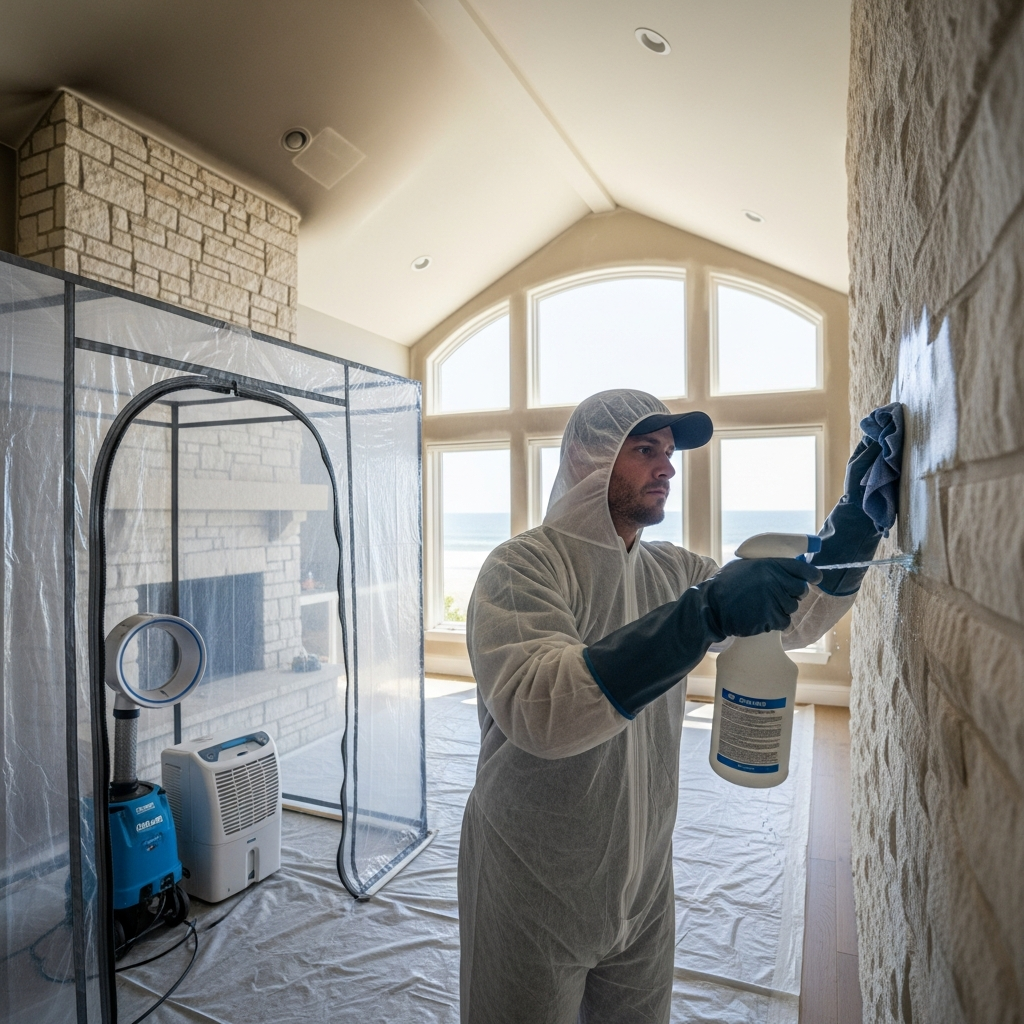
Inside, containment goes up quickly—zippered barriers and floor protection allow work to proceed while safeguarding clean areas. Thermal cameras help identify hidden moisture or hot spots without invasive exploratory cuts. Crews move methodically, often prioritizing kitchens, primary bedrooms, and spaces with mechanical systems that influence the whole house.
Stabilization Before Dawn
As the night progresses, the goal is to hand the property back to you in a safer, cleaner state than when you called. Temporary doors or secure barriers close the building envelope. Air scrubbers hum with a low, steady sound that signals progress. Where wall cavities were damp, controlled ventilation begins. Nearby outdoor surfaces—decks, railings, and patio furniture—receive a quick wipe-down to reduce the tracking of residue back indoors with each step.
Communication With Displaced Homeowners
Many calls come from the road, from a friend’s house, or from a hotel lobby. A strong 24-7 operation accommodates remote decision-making. You might authorize board-up by phone, receive texts with photos of the scene, and approve selective removal of wet materials before sunrise. That flexibility speeds progress and lowers anxiety, especially if you are caring for children, aging parents, or pets while planning your next move.
Moisture Control: The Morning Shift
By morning, priorities pivot to controlled drying. Malibu’s air can swing from foggy to bone-dry in hours, so dehumidification and airflow are tuned carefully. The goal is to coax moisture out without warping floors or cracking finishes. Daily readings confirm that the plan is working and inform decisions about where to open or preserve materials. Good teams explain the “why” behind each action so you understand how today’s choices affect tomorrow’s options.
Odor and Residue: Cleaning With Purpose
Rapid response includes thoughtful cleaning. Dry methods lift loose soot so it is not smeared into porous surfaces. Tested detergents follow, matched to residue type. With Malibu’s blend of indoor-outdoor living, many homes have large openings and clerestory windows that harbor fine particulates. Those areas receive extra attention alongside HVAC returns and filters that can quietly recirculate odor if ignored. Deodorization begins early with resident-friendly methods that work continuously as other tasks proceed.
Mid-Project Momentum: Where Speed Meets Discipline
After the first 24 hours, the tempo changes from sprint to steady pace. The best teams do not slow to a crawl; they apply systems that keep progress visible: daily goals, quality checks, and updates you can count on. This is where the character of excellent fire damage restoration shows—careful containment, measured cleaning, and drying that respects material limits. Contents are cataloged and protected, and a plan for pack-out, if needed, is presented with clear options.
Neighbors, Noise, and Respect
Malibu neighborhoods are close-knit, and a late-night response touches more than one household. Crews keep noise to a minimum, manage lighting thoughtfully, and maintain tidy staging so that the recovery of one home does not disrupt the peace of another. Communication with neighbors—simple explanations, clear timelines—goes a long way toward preserving goodwill during a stressful time.
Coordination With Insurance
Rapid response does not mean rushed documentation. Photographs, moisture logs, and itemized stabilization steps are captured carefully so you can move through your claim without confusion. When a decision point arrives—clean or replace, open or monitor—you have the evidence you need to proceed confidently.
From Night to Normal
By the time the second day closes, most homes feel dramatically different from those first chaotic hours. Openings are secure, air is clearer, and wet materials are on a path to stability. The next steps—deeper cleaning, selective removal, HVAC attention, and preparation for repairs—unfold along a clear track. If the same team handles repairs, scheduling decisions happen early; if another contractor will take over, the handoff is smooth, with documentation and readiness that prevent delays.
Frequently Asked Questions
How fast can a 24-7 team arrive in Malibu?
Response times vary with conditions and access, but a dedicated rapid-response crew mobilizes immediately with stabilization gear so that essential actions begin as soon as safely possible.
Is it safe for me to retrieve essentials during the night?
Often yes, once the scene is secured. Crews will guide you with protective gear and safe routes. If an area is unsafe, they will help retrieve items when conditions allow.
Will overnight work disturb my neighbors?
Responsible teams minimize noise and light, coordinate parking carefully, and keep staging organized. Communication and courtesy are core parts of the response.
What should I expect in the first 24 hours?
Stabilization of openings, air quality control, moisture extraction, and clear communication about next steps. You will receive documentation that supports any insurance conversations you need to have.
Can emergency crews start deodorization right away?
Yes. Resident-friendly methods often begin in the first operational window, continuing as other tasks proceed. Source removal and HVAC attention follow to ensure odors do not return.
Do I need to be on site for decisions?
No. Remote authorization is common. Photos and updates can be shared by text or email so that work continues even if you cannot be present.
If you are facing a difficult night or an anxious dawn, you deserve a calm, capable response that protects your home and your peace of mind. Call a Malibu team that will arrive ready, stabilize what matters, and guide you through the hours ahead with steady communication. When you are ready to take the next step, reach out for proven fire damage restoration support that is available around the clock and tuned to the realities of life along our coast and canyons.