After the last hose is rolled and the sirens fade down the canyon, a different kind of work begins: understanding what your Malibu home needs to recover. Neighbors often ask what the first formal step looks like and how to prepare for it. The answer is an on-site evaluation that builds the foundation for a thorough plan. Knowing how that assessment unfolds—what professionals look for, what they measure, and how they communicate—turns a stressful unknown into a sequence you can follow. From the initial phone call to the moment a detailed scope lands in your hands, here is what to expect when arranging a fire damage restoration estimate in Malibu.
Every home tells a different story. A small kitchen incident in a Point Dume bungalow behaves differently than smoke pushed by Santa Ana winds into a hillside retreat. The evaluation meets the home where it is. Crews arrive ready to stabilize first—board-ups, temporary power safety checks, and protective containment where necessary—then begin the careful work of mapping damage. The process blends science and craft: instruments quantify, while eyes, hands, and experience translate readings into practical steps that preserve what matters and return spaces to safety and comfort.
The First Conversation and What It Sets in Motion
Your initial call triggers a brief interview that covers the event timeline, where the fire started, which rooms you’ve noticed odors in, and any immediate safety concerns. Malibu’s microclimates matter here—coastal marine layers, canyon winds, and salt air all influence how smoke moves and how quickly corrosion may begin on fixtures and electronics. With that knowledge, the team stages the right mix of air scrubbers, moisture meters, and containment materials, arriving prepared for both rapid stabilization and careful inspection.
Upon arrival, the team confirms that utilities are safe to approach, checks for structural red flags, and notes areas where contents require immediate isolation. They will walk with you to understand priorities: maybe the nursery must be addressed first, or a home office houses sensitive equipment. This isn’t just courtesy; it informs the order of operations reflected later in the written scope.
Safety and Stabilization Precede Estimating
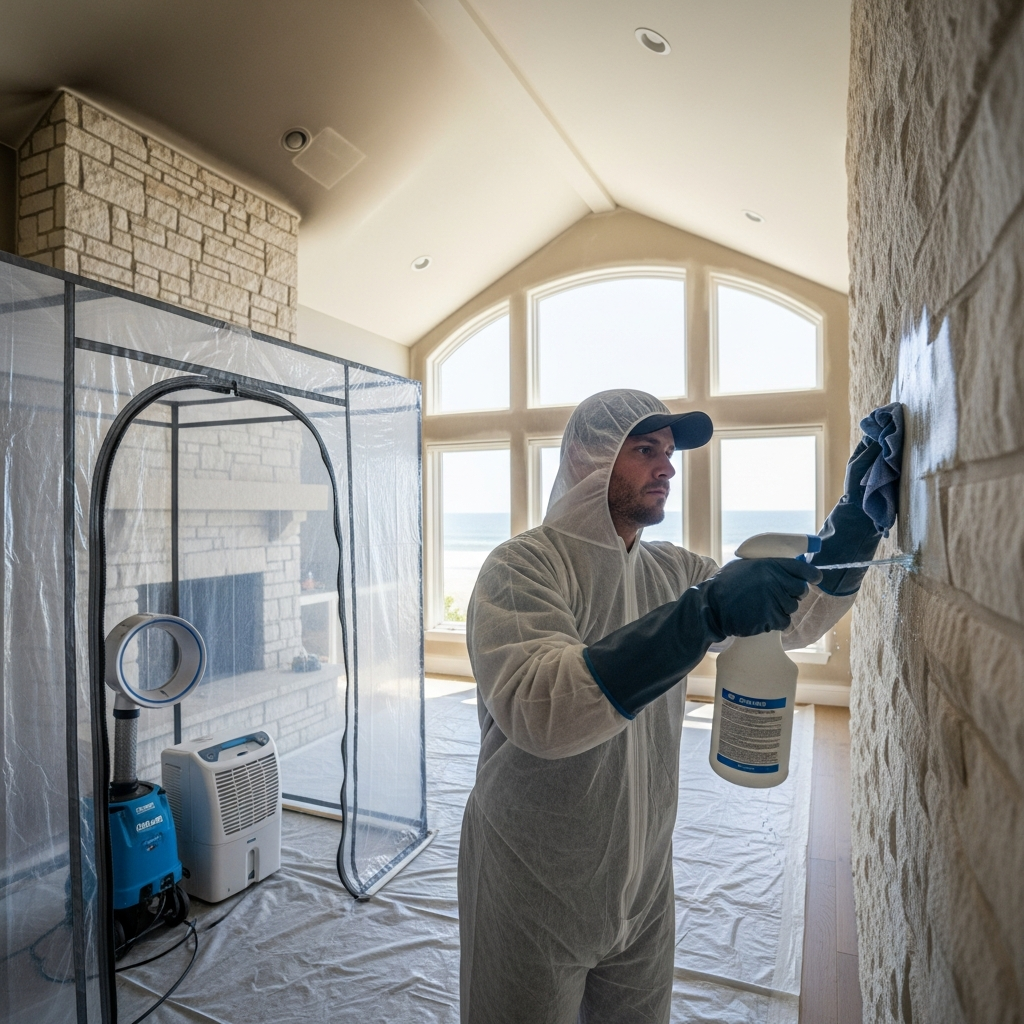
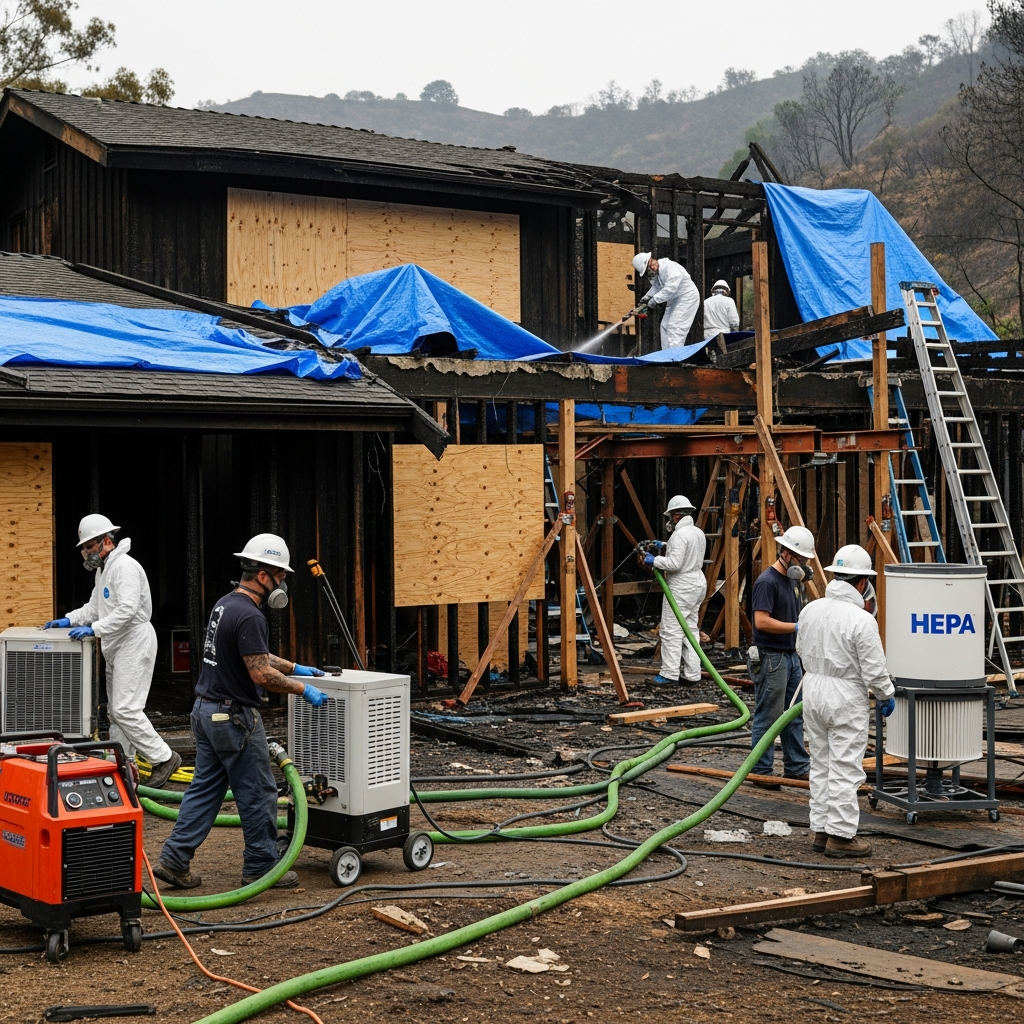
Before any measuring or note-taking, life-safety steps come first. That might mean securing burnt openings, setting up temporary containment to prevent cross-contamination, and deploying HEPA air scrubbers. Where water was used to extinguish flames, moisture mapping begins quickly to guide drying equipment. Malibu’s climate invites strategic ventilation, though crews will balance that with marine layer humidity and the potential for salt-laden air to interact with metal surfaces.
Only after stabilization does the formal estimating process begin. This sequencing is essential because readings and observations made in a chaotic, uncontrolled environment are unreliable. When air is clean and damp spots are identified, the team can create a clearer, more actionable picture of what the home needs.
Room-by-Room Evaluation and Soot Behavior
The walk-through proceeds methodically. Inspectors use flashlights to catch the angle of residue on walls and ceilings, noting streaking patterns that reveal airflow during the event. They’ll open cabinets, check behind artwork, and examine attics and crawl spaces where soot often hides. In Malibu homes with open beams and skylights, smoke tends to settle on cooler surfaces and in voids that aren’t obvious from the living area; those zones become key points in the scope.
Not all soot is equal. Dry soot from a living room rug incident may wipe clean with HEPA vacuuming and a gentle sponge, while protein residues from a kitchen event can be tenacious, smearing if treated with the wrong solution. The estimate accounts for these differences by pairing residue type with the correct cleaning methodology, defined by small sample tests performed during the visit.
Moisture Mapping and Materials Assessment
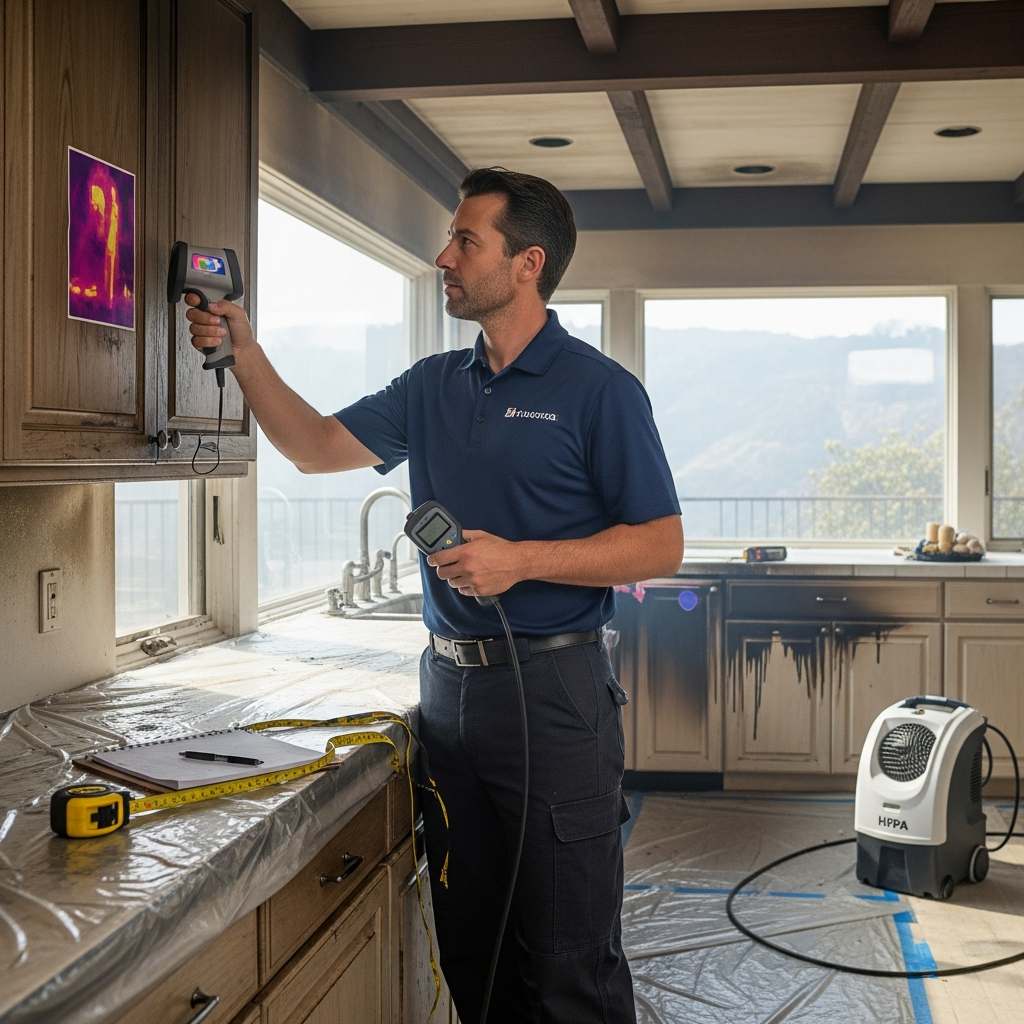
Where water intruded, the team plots a moisture map—baseboards, drywall, floors, and any built-in features that can trap pockets of damp air. Thermal imaging helps reveal patterns without destructive exploration, though targeted openings may be recommended where readings remain high. Malibu’s stone and wood selections vary widely, so the scope specifies whether rapid, targeted drying can save finishes or whether controlled removal is the safer path to prevent secondary issues.
Materials are cataloged carefully. Natural stone, plaster finishes, custom cabinetry, and engineered floors each have a restoration pathway with steps, tools, and dwell times. The estimate doesn’t just label a room “clean”; it describes how that cleaning will occur and how success will be verified—visual inspection, odor checks under changing humidity, and surface testing as needed.
HVAC, Odor Dynamics, and Air Quality
Malibu homes rely on diverse mechanical systems—mini-splits in guest units, central air in the main house, and sometimes a combination of both. The evaluation identifies whether returns and supply ducts carried soot, whether coils need attention, and which filtration upgrades are appropriate. Odor control strategies are mapped to the home’s layout. Open-plan designs with clerestory windows and ocean cross-breezes call for specific containment and ventilation strategies to ensure cleaning efforts build on each other rather than chasing recontamination.
Odor is addressed as a process, not a single event. The estimate will pair source removal with a deodorization plan that might include hydroxyl treatment or thermal fogging, executed after cleaning and only where warranted. Clarity on sequencing matters because it sets expectations about when rooms will feel normal again.
Documentation You Can Use
A strong estimate reads like a roadmap. You should expect room-by-room narratives, photo references, and descriptions of equipment and methods. Where decisions depend on test results—say, whether attic insulation can be cleaned in place or should be removed—the document will explain the trigger points for each direction. This transparency helps you communicate with adjusters, align with your household’s timeline, and make informed choices about finishes and furnishings.
In Malibu, topography and access influence logistics. The estimate will account for narrow hillside driveways, limited parking for equipment, and the need to protect landscaping or slopes. These considerations aren’t fine print; they affect staging, work hours, and how quickly rooms can be returned to service.
Coordination With Insurance Without Turning It Into a Puzzle
Most homeowners want to understand how the estimate interfaces with insurance. While the contractor doesn’t manage your policy, the document is typically formatted to align with industry standards so adjusters can review it efficiently. Expect clear descriptions, supporting photos, and a rationale for specialty steps—like corrosion control for stainless appliances affected by salt-laden soot. Supplements are normal; as hidden areas are opened, the scope updates with documentation that justifies the new work.
What you should feel through this process is momentum. The estimate isn’t a static report; it’s a living plan that evolves as information improves. That’s not a sign of disorder; it’s the mark of a team responding to what the building reveals, ensuring that each action contributes to a safe and lasting outcome.
Communication Cadence and Milestones
Ask how often you’ll receive updates and which milestones signal progress: containment established, drying stabilized, rooms cleared of soot, odor levels reduced, and repair phases scheduled. In Malibu, where families balance school runs, surf checks, and commutes, clarity about daily access matters. Knowing when crews arrive, which rooms they’ll work in, and how they’ll protect walkways turns a large endeavor into manageable days.
Halfway through many projects, homeowners want reassurance that the plan is still on track. A mid-project review—walking space by space, comparing current conditions to the estimate—keeps everyone aligned. It’s also an ideal moment to confirm that design choices for repairs still feel right after the dust has settled. Reliable providers of fire damage restoration in Malibu build these touchpoints into their approach so you’re never guessing what comes next.
From Paper to Practice: How the Estimate Becomes Action
Once you approve the plan, the sequence unfolds. Contents that can be saved are packed out for specialized cleaning. Rooms are cleaned top-down, with final wipes and odor checks under changing humidity. HVAC is addressed so it doesn’t reintroduce particulates. Where materials must be removed, demolition is contained and timed to minimize disruption. Repairs follow with an emphasis on returning finishes to their original character or, if you prefer, making thoughtful upgrades that add resilience without altering the soul of the home.
What often surprises homeowners is how many decisions are simple once the estimate clarifies why steps are recommended. Should plaster be cleaned or skim coated? Should attic insulation be replaced? When you understand how each choice supports air quality, comfort, and long-term durability, the path forward feels intuitive rather than overwhelming.
Why Local Insight Matters in Malibu
A team fluent in Malibu’s geography and climate will anticipate how marine air, canyon winds, and hillside logistics affect the plan. They’ll know which afternoons are best for odor checks and how to protect sensitive landscaping. They’ll also communicate in a way that fits the community’s rhythm—steady, respectful, and mindful that the goal isn’t just a spotless checklist but a home that feels right again.
Throughout, you should feel like the estimate belongs to you. It should reflect your priorities, speak plainly about methods, and build in flexibility for discoveries. Most of all, it should honor the quiet experiences you want back: a living room that smells like itself, a bedroom that welcomes sleep, and a kitchen that invites family to gather without reminders of the past week.
Frequently Asked Questions
What should I have ready before the estimator arrives?
Share a brief timeline of the event, note which rooms smell smoky at certain times of day, and identify high-priority spaces or items. If you have floor plans or photos from before the incident, those can help, too.
How long does the on-site estimate typically take?
It varies by home size and complexity. The visit continues until safety is secured, key readings are gathered, sample cleaning clarifies methods, and a reliable roadmap can be drafted. Rushing this stage risks missing hidden issues.
Why is test cleaning important?
Different residues respond to different products. Small trials prevent smearing, reduce rework, and confirm that delicate finishes will be protected during full cleaning.
Will I be able to stay in my home during the process?
That depends on which rooms are affected and your comfort with containment and air filtration. Many Malibu projects sequence room by room so families can remain at home, but safety and air quality drive the decision.
How does the estimate address my HVAC system?
Expect notes about returns, supply ducts, filtration, and whether coils need attention. Addressing the system prevents recontamination and ensures finished rooms stay fresh.
What happens if the team discovers additional issues later?
The scope updates with documentation explaining the discovery and the recommended solution. This is normal in restoration work and reflects responsible adaptation to newly revealed conditions.
Can my personal items be cleaned and returned?
Often, yes. Contents are triaged, documented, and either treated on-site or packed out for specialized care. The estimate will outline how items are handled and how their return integrates with room-by-room completion.
How are odors verified as resolved?
Verification combines visual cleanliness with odor checks under varied humidity and temperature, sometimes supported by surface testing. The goal is a neutral indoor environment that stays that way as seasons change.
When you’re ready to move from uncertainty to a clear, tailored plan, reach out for a local evaluation that respects Malibu’s climate, terrain, and design sensibilities. A thoughtful estimate is the first step to a steady recovery and a home that welcomes you back without reminders of smoke and ash. Start the conversation today and explore professional fire damage restoration options that fit your home and your pace, so the rest of the process feels as natural as the coastal breeze at sunset.