Living in Malibu means living with contrast. Ocean breezes roll up the canyons, carrying cool relief even on hot afternoons, and the hills glow with golden grasses that, in the wrong conditions, can feed an ember into a home’s eaves. After any fire—whether limited to a single room or part of a larger smoke event—the visible scars only tell part of the story. The real work of recovery involves a series of common pitfalls that, if left unaddressed, extend the disruption and allow hidden damage to linger. Understanding these issues from the outset, and partnering with specialized fire damage restoration professionals, helps Malibu homeowners protect both the structure and the sanctuary that a coastal home represents.
While every incident is unique, patterns emerge. Soot migrates to the least obvious places; water meant to save the home sets off a clock for mold; HVAC systems spread particles within minutes; and the coastal air itself—rich with salt and evening moisture—accelerates corrosion on metal and complicates deodorization. Knowing these patterns is the first step toward breaking them.
Hidden Soot in Building Cavities
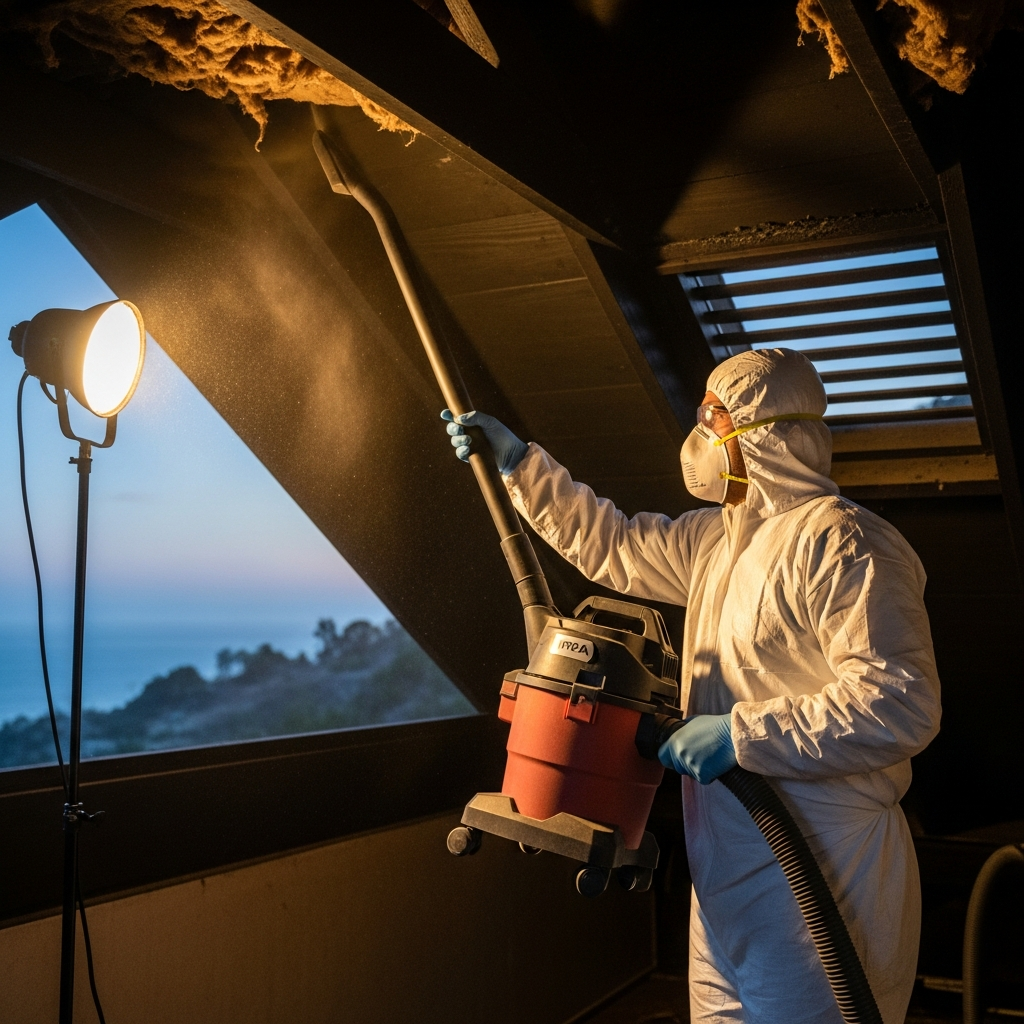
One of the most recurrent issues is soot’s infiltration into wall cavities, attics, and subfloors. Soot behaves like a gas at high temperatures, moving through gaps around outlets, recessed lights, and crown moldings. It settles in insulation, where it is shielded from surface cleaning and can re-release odor under heat and humidity. Without careful containment and a systematic cleaning plan, these hidden reservoirs will cause a home to “flash back” with odor weeks after you think the job is complete.
Protein Residues from Kitchen Fires
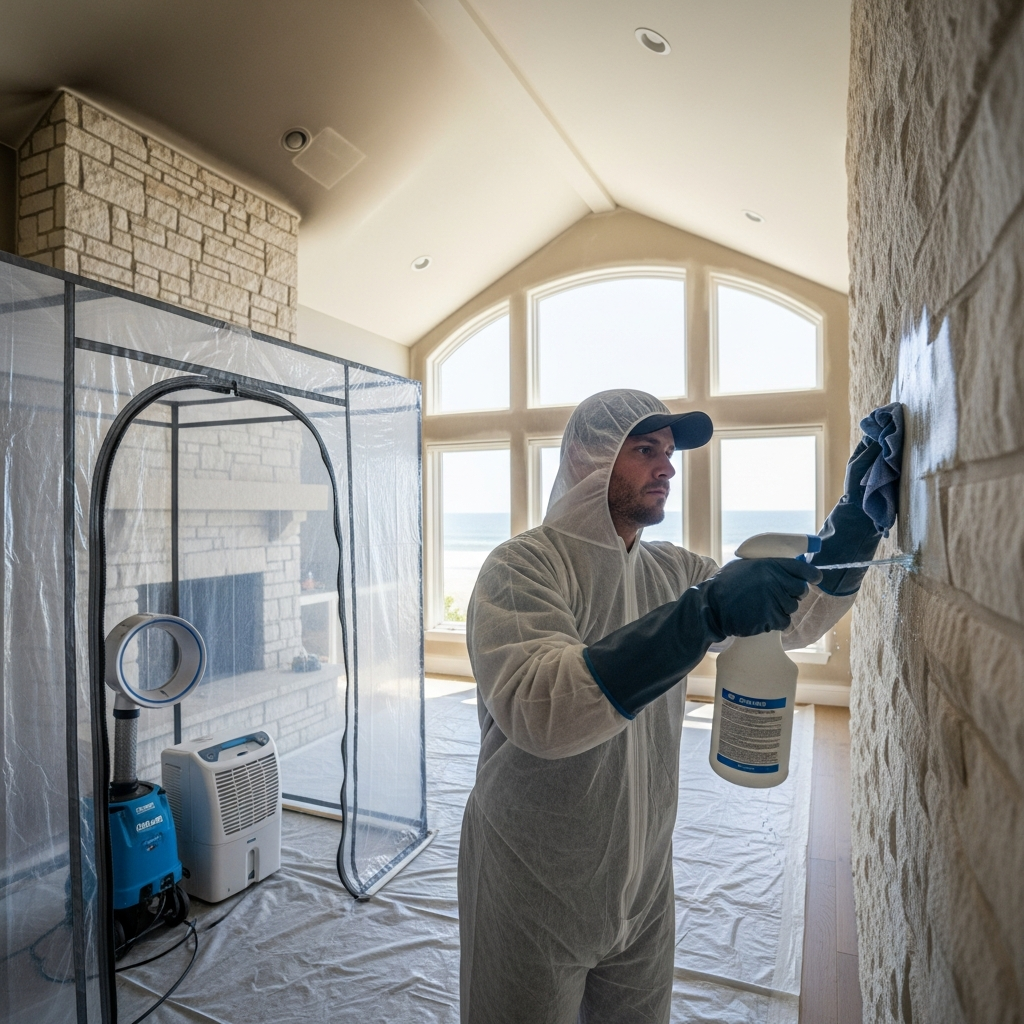
Kitchen fires are common, and the residue they leave is deceptive. Protein smoke creates a thin, nearly invisible film that clings to surfaces, dulling paint and cabinetry and producing a persistent, acrid odor. Because it is transparent, many people underestimate the cleaning required. The fix demands pH-specific cleaners and patient, methodical work. Rushing risks driving the residue into the finish and making the odor harder to eliminate.
Water Intrusion and the Mold Clock
Water from suppression efforts soaks into drywall, framing, and flooring. In Malibu’s microclimate, cool mornings and humid evenings can make drying more challenging. The mold clock starts immediately, and within 24 to 48 hours spores can germinate in the right conditions. This is why early moisture mapping, targeted demolition, and aggressive but controlled drying are non-negotiable. Over-drying, however, can stress materials like wide-plank floors, so balance is key.
HVAC Contamination and Phantom Odors
Another common problem is the rapid contamination of HVAC systems. The moment the blower kicks on, soot and fine ash can spread throughout ductwork, depositing in registers and on coils. Weeks later, homeowners complain of a “phantom odor” that returns whenever the system runs or the humidity peaks. Proper restoration shuts down the system until inspection, replaces filters with high-efficiency media, and performs negative-pressure duct cleaning. Skipping this step almost guarantees recurring odor issues.
Corrosion on Metals and Electronics
Malibu’s salt air accelerates corrosion on stainless appliances, fixtures, and electronics exposed to smoke. Even light residues can combine with humidity to create a corrosive film that etches finishes and attacks circuit boards. Quick stabilization with corrosion inhibitors and controlled humidity is essential, followed by careful cleaning. The longer residues remain, the higher the chance that metals discolor and electronics fail prematurely.
Porous Materials That Trap Odor
Textiles, rugs, acoustic panels, and unsealed woods drink in smoke. If these materials are not promptly stabilized, odors can become stubborn. The remedy is multi-layered: HEPA vacuuming, fabric-safe washing or dry cleaning with deodorization, and, when needed, advanced treatments like controlled hydroxyl generation. Items that absorbed water may require specialized drying, such as freeze-drying for documents, to prevent warping and microbial growth.
Improper Cleaning Sequences
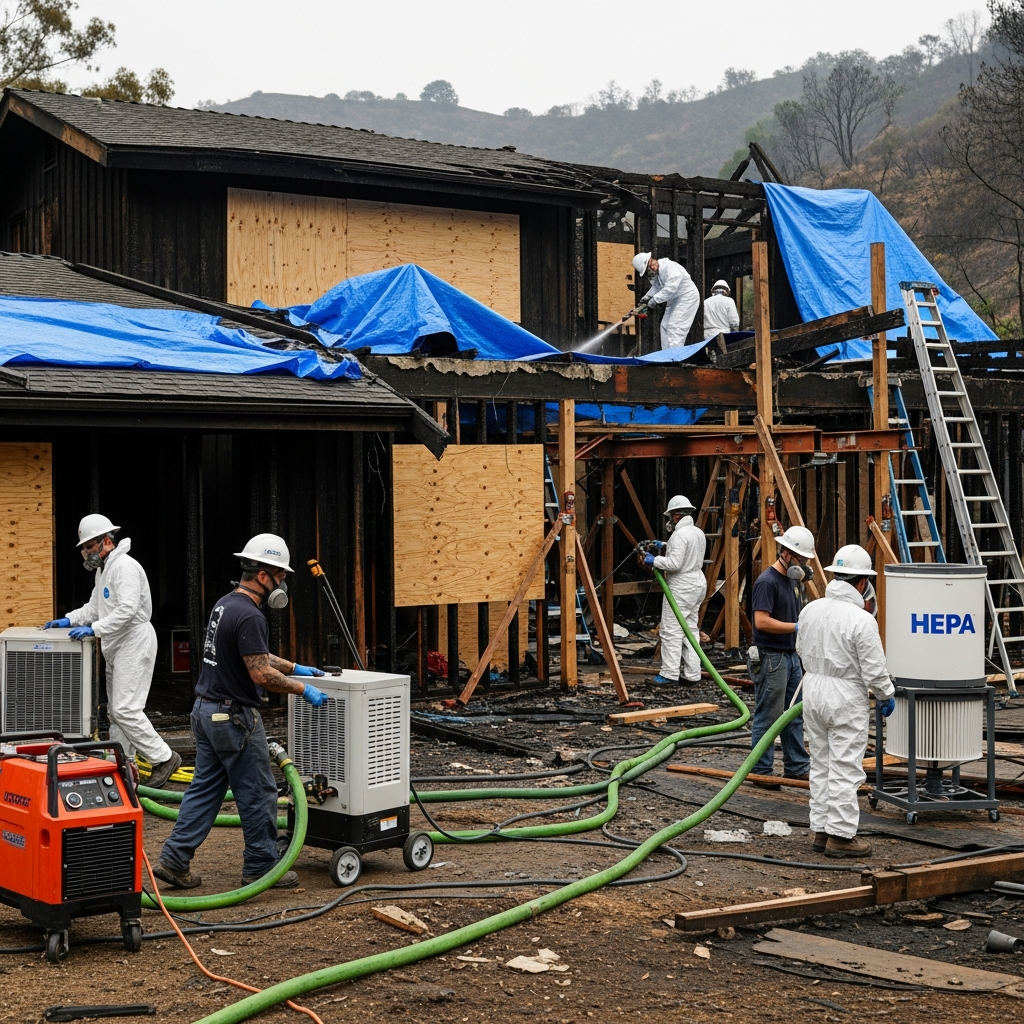
Sequence matters. Cleaning ceilings while floors remain contaminated can re-deposit soot on freshly cleaned surfaces. The correct order—source removal, dry cleaning to lift loose soot, wet cleaning tailored to residue type, then deodorization—prevents recontamination. Containment barriers and negative pressure prevent migration from dirty to clean zones. Without this choreography, crews end up cleaning the same areas repeatedly, wasting time and fraying nerves.
Overlooking Exterior Pathways of Intrusion
Embers and smoke often enter through soffit vents, gaps at eaves, and weathered door seals. Homes with open architectural features—clerestory windows, atria, and large sliding doors—are vulnerable to crossflow that carries smoke deeper inside. Part of restoration is tracing these pathways and tightening them. Ignoring exterior entry points means that during the next windy afternoon, outdoor particulates can undo hours of indoor cleaning.
Inadequate Drying Verification
Drying is not a feeling; it is a measurement. Too often, projects move forward based on touch or time rather than data. Moisture meters, thermal imaging, and daily logs confirm that framing and subfloors have returned to acceptable levels. Proceeding to rebuild with hidden moisture invites odor, warping, and microbial growth to show up beneath new finishes, leading to costly do-overs and lingering health concerns.
Skipping Contents Triage
In the first days after a fire, contents triage makes a disproportionate difference. Prioritizing high-sentiment and high-value items for immediate stabilization prevents secondary damage and gives families touchstones that make the recovery period more bearable. Without triage, items can sit in a humid, contaminated state, gradually losing their recoverability as residues set and odors deepen.
Documentation Gaps
Insurance and planning hinge on documentation. Missing photo sets, incomplete inventories, and absent moisture logs cause friction, slow approvals, and trigger disputes about what should be cleaned versus replaced. A disciplined documentation process keeps everyone aligned and creates momentum, allowing reconstruction planning to begin even as mitigation proceeds.
Halfway through nearly any Malibu project, homeowners ask if a general contractor can simply “take it from here.” The truth is that mitigation is its own discipline. Until source materials are removed, air is scrubbed, ducts are cleaned, and drying is verified, handing off to rebuild invites recurring issues. Staying with specialized professional fire damage restoration through clearance ensures the house is truly ready for finishes and that odors won’t surface with the first heat wave.
Local Nuances: Materials and Microclimates
Homes here are a study in materials—polished concrete, raw steel, reclaimed woods, custom plaster. Each interacts with smoke differently. Concrete may hold odors in micro-pores; steel can oxidize; plaster responds to alkaline cleaners with more resilience than certain paints. Malibu’s daily cycle—cool, damp mornings and sun-warmed afternoons—means restoration plans must adapt to shifting conditions. Desiccant dehumidification, temporary heat, and tightly sealed containments help maintain a stable environment for drying and deodorization.
Respecting Privacy and Minimizing Disruption
Restoration inevitably touches daily routines. The best teams plan access carefully, stage equipment to limit noise, and communicate clearly about milestones. For families balancing school drop-offs, remote work, and community commitments, this thoughtful approach reduces stress and keeps progress visible and steady.
Building Back with Resilience in Mind
As areas open for cleaning, it is an ideal time to address ember entry points, upgrade vents to ember-resistant models, and seal utility penetrations. Considering these improvements now pays dividends when the next red flag warning arrives. It is also the right moment to evaluate attic ventilation, soffit protection, and exterior sealing so the home emerges not just restored but strengthened.
Frequently Asked Questions
Why does smoke odor return after I think everything is clean?
Odor often returns because hidden reservoirs of soot remain in cavities, insulation, or ductwork. Heat and humidity can draw those odors out. True resolution requires source removal, targeted cleaning, and advanced deodorization, followed by verification under varying conditions.
Can I run my HVAC after a small fire?
It’s best to wait until inspection and filter replacement at a minimum. Running the system can spread contaminants, making cleaning more extensive. Negative-pressure duct cleaning and coil inspection help prevent phantom odors later.
What’s the right way to clean protein residue from a kitchen fire?
Use pH-appropriate cleaners and proceed methodically. Dry cleaning with soot sponges may be followed by wet cleaning tailored to the residue. Rushing or using the wrong product can set stains and deepen odor.
Is all drywall with smoke exposure a loss?
Not necessarily. If the drywall hasn’t been compromised by heat or water and odors are resolved at the source, cleaning and sealing can be effective. Decisions should be data-driven, with moisture and odor verification guiding the scope.
How fast can mold develop after suppression?
Under the right conditions, mold can begin within 24 to 48 hours. Rapid moisture mapping, selective demolition, and controlled drying are critical to interrupt that timeline and protect structural materials.
Will my metal fixtures corrode after a smoke event?
They can, especially in Malibu’s salt air. Prompt cleaning and the application of corrosion inhibitors reduce the risk. Waiting increases the chance of pitting, discoloration, and premature failure.
When you want a clear path through these common pitfalls and a home that feels like Malibu again—clean air, quiet rooms, and windows open to the afternoon breeze—connect with local experts in Malibu fire damage restoration who can guide you from assessment to final clearance with care and precision.