From Point Dume to the canyons above Las Flores, Malibu’s landscape is a study in beauty and volatility. Wildland-urban interface neighborhoods sit within sight of the Pacific, where onshore breezes cool summer afternoons and offshore Santa Anas can, in a matter of hours, change everything. In recent years, the field of post-fire recovery has evolved rapidly, driven by better science, smarter tools, and a deeper respect for the unique demands of coastal living. For homeowners and property managers here, understanding the latest innovations in fire damage restoration is more than a curiosity—it is a practical edge that can shorten recovery time, save architectural finishes, and produce healthier indoor environments.
Trends emerge for a reason: they are solutions to recurring problems. In Malibu, the common challenges are clear—smoke migration through complex architectural volumes, water intrusion from suppression efforts, the corrosive interplay of salt air and soot on metals, and the logistical realities of working on hillside sites with limited access. New technologies and refined protocols are addressing these head-on, blending precision with environmental responsibility.
Data-Driven Assessment: Seeing What the Eye Can’t
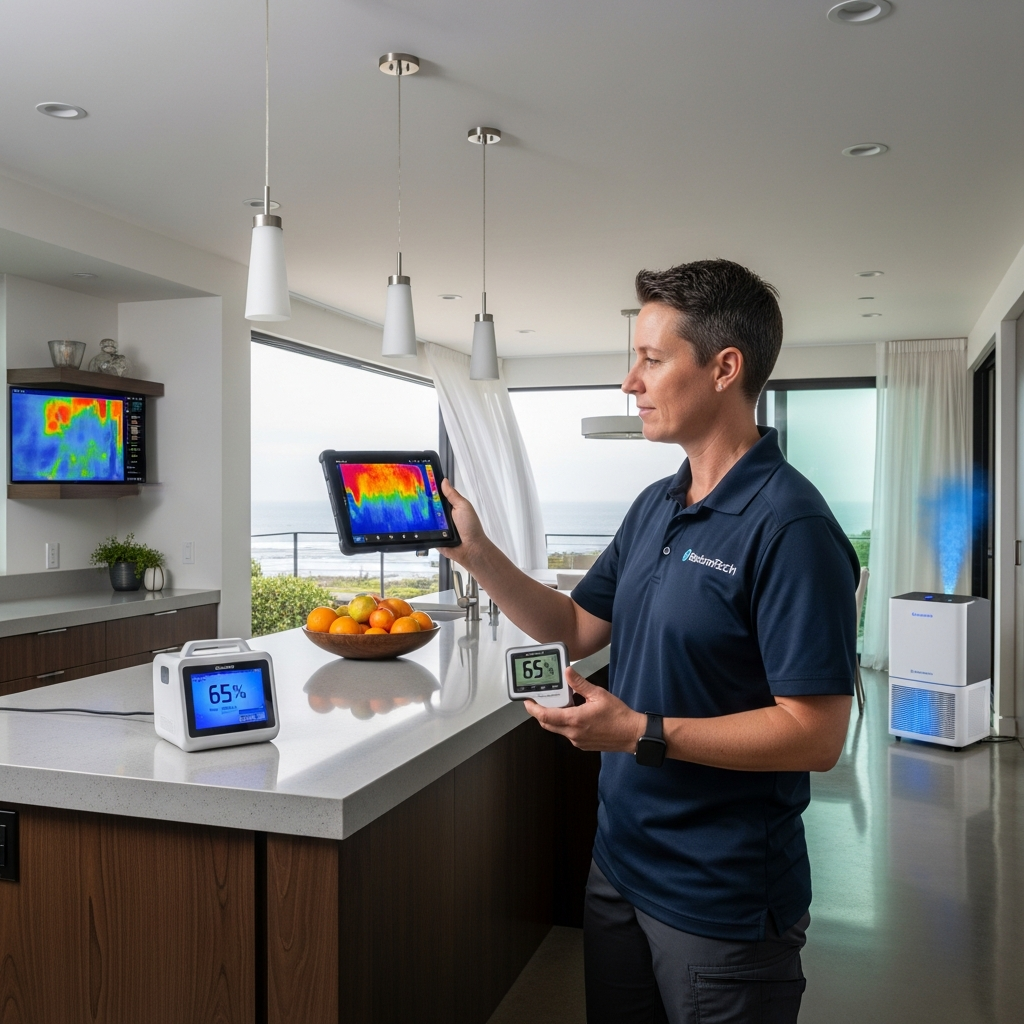
One of the most important shifts is the move toward quantified assessment. Thermal imaging has long been used to identify hidden moisture, but newer high-resolution cameras, paired with hygrometers and smart sensors, provide a real-time map of conditions inside walls and under floors. Some teams deploy connected data loggers that track temperature and humidity across zones, allowing drying strategies to be tuned daily rather than set and forgotten. The benefit in Malibu’s microclimates—cool mornings, warm afternoons, and damp evening air—is a controlled, efficient dry-down that reduces the risk of mold and protects materials like wide-plank flooring from cupping or gapping.
Advanced Air Quality Management
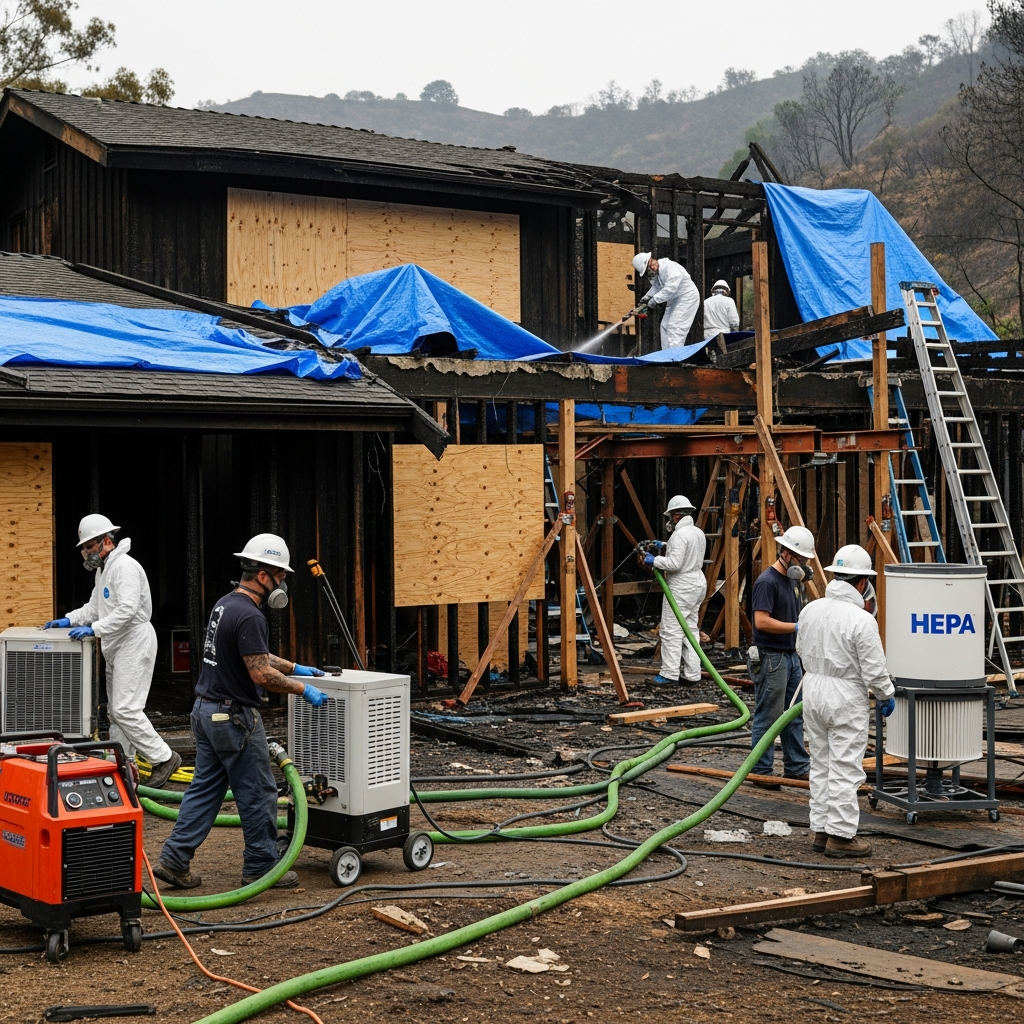
Air filtration has also leapt forward. HEPA remains the backbone, but combination units now pair HEPA with multi-stage activated carbon and even photocatalytic oxidation to address volatile organic compounds produced during combustion. Negative air setups are being designed more elegantly, integrating with containment barriers that are cleaner and more durable, minimizing disruption for families who can remain on-site. Air quality testing—once sporadic—now frequently includes baseline and clearance data, giving homeowners confidence that breathable conditions are genuinely restored.
Hydroxyl Generation and Precision Deodorization
Deodorization is entering a more precise era. Thermal fogging still has its place for deep penetration, but hydroxyl generators, which produce reactive radicals that neutralize odors without the material compatibility concerns of ozone, are now a mainstay. In Malibu’s salt-influenced environment, where metal finishes and electronics are common, hydroxyl treatment provides a gentler path to odor control. The trend is toward layered strategies: source removal first, careful pH-matched cleaning, and then targeted deodorization, verified by both instrument readings and step-down sniff testing across different humidity and temperature conditions.
Electronics and Specialty Contents: Beyond Simple Cleaning
Homes along the coast typically contain high-end electronics, musical instruments, and art. Emerging practices emphasize corrosion mitigation for circuit boards and internal components exposed to ionic contamination from smoke and salt. Technicians use controlled humidity chambers and anti-corrosion treatments to stabilize devices quickly, increasing the odds of successful restoration. For artwork and textiles, conservation-minded methods are seeing wider adoption, from HEPA micro-vacuuming and soot sponges for canvases to custom washing protocols for wool and silk that respect dyes and weaves while removing odor and residue.
Green Chemistry and Responsible Waste Handling
Environmental stewardship is shaping product selection and waste management. New surfactants and cleaners balance effectiveness with biodegradability, and teams are more frequently separating waste streams to divert materials from landfills. Wash stations with capture systems prevent contaminated water from entering storm drains—critical in a coastal watershed. For homeowners, this evolution delivers both ethical reassurance and practical benefits, as gentler chemistries often mean less risk to delicate finishes.
Smarter Drying: Desiccant Dehumidification and Climate Control
Traditional refrigerant dehumidifiers struggle when ambient temperatures are cool, a familiar condition on Malibu mornings. Desiccant dehumidifiers, which perform efficiently in lower temperatures and can deliver very dry air to targeted zones, are increasingly common. Combined with temporary heat and well-sealed containments, they create micro-environments that accelerate drying without over-stressing materials. Remote monitoring allows technicians to adjust set points rapidly, responding to sudden shifts in outdoor conditions, such as a marine layer rolling in or an unexpected warm spell.
Building Pressure and Smoke Migration Modeling
Another emerging frontier is the intentional control of building pressure. By using differential pressure monitors and variable-speed air movers, teams can maintain a slight negative pressure in affected zones to prevent smoke-laden air from migrating into clean areas. In complex floor plans with open lofts and clerestory windows, this control can be the difference between a contained event and a whole-house contamination. As understanding deepens, some firms model airflow patterns, factoring in typical Malibu wind directions and daily thermal shifts to anticipate re-entry risks during deodorization and cleaning.
Documentation 2.0: Visual Twin and AI-Assisted Records
Accurate, accessible documentation is invaluable. The newest trend is creating a “visual twin” of the property using 3D capture tools. This record supports scoping, insurance collaboration, and progress tracking. AI-assisted platforms can categorize contents from imagery, flag moisture risks from thermal scans, and assemble standardized reports that reduce friction with insurers. For owners managing recovery from afar, a secure portal with live updates and annotated visuals provides clarity and accountability without constant site visits.
Resilience by Design: Integrating Hardening Measures During Mitigation
Mitigation opens walls, attic chases, and soffits—rare access that makes it the perfect moment to incorporate hardening strategies. The trend is to integrate ember-resistant venting, seal penetrations at decks and eaves, and review roof-to-wall transitions that commonly admit embers. In Malibu’s WUI setting, these upgrades during restoration can materially improve a home’s performance in future events without adding separate construction phases later.
Mid-project decisions often revolve around whether to pause innovation in favor of “standard practice.” In reality, the most efficient path blends tried-and-true methods with targeted advances. Sticking with a comprehensive plan for professional fire damage restoration—one that leverages data, precision air care, and resilience upgrades—reduces rework and accelerates a true return to normal.
Special Considerations for Malibu’s Architecture
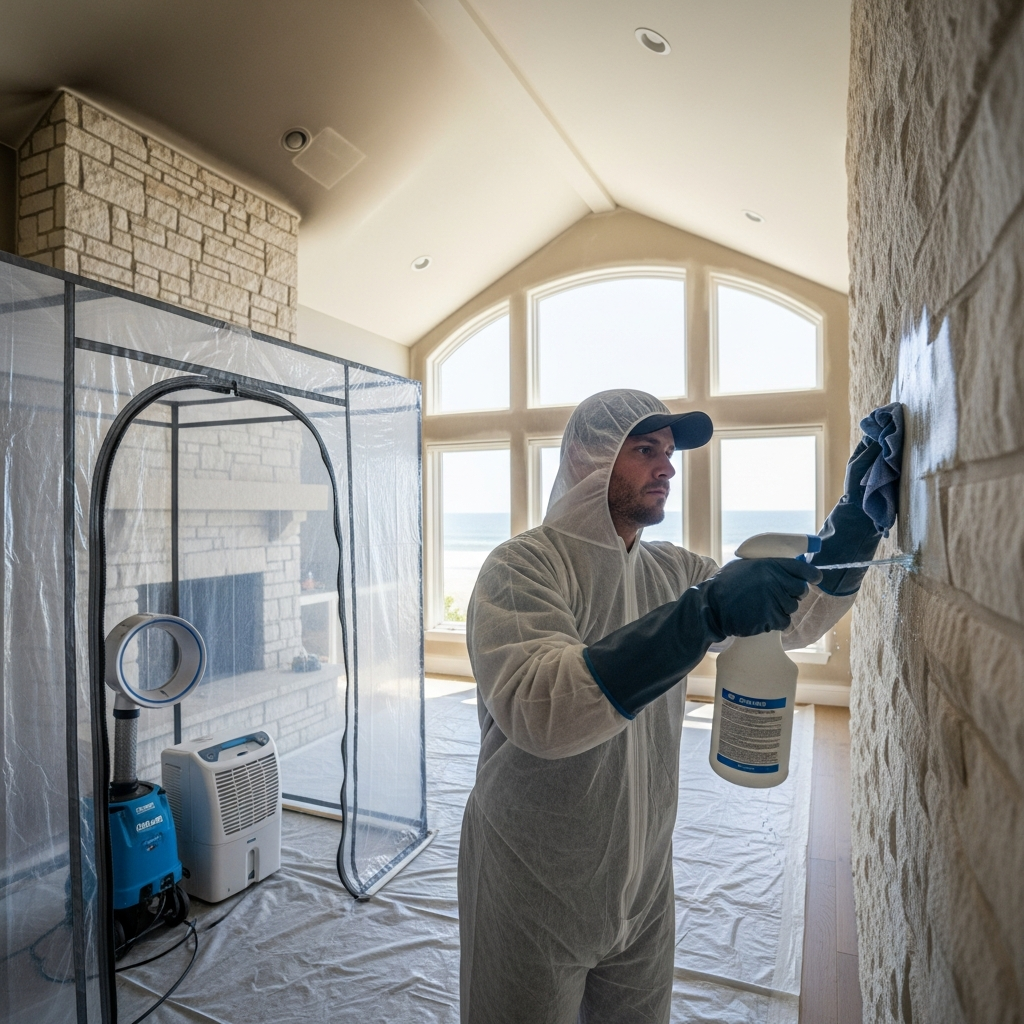
Local homes showcase a spectrum of materials: raw steel, reclaimed woods, polished concrete, and natural stone, often in open, airy layouts. Emerging restoration techniques respect these elements. On oxidized metals, low-abrasion soot removal followed by corrosion inhibitors helps preserve intentional patinas. For expansive wood floors, controlled drying within a narrow humidity band prevents cupping. Stone surfaces benefit from poultices and pH-specific cleaners that lift residues without etching. The best outcomes come from aligning material science with the home’s aesthetic intent.
Human-Centered Restoration
Another trend, less technological but equally significant, is a human-centered approach. Teams structure work around family routines, provide clear expectations for noise and access, and communicate milestones in plain language. This empathy reduces stress, which is no small feat when a home has been disrupted. In Malibu’s tight-knit neighborhoods, discretion and respect for privacy are part of the craft.
Verification and Long-Term Indoor Air Quality
Verification once meant a final walk-through and a nod. Today, more projects conclude with air quality sampling, particulate counts, and odor verification protocols under varying temperature and humidity. Post-completion IAQ strategies—like MERV 13+ filters, scheduled duct inspections, and advice on ventilation—are increasingly bundled, creating a bridge between restoration and long-term home health.
Training and Cross-Disciplinary Teams
Finally, the best results come from teams that blend restoration experts with building scientists, HVAC specialists, and conservation-minded contents pros. Cross-training ensures that when a drying plan changes, air management adapts in tandem, and when an art piece is stabilized, structural vibrations from nearby demolition are minimized. This orchestration is the mark of a mature, modern practice.
Frequently Asked Questions
Are hydroxyl generators safe to use around people and pets?
When applied correctly by trained professionals, hydroxyl generators are considered safe for occupied spaces and are gentler on materials than ozone. Proper placement and runtime are essential to ensure effective deodorization without overexposure.
Do I really need 3D documentation of my home?
While not mandatory, a 3D capture provides a precise record that streamlines communication with insurers, architects, and contractors. It helps prevent scope gaps, documents pre-existing conditions, and supports faster approvals for reconstruction.
How do desiccant dehumidifiers differ from traditional units?
Desiccant units use a moisture-absorbing material rather than condensation to remove water from air, allowing them to perform well in cooler temperatures. They deliver very dry air and can be ducted to targeted zones, making them ideal for Malibu’s cool mornings and complex floor plans.
Will advanced deodorization remove smoke odor for good?
Yes, when combined with thorough source removal and correct surface cleaning. Layered strategies using hydroxyl generation or thermal fogging, verified by clearance checks, can eliminate odors rather than merely masking them.
Can electronics be saved after smoke exposure?
Often they can, if stabilized quickly. Corrosion mitigation and careful cleaning of internal components increase success rates. It’s important not to power devices before assessment, as energized circuits can accelerate damage.
What resilience upgrades make the biggest difference?
Sealing utility penetrations, installing ember-resistant vents, improving attic ventilation control, and tightening building envelopes at eaves and decks offer significant protection. Incorporating these during restoration takes advantage of open access and reduces future disruption.
When a fire event has touched your home, the fastest way back to salt-tinged breezes and quiet evenings is an approach that blends innovation with craftsmanship. If you want a team steeped in Malibu’s materials, microclimates, and modern practices, connect with experts in Malibu fire damage restoration who can translate emerging trends into tangible results for your property.