From Broad Beach to Corral Canyon, Malibu homes are shaped by sun, salt, and the steady breath of the Pacific. When a fire interrupts that rhythm, restoration begins with a simple but demanding aim: make the home safe, clean, and whole again. Yet even seasoned professionals encounter recurring challenges that, if misunderstood, can slow progress or compromise results. Knowing the common issues in fire damage restoration in Malibu is a way for homeowners to stay ahead of problems and work in lockstep with their restoration team. The terrain, the microclimates, and the architectural details all influence how smoke, water, and heat leave their mark—and how best to remove it.
Smoke is a traveler. It rides pressure differences, slips through hairline gaps, and condenses on cool surfaces. In Malibu, where morning marine layers can keep exterior surfaces cool and interiors warm, smoke may choose unexpected paths and settle unevenly. A living room untouched by flame can end up with heavier residues than a closer hallway simply due to airflow at the moment of the event. This is one reason methodical inspection is nonnegotiable; assumptions can miss pockets of contamination that later bloom into odors or discoloration.
Hidden Moisture And Slow-Drying Assemblies
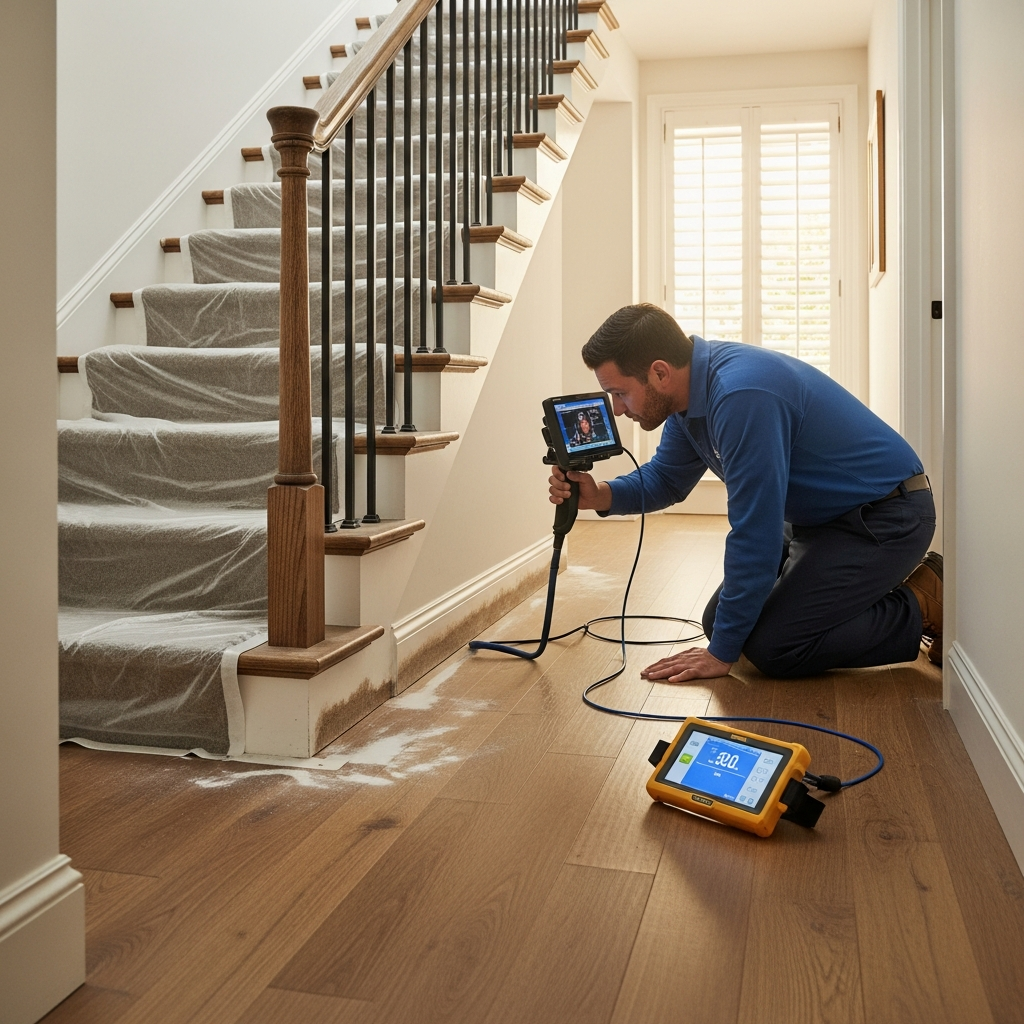
Water from firefighting often arrives fast and stays too long. It pools in low spots and seeps into subfloors and framing. Tile over cement board, stone over mortar, and engineered wood over foam underlayments—all common in Malibu—slow evaporation. Without moisture mapping and a deliberate drying plan, these assemblies can foster mold within days. Another complication is our coastal humidity; even with windows open, the air may not be dry enough to pull moisture out efficiently. Professional dehumidification and temperature control create the conditions for safe, steady drying without warping materials or encouraging secondary damage.
In multi-level homes, gravity pulls water through recessed lights, chases, and stairwells, appearing in ceilings far from the original source. If ceilings are insulated, damp batts can hide moisture while surfaces appear dry. This is why restoration teams rely on both pin and pinless meters and often open strategic inspection holes to verify conditions before making bigger decisions.
Soot Chemistry And Surface Sensitivity
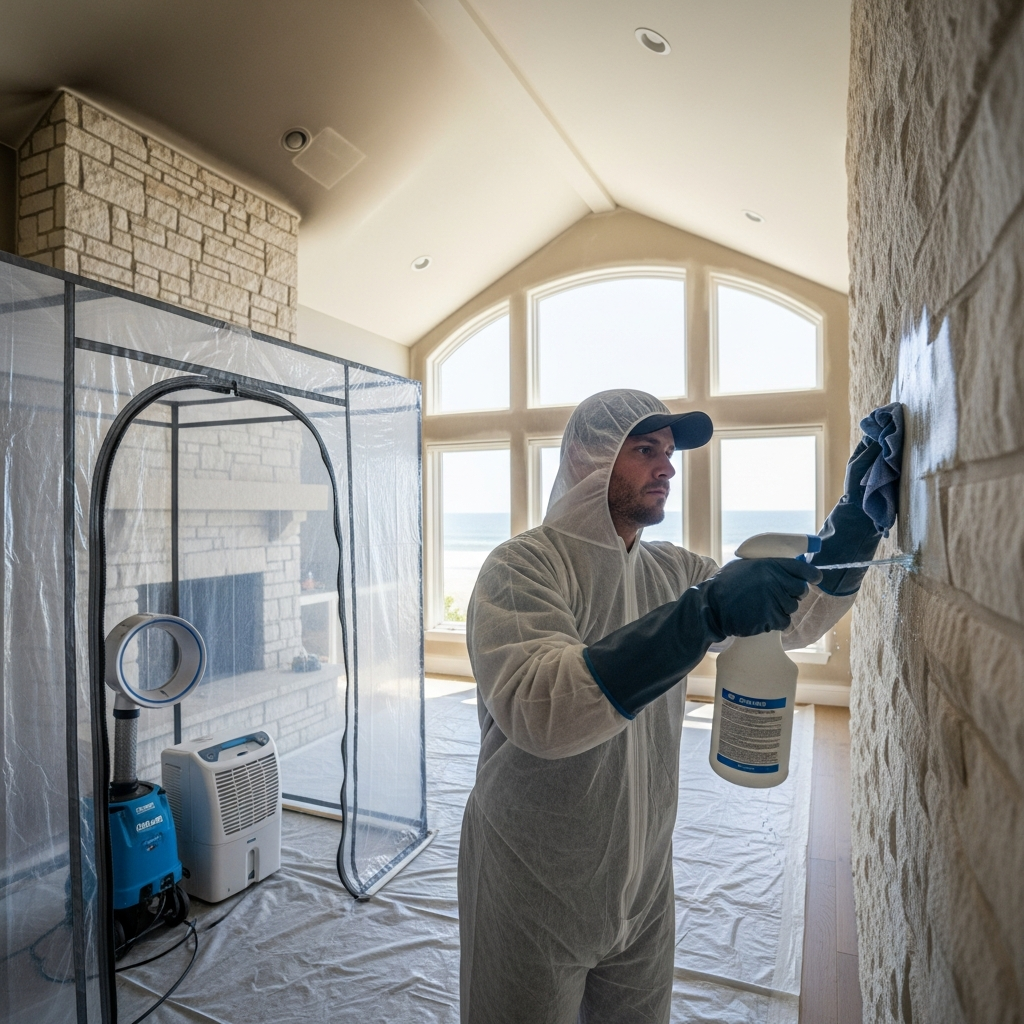
Not all soot behaves the same way. Dry soot from fast, hot burns can be lifted with careful vacuuming and dry sponging. Wet or smeary soot, often from lower-temperature burns or when plastics and oils are involved, can spread and stain if approached casually. Protein residue from cooking incidents is nearly invisible but intensely odorous, requiring degreasing agents and meticulous technique. In Malibu’s custom homes—plaster walls, Venetian finishes, natural stone, hand-scraped woods—the wrong product or motion can trade a removable film for a permanent blemish. Testing in inconspicuous areas and stepping up through the mildest effective methods protects finishes and pride alike.
Metal fixtures deserve attention too. Soot plus salt from the marine air forms a corrosive duo that etches and pits quickly. Early neutralization and protective coatings can save hardware, appliances, and window frames that would otherwise degrade. Even electronics and low-voltage systems suffer; residues conduct enough to cause shorts or intermittent failures if not addressed. Coordinating with qualified electronics cleaners prevents surprises months later.
Odor That Disappears—Until It Doesn’t
One of the more frustrating issues for homeowners is odor that seems to vanish during the cool, damp morning only to return on a warm afternoon. This is off-gassing at work. Residues in porous materials release odor molecules when heated, then reabsorb them when it cools. If source materials remain or residues persist in tiny amounts inside cavities, smell cycles continue. Thorough source removal, deep cleaning, and targeted sealing of charred framing are the backbone of real deodorization. Hydroxyl treatment can neutralize odor molecules without evacuating the home for days, but even the best technology will struggle if cleaning steps are rushed.
Ductwork often plays an uninvited role. HVAC systems that run during or after a fire can distribute fine soot throughout a home. If filters are not upgraded promptly and ducts not assessed, lingering odors may trace back to supply lines or returns. In Malibu, where many homes rely on forced air for heating and cooling, evaluating and addressing ducts early avoids chasing odor later.
Cross-Contamination During Cleanup
Another common issue is spreading contamination during the work itself. Dry sweeping ash, carrying soot-covered items through clean rooms, or running fans without containment can turn a localized problem into a whole-house headache. Professional crews set up negative air zones and decontamination paths, pack out contents methodically, and clean from the cleanest areas toward the dirtiest. This discipline pays off in results you can smell and see.
Foot traffic is an unsung culprit. On canyon lots with limited parking, paths from the street to the home are long, and a few missed steps in protective coverings track residues across hard floors and carpets. Attentive teams manage access like a jobsite within a home, respecting both efficiency and cleanliness. Homeowners can help by designating entrances and flagging sensitive finishes early.
Documentation Gaps And Insurance Delays
Even when the technical work is excellent, paperwork can stall progress. Missing photos, vague moisture logs, or unclear scope descriptions invite questions from adjusters and slow approvals. Malibu projects often involve premium finishes and custom details, which means estimates must reflect true replacement or restoration pathways. Teams familiar with local standards describe methods and materials with specificity, reducing back-and-forth and keeping momentum. For homeowners, looking for clear, organized documentation is a pragmatic way to avoid avoidable delays.
Contents handling is part of this documentation story. A rushed or informal inventory leads to disputes later. Using barcoded pack-outs and photographed item lists streamlines claims and eases the emotional strain of tracking treasured belongings.
Permitting, Codes, And Rebuild Coordination
Restoration crosses into rebuild the moment structural materials are removed. Malibu’s coastal setting and hillside construction bring additional code considerations and, in some neighborhoods, design review. Navigating these requirements while maintaining pace is a balancing act. Coordinating early with contractors, designers, and—when needed—engineers keeps sequencing tight and avoids idle time while permits are secured. Meanwhile, choosing fire-resistant and salt-tolerant materials improves future performance without sacrificing the visual language of the home.
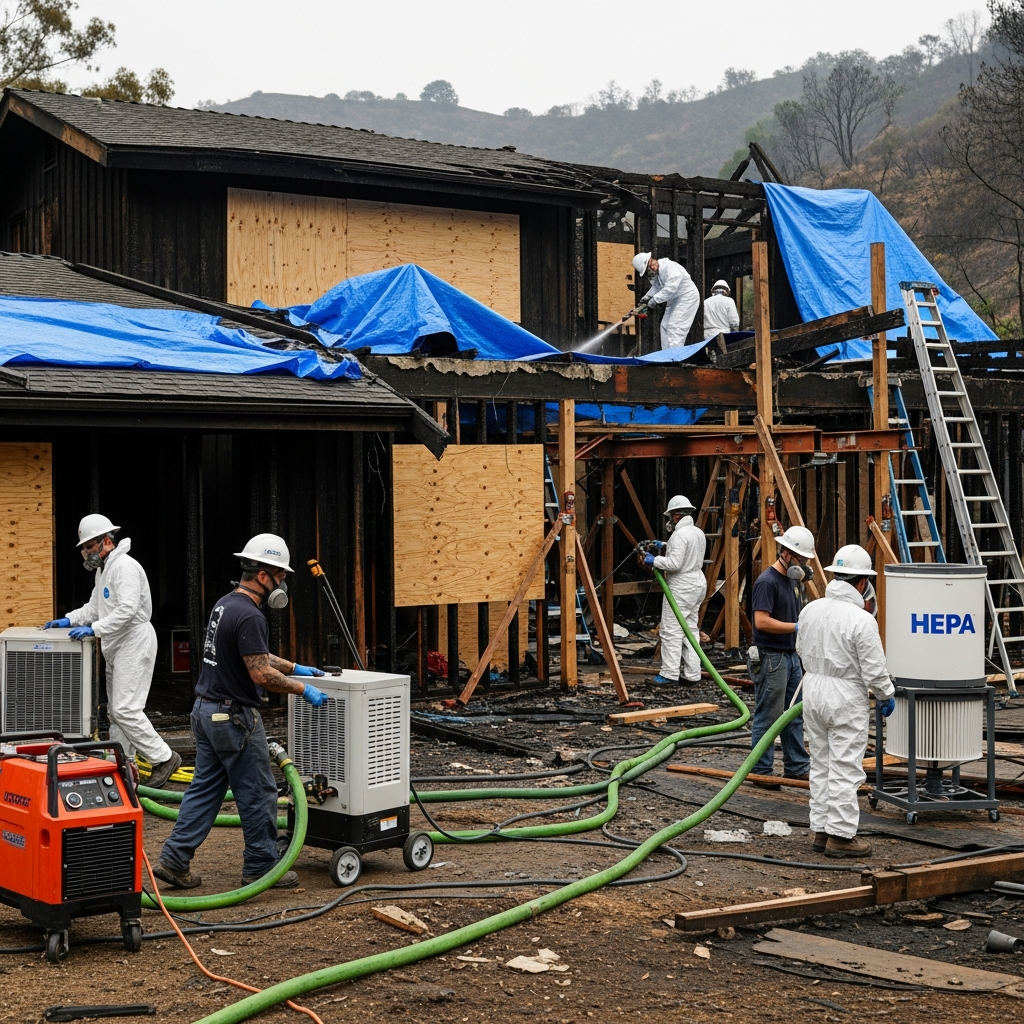
Another coordination challenge is power and access. Post-event, power can be unstable. Restoration equipment depends on reliable electricity, and generators must be staged with care to respect neighbors and noise rules. Experienced crews plan for this, bringing the right cabling, fuel management, and noise mitigation to run a project smoothly.
DIY Temptations And Their Costs
In the rush to reclaim normalcy, homeowners sometimes attempt cleanup on their own. While there is a role for immediate actions—ventilating when safe, protecting high-use areas—overreaching can set back progress. Using household cleaners on delicate finishes, masking odor rather than removing sources, or painting over soot without proper prep leads to stains and smells that re-emerge. The most common regret we hear is, “I wish we had called earlier.” Early professional involvement typically saves materials, shortens timelines, and reduces overall disruption.
Halfway through a project, fatigue can prompt shortcuts. Skipping a day of deodorization because the house “smells fine” or trimming drying time without confirming readings invites problems later. Teams who focus on fire damage restoration in Malibu know these temptations and build in checkpoints to keep the process honest without being rigid.
Setting Expectations And Staying Informed
Communication is the antidote to most issues. Daily updates, clear milestones, and an open door for questions help homeowners plan life around the work and keep small concerns from becoming big ones. When you understand why a wall must stay open another day or why a deodorization cycle needs the full run, the inconvenience becomes purposeful, not arbitrary. Transparency about readings, photos, and next steps empowers you to participate meaningfully in decisions.
FAQ
Q: Why does smoke end up in rooms far from the fire? A: Airflow and pressure differences move smoke unpredictably. Cool surfaces attract condensation of soot, so distant rooms can collect more residue than closer spaces under certain conditions.
Q: How do I know if my ducts are contaminated? A: Signs include persistent odor when the system runs and visible soot at vents. Technicians can inspect and test, then clean or seal as needed to restore air quality.
Q: Can stone and tile trap moisture? A: Yes. Assemblies beneath these finishes can hold water for days without obvious surface signs. Moisture mapping confirms conditions so drying can target hidden pockets.
Q: Is it safe to paint after cleaning? A: Only when surfaces test clean and dry, and any charred areas are sealed appropriately. Painting too soon can lock in odor and lead to staining or peeling.
Q: What can I do to help the process? A: Share information about finishes and previous renovations, designate access paths, and ask for updates. Small steps improve efficiency and protect your home’s unique features.
If you are facing these challenges now, you do not have to navigate them alone. Reach out to a trusted local team for fire damage restoration in Malibu and take the next step toward a clean, healthy, and fully restored home.