In Malibu, the ocean’s horizon has a way of grounding us, even when the canyon winds quicken and the hills take on that brittle, late-summer look. It is a place of sun-washed mornings, long shadows at dusk, and communities that know each other by name from the farmers market to the trailhead. When fire breaks that rhythm—whether from a localized incident in a single room or a smoke event triggered by regional brush—the disruption extends well beyond the charred spot on a wall. The importance of immediate, skilled response cannot be overstated. Right from the first day, the path you choose determines how fully your home can be made clean, safe, and resilient once again. Engaging expert fire damage restoration is less a service call and more a partnership in recovering the health and integrity of your living space.
Many people assume that once flames are out, the danger is over. In reality, the chemistry of smoke and the physics of water set new risks in motion. Soot seeks out cool surfaces and hidden voids, bonding to finishes and infiltrating insulation. Water pools inside floors, wicks up gypsum, and, left undisturbed, turns into a breeding ground for mold. Malibu’s coastal air complicates this picture by adding humidity and salt, accelerating corrosion on fixtures and appliances, and helping odors linger. A coordinated restoration effort counters each of these forces with intention: isolating affected areas, filtering the air, drying the structure, and cleaning in a sequence that prevents cross-contamination.
Protecting Health Through Clean Air and Clean Surfaces
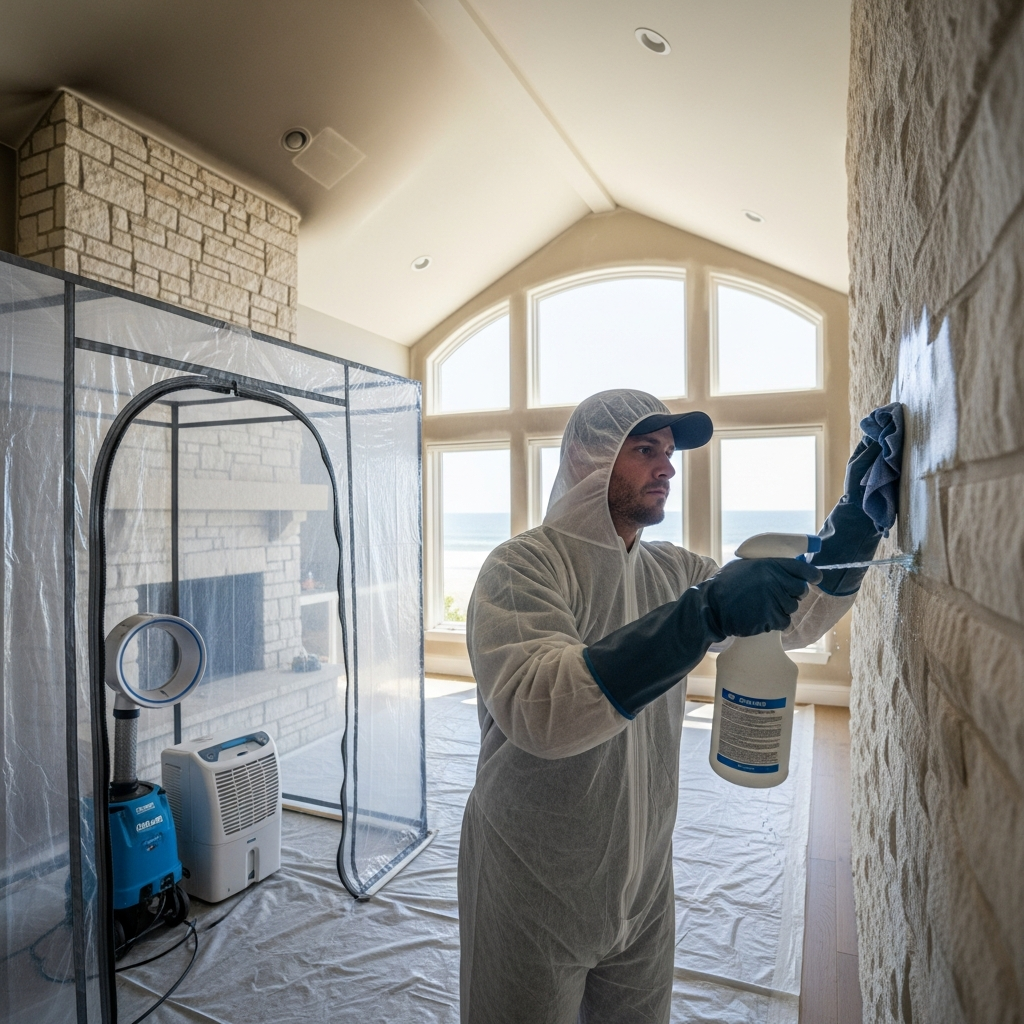
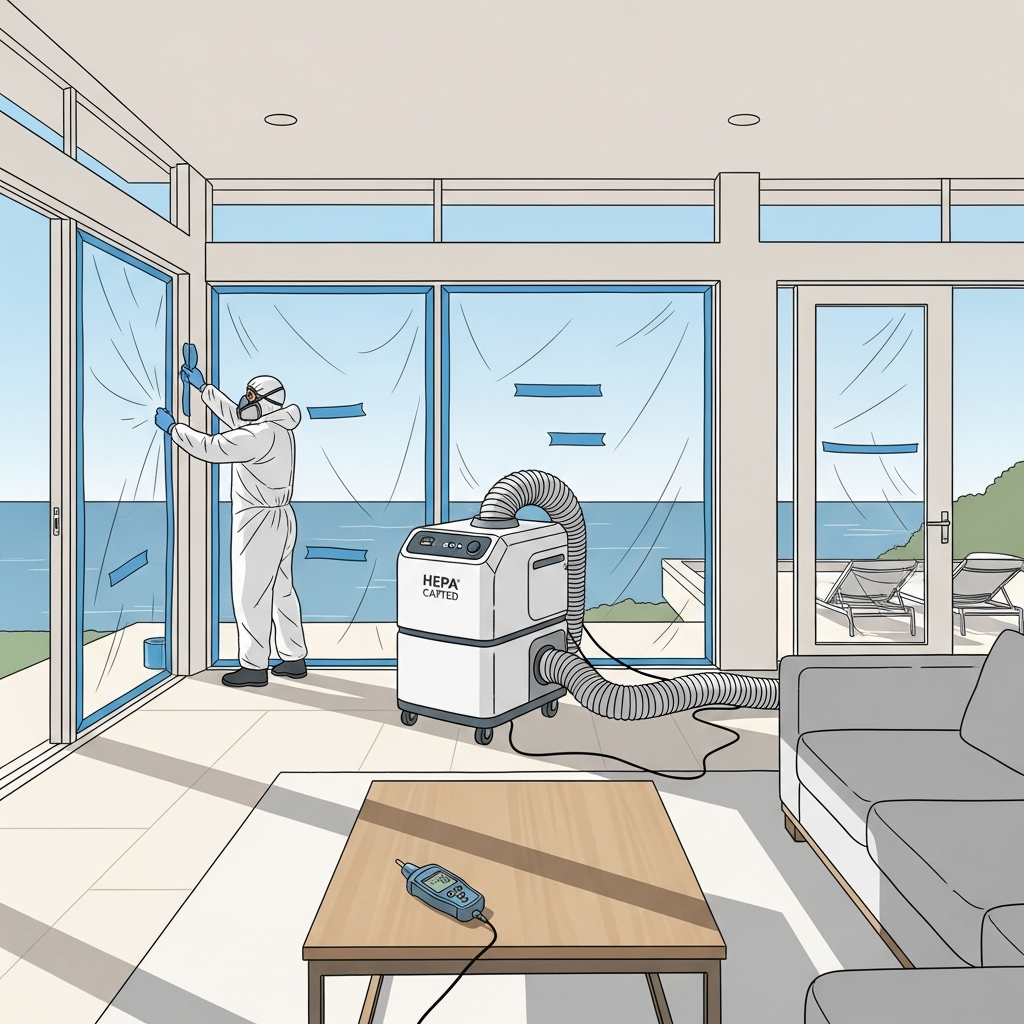
After a fire, indoor air rarely “clears on its own.” Minute particles remain suspended and settle in waves, disturbed by foot traffic or the HVAC system. The importance of high-efficiency air filtration cannot be overstated. Teams deploy negative air machines with HEPA filters to pull contaminants out of circulation and activated carbon to capture the odor molecules that a standard filter misses. Simultaneously, they clean top to bottom in a controlled pattern, removing residues without smearing them deeper into surfaces. The combination of containment, filtration, and methodical cleaning is what restores safe breathing conditions—a baseline for everything that follows.
Stabilizing the Structure to Prevent Secondary Damage
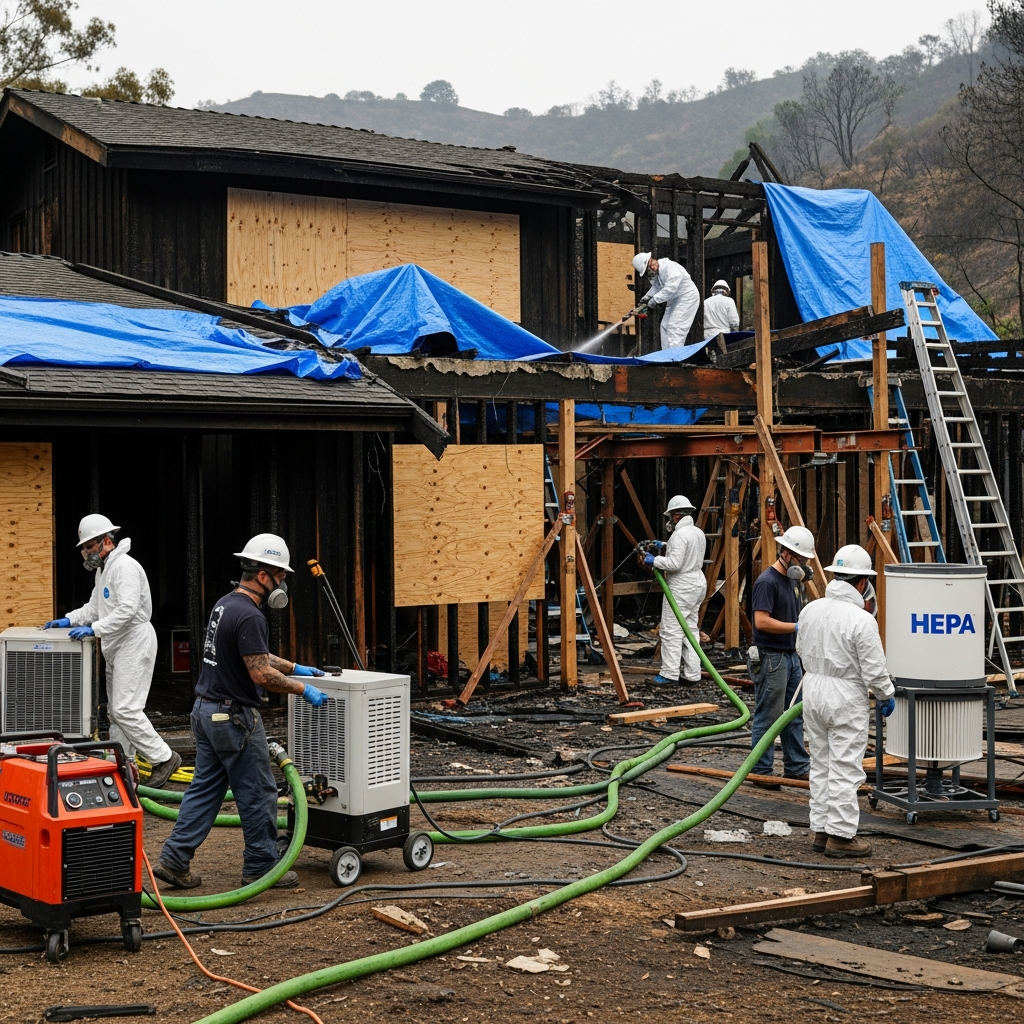
Structural stabilization begins as soon as the site is safe. Roof tarps, board-ups, and temporary shoring mitigate the elements, especially important in Malibu where overnight marine layers introduce moisture even in dry months. Controlled demolition takes out only what is beyond salvage, exposing cavities to warm, dry air while dehumidifiers draw moisture from framing and subfloors. Thermal imaging and moisture meters guide this process with data rather than guesses. The importance here is cumulative: every day of effective drying shortens the overall recovery time and preserves more of the home’s original fabric.
Why Smoke Chemistry Demands Professional Techniques
Not all smoke is the same. Protein residues from kitchen incidents cling to surfaces with a transparent, stubborn film that resists standard cleaners. Plastics and synthetics produce oily soot that smears easily. Natural wood smoke from nearby brush settles differently, often into porous materials where it can re-emerge on a warm afternoon. Professional techniques match the residue to the right cleaning chemistry and the right mechanical action. That alignment—acidic residues with alkaline cleaners, delicate finishes with low-abrasion methods—prevents irreversible damage and helps ensure that once odor is gone, it does not creep back.
Safeguarding HVAC Systems and Ventilation Paths
One of the most underappreciated priorities is the HVAC system. As soon as a unit cycles after a smoke event, it can spread contamination throughout the home. Restoration includes shutting down systems until inspection, replacing filters with high-efficiency media, and performing negative-pressure cleaning of ducts to remove soot without redistributing it. In coastal homes that rely on open windows and cross-breezes, teams also consider how natural ventilation patterns might be introducing outdoor particulates into newly cleaned spaces and adjust containment accordingly.
Saving What Matters Most: Contents and Keepsakes
Malibu homes are deeply personal. From surf trophies and framed shoreline photographs to heirloom quilts and the guitar that’s made an appearance at every beach bonfire, the items inside a house are part of the story. Content specialists move fast to stabilize textiles, electronics, and documents. Techniques such as ultrasonic cleaning, delicate fabric washing with deodorization, and controlled environment drying bring surprising results. The importance of this phase extends beyond salvage value; it provides emotional anchors that make the rest of the recovery feel achievable.
Documentation That Clarifies Insurance and Planning
Clear, comprehensive documentation is the thread that ties the entire response together. Photo logs, inventory sheets, moisture readings, and daily progress notes become the foundation for transparent conversations with insurers, adjusters, and, if needed, building officials. When the record is detailed and coherent, approvals move more quickly, scope debates shrink, and reconstruction planning can begin even as mitigation continues. For homeowners who may be traveling or living off-site during repairs, this record becomes a lifeline—a way to stay informed without being physically present every day.
Local Knowledge: Building Codes, Materials, and Microclimates
Every region carries its own set of building practices and environmental realities. In Malibu, coastal exposures, hillside lots, and the wildland-urban interface set the tone. Local experience helps teams anticipate how salt air may interact with metal fixtures after smoke, how certain stuccos respond to alkaline cleaners, or how a canyon’s typical wind pattern might drive smoke re-entry during the afternoon. This know-how translates to smarter planning and fewer surprises as mitigation gives way to repairs and upgrades aimed at resilience.
Midway through any project, homeowners often ask if they should switch from mitigation specialists to general building contractors. The answer is that these phases complement each other but are not interchangeable. The science, equipment, and protocols of professional fire damage restoration are unique. Handing off too early can leave moisture in hidden cavities, residues inside ductwork, or unresolved odor that resurfaces later, complicating finished work. Staying the course through final clearance ensures the structure is genuinely ready for reconstruction and finishing.
Environmental Responsibility in a Coastal Watershed
Caring for our environment is part of caring for our homes. Responsible restoration manages wastewater from cleaning, selects products mindful of sensitive finishes and watersheds, and recycles debris whenever possible. In a place where a morning surf and an evening hike are part of daily life, these choices align with community values and protect the resources that make Malibu special.
Minimizing Disruption and Preserving Privacy
Life goes on even during restoration. Thoughtful scheduling, quiet equipment where possible, and well-marked, contained work zones help families continue school routines, remote work, and neighborhood life. Malibu’s neighborhoods are tight-knit; maintaining privacy and discretion also matters. Professionals know how to balance visibility for safety with sensitivity to the household’s day-to-day flow.
Resilience: Building Back Stronger
One of the most compelling reasons restoration matters is the chance to harden the home against future threats. When walls are open and systems are being evaluated, it is the ideal moment to address ember intrusion points, consider ember-resistant vents, seal utility penetrations, and evaluate attic ventilation strategies that can reduce ember entry. The result is a home that is not only restored but also better prepared for the next red flag day.
Community, Continuity, and Peace of Mind
Perhaps the deepest importance of timely, expert restoration is intangible: peace of mind. Watching air quality improve, seeing rooms return to order, and experiencing the gradual disappearance of that telltale smoke odor restores a sense of safety. It signals that life is returning to its familiar rhythm—the sound of waves at night, neighbors walking dogs at dawn, and the quiet hum of normalcy that makes this stretch of coastline feel like home.
Frequently Asked Questions
How long does the initial mitigation phase usually take?
It varies with the extent of damage, but many homes see the most critical stabilization—board-ups, drying, and air filtration—within the first few days. Complete cleaning, deodorization, and clearance testing can take longer, especially if there are complex contents or structural issues to address.
Can I clean smoke residues myself?
Light surface dusting is fine, but deeper residues require matched chemistries and methods to avoid smearing or setting stains. DIY efforts often drive contaminants deeper into porous materials. A professional assessment ensures the right approach from the outset and protects finishes you want to preserve.
What should I do with HVAC filters after a smoke event?
Turn off the system until it has been inspected. Replace filters with high-efficiency media during restoration and again after duct cleaning. Running a system on a smoke-saturated filter can redistribute contaminants throughout the home.
Will smoke odor ever fully go away?
Yes, when source materials are removed or cleaned, surfaces are treated correctly, and advanced deodorization is applied, odor can be eliminated. Verification includes both instrument readings and practical checks to confirm that odors don’t reappear with heat or humidity.
How does restoration work with my insurance company?
Restoration teams document conditions with photos, moisture maps, and inventories. These records, along with detailed estimates and progress notes, provide the basis for clear communication with adjusters and help move the claim forward efficiently.
Can restoration improve my home beyond its pre-fire state?
Absolutely. Many homeowners take the opportunity to upgrade ventilation, seal gaps that admit embers, and select materials with better fire and smoke resistance. These enhancements can be integrated with the rebuild plan to create a stronger, more resilient home.
If you are facing the aftermath of a fire and want a steady, knowledgeable partner for every step, reach out to local specialists who understand Malibu’s homes, climate, and community. Begin your path back to clean air, safe rooms, and restored peace by connecting with experts in Malibu fire damage restoration who can guide you from first assessment to final walkthrough.