Walk a Malibu street after a fire and you can see both fragility and resilience in the same frame: blackened hills that will green again, homes draped in protective sheeting, and neighbors trading updates on progress. Behind the visible work is a wave of innovation changing how recovery happens. The landscape itself drives much of this change—coastal humidity, salt air, canyons that funnel wind, and architectural diversity from mid-century classics to glass-wrapped contemporaries. Together they create conditions where new tools and techniques can make a measurable difference. For homeowners and property managers, understanding the emerging trends in fire damage restoration in Malibu is a way to choose smarter, act faster, and end up with cleaner, healthier spaces.
Innovation in restoration is not about novelty for its own sake. It is about solving recurring problems better: finding hidden moisture without tearing up a floor, neutralizing odor without evacuating a family, or documenting a complex claim so it moves without friction. Malibu’s climate and construction styles make it a test ground where approaches prove their worth under demanding conditions. The trends below reflect what is working on the ground and where the field is headed next.
Data-Driven Assessment: Seeing What Eyes Cannot
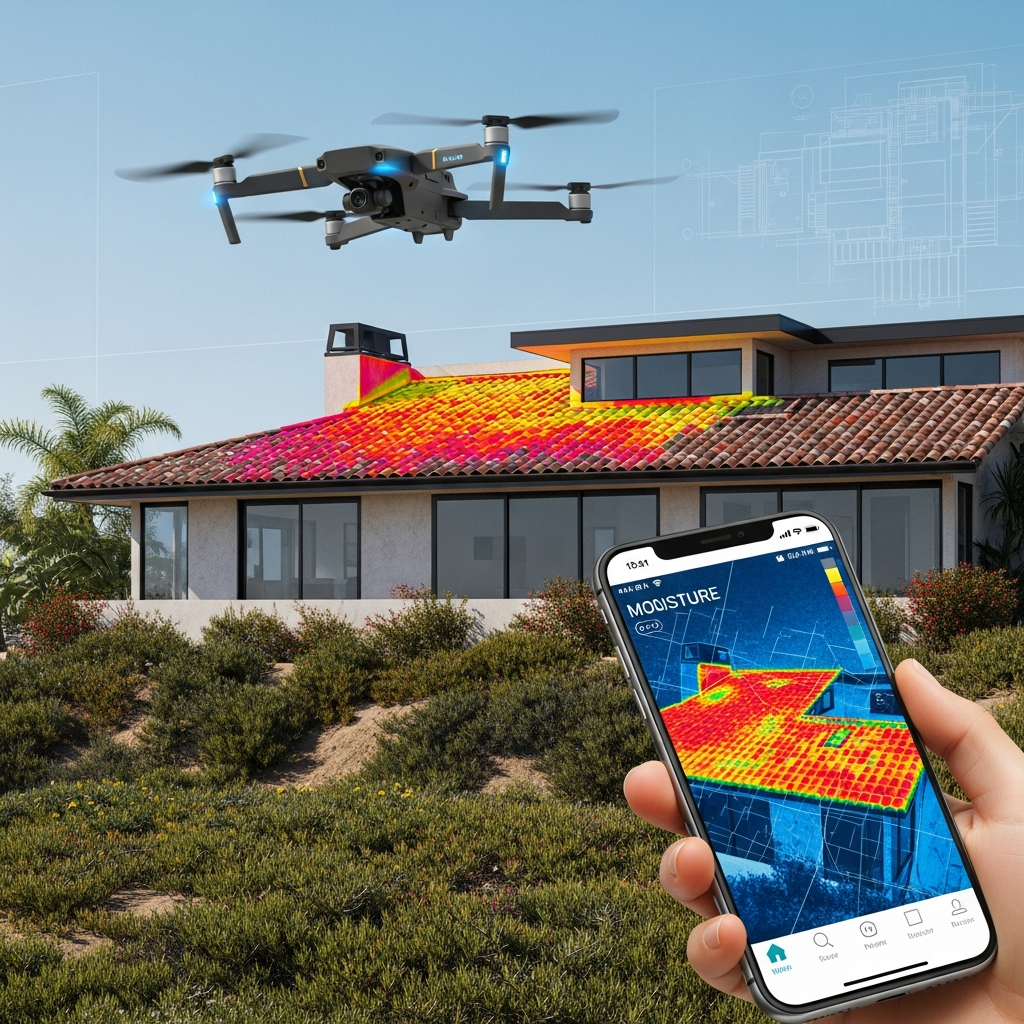
Thermal imaging and advanced moisture mapping have become standard, but the precision is improving. Newer cameras read subtler temperature deltas, distinguishing a cool shadow from concealed dampness. In a Malibu home with radiant heat floors or sun-warmed glazing, that accuracy matters. Combined with Bluetooth-enabled moisture meters and cloud-based logging, teams now build living maps of a structure’s drying progress. This shift from clipboards to dashboards means decisions hinge on data rather than intuition, shortening timelines and preserving materials by avoiding unnecessary demolition.
Acoustic and microwave moisture sensors are also emerging, offering noninvasive reads behind dense materials like stone and tile—finishes common in coastal properties. Being able to confirm dryness without pulling up a slab or removing a backsplash respects both budget and design intent. It also suits Malibu’s architectural character, where minimal disruption is more than a convenience; it is part of preserving a home’s soul.
Cleaner Air, Smarter Controls
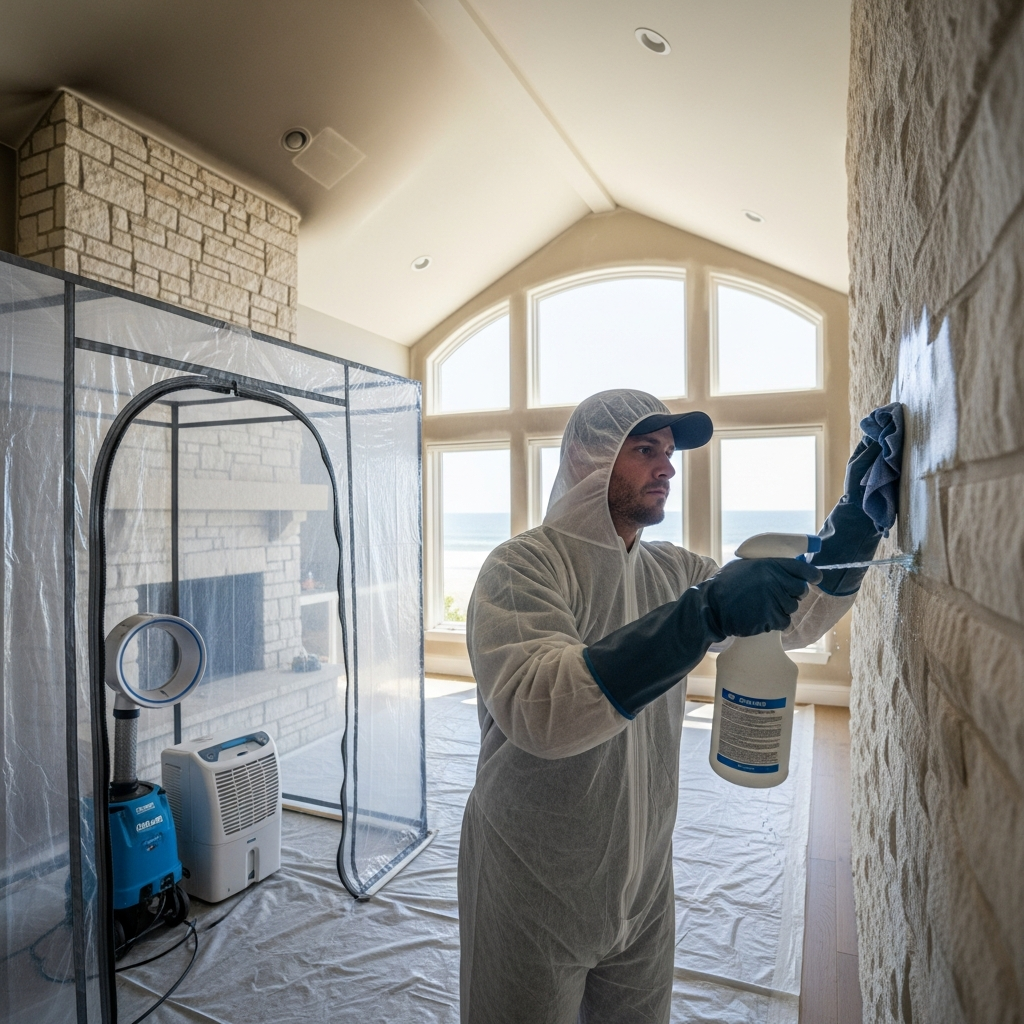
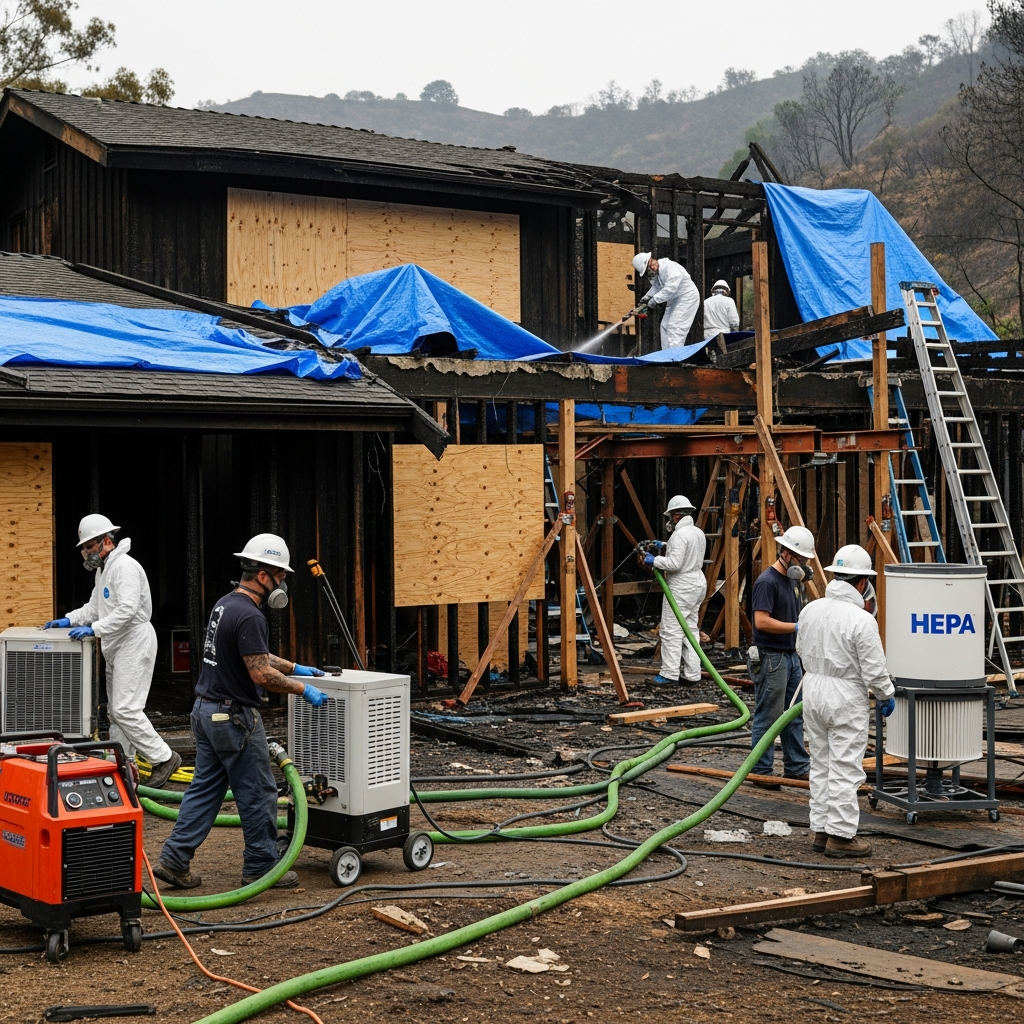
Air quality control has moved beyond basic negative pressure and HEPA scrubbing. Portable sensors allow crews to track particulate levels room by room in real time, making containment adjustments on the fly. For families living in part of the home during restoration, these insights offer reassurance and inform daily routines—when to close doors, when to step out, and when areas are safe to reoccupy. Malibu’s fluctuating outdoor conditions, from foggy mornings to windy afternoons, make responsive air management especially valuable.
Hydroxyl generators have gained favor for deodorization because they neutralize odors without the evacuation requirements of some alternatives. In carefully designed setups, they can run while crews clean, shortening project length. Where conditions call for it, hybrid strategies pair hydroxyl with localized sealing of charred framing, and selective use of other technologies in unoccupied zones. The trend is away from blanket treatments and toward tailored combinations that fit the chemistry of the loss and the lifestyle of the occupants.
Eco-Conscious Cleaning And Encapsulation
Malibu’s proximity to the ocean and the community’s environmental values encourage greener restoration. Citrus-based solvents, plant-derived surfactants, and low-VOC encapsulants now offer performance that rivals traditional chemistries with fewer indoor air impacts. In practice, crews test products on-site to match residue type and surface sensitivity. Protein smoke in a chef’s kitchen needs a different approach than soot from a garage fire. The emerging best practice is nuanced selection—a toolkit of agents used sparingly and specifically, rather than one-size-fits-all cleaning.
Encapsulants have improved as well. These coatings lock in microscopic residues on framing where full removal is impractical. New formulas maintain breathability, allowing assemblies to continue drying, and they resist yellowing under Malibu’s abundant sunlight. When paired with source removal and proper cleaning, encapsulation becomes a finishing move that ensures odors do not reappear during the first warm spell of spring.
Contents Care: From Triage To Technology
Contents restoration is undergoing a quiet revolution. Cataloging once meant sticky notes and spreadsheets; now it is mobile apps that photograph, tag, and track items from the moment they are packed out. For Malibu homes with extensive libraries, art collections, or specialty gear for surfing, music, or film work, that precision protects value and reduces disputes. Ultrasonic cleaning stations and esophageal soot sponges remain staples, but they are integrated into a workflow that documents condition, method, and results with timestamps and images.
For textiles, advanced ozone cabinets and hydroxyl rooms offer targeted odor treatment without overexposing delicate fibers. Freeze-drying techniques, adapted from document recovery, can sometimes stabilize waterlogged books or papers, buying time for careful restoration. Even the way items are stored during the project has improved—climate-controlled vaults and breathable wraps prevent recontamination and moisture swings, critical in a coastal environment.
Drones, Roofs, And Hard-To-Reach Spaces
Access is a persistent Malibu challenge. Steep lots, cantilevered decks, and custom skylights make roof inspection risky. Drone surveys reduce that risk, capturing high-resolution imagery and thermal scans that identify compromised areas without foot traffic. That means faster, safer assessments and cleaner documentation for insurers, who appreciate clear visuals when approving repairs. For homes perched above canyon edges, drones are sometimes the only practical way to evaluate cladding and soffits after ember attacks.
Inside, boroscopes and flexible cameras explore chases, under-tub cavities, and custom built-ins where smoke migrates. Seeing these paths helps crews set accurate containment and cleaning plans, which in turn reduces surprises mid-project. The overarching trend is precision—know exactly what is affected, then act with intent.
Resilient Materials And Smarter Rebuilds
Restoration increasingly flows into resilience. When repairs start, Malibu homeowners are choosing Class A roofing, ember-resistant vents, tempered glazing, and ignition-resistant decking that harmonize with coastal design. Fire-retardant-treated lumber and mineral wool insulation appear more often behind the scenes. These choices do not eliminate risk, but they change how a home performs during future events, buying critical minutes and simplifying cleanup if smoke intrudes again.
Sealants and gaskets around window and door assemblies have also improved, limiting smoke infiltration routes. In oceanfront homes, materials that tolerate both salt and soot reduce corrosion cycles. The idea is to rebuild not just to previous condition but to a smarter standard tuned to Malibu’s realities.
Workflow Transparency And Homeowner Engagement
Another trend is how information is shared. Cloud-based portals let homeowners view schedules, photos, and daily notes. This visibility lowers anxiety and speeds decisions—picking finishes, approving change orders, or prioritizing which rooms to return to service first. In a community where many residents travel or split time between homes, remote oversight is more than a courtesy; it is a necessity. That convenience aligns with a broader shift toward collaboration, where homeowners and restorers make choices together based on shared data.
Mid-project evaluations have become common checkpoints. Rather than waiting for final walkthroughs to debate results, teams pause to assess odor, cleanliness, and drying goals earlier. If something is not tracking as expected, adjustments happen when they have the most impact. For Malibu homes with intricate custom work, this iterative approach respects craftsmanship while keeping momentum.
Preparedness As Part Of Restoration
Perhaps the most forward-looking trend is blending restoration with preparedness. After a loss, crews now offer guidance on defensible space landscaping, ember-resistant maintenance, and filtration strategies for smoky days. Simple changes—screening vents properly, clearing roof valleys where debris collects, maintaining gutter guards—pay outsized dividends. This advisory role recognizes that the relationship does not end when the last air mover leaves. It continues as a partnership that helps homeowners live more confidently in a beautiful but demanding environment.
Innovation also shows up in community coordination. Neighborhood groups share vendor recommendations, staging areas, and traffic plans after major events. Restorers plugged into these networks move faster and disturb less, an efficiency that matters on narrow canyon roads and shared driveways. If you are midway through a recovery or just starting to explore options, tapping into a team experienced with fire damage restoration in Malibu puts these advances to work in ways that fit your property and priorities.
What To Expect Next
Looking ahead, expect more sensors, smarter analytics, and materials that play defense. AI-assisted photo review may soon flag overlooked smoke migration in image sets, while digital twins of homes could let teams simulate airflow and odor treatment before equipment ever arrives. At the material level, coatings that repel soot or neutralize acidic residues may reduce cleaning burdens. None of this replaces skilled hands and local judgment; it augments them, which is good news for Malibu, where conditions require both.
FAQ
Q: Are new deodorization technologies safe for families and pets? A: Many, including hydroxyl treatment, are designed for occupied spaces when used correctly. A site-specific plan ensures safety and effectiveness based on the extent and type of smoke damage.
Q: Can drones really help with insurance? A: Yes. Clear aerial images and thermal scans document roof and exterior damage convincingly, often speeding approvals and aligning estimates with reality.
Q: Do eco-friendly cleaners actually work? A: Modern formulations can be highly effective when matched to the right residue and surface. Professional crews test and choose products to balance performance and indoor air quality.
Q: How does moisture mapping save time? A: By revealing exactly where water remains, teams target drying and avoid unnecessary demolition, which shortens projects and preserves finishes common in Malibu homes.
Q: What resilience upgrades make the biggest difference? A: Ember-resistant vents, Class A roofing, tempered glazing, and ignition-resistant decking are impactful. Behind the walls, mineral wool insulation and fire-retardant-treated lumber add passive protection.
Restoration is about returning home, but the best projects do more—they prepare you for tomorrow. If you want those benefits and innovations working for you now, connect with specialists in fire damage restoration in Malibu and move forward with clarity and confidence.