On clear mornings in Malibu, the light drapes over the Santa Monica Mountains and the Pacific with the kind of softness that makes you forget how quickly this landscape can turn harsh. Yet anyone who has lived through a red flag warning understands the stakes. When fire visits a home here, the aftermath can feel overwhelming: smoke woven into every fabric, ash nested in impossible seams, and water hidden in the bones of the building. Amid the shock, there is one truth that local experience teaches over and over again: the reason fire damage restoration in Malibu matters most is because time and expertise change outcomes. Not just outcomes on paper, but the way a space feels, the way it supports daily life, and how confidently you can move forward.
In Malibu, fire rarely travels alone. It brings wind, embers, and a cocktail of residues from both natural and synthetic materials. The immediate danger passes with the last flame, but the secondary damage starts a clock. Within hours, soot begins to etch glass and tarnish metals. Within days, moisture from firefighting finds its way into cavities that never see daylight, setting the stage for mold, a risk amplified by our coastal humidity. Restoration is not a single task; it is a choreography of assessments, controls, cleaning, drying, deodorization, and documentation, all tuned to the physics and chemistry unleashed by the fire.
Health And Safety: The First Priority
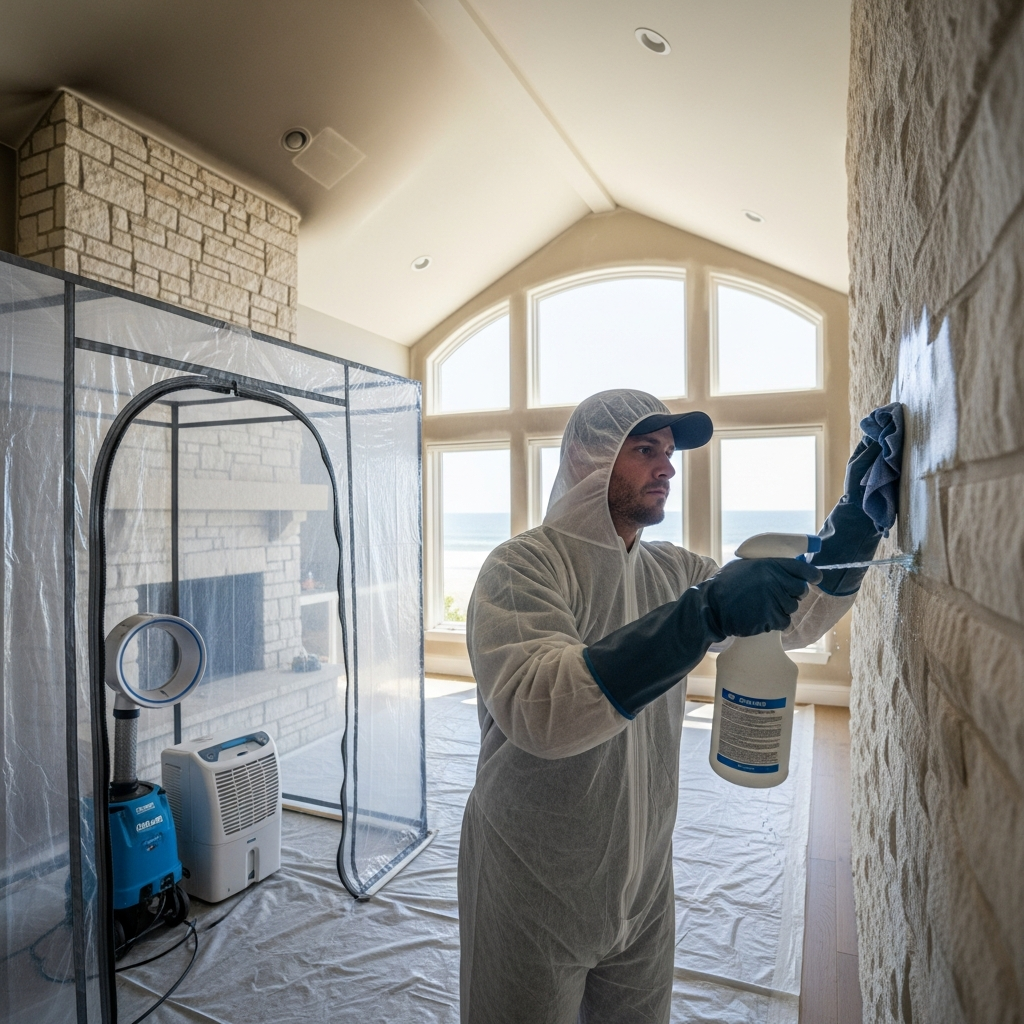
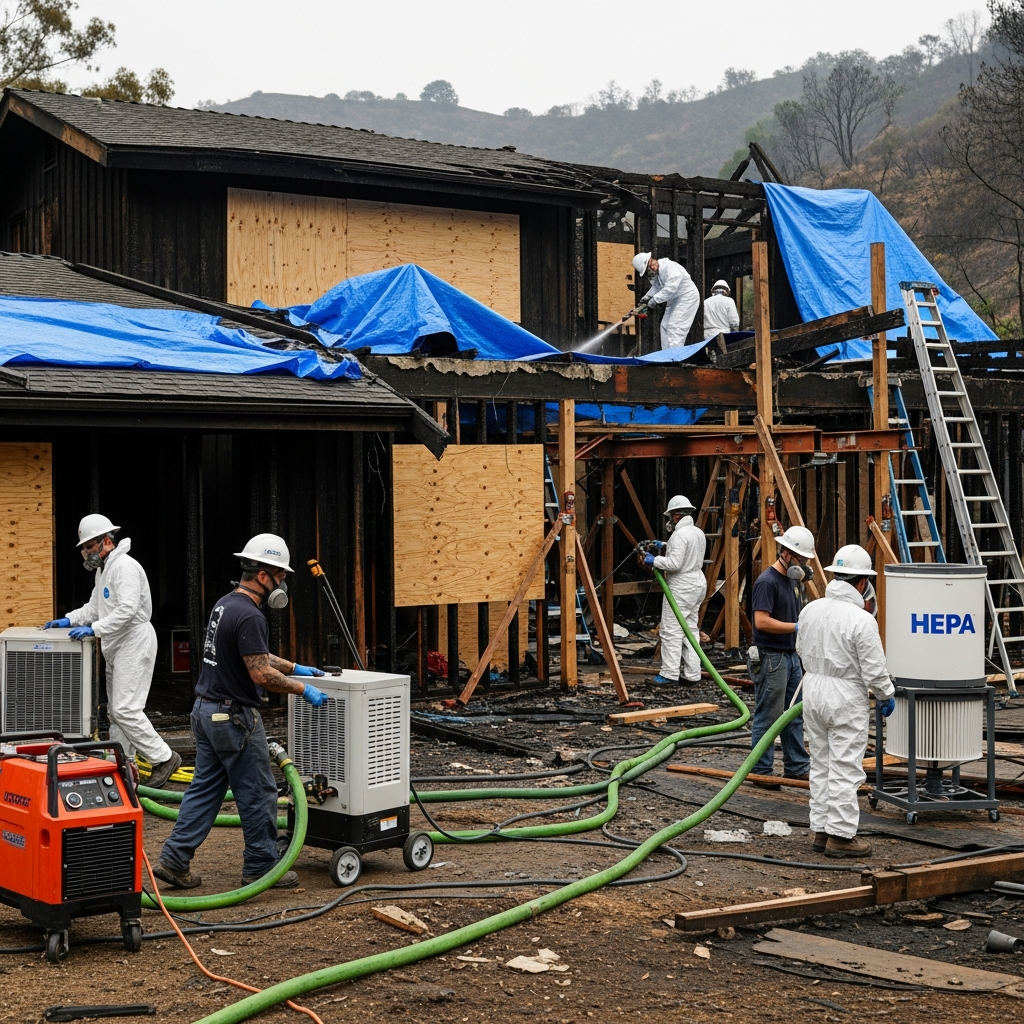
Post-fire environments are complex. Air may look clear and still carry particulate loads far above healthy baselines. Odors suggest lingering volatile compounds. Surfaces that seem clean can harbor thin films of acidic soot, especially in rooms distant from the visible burn. Local homes, with their open plans and large glazing facing the ocean, allow smoke to travel quickly and settle in unexpected places. Professional teams set containment to prevent cross-contamination, bring in HEPA filtration to scrub the air, and use personal protective equipment so that necessary work does not add to health risks.
It is worth underscoring that not all smoke is created equal. Protein fires, often from kitchen incidents, leave nearly invisible residues with pungent odor that resist ordinary cleaning. Plastics and electronics introduce different chemistries that corrode sensitive components. Malibu’s mix of contemporary architecture and eclectic furnishings means a wide range of materials in one home, each requiring a tailored approach. This is where specialized restoration earns its name—choosing the right process for each surface is a safety measure as much as a cosmetic one.
Moisture, Mold, And The Coastal Factor
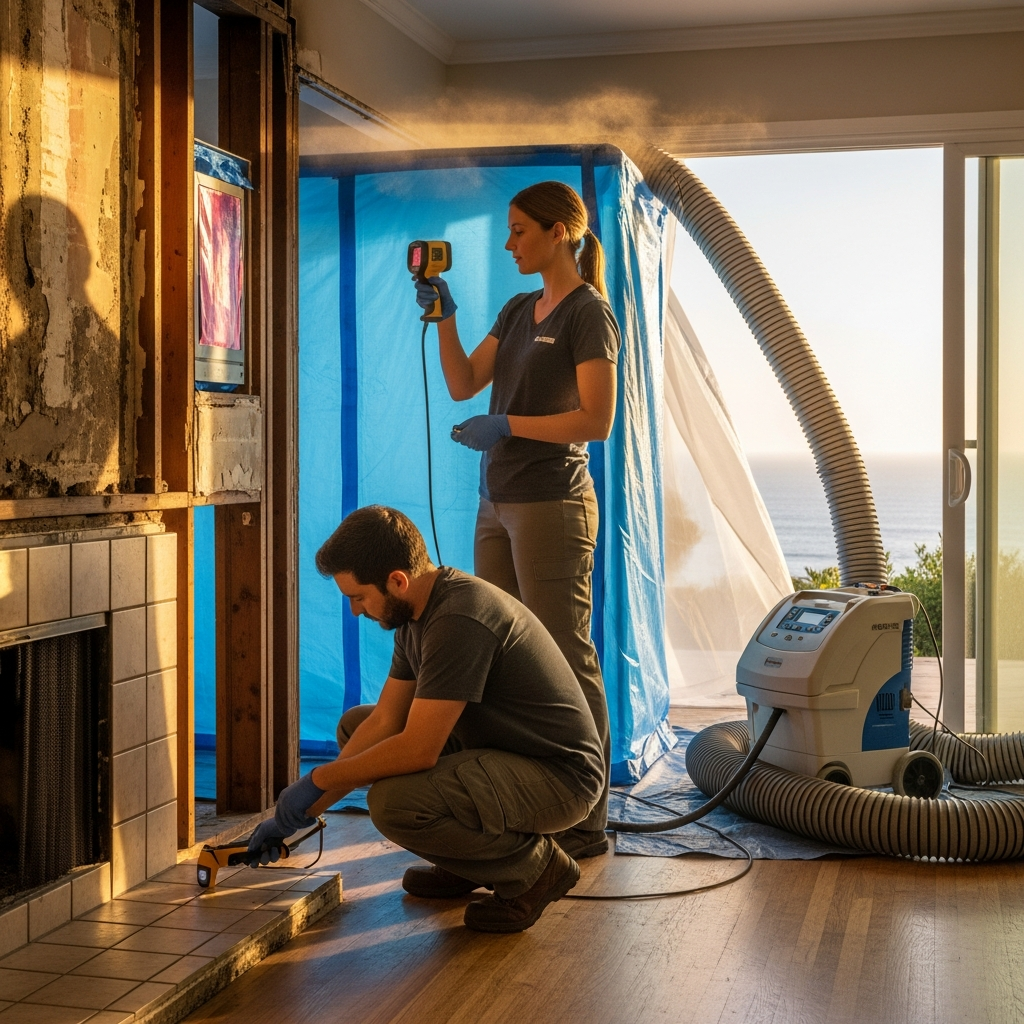
Firefighting water is a paradox. It saves the structure and then quietly threatens it. In our climate, cool nights and marine layers keep ambient humidity from dropping as low as inland communities enjoy. That means moisture trapped in framing, subfloors, and insulation dries more slowly unless coaxed out with professional equipment and monitoring. Thermal imaging helps find hidden pockets, and moisture meters translate guesses into data. A deliberate drying plan about airflow, dehumidification, and temperature control is how restoration keeps a necessary ally—water—from becoming a new foe—mold.
There is also the salt air. Soot plus salt accelerates corrosion on metals, from fixtures to window frames, and even within electrical systems. Early cleaning and neutralization slow that process, preserving both function and finish. This is one reason why Malibu homes that engage restoration immediately often see better results with appliances, hardware, and delicate electronics. Addressing this chemistry quickly is not a luxury; it is the difference between salvage and replacement.
Saving The Story Of The Home
Every home in Malibu carries a story. Some are mid-century gems tucked above the PCH with original details, others are newly built sanctuaries with artisanal stone and custom millwork. The question after a fire is always, what can we save? Restoration done well approaches that question with optimism and discipline. Careful pack-out and contents cleaning can rescue textiles, art, books, and sentimental items. Gentle dry-cleaning sponges lift soot without pushing it into pores. Ultrasonic baths restore kitchenware and hardware. Hydroxyl treatment or controlled ozone in safe conditions breaks down odor molecules. These are not improvised fixes; they are proven methods that protect the narrative of a place.
There is also a psychological dimension to saving contents. When a child’s stuffed animal, a family photo album, or a musician’s instrument survives, it restores a sense of continuity that is hard to measure yet profoundly felt. Restoration matters because it gives people back pieces of their life, not just square footage.
Insurance, Documentation, And A Clear Roadmap
Insurance can feel like a second language, especially when you are tired and worried. Local restoration professionals speak it fluently. They document with photographs, moisture logs, and inventories, and communicate in formats adjusters recognize. That fluency translates to fewer delays and a smoother path toward approvals for cleaning, drying, and rebuilds. In Malibu, where design considerations and neighborhood standards can influence material choices, a clear scope of work supported by data helps everyone align on the plan.
Documentation also becomes a long-term asset. A well-organized record of what was cleaned, what was removed, and why certain methods were used provides assurance later—during home sales, refinances, or future maintenance. It proves diligence and gives future professionals a window into the home’s past, which is invaluable in complex properties.
Odor Control And Air Quality That Truly Feels Clean
Residents often say that what keeps them up at night after a fire is not the visual mess but the smell that lingers. Malibu’s weather can play tricks here; a morning that smells fine can turn into an afternoon with a whisper of smoke as temperatures rise and residues off-gas. Effective deodorization starts with removing charred materials and visible soot, then continues with deep cleaning of surfaces, ductwork evaluation, and strategic use of odor-neutralizing technology. The goal is never to mask; it is to eliminate at the source and stabilize the environment so odors do not return with the next warm spell.
Air quality is equally tangible. HEPA filtration during work protects crews and residents, while post-project recommendations for filtration upgrades help homes stay resilient through wildfire seasons. For families with asthma, allergies, or sensitive immune systems, that attention to air carries weight long after the project ends.
Local Knowledge: Access, Terrain, And Teamwork
Malibu is not a grid of identical streets. It is a string of neighborhoods braided through canyons and along the shore, a place where a single lane can make access a puzzle. Experienced restoration teams understand staging in tight driveways, protecting finishes in oceanfront homes, and sequencing work so that neighbors are respected and timelines are realistic. They also know the rhythm of local permitting and the importance of choosing fire-resistant materials during repairs, aligning with regional best practices without sacrificing aesthetics.
Midway through a project, when fatigue sets in, that local fluency keeps momentum. Knowing which vendors understand coastal conditions, how to handle salt and soot interactions on modern window systems, and how to plan for seasonal winds makes the process smoother. It is another reason to work with specialists grounded in Malibu rather than generalists unfamiliar with its nuances. If you reach a point where decisions feel heavy, it can help to revisit your goals and speak with a team focused on fire damage restoration in Malibu who can recalibrate the plan around what matters most to you.
Why Speed Without Shortcuts Wins
There is an art to moving quickly without creating new problems. Tearing out too much can inflate timelines and erase salvageable history. Doing too little leaves hazards behind. The best restorers bring a measured speed—swift stabilization and data-driven choices, paired with patience for drying and careful deodorization. In Malibu, where many homes feature high-end finishes, that balance protects value as much as safety.
Speed also extends to communication. Daily updates, transparent moisture readings, and clear expectations help homeowners plan life around the work. When everyone knows what tomorrow brings, stress eases and cooperation increases, which is its own kind of progress.
FAQ
Q: What should I do first after a fire? A: Ensure safety, contact authorities, and once cleared, reach out to a professional restoration team for stabilization and assessment. Early action prevents corrosion, mold, and deeper odor penetration.
Q: Will the smoke smell ever fully go away? A: Yes, when source materials are removed and surfaces are cleaned and treated properly. Advanced deodorization, combined with sealing where needed, achieves lasting results.
Q: How long does drying take? A: It varies by extent of water intrusion, materials, and Malibu’s ambient humidity. With proper equipment and monitoring, many structures dry within days to a couple of weeks.
Q: Can electronics be saved? A: Sometimes. Rapid, careful cleaning and evaluation are crucial, especially given the corrosive effects of soot plus salt. Specialists can advise on viability and safety.
Q: Do I have to move out? A: Not always. Depending on the scope and methods used—such as hydroxyl generators compatible with occupancy—portions of a home may remain livable. A site-specific plan will prioritize comfort and safety.
When you are ready to protect your home, your health, and your routines, partner with experts who know this coastline and the science of recovery. Start a conversation today about fire damage restoration in Malibu and take a confident step toward a clean, safe, and welcoming home once again.