On any given morning in Malibu, the marine layer drifts across canyon ridges, the Pacific glints below, and life carries a rhythm defined by coastal calm and hillside views. Yet anyone who has lived here through a dry fall or a sudden Santa Ana event understands how quickly that calm can shift. When a fire strikes, whether from a wind-driven ember or a small kitchen flare-up that gets out of hand, the aftermath touches far more than what the eye can see. The most important decision in those first hours and days is how to address the complex mix of smoke, heat, water from suppression efforts, and structural stress that a home endures. That is where professional fire damage restoration in Malibu proves its value—quietly, methodically, and with a local understanding of the climate, building styles, and community priorities that define our coastline.
From the outside, a property can appear intact, yet the real story hides inside walls, under floors, and deep within the ventilation network. Soot’s fine particles behave like a gas, seeping through hairline gaps, migrating into closed closets and sealed attics, and reacting with moisture and salt air to etch or stain finishes. Water used to fight the fire can pool in cavities, wick up drywall, and feed mold in as little as 24 to 48 hours. A comprehensive restoration effort addresses these overlapping risks in a coordinated sequence that emphasizes safety, stabilization, and long-term health—of both the structure and the people who live there.
Understanding the Malibu Context
Malibu’s unique geography and climate are essential to understanding why targeted restoration brings outsized benefits. Homes here often combine open floor plans, skylights, and large spans of glass with hillside foundations and coastal breezes that are a gift nine months of the year and a challenge during red flag conditions. Construction ranges from classic ranch styles to modern steel-and-glass retreats, with specialty finishes and custom millwork that require very specific cleaning and deodorization techniques. A local team that understands how ocean humidity interacts with soot, or how canyon winds can push smoke through vented soffits, makes critical early decisions that determine how much can be saved and how quickly normalcy can return.
Immediate Safety and Health Protections
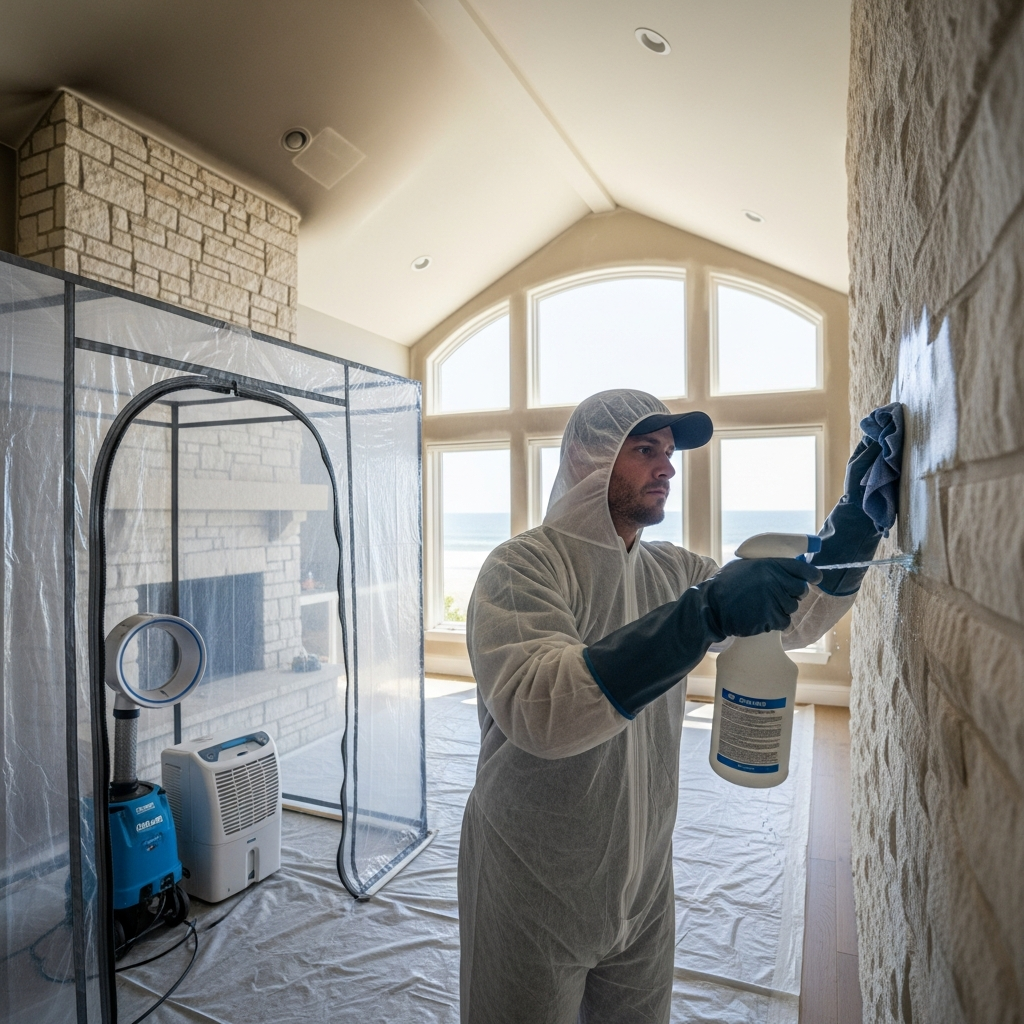
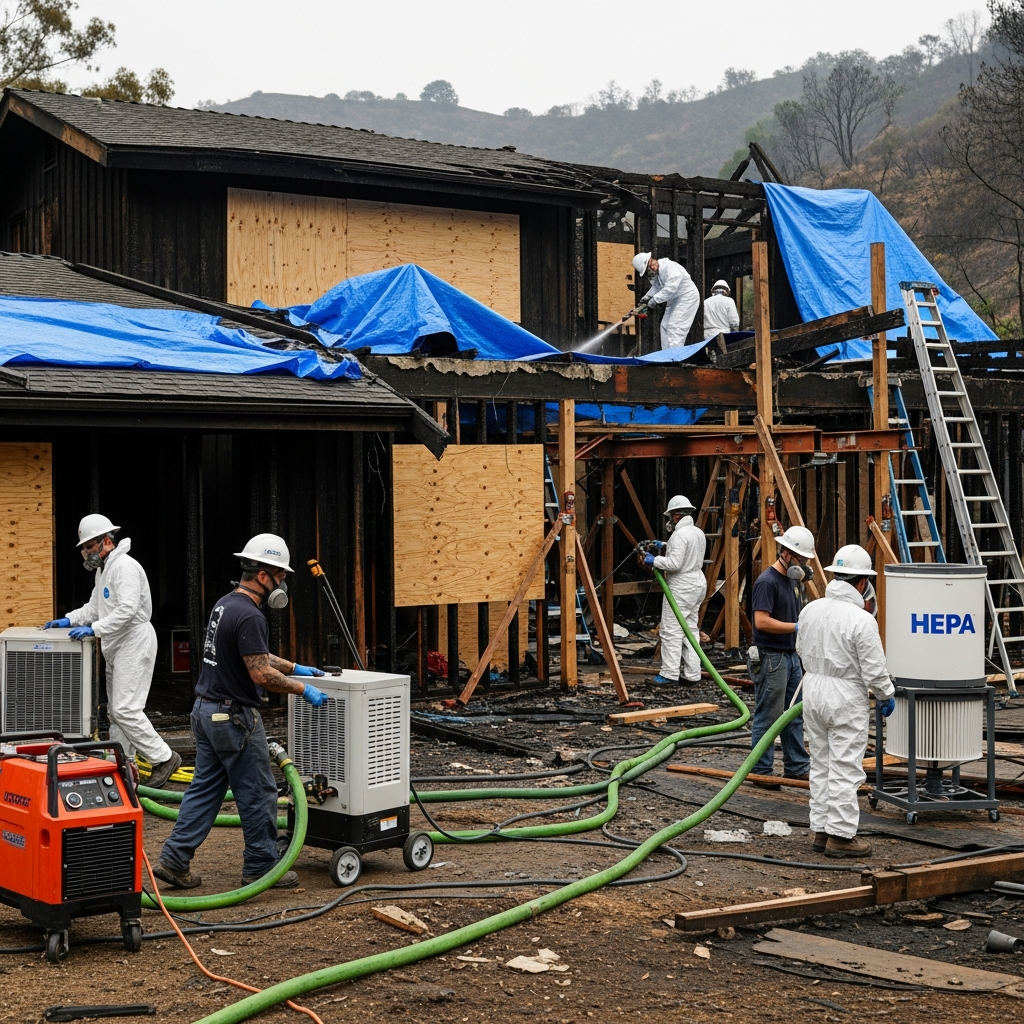
The first benefit of a professional response is safety. After a fire, air can contain a cocktail of irritants and carcinogens, from polycyclic aromatic hydrocarbons to microscopic ash. Even a light smoke event leaves behind residues that aggravate asthma and affect indoor air quality for months if not addressed. Trained teams install air scrubbers with HEPA and activated carbon filtration to capture particulates and odor molecules, isolate affected areas with containment barriers, and monitor air changes per hour to steadily restore breathable conditions. They also evaluate hazards like energized circuits near wet materials, compromised stair stringers, and weakened roof sheathing, taking stabilization measures before any contents or finishes are disturbed.
Stabilization That Preserves What Matters
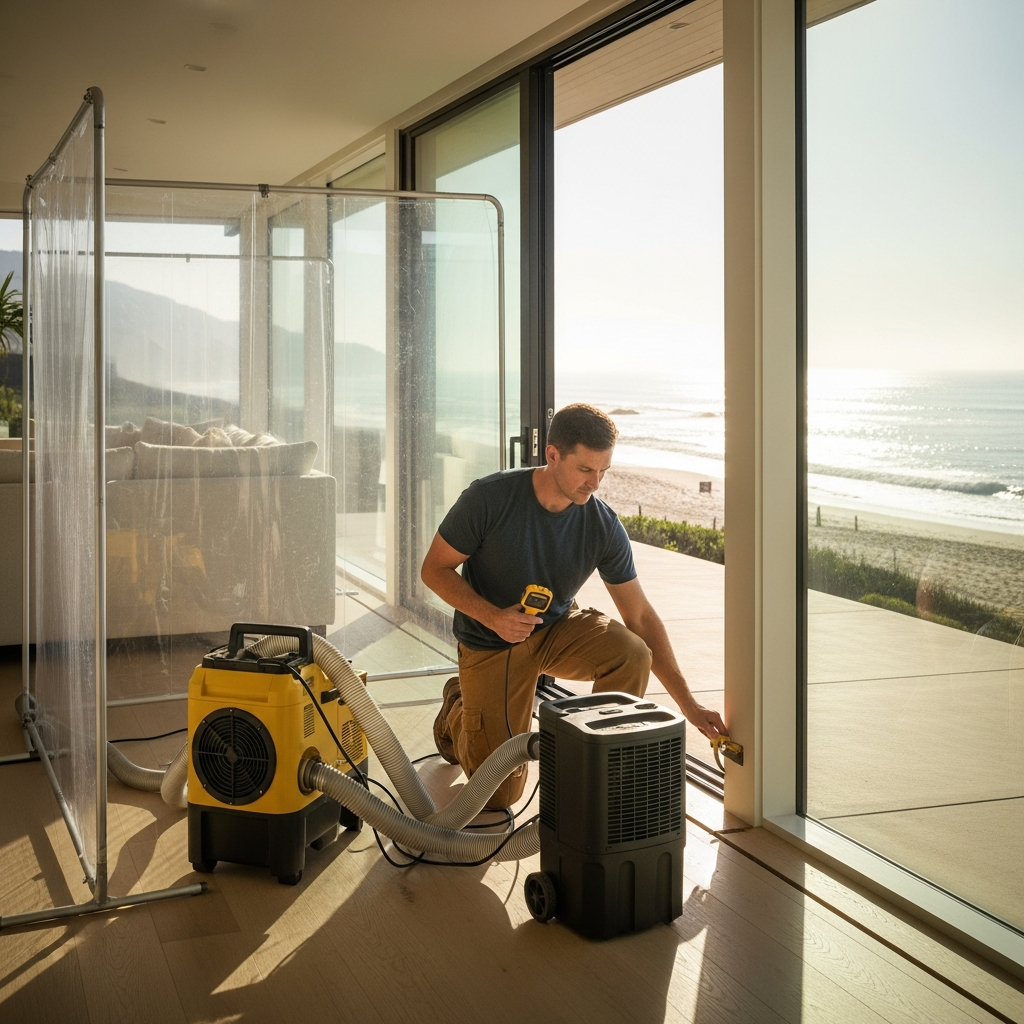
Time is the critical variable. Swift board-up and roof tarping keep out marine moisture and wind-driven debris; targeted demolition removes only what cannot be safely salvaged. By drying structural cavities with controlled heat and dehumidification, technicians stop secondary damage before it accelerates. The benefit here is compounding: every hour of effective drying preserves more millwork, subfloor, and framing; every precise cleaning pass protects finishes that would otherwise require replacement. In a community where custom craftsmanship is common, preservation is more than a cost-avoidance strategy—it is a way to honor the character of the home and reduce disruption to the family.
Specialized Smoke and Odor Removal
Smoke chemistry changes with the fuel that burned and the temperatures reached. Protein fires in kitchens yield thin, sticky residues that resist typical cleaning; synthetic materials create oily soot that smears without the right solvents; and natural wood smoke from nearby brush leaves a different signature altogether. Effective deodorization requires a layered approach: source removal first, targeted cleaning with the correct pH-adjusted agents, and then advanced treatments such as hydroxyl or thermal fogging to neutralize odor molecules that have penetrated porous materials. In Malibu, where the afternoon breeze can push odor back into a home through a leeward opening, containment and pressure management are just as important as chemistry.
Protecting HVAC Systems and Indoor Environments
Ventilation systems can become a highway for soot, driving particulates into every room with the first flip of a thermostat. Proper restoration includes a careful inspection of air handlers, coils, and ducts, with negative-pressure cleaning that captures contaminants instead of redistributing them. Filters are upgraded during the restoration period, and return plenums are sealed to prevent reintroduction of residues. This meticulous attention protects occupants and prevents the frustrating experience of “phantom odor” that returns each time the system cycles on a humid evening.
Contents Recovery: Memories, Not Just Materials
For most families, the most meaningful benefits of restoration are the items that can be saved. Malibu homes hold surfboards and guitars, art collected on travels, children’s keepsakes, and the books and fabrics that make a house feel lived-in. Restoration professionals triage contents quickly, separating high-value or high-sentiment items for priority treatment and stabilizing textiles that absorb smoke deeply. Techniques like ozone-safe deodorization, ultrasonic cleaning for delicate items, and freeze-drying for water-affected documents make a profound difference. Each item salvaged represents continuity—a thread that ties the family to the life they built here and makes recovery feel possible.
Documented Processes that Support Insurance Claims
Another often-overlooked benefit is documentation. Thorough photo logs, moisture maps, inventory lists, and material testing reports create a factual record of conditions and actions taken. This streamlines the claim process, reduces disputes about what must be cleaned versus replaced, and helps everyone move forward with clarity. For Malibu homeowners managing busy schedules and sometimes operating from a distance, clear documentation and consistent updates become an anchor—a single source of truth that turns a chaotic event into a manageable project.
Local Code Awareness and Reconstruction Readiness
When structural repairs are needed, familiarity with local permitting and code expectations matters. From wildland-urban interface requirements to ember-resistant venting and defensible space considerations, Malibu-area properties carry specific resilience standards. A restoration plan that anticipates these needs during the mitigation phase sets reconstruction up for success. It means removing just enough material to expose and correct hidden damage, planning for upgrades where appropriate, and coordinating with builders so the handoff from mitigation to rebuild is smooth. The benefit to the homeowner is efficiency—less back-and-forth and a faster path toward a home that is safer and more durable than before.
At this midpoint in the journey, many owners ask whether they should continue with a specialized firm or pass the baton to general trades. The truth is that mitigation and cleaning require dedicated training and equipment that typical contractors do not maintain. Partnering through the full arc of professional fire damage restoration helps ensure that no invisible residue lingers in the ductwork, no damp sill plate hides behind new drywall, and no odor molecule remains to surface on the next hot day. The cumulative benefit is a home that not only looks restored but also performs and feels like home again.
Environmental Stewardship in a Coastal Community
Our coastline is precious. A thoughtful restoration process uses products and methods that protect the environment, contain runoff, and avoid introducing unnecessary chemicals into sensitive areas. Crews isolate wash stations, capture wastewater, and select cleaning agents appropriate for the materials and the watershed. Debris is sorted for recycling whenever feasible. In a place where surfing before breakfast and hiking at dusk is a way of life, these measures uphold the values that drew many of us here in the first place.
Reducing Disruption to Daily Life
Speed is important, but so is sensitivity to the rhythms of a household. Restoration teams coordinate access schedules, create safe pathways for occupants when partial habitation is possible, and stage equipment to minimize noise and clutter. For families with kids in local schools or professionals working from home offices, these human-centric details matter. They reduce stress at a time when emotional reserves are already stretched thin and help everyone feel that progress is being made day by day.
Preserving Architectural Character and Value
Malibu homes often feature custom finishes—hand troweled plaster, wide-plank flooring, live-edge counters, bespoke lighting—that imbue each space with personality. The benefit of an expert restoration is a nuanced touch: knowing when to encapsulate a stubborn odor in a wall cavity rather than remove a historic plaster run, or how to gently lift soot from oxidized metal without scratching a patina that took years to develop. This discernment protects not only the investment in materials but also the intangible character that can be hard to replicate once lost.
Preparing for the Next Season
Though no one wants to consider future threats during recovery, resilience planning is a quiet benefit of a complete restoration. As materials are opened and evaluated, there is a unique opportunity to improve fire-resistance, reduce ember intrusion points, and advise on defensible space. Swapping older registers for ember-resistant vents, sealing utility penetrations, and rethinking attic ventilation can all be incorporated without derailing the schedule. Homeowners emerge with a safer home and a clear record of steps taken, a confidence booster when red flag warnings appear on the horizon.
Clarity, Calm, and a Path Forward
Perhaps the most meaningful benefit is psychological. After a fire, time distorts; days run together; decisions feel heavier than they should. Having a steady guide—one with local experience, technical skill, and a calm presence—restores a sense of control. Each milestone, from the first air scrubber humming to the day the last odor check passes, signals progress. A well-orchestrated restoration turns a jarring interruption into a clear sequence of steps, and each step reclaims a piece of normal life along the coast.
Frequently Asked Questions
How quickly should restoration start after a fire?
Ideally, within the first 24 to 48 hours. Early action stabilizes the structure, begins air filtration, and prevents soot and water from causing secondary damage. Prompt work also provides critical documentation for insurance and establishes a safe baseline for any necessary demolition or cleaning.
Is it safe to stay in the home during restoration?
It depends on the extent of damage and the areas affected. When conditions allow, professionals can create contained zones with clean air, safe egress paths, and noise management so partial occupancy is feasible. If air quality, structural stability, or utilities are compromised, temporary housing is often the prudent choice until the environment meets safety standards.
What makes Malibu’s environment different for smoke damage?
The combination of ocean humidity, salt air, and canyon winds changes how soot travels and how residues interact with surfaces. Moisture can accelerate corrosion on metals and cause odor to linger in porous materials. Local knowledge helps teams choose the right cleaning chemistries and control building pressure to keep smoke from re-entering on windy afternoons.
Can my HVAC system be salvaged?
Often, yes. Restoration typically includes a thorough inspection, negative-pressure duct cleaning, and filter upgrades. In some cases, coils and sensitive components may require specialized cleaning or replacement. Acting early prevents soot from baking onto components and keeps contaminants from redistributing when the system restarts.
What happens to belongings that smell like smoke?
Contents are triaged and stabilized quickly. Many textiles, electronics, and keepsakes can be restored using methods like ozone-safe deodorization, ultrasonic cleaning, and controlled drying. Items with heavy heat damage or melting may not be recoverable, but a structured approach maximizes what can be saved and documents decisions for clarity.
How do professionals know when the odor is truly gone?
Restorers combine instrument readings—like particulate counts and humidity—with practical verification methods, including thermal imaging to confirm dry conditions and step-down odor testing after advanced treatments. Only when source removal, cleaning, and deodorization all pass verification is the project ready for closure or reconstruction.
Will restoration address future resilience?
Yes. As materials are opened, teams can recommend ember-resistant vents, improved weather-stripping, sealed penetrations, and other enhancements. Integrating these during mitigation or rebuild strengthens the home without significantly altering timelines.
When you are ready to reclaim your space and restore peace along the coast, partner with a team that understands Malibu’s rhythms, its materials, and its standards. For guidance from first assessment to final walkthrough, reach out to trusted specialists in Malibu fire damage restoration who can bring clarity, care, and craftsmanship to every step of the journey.