When you live and work in Malibu, you learn to read the wind the way sailors read the sea. By afternoon, the ocean air often rolls in cool and patient, then gives way at times to dry Santa Ana gusts carrying the scent of chaparral. Those of us who have walked the canyons after a long summer know how a single spark can rewrite a family’s story in an evening. That is why the benefits of swift, professional response after a fire are far more than technical talking points; they are the lifeline that helps a home and a neighborhood regain its footing. If you are just beginning to sort through what comes next, take a breath. There is a clear, proven path forward, and it begins with understanding how expert fire damage restoration in Malibu protects your health, your property, and your peace of mind.
In the immediate days after a fire, the visible damage is only part of the picture. Malibu’s microclimates, coastal humidity, and salt-laden air combine with soot and ash to create a corrosive environment that quietly undermines finishes, metals, wiring, and even plumbing. That is why time matters. The sooner trained technicians stabilize the site, the more of your home they can save. The right team knows how to secure the structure, communicate with local authorities and insurers, and begin a methodical process that stops secondary damage before it gains momentum.
Protecting Health In The First Critical Hours
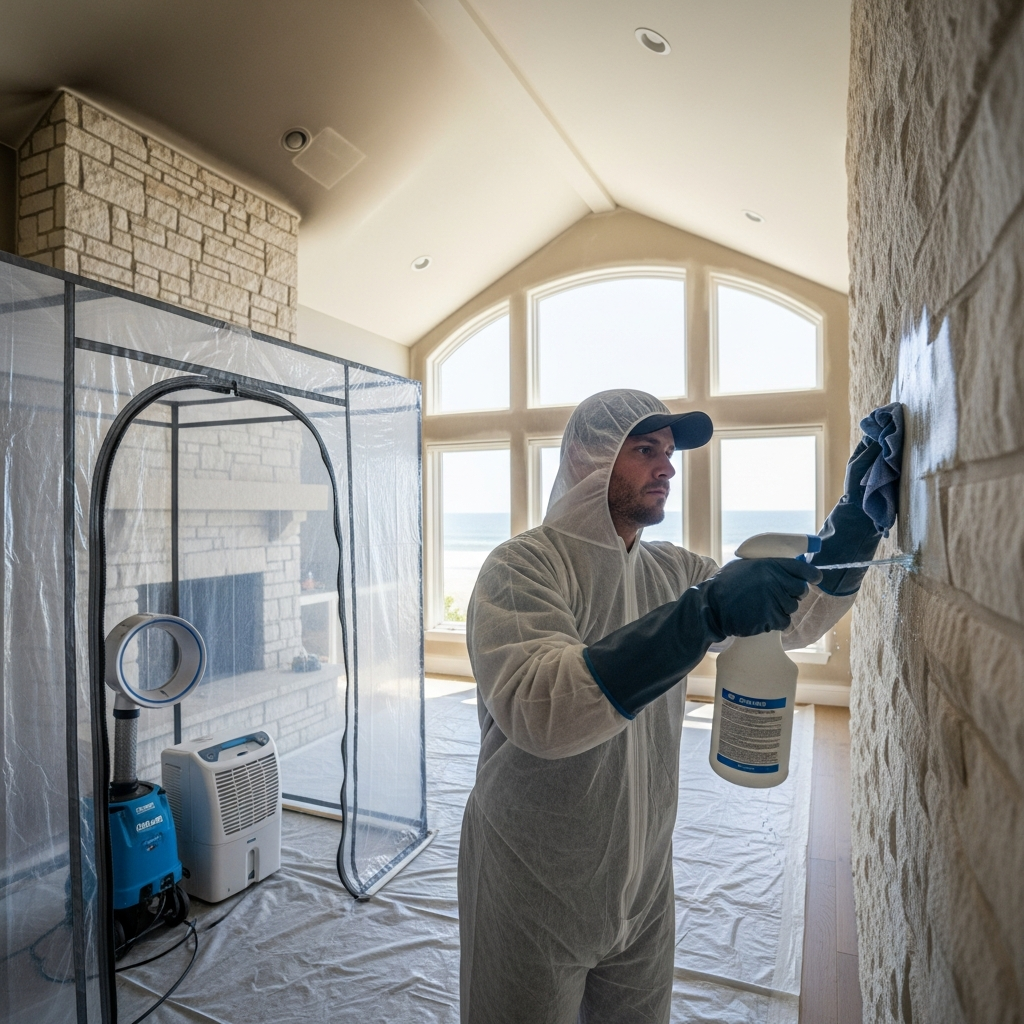
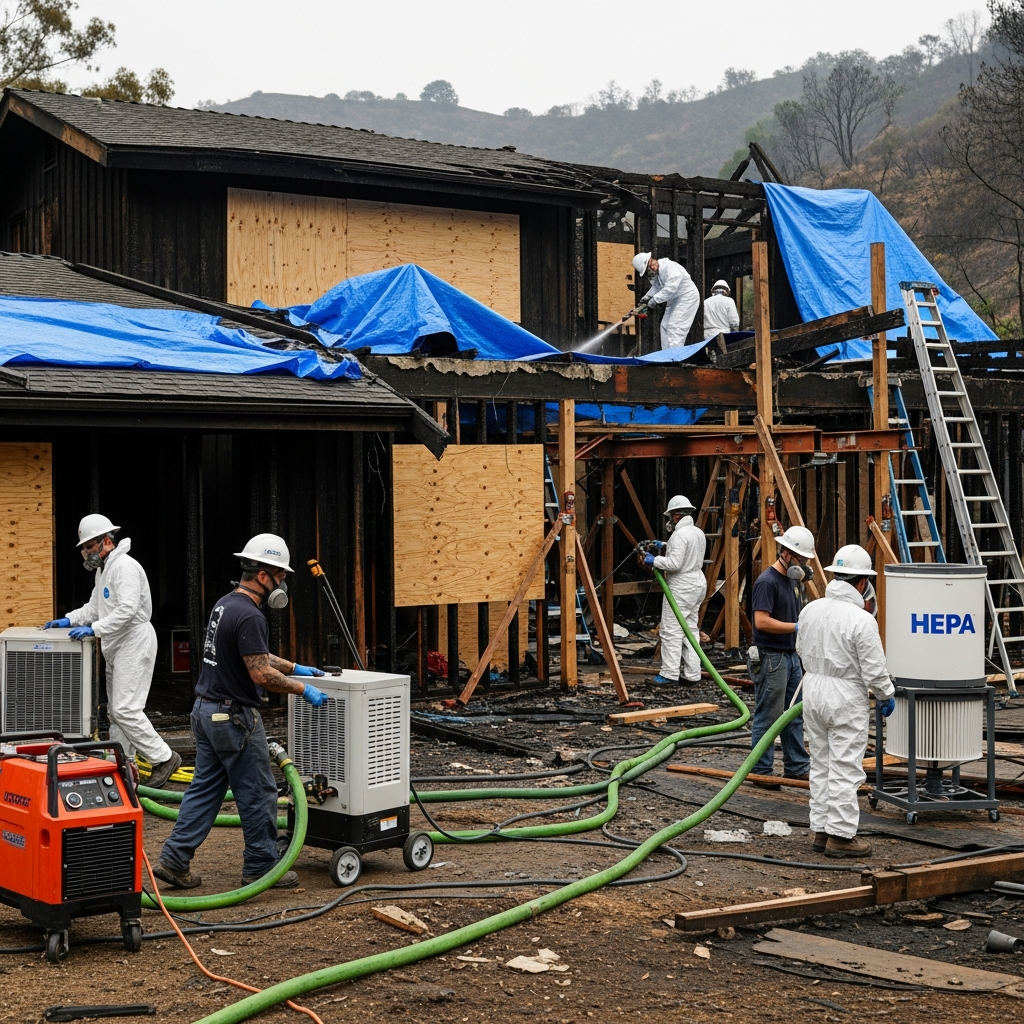
After the flames are out, the air inside a home can remain hazardous. Soot particles are ultrafine, capable of traveling deep into lungs and adhering to surfaces you would not expect, from crown molding to closed cabinet interiors. Odors can be more than discomfort; they are often signals of volatile compounds still active in the space. In Malibu, where homes frequently open to ocean breezes, it might be tempting to throw open the windows and let the wind do the work. But unfiltered ventilation can pull in additional salt and moisture, spreading residue. Professional restoration brings negative air containment, HEPA filtration, and targeted ventilation to control the air, not just move it around. Beyond comfort, this is about safety for children, older adults, and pets who are more sensitive to air quality shifts.
Protective measures also extend to handling ash and debris. The residue left by a structure fire can include chemicals from building materials, plastics, and electronics that should never be dry-swept or wiped without proper containment. The benefit of working with a team that understands local building conventions—from the redwood decks near Point Dume to the stucco-and-steel combinations common along the hillsides—is that they can choose the right cleaning and decontamination approach for each surface. Matching method to material is the difference between permanent staining and successful restoration.
Preserving Structural Integrity And Preventing Secondary Damage
In Malibu, firefighting often involves large volumes of water delivered under pressure across challenging terrain. The result can be hidden moisture within wall cavities, under stone or tile, and beneath hardwoods that still appear sound. Left unaddressed, that moisture paves the way for mold within days, especially when a coastal marine layer keeps ambient humidity elevated. One of the greatest benefits of professional intervention is the deployment of moisture mapping—pin and pinless meters, thermal cameras, and daily drying logs that document progress. Drying is not guesswork; it is a measured process that ensures framing, subfloors, and insulation return to safe, dry standards before rebuilding ever begins.
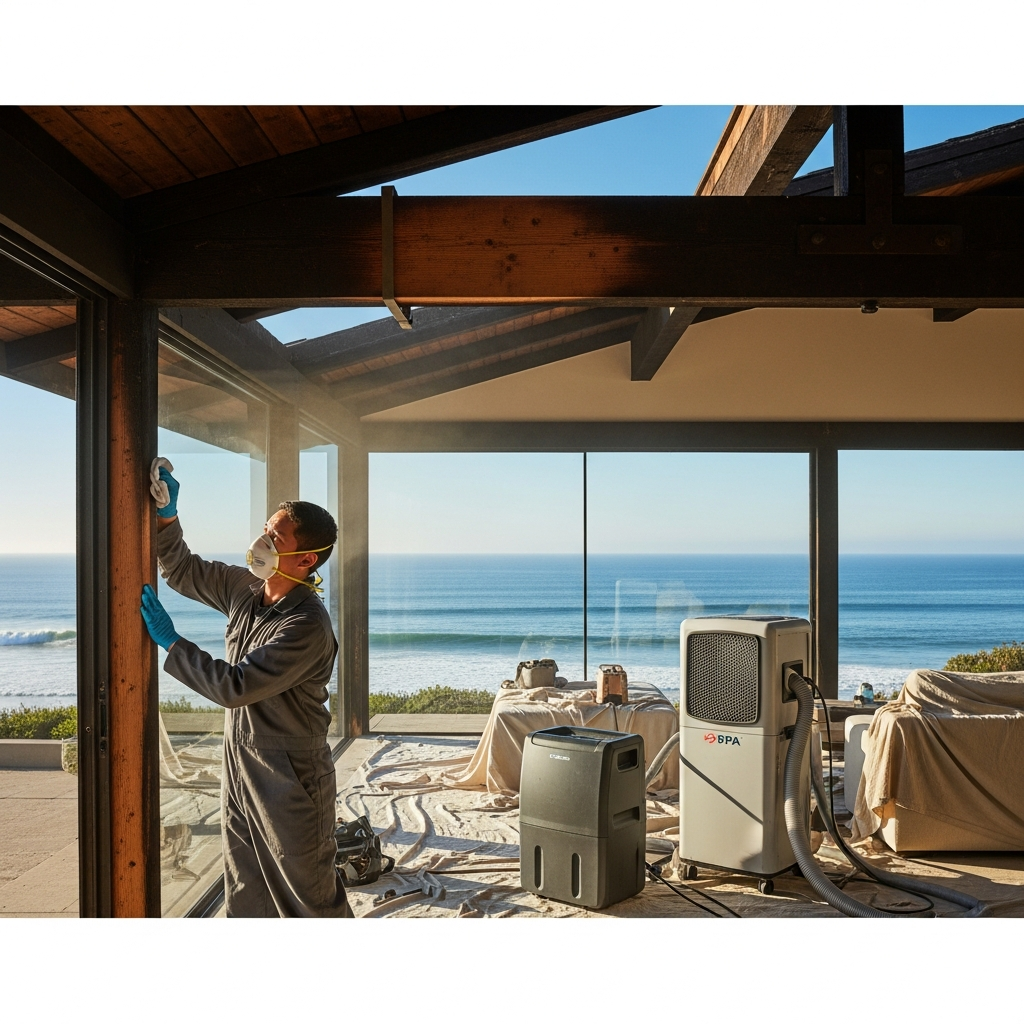
Technicians trained in structural drying will also consider Malibu’s unique architecture. Open-beam ceilings, floor-to-ceiling windows, and complex roof lines all create micro-pockets where water can hide. The right team knows how to set up targeted air movement and dehumidification that respects architectural details while still reaching the spaces that matter. This approach preserves original materials whenever possible, a significant benefit both for cost containment and for maintaining the historic character or custom design elements many homeowners cherish.
Saving What Matters: Contents, Keepsakes, And Daily Life
The objects that make a house a home often feel most at risk after a fire. Books, textiles, photographs, artwork, and instruments each require specialized handling, and Malibu residents often curate collections that deserve museum-grade attention. A core benefit of professional restoration is having a trained contents team that can triage, pack out, and clean items using methods tailored to the material—dry sponging for soot without moisture, ultrasonic cleaning for sturdy nonporous items, and ozone or hydroxyl odor treatment where appropriate. Just as important, contents specialists document everything, creating an inventory that supports insurance claims and tracks each piece from removal through return.
Even daily life stands to be preserved. When a response is fast and organized, clothing, linens, and essential documents can be prioritized for immediate cleaning or digitization so that families can resume routines. For those who work from home, salvaging equipment, files, and spaces becomes vital to reestablishing income and stability. A restoration team that understands the pace and expectations of Malibu’s lifestyle can sequence tasks accordingly, protecting both the home and the way you live within it.
Eliminating Odors And Restoring Indoor Air Quality
Smoke odor behaves like a stubborn guest who learns every shortcut through a house. It penetrates porous surfaces, travels through chases and ductwork, and binds with residue at a molecular level. Malibu’s blend of marine moisture and sunny afternoons can cause odor to fade and then surge again as temperatures swing. The benefit of professional deodorization is a layered strategy: source removal, advanced cleaning, and then treatment with technologies designed for occupied spaces. Hydroxyl generators, when deployed properly, can neutralize odors without requiring families to vacate for extended periods. Coupled with sealing of charred framing where necessary, it results in a home that smells like itself again rather than a masked version of what came before.
Indoor air quality is not just a finishing touch; it is a benchmark for health and comfort. Post-fire, ongoing testing and filtration changes ensure that particulate levels decline to safe baselines. Technicians may recommend additional duct cleaning or filter upgrades to MERV ratings that align with family health needs and the realities of Malibu’s outdoor environment during wildfire season. These choices pay dividends long after the project closes, especially as seasonal winds return.
Navigating Insurance And Local Requirements With Confidence
Another benefit that Malibu residents appreciate is administrative guidance. Restoration professionals who regularly interface with insurers know how to present findings, estimates, and progress notes in a way that speeds approvals and reduces friction. They also understand local codes and coastal regulations that can influence rebuild decisions—from fire-resistant materials to defensible space requirements. In neighborhoods where setbacks, aesthetic guidelines, or HOA rules apply, having a team versed in these considerations keeps the project moving and avoids costly missteps.
Documentation is not just paperwork; it is the story of the loss and recovery told in photographs, moisture readings, and daily notes. When compiled with clarity, that record validates the scope of work and guards against future disputes. It also becomes a point of pride for many families in Malibu—evidence of resilience and a reference for future maintenance and improvements.
Local Expertise: Terrain, Access, And Community
The layout of Malibu—coastal bluffs, canyon roads, and hillside properties—presents practical challenges for any contractor. Access for equipment can be tight, power can be intermittent after an event, and weather can shift on a dime. A restoration firm rooted in the area knows which routes remain open, how to stage generators to respect neighbors and noise ordinances, and how to secure materials against the ocean air overnight. That familiarity means less downtime and fewer surprises.
Community matters here. After the Woolsey Fire, residents saw how quickly neighbors rallied to share resources and information. The best restoration teams become part of that fabric, communicating proactively, coordinating with other trades, and respecting the rhythms of a community rebuilding in unison. This collaborative spirit shortens timelines and restores momentum, which might be the most underrated benefit of all.
The Financial And Emotional Return On Professional Care
While it is natural to think in terms of repairs, there is a larger return in choosing professionals early: reduced replacement, preserved value, and emotional relief. Salvaging original hardwoods or cabinetry not only protects investment; it keeps the story of a home intact. Reclaiming artwork, heirlooms, and photographs preserves memory. And perhaps most valuable, turning the technical burdens—drying schemes, odor protocols, insurance coordination—over to a trusted team frees families to focus on healing and next steps.
In the middle of any restoration, it can help to pause and re-center around the outcome you want. If you imagine hosting friends on the deck again, if you can almost hear the waves under a quiet evening, that vision becomes a guidepost. Professionals who specialize in fire damage restoration in Malibu work backward from that vision, aligning their plan to your priorities so that the home you return to feels familiar, safe, and whole.
What To Expect From A Thoughtful Process
Clarity replaces uncertainty when you know the steps ahead. A typical path begins with site stabilization and safety: boarding up if needed, securing utilities, and assessing structural risks. Next comes detailed inspection, moisture mapping, and a written plan that sequences demolition, cleaning, drying, and deodorization. Contents are inventoried and removed for treatment when appropriate. Daily updates follow, with adjustments in equipment and methods as readings change. Finally, when the environment is clean, dry, and odor-free, the home is handed off for repairs and finishing, supported by documentation for permits and insurance. Every home is different, especially in Malibu’s blend of coastal and canyon construction, but a methodical rhythm underpins each success story.
Throughout, communication is as important as technical skill. Questions deserve quick, clear answers. Decisions about what to keep, what to replace, and how to phase work are best made together, informed by the realities of supply chains and the demands of daily life. The benefit here is partnership—professionals who bring options and insight rather than directives, who listen for what matters most to you.
FAQ
Q: How soon should I start restoration after a fire? A: As soon as the site is released by authorities and is safe to enter, stabilization and assessment should begin. In Malibu’s climate, corrosion and mold risks rise quickly, so early action protects more of your home.
Q: Is smoke damage dangerous even if I do not see heavy soot? A: Yes. Odor and light film often indicate ultrafine particulates and chemical residues that can irritate lungs and corrode materials. Professional cleaning and air control address those invisible risks.
Q: Can my hardwood floors be saved? A: Often, yes. With prompt drying and careful monitoring, cupped or discolored boards may recover. Decisions depend on moisture readings, subfloor conditions, and the species and finish of the wood.
Q: Do I need to leave my home during deodorization? A: It depends on the methods used and the extent of damage. Many projects in Malibu use hydroxyl treatment compatible with occupancy, but each situation is evaluated for safety and comfort.
Q: How are my belongings handled? A: Contents are inventoried, packed, and treated using methods specific to the material. You receive documentation, and priority items can be rushed to help you resume daily life more quickly.
Q: What about permits and local rules? A: Restoration teams familiar with Malibu and Los Angeles County coordinate with local guidelines, helping you choose fire-resistant materials and navigating any coastal or HOA requirements.
When you are ready to reclaim your space and your routines, choose a partner who understands the nuances of our coastline and the demands of a thorough recovery. If you want guidance right now, explore trusted options for fire damage restoration in Malibu and take the first confident step toward a safe, renewed home.