Choosing a restoration partner after a fire in Calabasas is both intensely practical and quietly personal. You are entrusting people not only with the structure of your house but with the places where memories live—the banister a child has gripped for years, the kitchen tile that reflects morning light just so, and the living room where neighbors from Malibu linger on weekend afternoons. Around here, where the ridge-line connects communities and the roads thread through canyons, the best companies do more than clean and rebuild. They translate the story of a home back into daily life with care, speed, and craftsmanship. If you are sorting through options, knowing what truly sets local fire damage restoration companies apart can clarify your path forward and bring calm to a complicated decision. Early in that conversation, it helps to understand the scope of fire damage restoration in the context of Calabasas and the Malibu hills.
A company grounded in this specific geography brings a layer of insight that is hard to teach. Our microclimates matter. Evening breezes drop into Las Virgenes Canyon and sweep up Old Topanga, carrying fine soot that behaves differently from room to room. Marine layer mornings near Malibu Creek State Park affect drying strategies. Access routes up steep drives and narrow streets change how equipment arrives and where materials can be staged. All of these details shape the tempo of a project, and companies that plan with them in mind reduce delays and prevent avoidable setbacks.
What a thoughtful first visit looks like
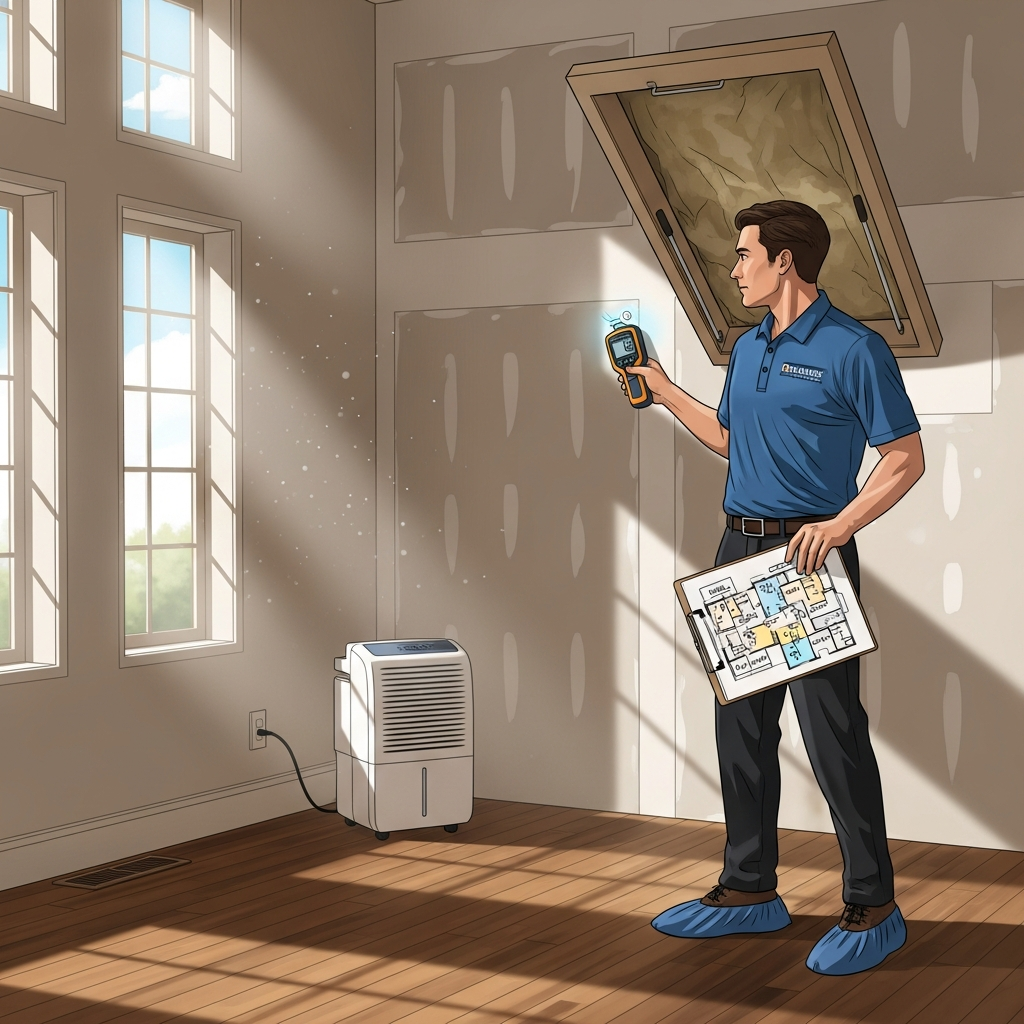
From the moment a company steps through the door, you can feel the difference between a scripted routine and an attentive assessment. A thoughtful first visit maps the house three-dimensionally. Inspectors check attic penetrations, study airflow patterns around stairwells and vaulted ceilings, and open a few well-chosen sections of wall or toe-kicks to see how water and soot traveled. They ask about how the incident unfolded and about your priorities—kids’ bedrooms that you want ready first, a home office that cannot stay offline for long, or a kitchen where specific finishes must be matched. The notes they take tell a story rather than just filling forms.
In neighborhoods near The Commons, where open floor plans send smoke upward quickly, a careful team will consider how convection might have concentrated residues in upper galleries or alcoves. Along Malibu Canyon, where salt air sometimes drifts inland, they will examine mechanical rooms and outdoor equipment for corrosion risks. These details do not slow things down; they actually speed the process by aligning effort with the way the home really breathes and lives.
Cleaning philosophy: remove, do not just disguise
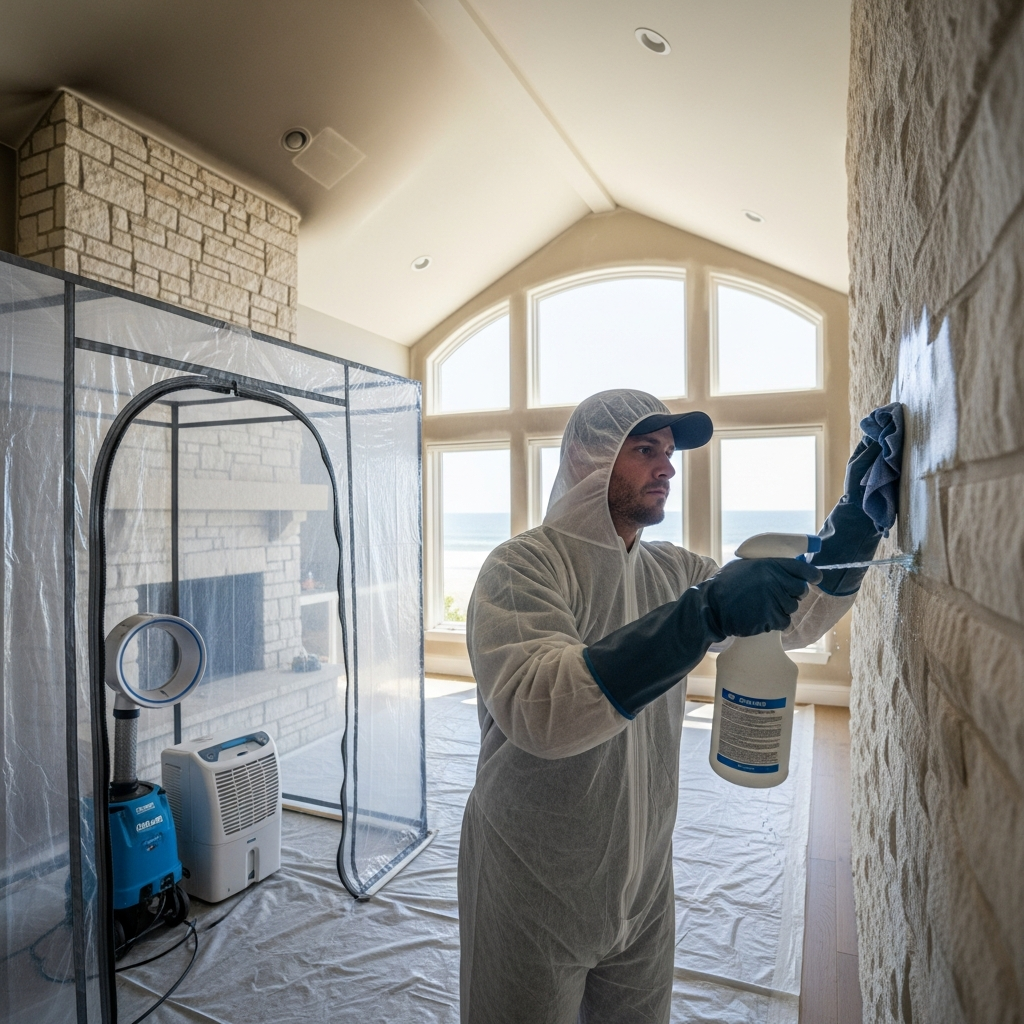
You can judge a restoration company by how it talks about odor. The better firms resist easy cover-ups. They start with source removal, move through meticulous dry and wet cleaning, and only then consider deodorization technologies like thermal fogging or hydroxyl treatment. The sequence matters because it keeps residues from being driven deeper into pores and fibers. On plaster or textured walls common in Calabasas, for example, dry methods like HEPA vacuuming and soot sponges precede any liquids. On natural stone or wood, pH-balanced cleaners and patient dwell times avoid etching or lifting finishes.
And air is part of that cleaning philosophy. HEPA filtration runs early and often, with containment that keeps negative air pulling contaminants out rather than letting them drift into adjacent rooms. Windows are opened at the right times, closed when winds shift. The house gradually smells less like a job and more like a home.
Reconstruction that respects character
After the soot is gone and the air is clear, rebuilding begins. The strongest companies treat reconstruction as an extension of cleaning—measured, precise, and respectful. They match textures and sheens so that a patched wall does not flash in afternoon light. They align grout lines with care and replicate trim profiles when originals are no longer available. In the Malibu–Calabasas corridor, where Spanish-influenced stucco meets contemporary glass and steel, this sensitivity makes the difference between a repair that just covers damage and a restoration that restores identity.
Permitting and inspections in Calabasas follow Los Angeles County standards, and companies accustomed to working with local inspectors know the cadence of plan reviews and approvals. They build schedules that account for HOA requirements, delivery lead times over the hill, and the predictable ebbs and flows of Southern California construction seasons.
Communication: the invisible framework of a good project
Clear, consistent communication holds everything together. Expect regular updates that combine technical progress with plain language: which rooms are clean and ready, where selective demolition will happen next, when odors are expected to fade, and how reconstruction will sequence. Good companies establish a single point of contact who learns your household rhythms and finds ways to reduce disruption—arranging noisy tasks around work calls, ensuring pets can move safely, and keeping driveways usable when possible.
The best communication also acknowledges emotion. People want to know not only what will happen but how it will feel living through it. Will there be dust? What will the house smell like? When will the picture frames go back up? In our experience, answering those questions honestly and early turns a tense project into a steady, predictable journey.
Evidence you can see and feel
Look for signs that a company is meticulous: sealed pathways that keep clean zones pristine, labeled boxes for contents that come back organized, and protective coverings that are replaced before they wear thin. Listen for how crews talk about indoor air quality, not just surfaces. Ask about their plan for attics and crawlspaces; in our hillside homes, these often hold the last traces of odor if overlooked. When a firm addresses these areas with the same care as the living room, you are in good hands.
Mid-project is where differences really show. When a company truly focuses on fire damage restoration, momentum stays even as complexity rises. Demolition does not leap ahead of containment, cleaning does not trail off when reconstruction starts, and communication stays crisp. You will notice rooms crossing the threshold from “work in progress” to “fully clean” with a sense of finality that invites you to move forward, not wonder what was missed.
Local stories, lasting lessons
After a small but smoky incident in a Calabasas Park neighborhood, one homeowner worried that a beloved built-in bookcase would never be the same. Instead of removing it entirely, the team carefully lifted soot with dry methods, sealed the backside of shelves where residues had settled, and then applied a finishing system tuned to match the original sheen. The bookcase survived, the room’s character held, and the homeowner learned that preservation is possible when patience leads. Another case near Malibu Canyon Road involved hidden soot in attic insulation that fed a faint odor every warm afternoon. Once the insulation was removed and the attic air scrubbed and sealed, the odor vanished for good—proof that invisible spaces deserve visible attention.
These stories share a theme: companies that thrive here read the house like a map and the weather like a partner. They know when to press and when to pause, and they bring crews who respect both the property and the neighborhood.
Health, safety, and the duty of care
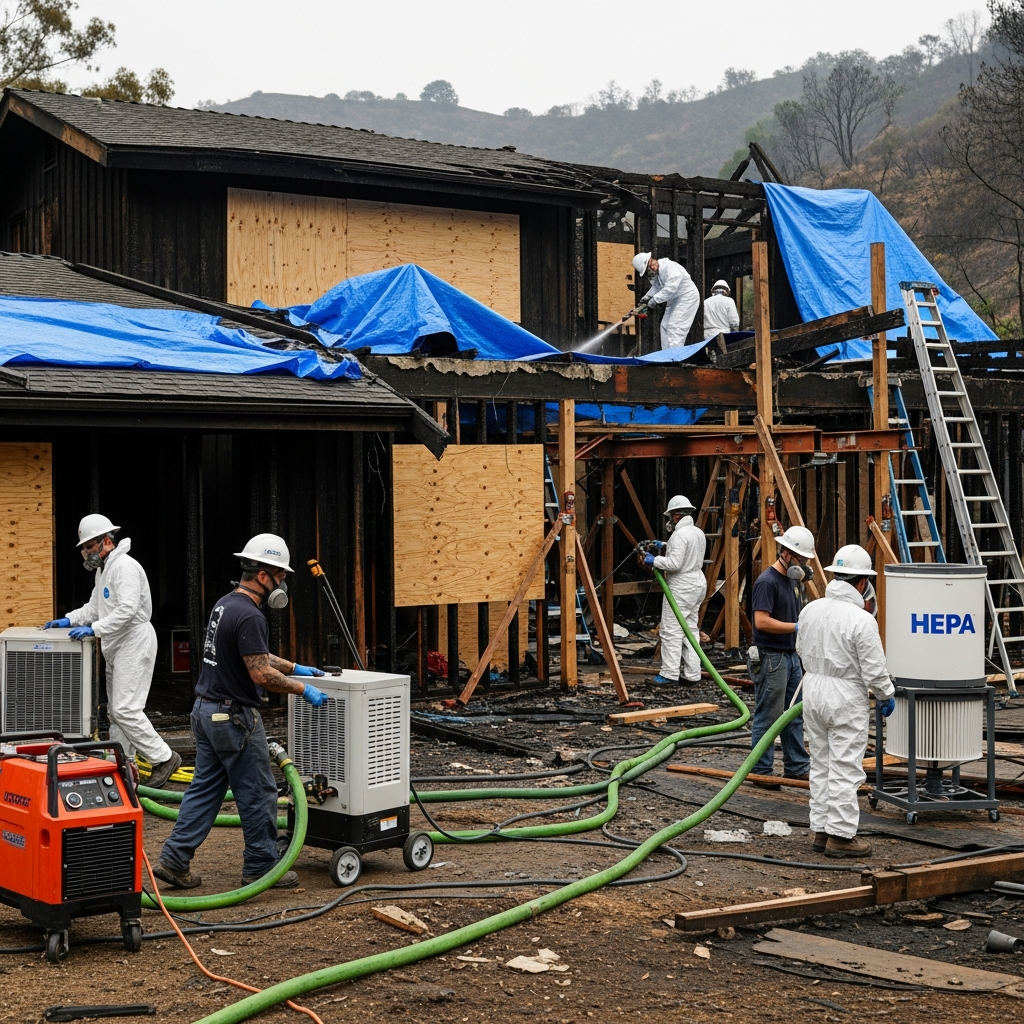
Good firms treat health and safety as nonnegotiable. They manage cords and hoses on steep drives, conduct safety briefings when conditions change, and keep fire extinguishers on site during hot work. They rotate HEPA filters, check negative air pressure, and consider third-party air testing when sensitive individuals are in the household. Their workspaces look orderly because they are—order is what protects both people and property.
In Calabasas and Malibu, where wildlife occasionally visits backyards and afternoon winds can rattle tarps, crews also secure sites so that pets remain safe and containment survives the night. That diligence pays dividends every morning when the site starts clean and ready.
What to expect from start to finish
The arc typically moves from emergency stabilization and documentation to deep cleaning, selective demolition, and then reconstruction. Each handoff is deliberate, with no gap between tasks. Permitting dovetails into schedules, contents are staged for return as rooms finish, and final walkthroughs are practiced and precise. By the time a project reaches the last coat of paint, it already feels complete because the details have been woven together intentionally.
Ultimately, the right company becomes a quiet ally. They do not draw attention to themselves; they highlight your home. When they leave, the story is not about what happened—it is about how strongly your home stands, how clean it breathes, and how comfortably it welcomes you back.
Frequently Asked Questions
How do I know if a company truly understands Calabasas and Malibu homes?
Listen for specifics: microclimates, attic ventilation patterns, hillside access, and the materials common to our area. Ask how they stage equipment on narrow streets and what they do to protect attics and crawlspaces from lingering odors.
What should a thorough assessment include?
Beyond visible damage, it should map moisture behind walls, identify soot types, check HVAC systems, and consider airflow pathways. It should also reflect your priorities—rooms you need first, finishes to match, and concerns about pets or work schedules.
Will my home look and smell normal when the company is finished?
Yes—when cleaning removes sources and reconstruction is executed with care. Odors should not return with heat or humidity, and finishes should match surrounding areas so that repairs are invisible in natural light.
Can restoration happen while we are still living at home?
Often it can, provided utilities are safe and containment separates work zones from living areas. Good companies coordinate schedules, manage noise and dust, and keep pathways clear for safe daily routines.
How long does the whole process usually take?
Timelines depend on scope, permits, and material availability. Stabilization is immediate, cleaning often takes days to weeks, and reconstruction continues as finishes are selected and inspections occur. Steady communication keeps everyone aligned.
How are my belongings handled?
Contents are inventoried, cleaned using methods suited to their materials, and stored securely until rooms are ready. Fragile and high-value items receive extra protection and documentation throughout.
Is there a way to verify indoor air quality before we move back?
Yes. In sensitive situations, third-party air sampling can confirm that particulate levels meet recognized benchmarks. Many homeowners appreciate the peace of mind this provides at the end of the project.
Start With a Company That Knows the Ridge
If you want a restoration experience that honors your home’s character and the realities of our canyons, begin with a team that lives this work every day. Ask your questions, review your priorities, and take a confident next step by contacting our fire damage restoration specialists today.