Emergencies have a way of compressing time. One moment you are making dinner or settling in after a game at Calabasas High; the next you are standing on the driveway, watching firefighters coil their hoses as the last wisps of smoke drift past the streetlights. Along the Malibu–Calabasas ridge, where winds can shift quickly and canyon air moves unpredictably, those first few hours carry outsized importance. They set the tone for the days that follow and can decide whether lingering smoke odor becomes a long-term echo or a short-lived memory. That is why emergency response here is more than a checklist—it is a focused, locally tuned effort to stop damage in its tracks and prepare your home for the careful work ahead. If you are searching for clear guidance in the immediate wake of a fire, understanding how fire damage restoration unfolds in those crucial first steps can bring calm to a chaotic moment.
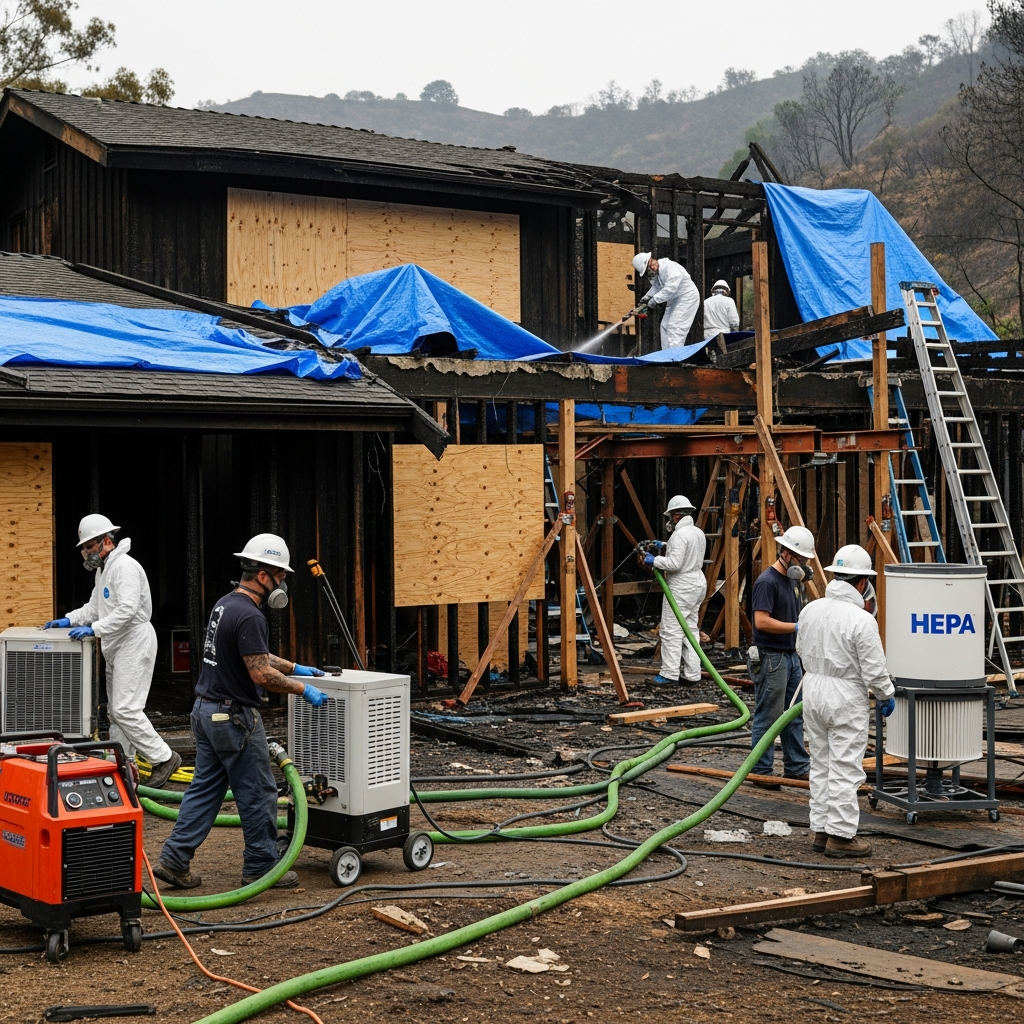
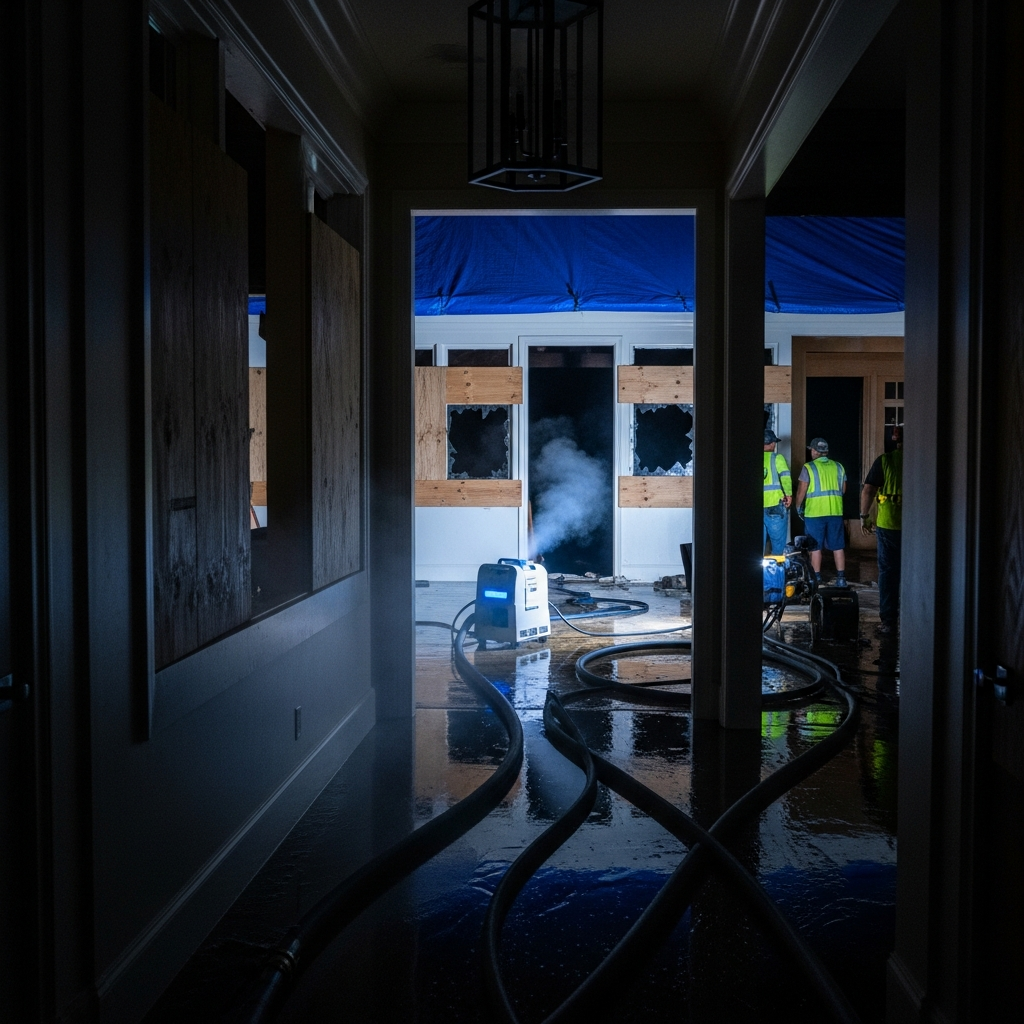
The first goal is stabilization. We protect openings with board-ups executed to withstand overnight winds funneling down from the ridgelines, and we tarp roof sections that could invite moisture during cool marine-layer mornings. Water left from firefighting is extracted swiftly because it does not stay still; it migrates beneath baseboards, into wall cavities, and across subfloors. In homes near Malibu Creek or tucked into shaded cul-de-sacs, that residual moisture can linger without decisive action, setting the stage for secondary damage if it is not addressed within hours.
Safety and power: careful steps before moving forward
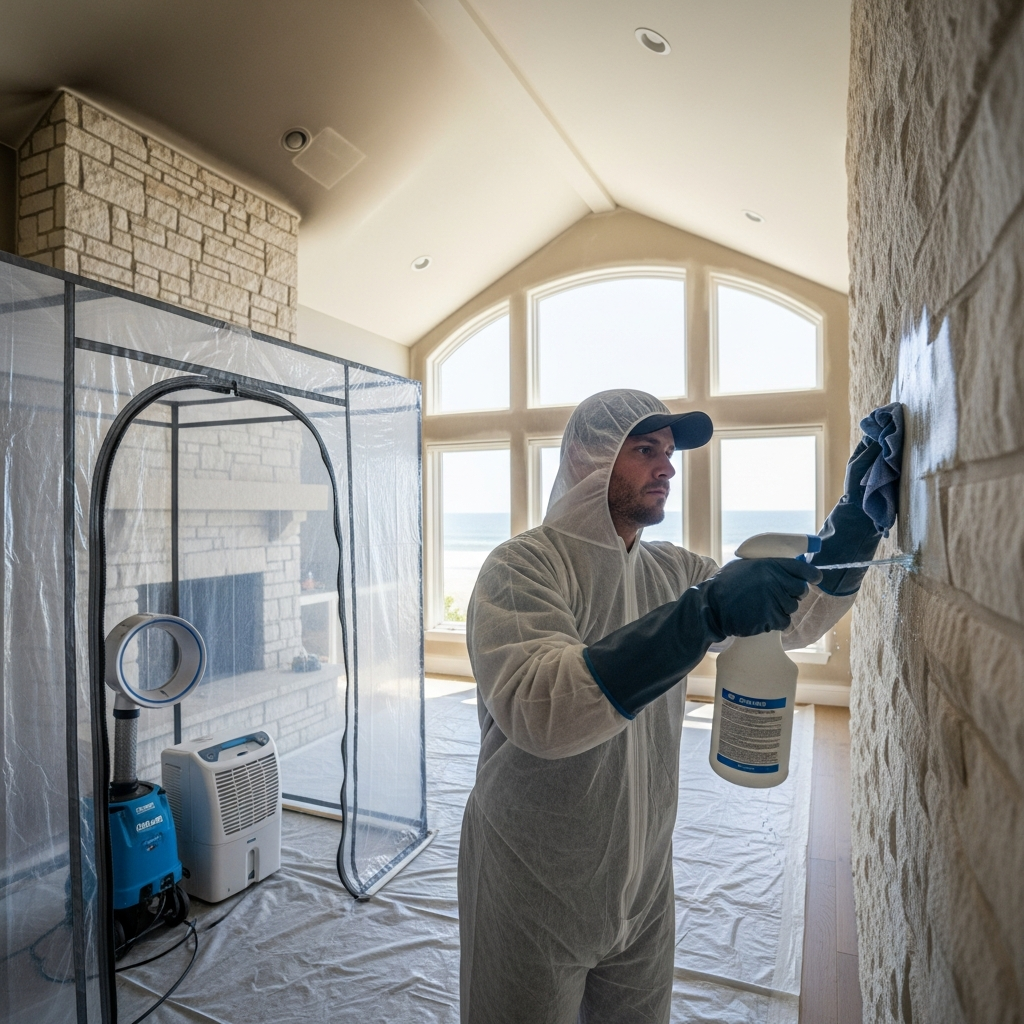
Emergency work begins with safety. Electrical systems are examined for heat impact, breakers are evaluated, and gas lines are checked before any equipment is brought online. The temptation to flip switches or run fans is understandable, but soot and water introduce risks not always visible at a glance. Once we establish a safe working environment, we bring in HEPA air scrubbers to start capturing airborne particulates. Containment barriers isolate the hardest-hit areas, preventing soot from transferring to clean spaces as crews move in and out.
During this phase, documentation is essential. Photos, moisture readings, and item inventories capture a snapshot of the home in its post-incident state. These records inform both the technical plan and your communications with insurers. Calabasas and Malibu homeowners often balance the urgency of getting started with the need to keep a clear paper trail; a disciplined emergency response accomplishes both.
Understanding smoke movement in canyon homes
In our region, smoke does not respect room boundaries. High ceilings and open floor plans invite convection currents that lift soot into upper-level niches. Recessed lighting, HVAC returns, and attic penetrations can act like chimneys, pulling contamination behind walls. Embers carried by wind may not ignite remote areas, but they can introduce odors through soffits and vents. Recognizing these pathways allows us to set up filtration and cleaning in a way that addresses not just the visibly affected spaces but the hidden ones too.
We pay close attention to HVAC systems during emergency work. Filters are removed and sealed for disposal, returns are covered to avoid drawing soot deeper into ductwork, and air handlers are kept offline until a plan for cleaning and inspection is in place. This restraint, though it may feel inconvenient, prevents spreading residues and protects mechanical components from corrosive films.
Water, heat, and materials: a three-way conversation
Every surface tells a part of the story. Drywall absorbs moisture readily, cabinetry can delaminate if saturated, and hardwoods over raised foundations may cup if drying is rushed or uneven. In shaded lots bordering the canyons, morning coolness can slow evaporation at floor level even as the attic remains warm from the day’s heat. We measure, test, and choose drying strategies that match these nuances. The aim is steady, even progress—fast enough to prevent additional damage, slow enough to protect structural integrity.
We also consider the chemistry of soot. Protein residues from cooking, common in kitchen incidents, are tacky and almost invisible; they cling to paint and produce a sharp odor that intensifies with warmth. Plastics and synthetic rubbers generate oily soot that smears if treated with the wrong agents. These differences drive early cleaning choices, ensuring that when we do touch surfaces in the emergency phase, we are moving the project forward rather than creating new challenges.
Communication that steadies the moment
Emergency restoration is as much about people as it is about properties. Families want to know what to do tonight and tomorrow morning. We outline immediate steps, designate safe walkways, and advise on what to avoid—like opening a refrigerator that might have drawn smoke or turning on electronics that have not been inspected. For those living at home during part of the process, we create a sensible routine, scheduling the noisiest or dustiest tasks for times that cause the least disruption.
Neighbors in Calabasas look out for one another, and a tidy, orderly worksite helps maintain that community spirit. We plan equipment placement with narrow streets and shared driveways in mind, minimizing impact while maintaining the pace of work that emergencies require.
The first 72 hours: a decisive window
Within three days, much of the long-term outcome is set. Moisture levels should be under control, odors significantly reduced, and a clear plan in place for selective demolition and deeper cleaning. In some homes, this window includes removing lower drywall to ventilate framing and prevent trapped humidity; in others, it means focusing on attics and mechanical spaces where smoke settled out of sight. Either way, the emergency phase flows directly into the more methodical work of restoration without losing momentum.
Documentation continues during this period. Inventories expand as contents are packed for cleaning or storage, and before-and-after readings verify progress. This transparency helps keep everyone aligned—from homeowners to adjusters—on what is complete and what comes next.
Case snapshots from the canyon
After a stovetop flare-up in a home above The Commons, emergency crews stabilized the kitchen the same evening. Water extraction and air filtration reduced humidity while the space cooled. By morning, careful removal of toe-kicks revealed moisture that would have been missed by eye alone. Because the discovery was timely, drying prevented subfloor damage, and cleaning moved forward without the need for major demolition. In another case near Malibu Canyon Road, embers did not start a secondary fire but sent smoke through soffit vents into an upstairs hallway. Temporary sealing of supply vents, followed by targeted filtration, prevented recontamination of cleaned rooms and set up a smooth transition to thorough duct cleaning.
These small, decisive moves—the ones that are easy to overlook under stress—often make the biggest difference. They are born from repetition, from seeing similar homes respond predictably to airflow, heat, and moisture when the hills are cooling and the marine layer is forming over the Pacific.
What emergency success looks like
A successful emergency response leaves a home calm, controlled, and ready. Air smells cleaner, surfaces are protected, and no new damage is occurring. There are clear notes on what has been done and what the next steps will be. Families sleep easier knowing that the house is safe overnight, that valuables are secured, and that the morning will begin with forward motion rather than more uncertainty.
In Calabasas and Malibu, where many residences are perched on slopes or tucked into hillside folds, access complicates emergencies. Our crews plan routes for moving equipment without tracking soot into clean areas, and we stage materials in ways that respect neighbors and HOA rules. It is a choreography that blends urgency with courtesy.
From emergency to restoration: setting the stage for quality
Once the immediate risks are controlled, the project shifts to detailed cleaning, deodorization, and reconstruction planning. Because the emergency phase has already mapped hidden damage and captured thorough documentation, decisions about what to remove, what to clean, and how to rebuild come faster and with more confidence. This momentum shortens the overall arc of recovery and preserves the character-defining features that make your house feel like home.
Midway through many projects, homeowners notice a subtle milestone: the first afternoon when they return and breathe in without bracing for the smell of smoke. That moment is the dividend of steady emergency work—filtration running when it mattered most, ventilation done at the right times, and careful choices about which materials to disturb and which to seal until cleaning could occur. It is also when partnering with a team focused on fire damage restoration across the Malibu–Calabasas corridor pays off, because local habits and patterns are already woven into the plan.
Health and indoor air quality
Even with the best response, smoke particulates can irritate eyes and respiratory systems, especially for sensitive individuals. Emergency work therefore emphasizes air management: isolation of affected zones, pressure differentials that keep particulates contained, and continuous filtration. When conditions warrant, we collaborate with third-party professionals for air sampling to verify that cleaned spaces meet recognized guidelines before families reoccupy them. Comfort is not just visual; it is the confidence of breathing easy.
Materials used in stabilization also matter. We select temporary sealers and barriers that do not introduce strong odors of their own, and we manage equipment noise and heat so living spaces remain comfortable even as we push hard on drying and cleaning.
Community, resilience, and the long view
Calabasas and Malibu know fire. We remember the Woolsey Fire and we have learned from smaller incidents that never made the news but left deep impressions on the households they touched. Emergency restoration is therefore part of a broader culture of preparedness and care. Neighbors share contact names, offer guest rooms, and check in on one another. Crews respect that culture, working with a blend of precision and empathy that honors both the property and the people who call it home.
With each successful emergency response, the community becomes more resilient. Homes return to normal faster, lessons spread informally from block to block, and the practices that work best here become second nature. The goal is not just to repair but to strengthen—so that the next wind event, the next hot afternoon, finds the neighborhood ready.
Frequently Asked Questions
What should I do immediately after firefighters depart?
Make sure the scene is safe and avoid reentering until you have clearance. Do not run the HVAC system, and limit movement in affected rooms. Contact a local emergency restoration team to begin stabilization, including board-ups, water extraction, and air filtration.
How quickly should drying begin?
As soon as possible—ideally within hours. Water migrates rapidly and can cause secondary damage if left unchecked. Early extraction and dehumidification protect building materials and reduce the likelihood of lingering odors.
Will opening windows help remove smoke?
Ventilation can help, but timing matters. In the Malibu–Calabasas area, wind patterns and marine layers change rapidly. Guided ventilation paired with HEPA filtration prevents drawing soot into clean spaces or attic cavities.
Can I keep living in the home during emergency work?
Sometimes. If utilities are safe and containment can separate living zones from work areas, phased occupancy is possible. Safety and indoor air quality remain the first priorities, and routines are planned to minimize disruption.
How do you protect belongings during the emergency phase?
We cover or remove items from affected rooms, establish clean pathways, and begin inventorying and packing contents slated for specialized cleaning. High-value or sensitive belongings are secured quickly to avoid further exposure.
What happens after the emergency phase ends?
The project transitions into detailed cleaning, deodorization, and reconstruction planning. Because the groundwork is laid—measurements taken, documentation complete—decisions are faster and more confident, moving you steadily toward completion.
Are odors guaranteed to go away?
When sources are removed and residues are properly cleaned, odors do not return with heat or humidity. Verification through air quality assessments is available for added assurance before you fully reoccupy.
Connect with a Local Emergency Restoration Team
If you are navigating the first hours after a fire and need calm, capable guidance tailored to our canyons and their climate, reach out today. Begin a focused plan that protects your home tonight and positions you for a confident rebuild by contacting our fire damage restoration team.