When a fire touches a Calabasas home, the first moments after the sirens fade are quiet and disorienting. The air feels heavier than usual, carrying traces of smoke that seem to cling to everything, from the hallway photographs to the drapes above the family room windows. Life on the Malibu side of the ridge is familiar with wind-shifted smoke and the tangle of canyon microclimates, so the restoration path we follow here is shaped by experience as much as by textbooks. In this corridor, neighbors talk, word travels, and the team that shows up to stabilize your property is often the same one that has worked a dozen houses along Mulholland in the past year. That local continuity matters. It means the repairs that begin on day one are calibrated to the realities of our terrain and our weather, not just a generic checklist you might find anywhere. As you step into the process, it helps to see the unfolding of fire damage restoration not as a single event but as a well-sequenced, human-centered journey back to home.
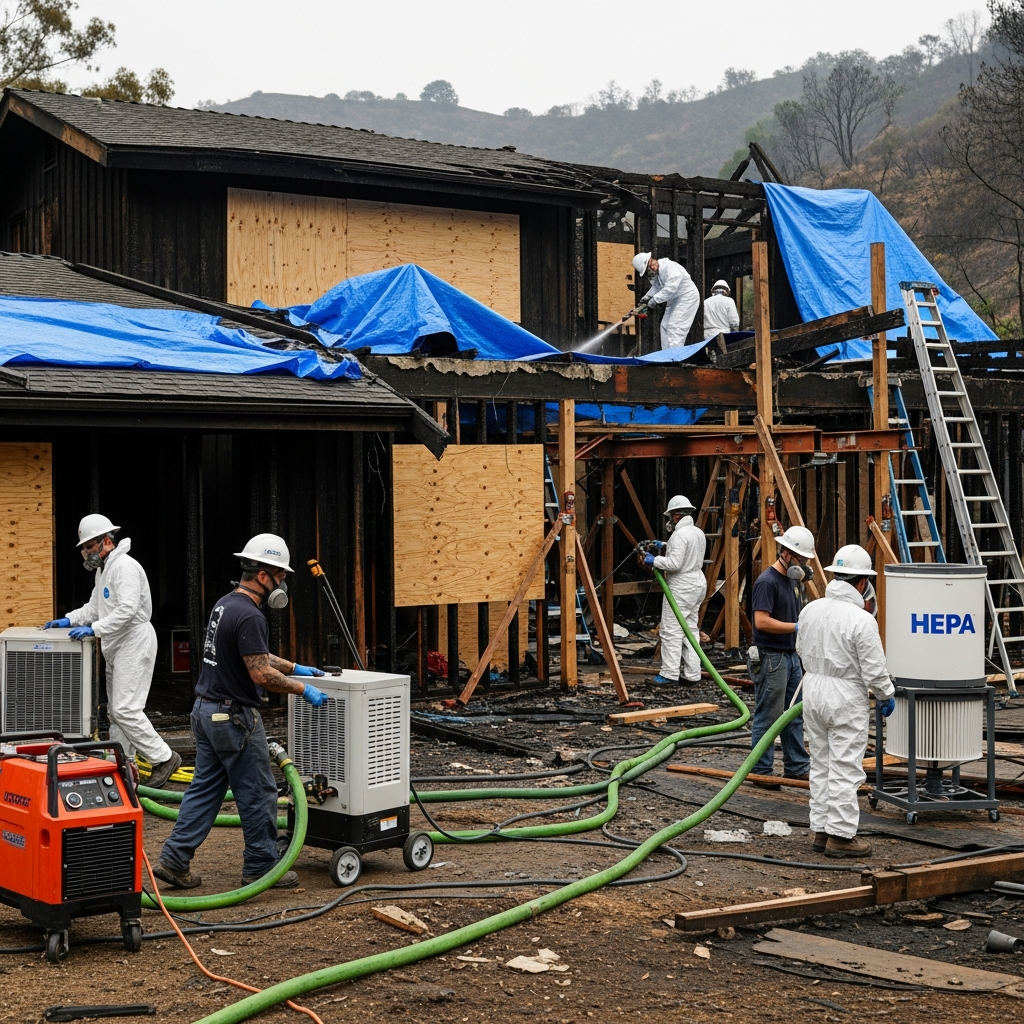
Before hammers and paintbrushes, we stabilize. Calabasas evenings can produce gusts that snake through damaged eaves and exposed windows, so board-ups and temporary roof coverings are put in place with both security and airflow in mind. If firefighting water has pooled under baseboards or across tile floors, extraction begins immediately; the clock starts ticking on moisture as soon as the last hose rolls up. On properties near Las Virgenes Creek or in the shaded pockets off Old Topanga Canyon Road, morning humidity combines with residual heat, which can push odors deeper into porous materials. We counter with air scrubbers and dehumidifiers, establishing a clean baseline from which the rest of the work can proceed thoughtfully and safely.
Assessment that looks beyond the obvious
The inspection is both technical and intuitive. We map heat patterns, identify soot types, and trace moisture migration. But we also listen—to you, to the house, and to the story of the incident. A flare-up at a stovetop produces different residues than a garage fire fed by synthetics; the smell you notice in a second-floor closet might actually originate from attic cavities drawing air through recessed lighting. In homes near The Commons at Calabasas, high ceilings and loft spaces encourage convection, so smoke readily rides the thermal lift to upper levels. That is why we pop access panels, check behind cabinet backs, and use gentle but precise tools to discover what must be cleaned, what can be salvaged, and what needs to be removed.
Safety threads through everything. Electrical systems may look intact but should be evaluated before power is restored fully. Gas lines, appliances, and ventilation—all receive careful attention. Our aim is not only to fix damage but to return the house to a level of safety that inspires confidence every time you walk in the door.
Cleaning with chemistry matched to the residue
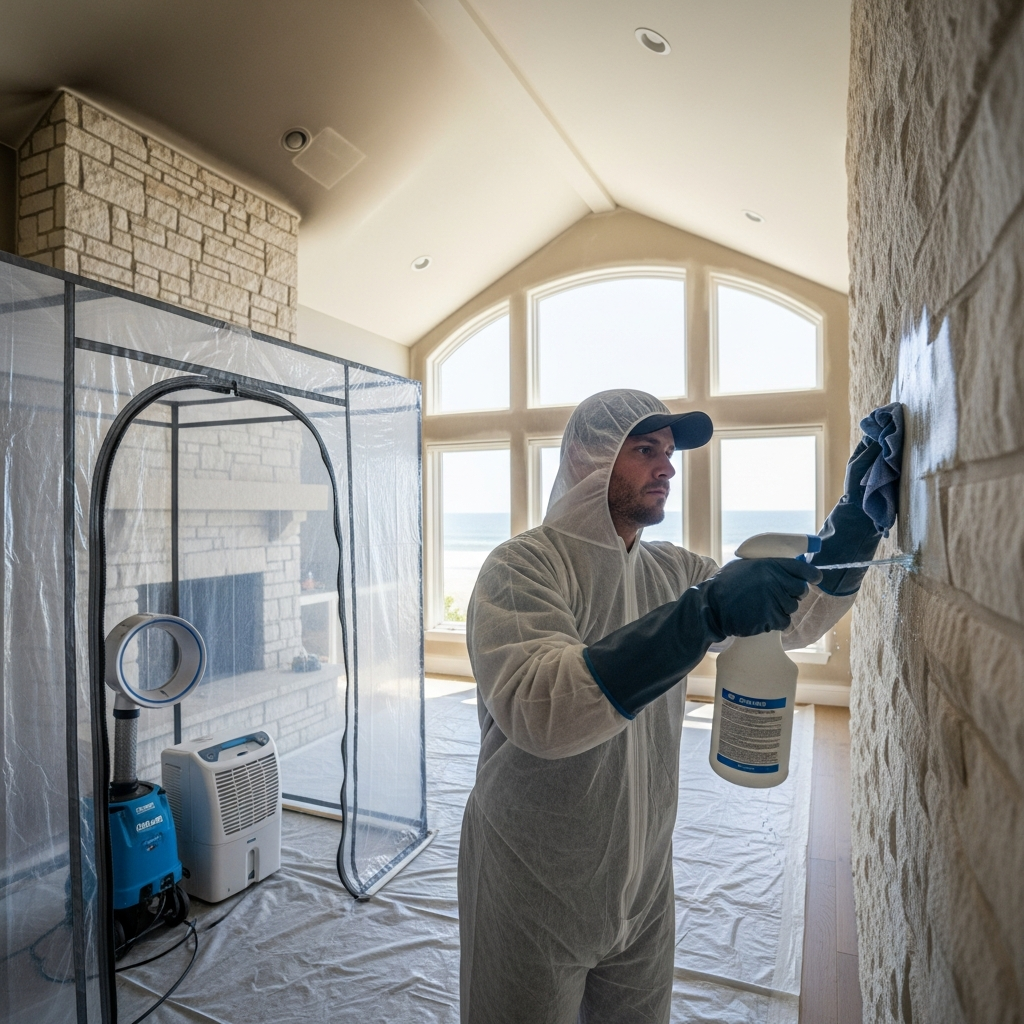
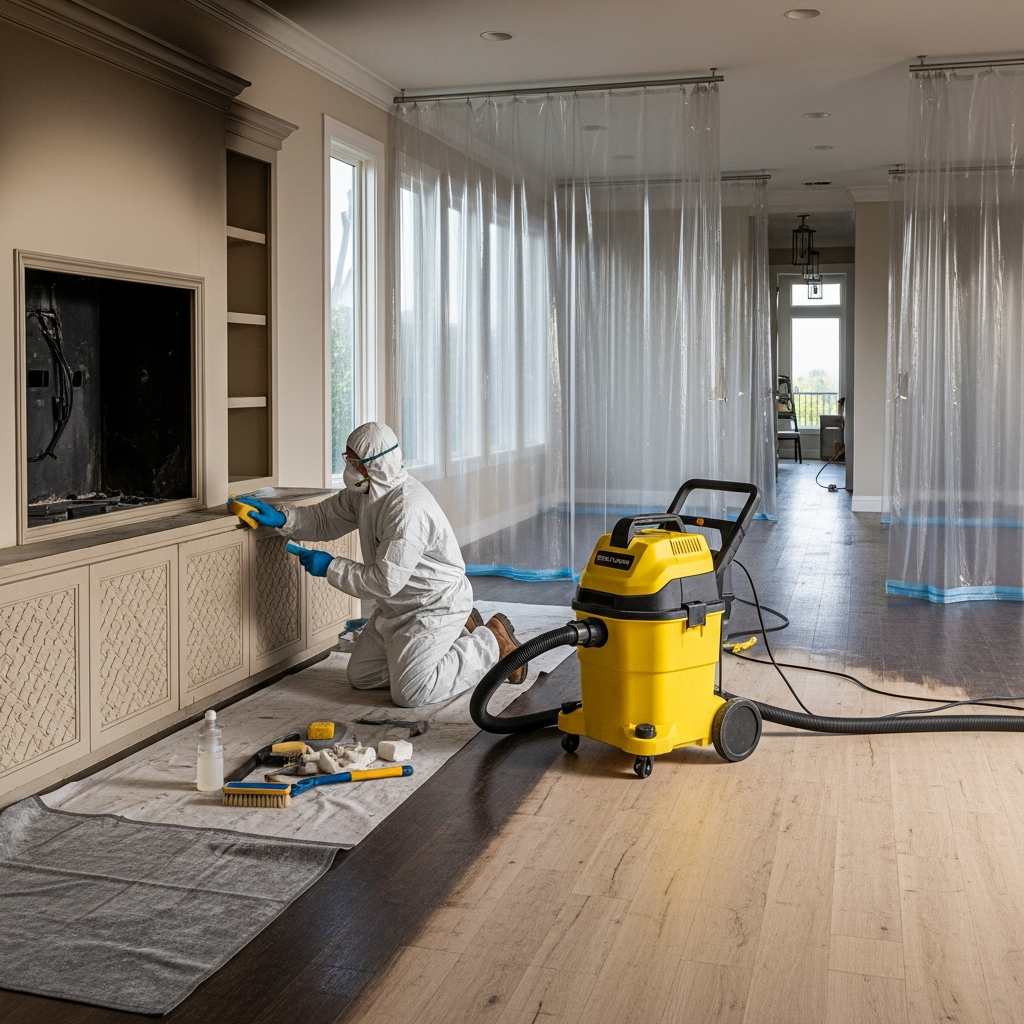
Not all soot is alike. Protein residues from cooking are notoriously stubborn and nearly invisible, clinging to paint and cabinet surfaces with an odor that intensifies in the afternoon heat. Dry soot from natural materials behaves more like talcum powder, sitting loosely on surfaces until disturbed. Oily soot from plastics and rubbers tends to smear if handled improperly. Cleaning begins with dry methods—HEPA vacuuming and specialized sponges—before introducing wet techniques. The right detergents and neutralizers break the bond between residues and surfaces without driving contamination deeper. This is especially important on textured walls, stucco ceilings, and natural stone often found in Calabasas and Malibu homes.
Air is a surface too. We filter it continuously with HEPA units and, when indicated, use advanced deodorization approaches such as hydroxyl generation. The objective is not to mask odor, but to remove the particulates and the residues causing it. Windows open at the right moments, then close when canyon winds pick up. What might feel like small choices—when to ventilate, how to direct airflow—can add up to a big difference in how quickly a house smells like home again.
Selective demolition that respects architecture
A well-run restoration does not default to unnecessary tear-outs. In the Malibu–Calabasas region, many homes feature custom millwork, plaster accents, and intricate tile layouts that deserve careful consideration. We remove what is unsalvageable, of course, but we also protect and preserve where possible. Floating drywall—removing lower sections to dry framing without disturbing upper finishes—can save time and protect the character of a room. Sealing and priming with products designed for odor containment helps us reuse sound materials without compromising cleanliness or air quality.
Attics and crawlspaces receive special attention in our area. Embers may have landed under eaves and sent smoke curling into insulation, while water from suppression efforts can settle into low points under raised foundations. Addressing these zones completely prevents “ghost odors” that return when the afternoon sun hits rooflines facing south toward Malibu Canyon.
Reconstruction guided by local codes and craftsmanship
Once cleaning paves the way, building back becomes a collaborative process. Permitting in Calabasas follows Los Angeles County standards, and coordination with inspectors keeps work aligned with safety requirements. In neighborhoods where HOAs set architectural guidelines, we factor that into finish selections and exterior details. Craftspeople familiar with Spanish-style stucco, clay tile, and contemporary glass lines help ensure that the repaired spaces fit seamlessly with the existing home. Matching textures and sheens is an art, and small differences are most obvious in our bright Southern California light, so we review samples carefully and invite you into those decisions.
Upgrades occasionally accompany reconstruction. If a section of older wiring or plumbing is impacted, bringing it up to current standards enhances safety and future resilience. Where insulation must be replaced, improved air sealing and fire-resistant materials contribute to comfort without altering the home’s character.
Contents care: the emotional core of the work
Beyond walls and floors lie the belongings that make a house yours. Contents teams catalog and gently pack items for cleaning and storage. From guitars that spent years near a sunny window to framed prints from a Malibu art fair, each item receives attention suited to its material. Textiles, leathers, and soft goods are cleaned with technology that targets microscopic soot while preserving color and feel. Electronics are handled with caution; powering on smoke-exposed devices risks failure, so they are inspected and cleaned methodically before use.
We often hear the same relief when a cherished rug returns, or when a photo album comes back crisp and odor-free. Those moments mark turning points during a challenging journey, signaling that life is reassembling piece by piece.
Communication that keeps you in control
Restoration is a partnership. Regular updates, clear schedules, and transparent decisions ensure that you feel informed and in command. In our foothill neighborhoods, access and parking can be tricky, so we plan deliveries and crew arrivals with neighbors in mind. If you are living at home during portions of the work, we build daily routines that minimize disruption and keep safety at the forefront.
Midway through most projects, the site shifts from triage to transformation. Walls are clean, air is crisp, and reconstruction shapes the familiar contours you love. It is at this point that choosing a team dedicated to fire damage restoration in Calabasas and Malibu really shows. Momentum stays steady, details sharpen, and each room moves toward completion with craft and care.
Stories from the ridge
On a street above The Commons, a second-floor laundry room incident sent smoke curling into a stairwell and across a lofted hallway. Instead of tearing down ceilings wholesale, we opened strategic sections, cleaned thoroughly, and sealed wood members that had light smoke tint. The result preserved crown molding profiles and avoided weeks of unnecessary reconstruction. In another case near Malibu Canyon Road, a detached garage fire coated a home office in a greasy film. Gentle chemistry and patient dwell times lifted residues from books and shelving without warping the paper or dulling finishes. These successes come not from shortcuts but from aligning process with place.
Wildfire history shapes our mindset too. Even when a fire originates indoors and is quickly contained, awareness of ember paths, ventilation patterns, and wind-driven smoke informs the plan. We protect pools and outdoor kitchens from soot run-off, flush irrigation lines that may have gathered particulates, and ensure exterior transitions do not reintroduce contamination to clean interiors.
Health, safety, and peace of mind
Airborne particulates from a fire can irritate lungs and eyes, so our first commitments are containment and filtration. We isolate work zones, create negative pressure where needed, and rotate HEPA filters diligently. If sensitive family members are present, we consider third-party air testing to verify that conditions meet strict guidelines before you reoccupy cleaned areas. These steps are not extras; they are the foundation of a return to normal that genuinely feels normal.
In homes perched on slopes where access is narrow, we adapt equipment and sequencing to minimize risk. Safety meetings, careful cord management, and clean pathways keep everyone—from residents to pets to delivery drivers—out of harm’s way.
From emergency to everyday: a compassionate arc
What begins as a crisis gradually unfolds into ordinary days again. You start noticing the good sounds: a quiet HVAC system, a door that closes smoothly, a faucet that runs clear. Paint cures, new materials settle in, and the house begins to embody comfort rather than disruption. Each step honors the place you chose to live, whether for the canyon views at dusk or the easy access to beaches and trails just beyond the ridge.
Repair and restoration are, at heart, about stewardship. They ask for patience, reward attention to detail, and deliver the satisfaction of a home that is safe, clean, and ready for the life you love along the Malibu–Calabasas line.
Frequently Asked Questions
What should I do first after a fire is extinguished?
Ensure everyone is safe and wait for clearance from authorities. Avoid running your HVAC system, limit movement in affected areas, and contact a local restoration team to begin stabilization. Early action prevents secondary damage and sets the stage for a smoother recovery.
How do you decide what can be cleaned versus what must be replaced?
We evaluate materials based on exposure to heat, smoke type, and water. Porosity, structural integrity, and the potential for hidden contamination guide decisions. Wherever safe and sensible, we favor cleaning and sealing to preserve original features.
Will my home smell like smoke even after cleaning?
Properly executed projects remove odor at its source. Physical cleaning, filtration, and targeted deodorization work together so smells do not return with heat or humidity. Verification through air quality checks can provide added assurance.
Can I live in my home during parts of the project?
Sometimes, yes. When utilities are safe and containment can separate living spaces from work zones, phased occupancy is possible. We schedule noisier or dustier tasks to reduce disruption and maintain air quality standards throughout.
How long does the restoration process take?
Timelines vary by scope. Stabilization begins immediately, cleaning often spans days to weeks, and reconstruction can extend further depending on finishes and permitting. Clear planning and steady communication help maintain momentum from start to finish.
How are personal belongings handled?
Contents are inventoried, packed, cleaned, and stored securely. We use methods tailored to textiles, electronics, artwork, and furniture so each item is returned in the best possible condition. Irreparable items are documented for your records.
What makes local expertise important here?
Our region’s wind patterns, humidity shifts, and hillside access demands influence everything from ventilation to equipment placement. Local know-how shortens timelines, prevents recontamination, and preserves architectural character.
Speak with a Calabasas–Malibu Restoration Specialist
When you are ready to move from disruption to restoration, connect with a team that knows these canyons and their homes. Ask questions, explore options, and take the next confident step forward by reaching out to our fire damage restoration experts today.