Along Pacific Coast Highway, through Malibu Colony, and up the winding canyon roads, businesses anchor the community’s daily rhythm. Cafés open at dawn, surf shops lay out wax and leashes, studios ready sets, and boutique hotels welcome travelers watching the sunset. When a fire interrupts that cadence—whether through direct damage or pervasive smoke—every hour counts. Commercial fire damage restoration in Malibu is not just about cleaning buildings; it is about protecting livelihoods, reputations, and the trust of guests and clients who expect excellence in a world-class destination. If your operation needs immediate support with fire damage restoration in Malibu, the right plan will restore safety and aesthetics while keeping business considerations front and center.
Commercial properties span a wide spectrum here: restaurants and tasting rooms, boutique retail, wellness studios, offices, production spaces, equestrian facilities, and hospitality venues. Each brings its own standards, schedules, and regulatory touchpoints. A restaurant must address protein residues and food safety. A boutique hotel needs quiet, discreet work with impeccable finishes. A studio or gallery often contains high-value equipment and art that requires conservation-minded handling. Expert commercial restoration aligns methods with each sector’s priorities while navigating Malibu’s coastal environment and local regulations.
Stabilization with Business Continuity in Mind
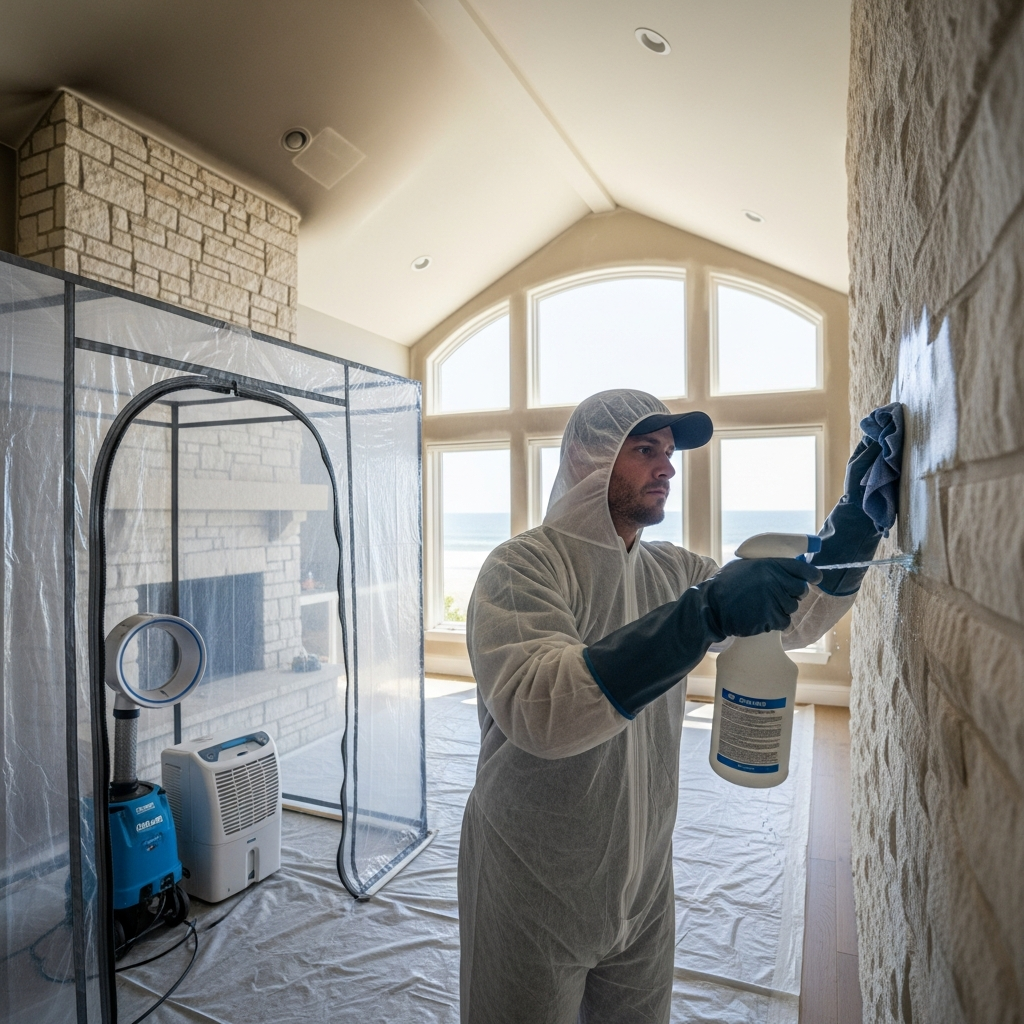
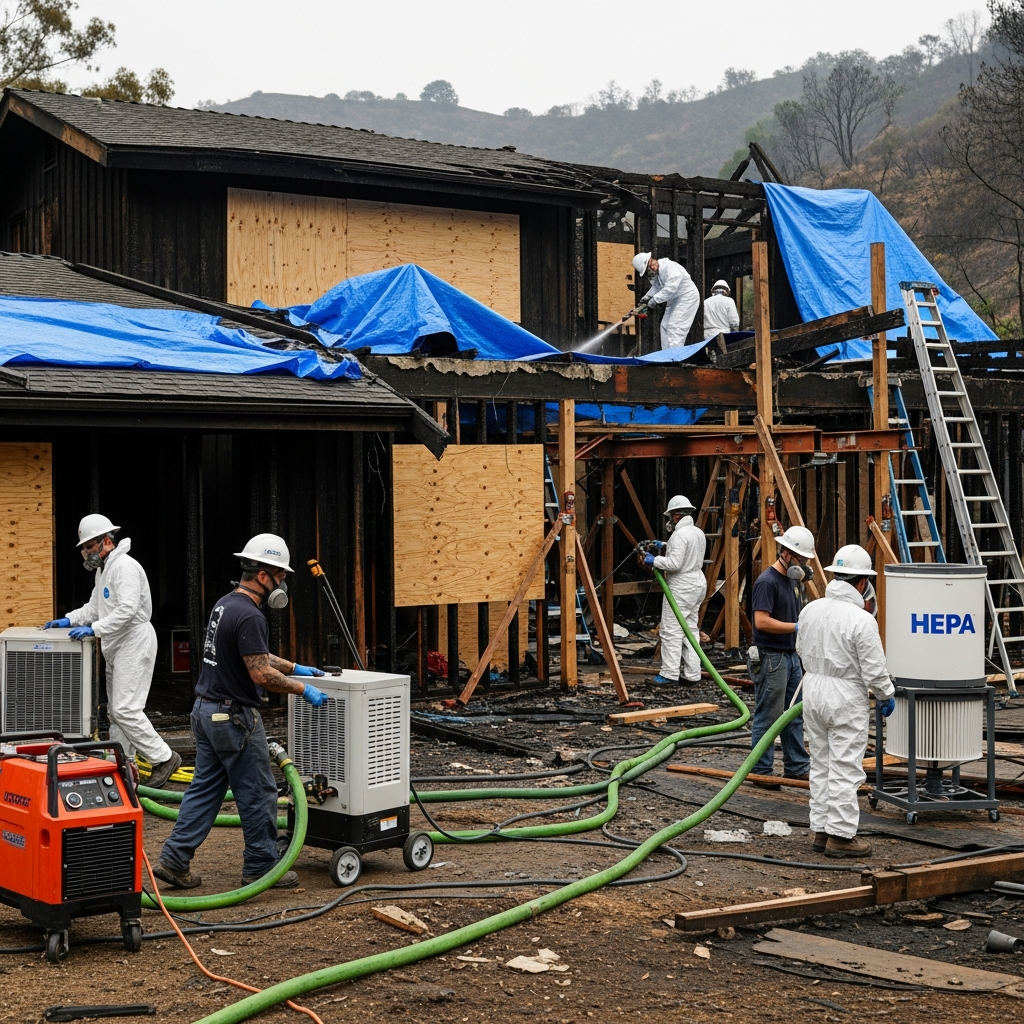
Stabilization starts with life safety and property protection: securing openings, tarping roofs, and setting HEPA-filtered negative air to improve indoor air quality. In the commercial context, we pair those steps with a business continuity lens. Can a portion of the space remain open behind effective containment? Are there temporary egress paths that satisfy safety requirements? Can deliveries be rerouted and staging tucked away from guest sightlines? These decisions happen in the first walk-through, ensuring that immediate actions today do not complicate operations tomorrow.
Documentation is equally critical. Detailed condition reports, inventories of equipment and stock, and mapping of soot levels by area support insurance alignment and internal decision-making. When multiple stakeholders are involved—owners, tenants, franchise representatives, insurers—we streamline communication so approvals do not become bottlenecks. The goal is informed momentum.
Sector-Specific Considerations
Restaurants and food service operations must meet health codes even during recovery. Protein residues from kitchen fires are stubborn and odorous; they require degreasing, repeated rinses, and attention to hidden surfaces such as hood interiors and make-up air pathways. Any affected food stock is typically discarded, while sealed items are evaluated case by case. Equipment remains off until fully cleaned and inspected to avoid corrosion or contamination.
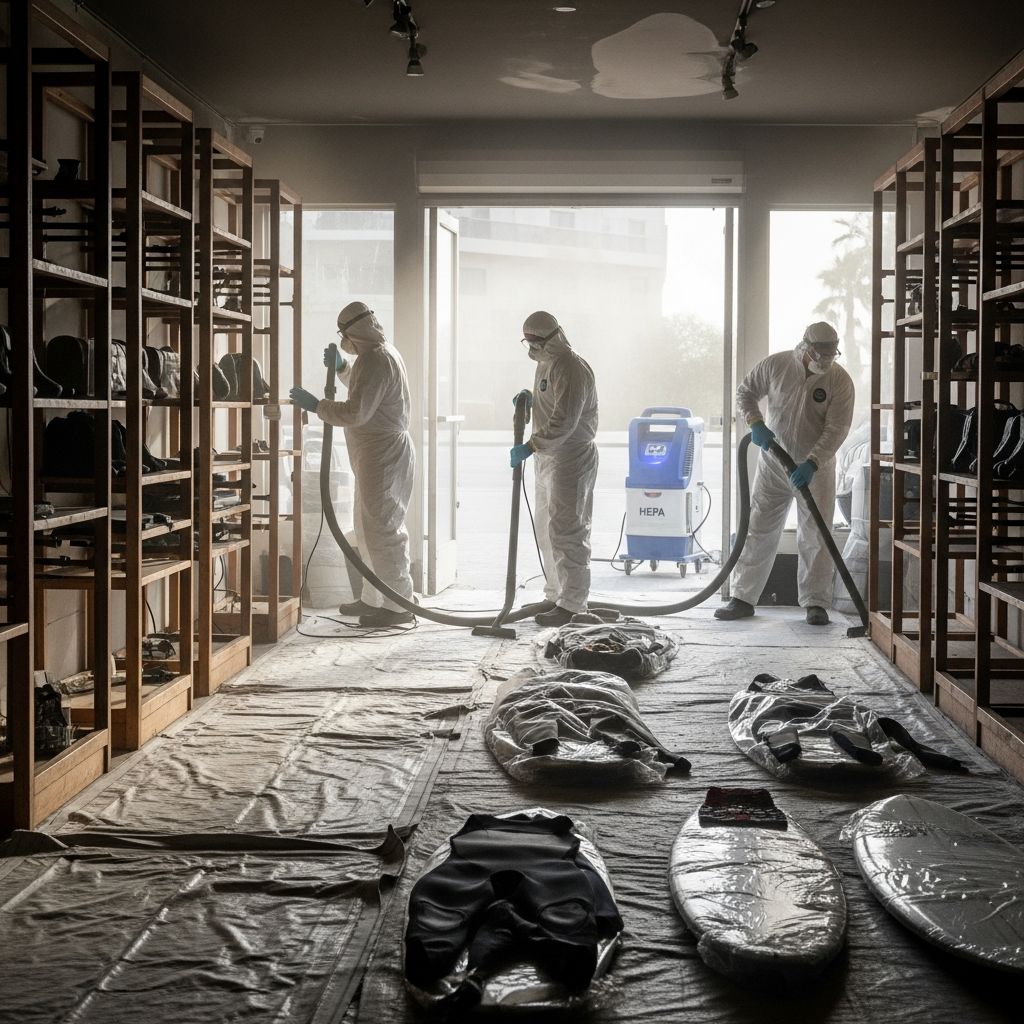
Retail spaces prioritize presentation and schedule. Merchandise receives triage: what can be cleaned onsite, what needs offsite treatment, and what is unsalvageable. Fitting rooms, back-stock areas, and HVAC components get special attention because they can harbor odors that undercut the guest experience. Clean work that happens after hours, with quiet equipment and careful dust control, maintains brand standards even during recovery.
Studios, galleries, and offices often include electronics, instruments, and sensitive finishes. Soot plus salt air creates a corrosive film; early neutralization prevents long-term failures. For artwork and instruments, conservation protocols guide handling, packing, and climate-controlled storage. Where confidentiality or content control matters, we tailor access plans and chain-of-custody documentation to protect clients’ trust.
Air Quality and Occupant Perception
In commercial spaces, the perception of cleanliness is as important as the reality. Guests and staff notice odors and haze immediately. Continuous HEPA filtration and negative air management improve indoor air from day one. Entry paths, lobbies, and guest-facing areas are prioritized so the first impression aligns with your brand. In the background, more intensive cleaning and deodorization proceed area by area, using methods matched to materials and occupancy. Hydroxyl treatment often plays a role because it allows ongoing operations while reducing odor, but never at the expense of source removal, which remains the cornerstone of success.
HVAC systems influence both comfort and recontamination risk. Filters are upgraded, returns inspected, and ducts cleaned where testing shows deposition. Only when air handling tests clean do we bring systems fully back online. This discipline prevents a frustrating cycle in which every morning “smells like smoke again.”
Cleaning Methods for Commercial Materials
From polished concrete and stone to painted drywall and custom millwork, commercial interiors require varied approaches. Dry cleaning captures loose soot without smearing. Where residues are oily, emulsifying detergents and controlled rinsing prevent streaks. For structural wood or areas with light char, dry ice or soda blasting removes carbon without saturating materials. Metals receive neutralization and corrosion inhibitors suited for the coastal environment. Flooring is protected with breathable coverings so work can continue without damaging finishes, and pathways are maintained safely for staff and guests.
Contents handling is meticulous. Inventory systems track each item, its condition, destination, and return date. High-value stock and equipment receive priority stabilization. Where pack-out is necessary, we coordinate transport and storage to minimize downtime and protect warranties and calibrations, especially for specialized devices.
Compliance, Permits, and Communication
Commercial restoration intersects with multiple authorities: city building departments, health inspectors, fire marshals, and, in some cases, Cal/OSHA when work areas remain partially occupied. Early, proactive communication with these stakeholders keeps the project aligned with requirements and avoids surprises. Where permits are required—structural repairs, electrical work, or significant alterations—we build those steps into the schedule and highlight dependencies so your leadership team can plan around them.
Transparent reporting supports decision-making. Regular briefings and dashboards with progress, air quality data, and upcoming milestones make it easier to coordinate staffing, purchasing, and guest communications. Restoration is a team sport; owners, managers, staff, and restoration professionals each contribute to a faster, smoother return to business.
Resilience and Reputation
Every recovery is also a chance to strengthen resilience. Upgrading to ember-resistant vents, adjusting exterior materials near entries, improving door seals, and enhancing filtration quietly prepare the property for the next offshore wind event or regional wildfire. Thoughtful landscaping within defensible space guidelines protects structures without sacrificing aesthetics. These upgrades, while subtle, support the reputation Malibu businesses work hard to maintain: open, welcoming, and ready for guests even in a challenging environment.
Brand perception hinges on details. Dust on a display, a faint odor in a guest room, a smoky tinge to HVAC air—small things can become online reviews that linger. The best commercial plans tackle these edges first, staging clean, odor-free zones while deeper work continues out of sight. The effect is cumulative: each finished area builds confidence among staff and guests that the business is back to its standard of excellence.
Frequently Asked Questions
How quickly can our business reopen part of the space?
It depends on the extent of damage and your layout, but with effective containment and air management, many businesses open limited areas within days for essential operations or guest services. Safety, air quality, and brand standards guide the decision.
Will restoration disrupt our guests?
We plan work to minimize disruption—quiet equipment where possible, after-hours tasks in guest-facing zones, and clear signage to maintain professional presentation. Communication with staff ensures consistent messaging and smooth day-to-day operations while work proceeds.
How do you handle inventory and specialized equipment?
With detailed chain-of-custody and condition reports. Items are photographed, labeled, and tracked through cleaning or pack-out. Sensitive equipment is cleaned under controlled conditions and tested before return to service to protect warranties and calibrations.
Can odors be removed while we stay open?
Yes, by pairing continuous air filtration and hydroxyl treatment with aggressive source removal in closed work zones. We verify progress with particulate and odor checks so guest-facing spaces remain pleasant and clean.
What about permits and inspectors?
We coordinate early with relevant authorities—building, health, and fire—and integrate their requirements into the schedule. Keeping them informed reduces delays and ensures a compliant, safe reopening.
How do Malibu’s coastal conditions affect commercial recovery?
Salt in the air accelerates corrosion on metals and electronics, especially when combined with soot and humidity. Early neutralization and moisture control protect finishes and equipment. Scheduling considers marine layers and onshore winds to reduce recontamination.
Plan the Path Back to Business
Your business is more than a building; it is a team, a culture, and a promise to your guests. With disciplined planning, precise cleaning, and clear communication, we help you keep that promise even after a fire. If you need a partner who understands timelines, brand standards, and Malibu’s coastal context, let’s talk. For discreet, effective fire damage restoration in Malibu, our commercial specialists are ready to help you reopen with confidence.