On days when the canyon roads are clear and the ocean air drifts inland, it is easy to forget how quickly smoke can mark a home. Then a small kitchen flare-up or a wind-driven ember reminds us that in the Malibu-Encino corridor, smoke and fire damage travel faster than most people expect and settle deeper than most people realize. I have stepped into living rooms where sunlight streams through glass walls yet the air holds a hint of protein smoke, an almost sweet, stubborn odor that lingers in draperies and vents. Recovery here requires an approach tuned to the pathways smoke follows across coastal homes and the precise methods needed to lift residues without spreading them further. If you are looking for clear guidance and a steady hand, you can begin with keyword for a sense of what a thorough plan looks like.
Encino sits just over the ridgeline, a practical home base for rapid response into Malibu’s neighborhoods from Las Flores Canyon to Zuma and beyond. That proximity matters. When an incident happens, speed protects the structure, and local knowledge protects the details that define a home. It is one thing to know the theory of smoke migration; it is another to understand how a coastal breeze at dusk can pull odor into a room you would never expect, or how a sudden temperature shift across a glass wall can drive fine soot beneath trim and into adjacent spaces.
How Smoke Behaves and Why It Matters
Smoke is a traveler, and not all smoke is alike. Dry soot from a fast, high-heat event settles like a fine, powdery layer that responds to careful vacuuming and dry cleaning pads. Wet soot, born of lower temperatures or synthetic materials, forms a sticky film that smears with the wrong cleaner. Protein residues from cooking are almost invisible yet tenacious, carrying an unmistakable odor that drifts through HVAC systems and adheres to varnished wood, painted cabinets, and textiles. Understanding what formed in your home is the key to undoing it without driving particles deeper or setting stains.
In Malibu-area properties, expansive layouts, vaulted ceilings, and interconnected HVAC return paths give smoke multiple routes to roam. A living room on one level may be unaffected while a tucked-away guest suite carries the brunt of the odor, simply because the airflow favored that path during the event. The best inspections feel like detective work—light, meticulous passes that reveal where residues are and, just as important, where they are not. That information shapes the cleaning sequence so we do not bring soiled tools or rags into clean zones.
Stabilization: Securing the Structure and the Air
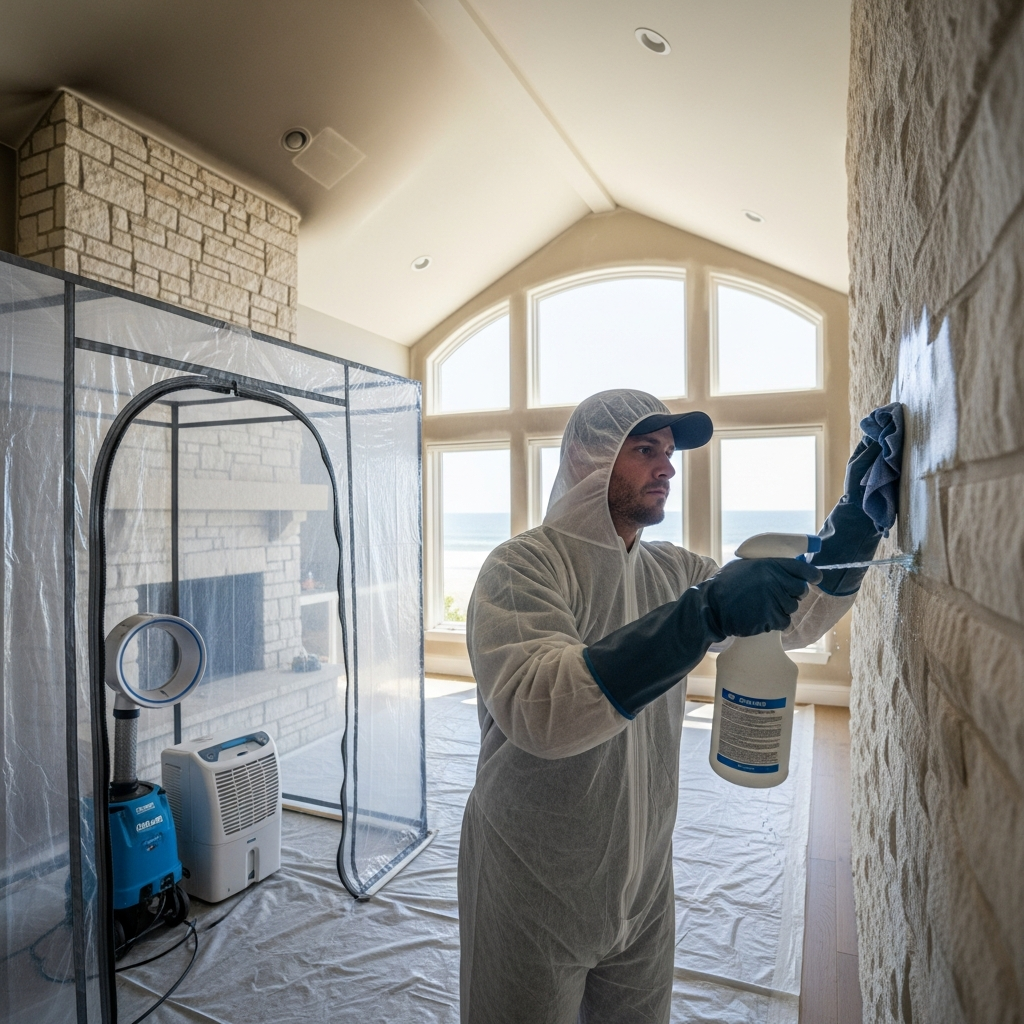
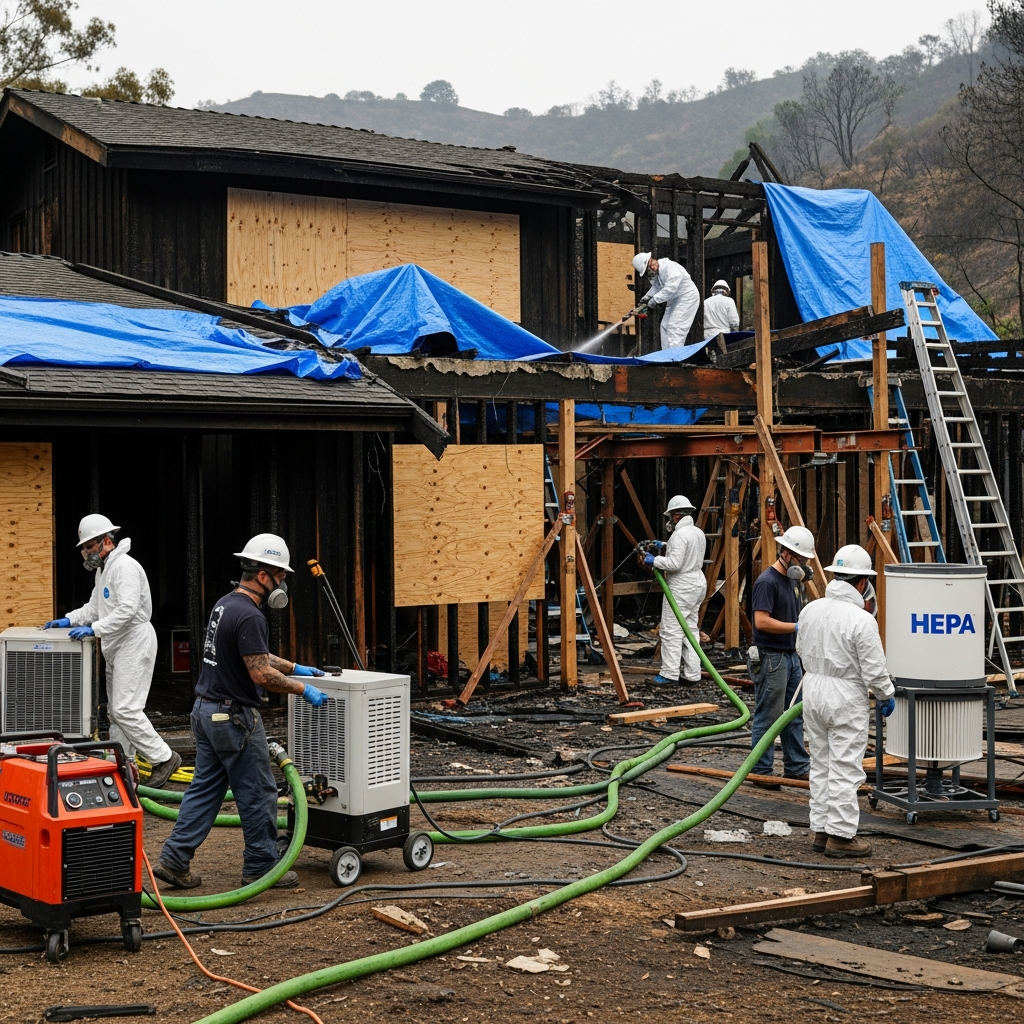
Early actions decide whether the situation remains contained or becomes a home-wide problem. We begin by setting up air filtration with HEPA devices, creating negative pressure in the affected areas so that microscopic particles and odors do not drift into clean rooms. Openings are sealed, compromised windows and doors are secured, and thermal imaging helps us find any hidden moisture from firefighting before it evolves into secondary damage. On coastal properties, we also consider the marine layer’s effect overnight, adjusting drying strategies to stay ahead of humidity swings.
Every step favors precision over speed for its own sake. A rushed wipe-down can grind soot into a finish; a delayed filtration setup can spread odor to spaces that were not originally impacted. The right pace is steady and disciplined, informed by measurements and the way the home responds hour by hour.
Cleaning that Respects Surfaces and Finishes
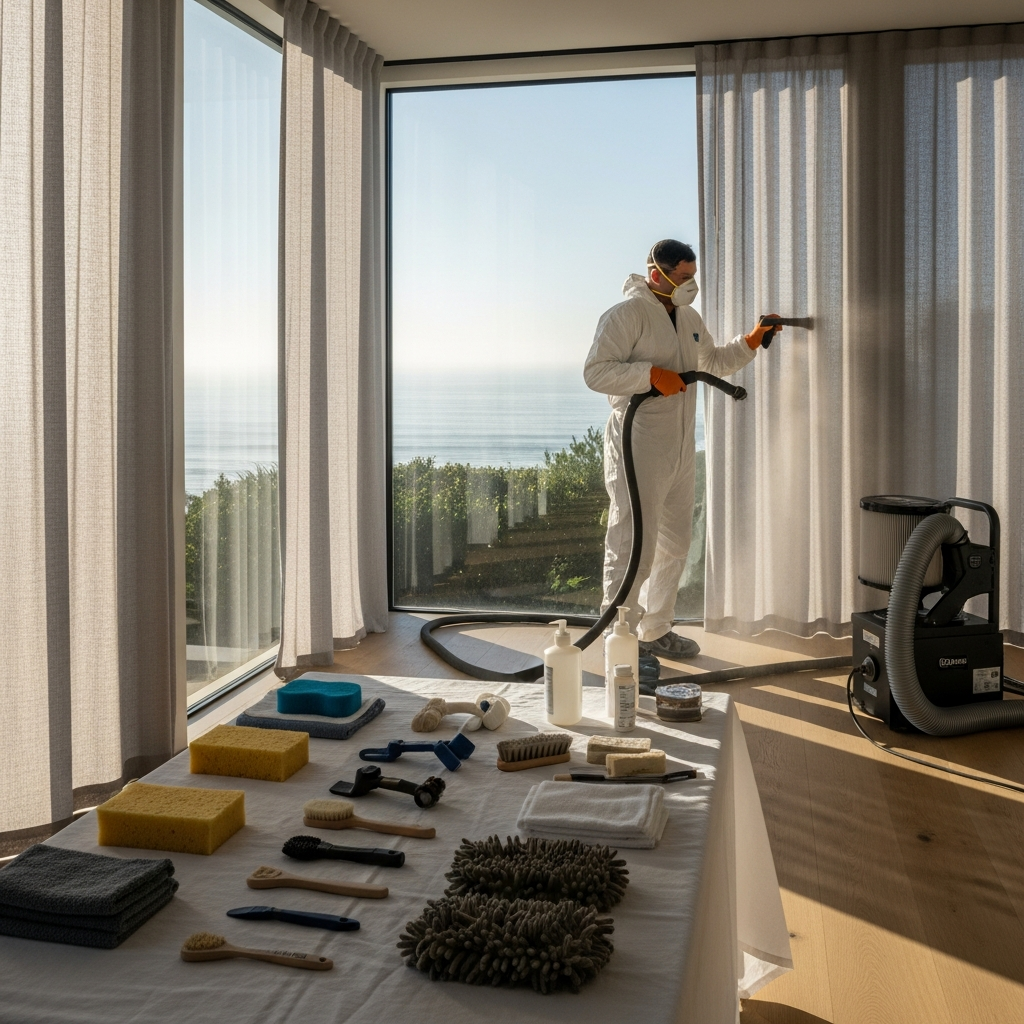
Cleaning is where expertise shows most clearly. In homes that feature natural stone, hardwood, Venetian plaster, or specialty cabinetry, the wrong cleaner or technique can etch, dull, or drive residues deeper. We start with dry removal—HEPA vacuuming and dry sponging—to lift particulates without smearing. Where residues are wet or oily, we choose detergents that match the chemistry of the soot and the sensitivity of the surface, working from the least aggressive method upward only as needed. On wood, that might mean a pH-neutral approach; on painted trim, a controlled detergent with frequent towel changes to avoid re-depositing soil.
Protein residues call for special care. They may barely show on walls but announce themselves with persistent odor. We track them through kitchens, pantries, nearby hallways, and especially into HVAC return paths. Complete removal, not cover-up, is the cure. Once surfaces are clean, we move to deodorization that reaches the voids smoke found: fogging to penetrate, vapor-phase treatments for even distribution, and, where required, sealing of structural wood whose pores hold stubborn odor.
HVAC Systems: Gateways and Guardians
Ventilation can be a friend or a foe after a smoke event. We typically isolate affected systems immediately, replace filters, and, when indicated, schedule professional cleaning of ducts and coils. In Malibu homes where systems may serve multiple wings or levels, it is vital to understand which zones ran during the incident. Thorough care here prevents the frustrating experience of cleaning a room only to have odor return when the air conditioner cycles on.
Contents Care with Malibu Lifestyles in Mind
From handcrafted guitars to surfboards stored neatly in a garage bay, the contents of Malibu-area homes reflect lives lived close to the water and often on the move. We handle contents with the same measured approach we bring to structure. Textiles are triaged for specialty laundering; leathers and woods receive gentle cleaning and conditioning; and artwork or high-value collectibles are routed to conservators accustomed to coastal considerations. Pack-outs are inventoried down to the shelf, and items return only when they meet clear standards for cleanliness and odor-free condition.
Communication and Coordination
Even a well-managed restoration can feel like an interruption of life’s rhythm. Our job is to reduce that friction by setting expectations early and communicating clearly. Daily or near-daily updates explain what was completed, where we are headed next, and how any decisions you make will shape the schedule. If approvals or inspections are required, we coordinate them and build the work plan around those milestones. When you know the plan and can see steady progress, the home begins to feel like yours again, long before the last touch-up is finished.
Documentation Aligned with Insurance
Thorough records turn a stressful moment into a structured process. We assemble photo logs, inventories, moisture readings, and detailed cleaning protocols that speak the language adjusters expect. The documentation is not a separate chore; it is the narrative of your project, chapter by chapter, proving what was affected, how it was treated, and why the result is sound. In my experience, well-documented jobs move more smoothly, and everyone involved stays aligned around the same facts.
As you navigate options and next steps, it helps to have a steady reference point. For a concise overview you can return to while planning, bookmark keyword and use it to keep track of the essentials without getting lost in the noise.
Rebuilding: Restoring Function and Feel
When we shift from cleaning to reconstruction, our aim is to return not just the look but the feel of your home. That might mean restoring the satin sheen on a favorite banister, matching the grain and tone of a custom cabinet door, or replacing a section of flooring in a way that disappears into the original field. In open, light-filled Malibu interiors, minor variances stand out, so we approach finishing work with the same attention to detail we gave to the earliest cleanup.
Resilience for the Future
Restoration opens a brief window to make thoughtful improvements. Upgraded kitchen ventilation can prevent proteins from accumulating in the first place. Thoughtful compartmentalization and air sealing can slow smoke migration if another event occurs. Even simple adjustments—better return air placement, smarter filter choices, or strategic use of materials more resistant to staining—can pay quiet dividends. The goal is not to change what you love about your home, but to reinforce it against the risks that coastal living occasionally brings.
FAQ
Q: Why does the odor seem worse in the morning?
A: Overnight humidity and cooling can cause residues to re-emit odors. In coastal areas, the marine layer can amplify this effect. Stabilizing humidity and continuing air filtration reduces morning odor spikes over time.
Q: Can I start cleaning walls myself?
A: Light vacuuming with a HEPA filter can help, but avoid wet cleaning until residues are identified. Using the wrong solution can smear soot or fix stains. A professional assessment ensures the first pass is the right one.
Q: How long will air scrubbers need to run?
A: It depends on the size of the affected areas, residue type, and ventilation pathways. We run HEPA filtration continuously during active cleaning and often for a period afterward to capture remaining particulates and odors.
Q: Is it safe to use my HVAC during cleanup?
A: We typically isolate systems until filters are changed and ducts are assessed. Running the system too soon can redistribute particles and odor. After cleaning and verification, normal operation can resume.
Q: What items are most challenging to restore?
A: Porous materials that absorbed protein smoke, unsealed woods, and intricate textiles can be challenging but are often restorable with the right techniques. Early evaluation improves outcomes.
Q: Will my home smell like chemicals after deodorization?
A: Effective deodorization targets the source and avoids heavy masking agents. Any treatment scents dissipate as the space is aired out, leaving a neutral environment rather than a perfumed one.
When you are ready to reclaim your rooms and their familiar rhythm, choose a team that understands both the science of smoke and the cadence of life along the coast. If you want a steady, local partner to guide you from the first assessment to the last walkthrough, start the conversation today. To begin with a trusted resource and plan your next steps, visit keyword and let’s set your home firmly on the path back to normal.