Malibu’s identity is inseparable from its environment—bluffs that glow at golden hour, canyons alive with chaparral, and a coastline that draws the world. When a fire touches this landscape, the imperative to restore homes quickly intersects with a deeper responsibility: protect the place we love. Understanding the environmental impact of fire damage restoration helps homeowners make choices that respect both their properties and our shared ecosystem. It is about more than compliance; it is about stewardship. For a primer on core restoration steps and how they can align with greener practices, you can begin with this accessible keyword to frame the conversation.
From Emergency to Ecology: Seeing the Full Picture
After any fire, the immediate priority is safety—stabilize the structure, secure openings, and address water and soot. Yet each of these steps carries environmental considerations. Water extraction and drying require energy; debris removal produces waste streams; cleaning agents introduce chemistry to indoor and sometimes outdoor air. In Malibu, where homes sit near sensitive habitats and stormwater drains to the ocean, the margin for error is small. Environmentally mindful restoration begins with containment: preventing cross-contamination within the home and ensuring that anything leaving the site—air, water, or debris—is managed thoughtfully.
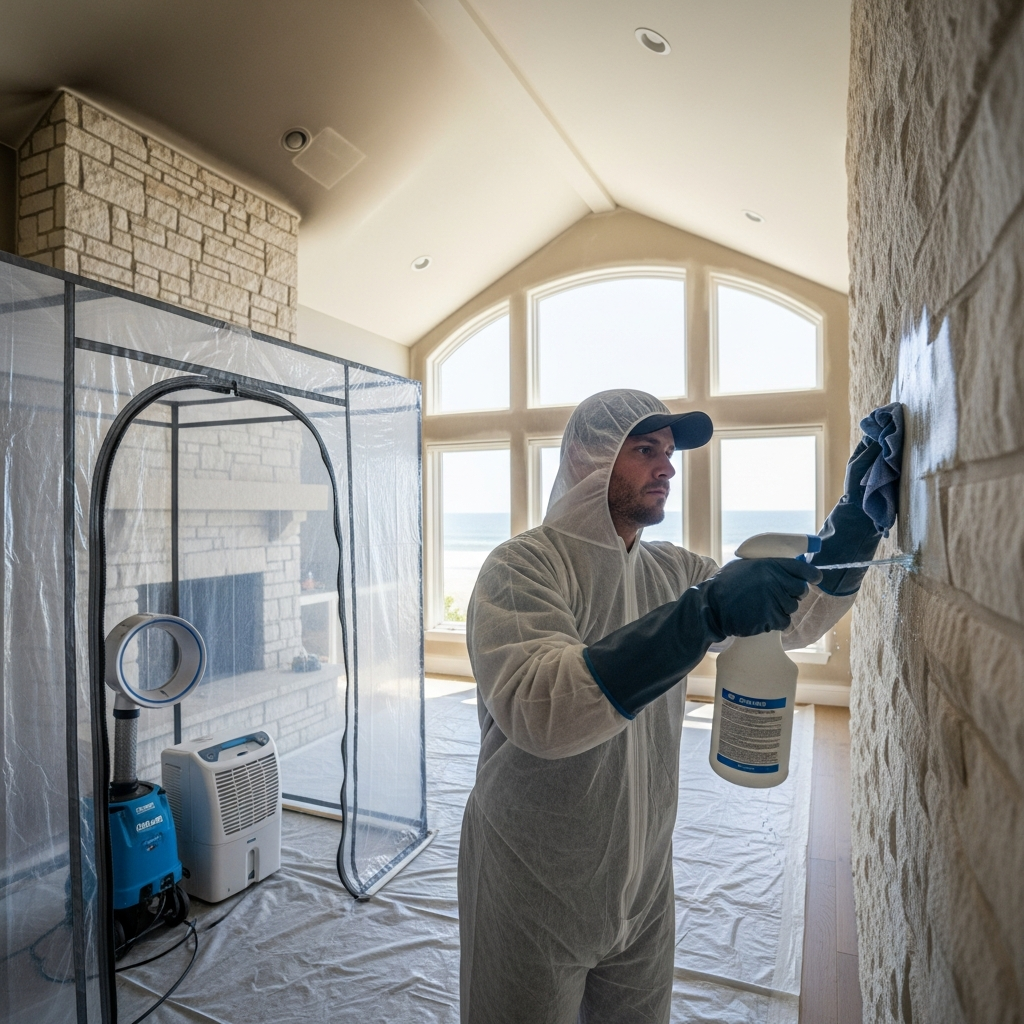
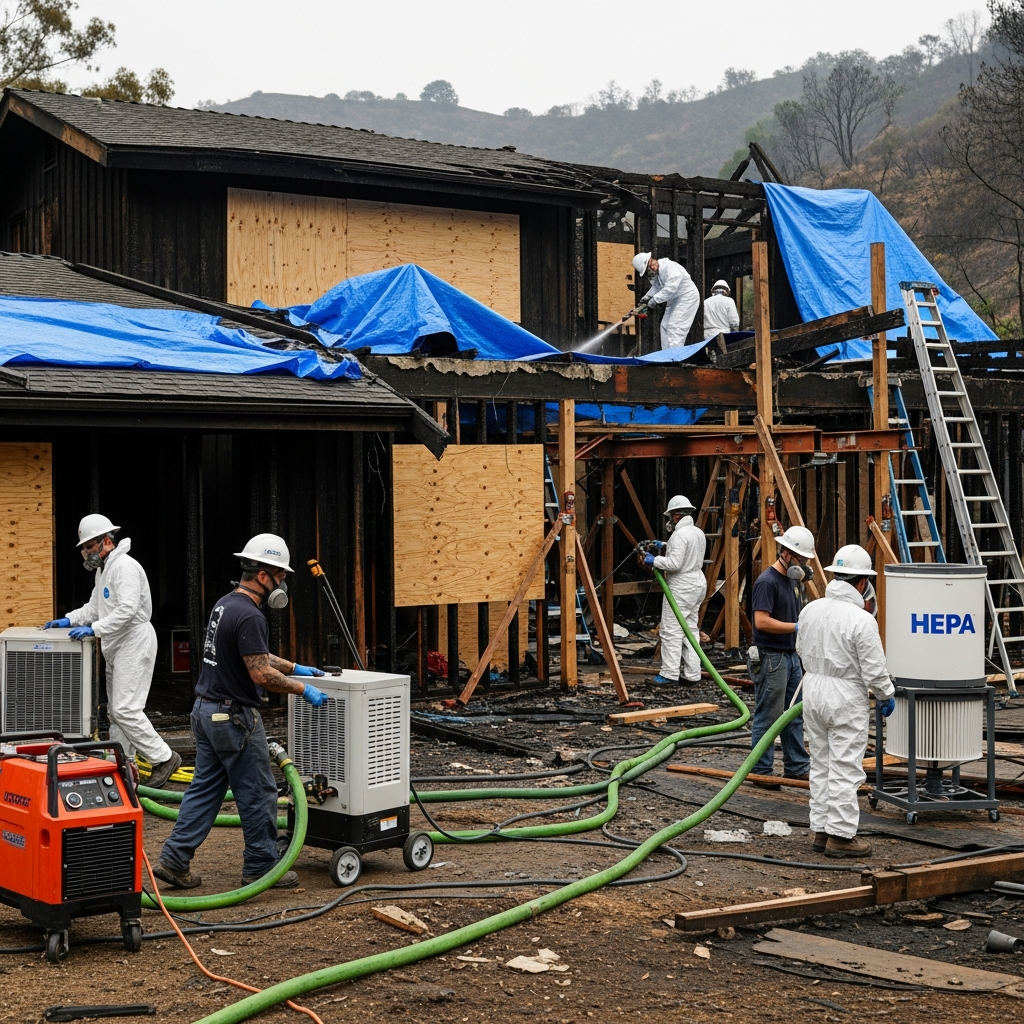
Containment measures also benefit the broader community. Negative air machines with HEPA filtration capture fine particulates rather than venting them outdoors, and temporary barriers reduce the spread of soot into unaffected rooms, lowering the volume of materials that ultimately require cleaning or disposal. This precision, measured in small choices, adds up to a smaller footprint.
Waste Streams and Responsible Disposal
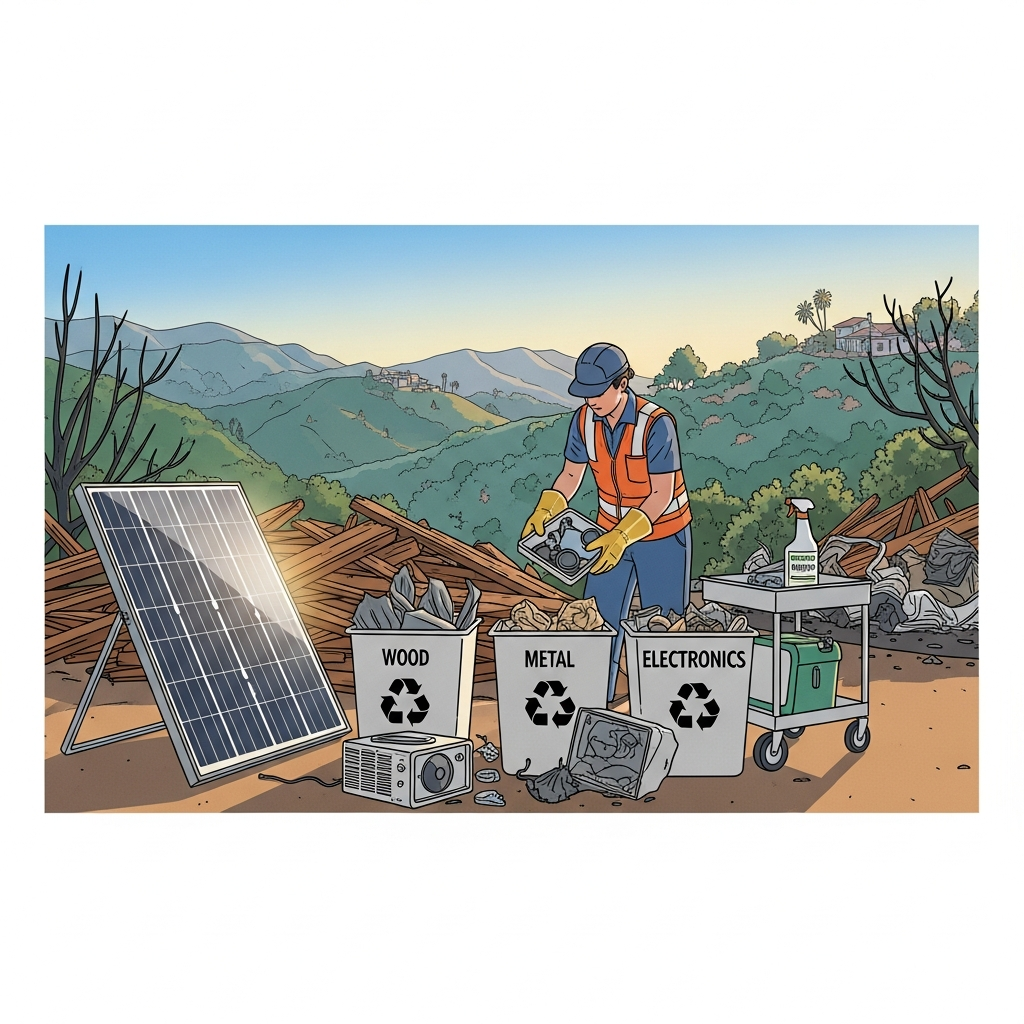
Debris from fire restoration ranges from charred framing to damaged textiles and electronics. Not all waste is equal, and in Malibu, disposal pathways matter. Metals and clean wood may be recyclable; certain finishes or composites require special handling. Electronics exposed to soot often contain materials best diverted from landfills through e-waste programs. Restoration teams familiar with local facilities plan sorting on-site, which reduces mixed loads and avoids unnecessary trips—an efficiency win with environmental benefits.
Source separation has another upside: clearer documentation. When you can show where materials went and how volumes were minimized, you align with local expectations and demonstrate environmental diligence. For many homeowners, this is not just about rules—it is a reflection of values that fit the coastline we call home.
Cleaning Chemistry and Indoor Air
Choosing cleaning agents is one of the most consequential environmental decisions in restoration. The goal is to remove contaminants without introducing new ones. Low-VOC, biodegradable products can meet performance standards when matched to residue type and surface. The key is testing and precision rather than a one-size-fits-all approach. In Malibu’s homes, where windows open to sea air and families spend the bulk of their time, the calculus favors chemistry that is effective and gentle.
Odor neutralization deserves special mention. Advanced methods—hydroxyl generators or properly applied ozone in controlled conditions—break down odor molecules without leaving residues. Equally important is ventilation planning: purging spaces after treatments and verifying air quality with calibrated instruments. When these steps are handled well, indoor environments rebound without a chemical hangover.
Energy Use and Equipment Strategy
Drying and air filtration consume energy, and long runtimes are common after a fire with water suppression. An environmentally aware strategy starts with measurement. By mapping moisture precisely and using data loggers for temperature and humidity, teams can right-size equipment rather than overdeploying. Proper sealing of the building envelope during drying prevents conditioned air loss. In Malibu’s variable climate—foggy mornings, warm afternoons—seasonal tuning matters; sometimes, strategic ventilation can assist mechanical drying and reduce runtime.
Maintenance also plays a role. Clean coils, well-positioned ducting, and timely filter changes keep machines efficient. These operational details may seem small, but across days or weeks, they lower energy draw and noise impact for both the household and neighbors.
Water Stewardship
Firefighting introduces large volumes of water into a home. Extraction and dehumidification handle the aftermath, but what about greywater and potential contaminants? Responsible restoration plans consider containment mats, careful routing of discharge, and prevention of soot-laden water from entering storm drains. Malibu’s proximity to the ocean turns every drain into a potential pathway to marine life. Many teams coordinate with local guidelines to ensure that discharge meets expectations and that any chemical residues are captured and disposed of properly.
Inside the home, early removal of saturated materials reduces the load on drying equipment and shortens the path to stability. That is an environmental win as much as a practical one—less energy, less noise, and fewer consumables used over time.
Materials, Reuse, and Rebuild Choices
Once cleaning and drying are complete, rebuilding begins. Material selection is where homeowners have profound influence on environmental impact. Choosing low-VOC paints and finishes, sustainably sourced wood, and durable materials that will not need replacement soon aligns with both health and longevity. Where feasible, salvaging trim, doors, or fixtures preserves character and reduces demand for new manufacturing. Malibu’s design language often celebrates patina and natural textures; skillful restoration can incorporate recovered elements in a way that feels authentic rather than compromised.
Insulation and air sealing deserve attention too. Post-fire access to walls and attics is an opportunity to improve energy performance with modern materials, better duct sealing, and thoughtful ventilation. The result is a home that uses less energy year-round, turning a difficult event into a catalyst for efficiency.
Transportation and Site Logistics
Truck trips, generator use, and deliveries carry their own footprints. Coordinated scheduling, consolidated loads, and shore power instead of portable generators where possible all reduce emissions. In Malibu’s narrow streets and sensitive neighborhoods, fewer trips also mean less congestion and noise. The operational discipline that speeds a project often overlaps with the choices that lighten its environmental touch.
Communication with neighbors is part of environmental respect. Letting them know when noisier phases will occur and when equipment will be onsite builds goodwill and reduces surprises. Shared awareness keeps everyone aligned on the balance between swift recovery and peaceful surroundings.
Compliance as a Floor, Not a Ceiling
Regulations set minimums, but Malibu homeowners often aim higher. Adhering to Cal/OSHA safety measures, managing hazardous materials, and following local waste protocols are the baseline. Many choose to exceed them: adopting greener products, documenting diversion rates, and asking for verification of air quality improvements. This culture of care is part of what makes our community resilient.
Measuring What Matters
Data turns intention into proof. Air sampling, moisture logs, and equipment runtime records provide insight into both project performance and environmental impact. When you can point to shorter drying cycles due to precise measurement or demonstrate low-VOC choices in finishes, you elevate the conversation from claims to evidence. For homeowners, these records also become part of the property’s story—evidence that the home was not only restored but restored responsibly.
Frequently Asked Questions
Q: Do eco-friendly cleaning products actually work on soot? A: Yes, when matched to residue type and used correctly. The key is testing and technique rather than defaulting to the harshest option.
Q: Is ozone safe for deodorization? A: Ozone must be used in unoccupied spaces and vented properly afterward. When applied by trained professionals within guidelines, it is an effective tool among others, not a cure-all.
Q: Can materials from a fire-damaged home be recycled? A: Many can. Metals, certain woods, and intact fixtures are candidates. Sorting on-site and working with appropriate facilities increases diversion rates.
Q: How can I reduce energy use during drying? A: Right-size equipment based on measurements, seal the building envelope, and use natural ventilation strategically when weather supports it. Maintenance on machines also improves efficiency.
Q: What about wastewater from cleaning? A: Responsible teams prevent contaminated water from entering storm drains and follow local guidelines for disposal, protecting our creeks and ocean.
Restoring your home and caring for Malibu’s environment can happen together. If you are looking for a place to start and a partner who understands both the technical and ecological sides of recovery, explore this helpful keyword and move forward with confidence that your choices honor the coastline we share.