In Malibu, the line between ocean breeze and canyon wind can change in an instant, and when it does, homeowners know how quickly a small spark can become a larger problem. That is why understanding the benefits of professional fire damage restoration is not just a convenience here—it is a form of resilience. From the coastal fog that permeates building materials to the way Santa Ana winds move ash and soot across neighborhoods, local conditions in Malibu shape both how fires spread and how properties recover. Early action, coordinated support, and the right technical approach are everything, and that is where purpose-built services become a lifeline. If you are just beginning to explore your options, the best first step is to learn what comprehensive restoration actually delivers, and how it differs from a basic cleanup. For more insight during the initial phase, you can also review trusted local resources like this keyword to understand scope and process.
Malibu’s landscape teaches lessons about recovery every year. Canyons and ridgelines funnel wind, while coastal humidity mixes with soot to create a sticky residue that clings to surfaces and penetrates porous materials. Professional restoration recognizes these hyper-local dynamics. Teams trained for our climate understand that a beachside home may present salt-laden corrosion risks after fire suppression, while a hillside property could be dealing with ash intrusion into crawlspaces and attics. The benefit of calling in specialists is not only about speed; it is about precision—knowing which materials can be salvaged, which must be removed, and how to safeguard indoor air quality during every step of the work.
Restoring More Than Walls: The Health and Safety Advantage
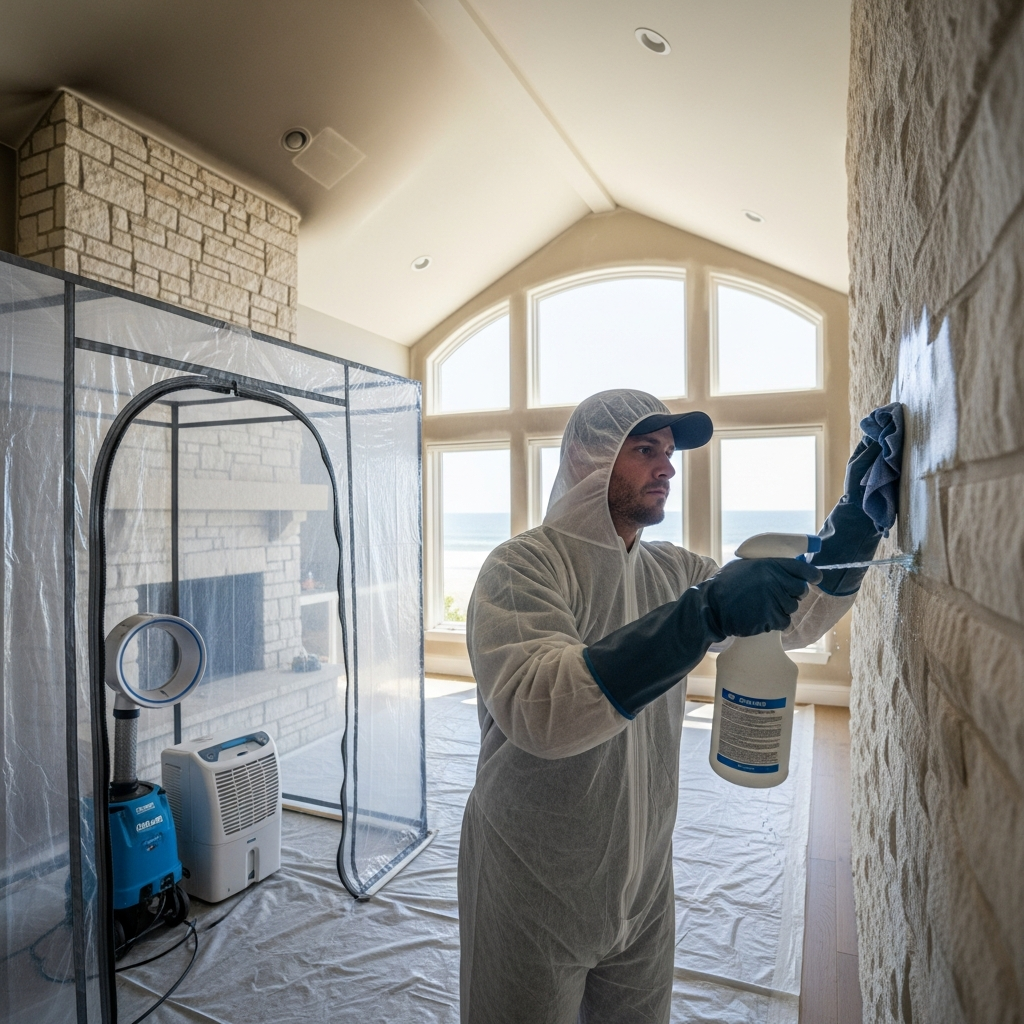
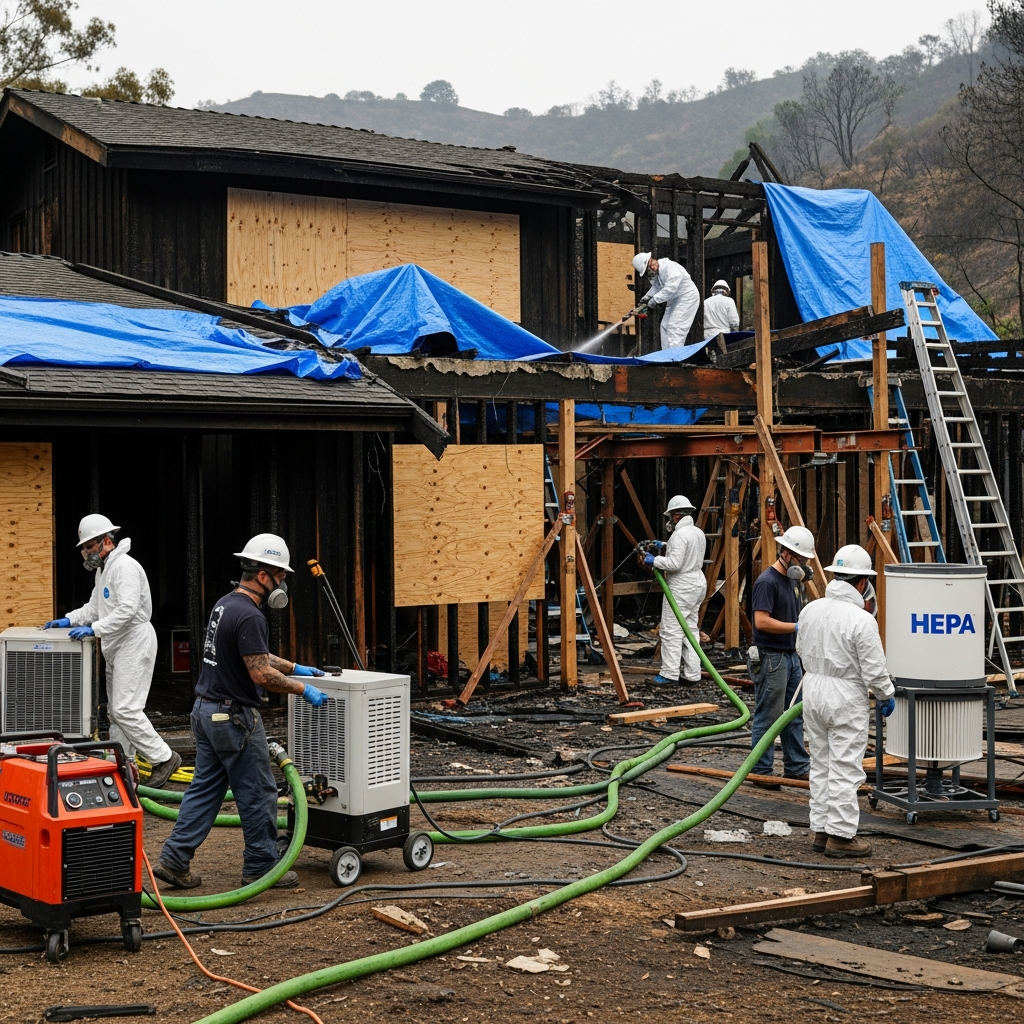
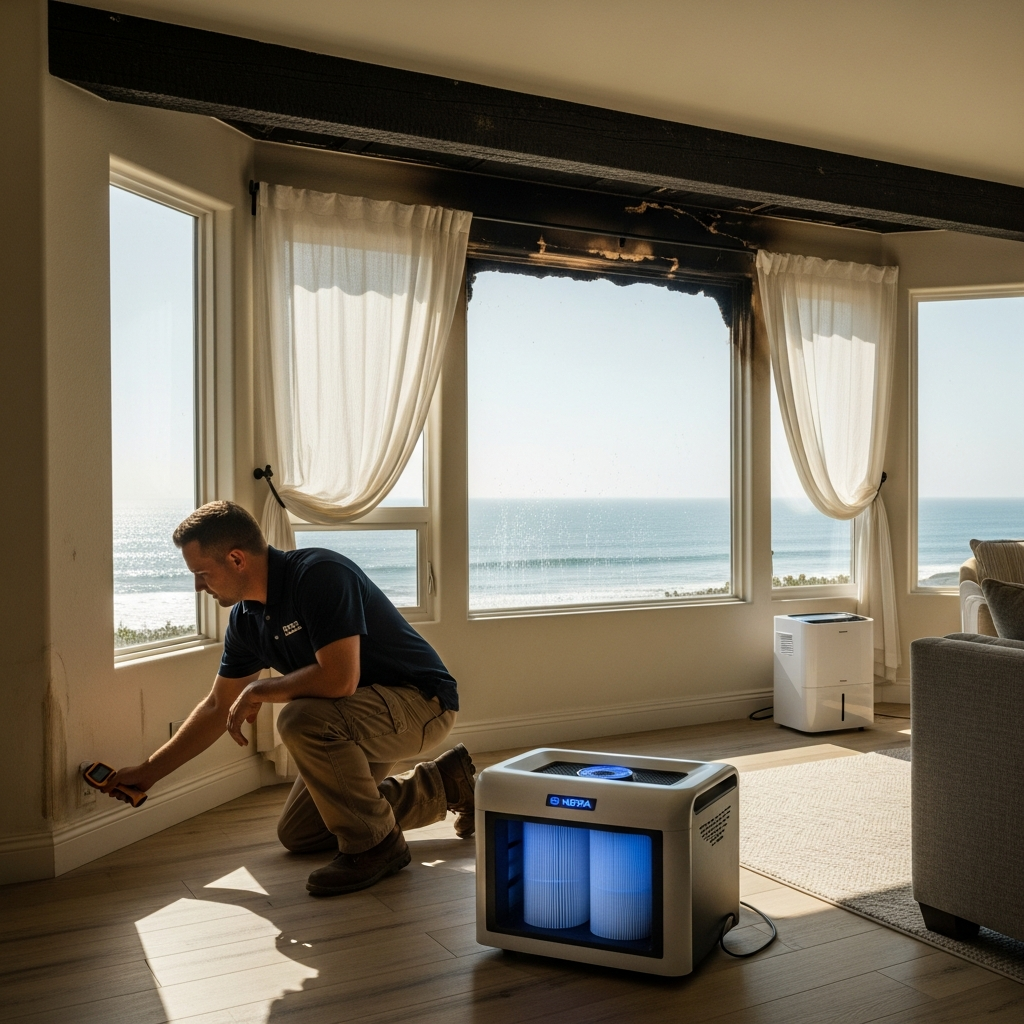
It is tempting to think of fire damage purely in terms of char and discoloration, but the invisible aftermath can be more consequential. Fine soot particles can migrate through HVAC systems, lodge in textiles, and remain airborne long after obvious debris is gone. Malibu homeowners, especially those near canyon corridors, often report a lingering campfire smell that seems impossible to shake. That odor is a sign of volatile organic compounds and microscopic residues that require specialized filtration and cleaning methods. Certified restoration includes containment zones, negative air pressure, and HEPA-grade filtration to strip particulates from the air. In addition, professionals select cleaning agents that neutralize residues without introducing harsh byproducts that could irritate respiratory systems. The result is a home that looks clean and is measurably healthier to live in.
There is also a structural health dimension. Heat can alter the temper of metal fixtures, compromise fasteners, and cause hidden warping in framing members. Moisture from firefighting introduces its own risks: where there is water, there is a timeline for microbial growth. The most valuable benefit of professional intervention is a holistic assessment that maps the cascade of effects from fire, smoke, and water together. Instead of addressing symptoms piecemeal, a good plan sequences mitigation, drying, decontamination, and rebuild so that each step supports the next.
Speed, Sequencing, and Documentation
Time is leverage in restoration. The faster a crew can stabilize a building—boarding up exposures, isolating affected rooms, and extracting water—the more materials remain salvageable. But speed alone is not enough in Malibu, where permitting considerations and neighborhood access can vary after a major event. Skilled teams coordinate with local officials, utility providers, and, when necessary, HOA guidelines to ensure the work stays compliant and uninterrupted. Just as important is documentation. High-resolution photos, moisture maps, and itemized inventories of contents create an objective record that supports insurance claims and smooths conversations with adjusters. This level of transparency is a quiet but critical benefit; it reduces stress, keeps decisions grounded in evidence, and helps you prioritize what to restore, what to replace, and what to store.
Sequencing matters too. For example, removing certain smoke-damaged finishes before drying can prevent setting odors deeper into substrates. Conversely, rapid dehumidification without temperature control can exacerbate warping of wood floors. Local expertise means understanding how Malibu’s coastal air changes drying curves compared with inland cities. Coastal fog and cooler evening temps influence how fast materials release moisture, and that information guides how crews position equipment and schedule check-ins.
Salvaging What Matters: Contents, Textiles, and Heirlooms
Every home contains more than construction materials—it holds stories. One of the most appreciated benefits of professional fire damage restoration is the ability to save items that appear lost. Soft-goods cleaning, ultrasonic cleaning for delicate items, and ozone or hydroxyl treatments for stubborn odors can return cherished possessions to pre-loss condition. Malibu homeowners are often surprised when area rugs, artwork, and even select electronics are recoverable when handled quickly and correctly. Inventory and pack-out services minimize disruption at home while providing a clean environment for treatment. In a region where family life and hospitality are central, returning a home’s atmosphere—not just its structure—makes a difference you can feel.
Textiles deserve a special mention. Soot bonds aggressively with fibers, and DIY washing can set stains permanently. Trained technicians match cleaning chemistry to fiber type, whether that is natural wool from a coastal living room rug or performance fabrics used in outdoor spaces. They also know when to recommend replacement to avoid prolonged exposure to residues that can trigger sensitivities.
Odor Removal That Lasts
Lingering odor is not just an annoyance—it is feedback that combustion byproducts are still present. True deodorization is a process, not a product. It begins with source removal, continues with deep cleaning of surfaces and cavities, and ends with advanced treatments to neutralize trapped molecules. In Malibu’s microclimates, where windows might remain open for ocean breeze one day and closed tight against offshore winds the next, odor can seem to ebb and flow. Professional strategies account for this by addressing both the building envelope and the hidden channels within it, from insulation to return-air plenums. The benefit is permanence—when done correctly, the odor that once defined the loss does not come back with the next weather shift.
Protecting Property Value and Aesthetics
Fire damage restoration is also an investment in value. Malibu’s real estate market is discerning, and evidence of untreated smoke damage or moisture issues can ripple through future transactions. A documented, professional restoration assures prospective buyers and appraisers that the property has been properly remediated. It also gives current homeowners confidence to continue renovations or updates without fear of revealing hidden problems later. Matching finishes, preserving architectural details, and blending repairs seamlessly into existing design elements are benefits that extend beyond simple function—especially in homes with custom millwork, imported tile, or unique glazing common to coastal builds.
There is an aesthetic psychology to this as well. Restored spaces support restored routines. When ceilings no longer hold shadows of soot and the faint smell of smoke has been replaced by neutral, clean air, the home’s energy shifts. That emotional reset has real value for families rebuilding their sense of normal. Professional restoration attends to the intangibles that make a home feel good again, including lighting adjustments as fixtures are replaced, and small details like replacing damaged outlet covers or returns that otherwise remind you of the incident.
Community, Coordination, and Local Knowledge
Another benefit of working with local experts is their familiarity with Malibu’s rhythms. From Pepperdine’s academic calendar influencing traffic to seasonal maintenance intervals for canyon roads, logistics can affect how quickly help arrives and how smoothly it continues. Local teams have relationships with waste transfer sites familiar with post-fire debris, understand Cal/OSHA expectations, and know how to schedule around peak coastal weather shifts. They also appreciate neighborhood sensitivities—keeping noise reasonable, managing parking on narrow streets, and communicating timelines with neighbors who may be recovering too. This sense of coordination can make the difference between an experience that feels chaotic and one that feels guided.
In the middle of a project, you may find it helpful to revisit core priorities and plan next steps with clarity. For background reading and a grounded overview of process stages, scheduling, and homeowner roles, you can reference this reliable keyword, which outlines what comprehensive service typically includes.
Resilience for the Future
Restoration is not just about returning to what was; it is also about building readiness. Post-project recommendations often include upgrading detectors, evaluating defensible space, sealing vulnerable penetrations in attics, and improving ventilation or filtration to protect indoor air if smoke returns from regional events. In Malibu, where coastal and canyon ecosystems meet, resilience is a living practice. By addressing vulnerabilities identified during restoration—whether that is rethinking exterior materials near eaves or adjusting landscape irrigation—you turn a difficult experience into a blueprint for stronger living.
Frequently Asked Questions
Q: How soon should restoration begin after a fire is out? A: As soon as it is safe and the property has been cleared for entry. Early stabilization prevents additional damage from moisture, soot corrosion, and weather exposure. In Malibu, this is particularly important given coastal humidity and wind-driven ash.
Q: Can smoke damage spread to rooms that did not burn? A: Yes. Soot travels through air currents and HVAC systems, often affecting rooms far from the ignition point. That is why containment and filtration are priorities from day one.
Q: Are my textiles and rugs likely salvageable? A: Many are, provided they are handled quickly and cleaned with methods appropriate to the fiber type. Avoid washing items at home immediately; residues can set and make recovery harder.
Q: What about electronics? A: Electronics exposed to soot can corrode internally. Do not power them on. Professionals can evaluate, clean, and test certain devices to determine if they are safe to use.
Q: How long does odor removal take? A: It varies by severity and building design. Effective deodorization addresses sources, surfaces, and the air. Expect a process measured in days to weeks, not hours, for severe cases.
Q: Will restoration disrupt my neighborhood? A: Local teams work to minimize impact with thoughtful staging, respectful scheduling, and clear communication, especially important on Malibu’s narrow or gated roads.
Q: Do I need to move out during restoration? A: It depends on the extent of damage and the areas affected. Safety and indoor air quality guide that decision. Temporary relocation is sometimes recommended during heavy cleaning or rebuild.
Q: What steps help prevent future damage? A: Improve defensible space, maintain roofs and gutters free of debris, seal attic penetrations, and review ventilation and filtration strategies suitable for our coastal-canyon climate.
If you are navigating the aftermath of a fire, you do not have to navigate it alone. Reach out to a trusted local team to stabilize, restore, and renew your home with care. For a clear starting point and a partner who understands Malibu’s unique conditions, connect with this helpful keyword and take the next step toward a home that feels whole again.