In Malibu, commercial spaces are as varied as the terrain: boutique storefronts along the highway, studios tucked into canyons, restaurants with patios that blur the line between dining room and ocean breeze, and hospitality properties that host guests from sunrise to surf-set sunset. When water intrudes into those spaces, it threatens more than finishes; it interrupts revenue, staff routines, and brand reputation. A swift, coordinated response tailored to Malibu’s coastal realities can turn a costly pause into a calculated pit stop. The through-line, from first call to reopening, is deliberate water damage restoration that respects both the building and the business.
Commercial restoration thrives on planning. Many local businesses already juggle tight parking, unique hours, and seasonal rhythms. Restaurants ramp for weekends and holidays; retail wakes with the commute; production studios pulse with project deadlines. An effective response fits inside those patterns while still acting decisively to protect structure and stock.
Stabilization with safety and uptime in mind
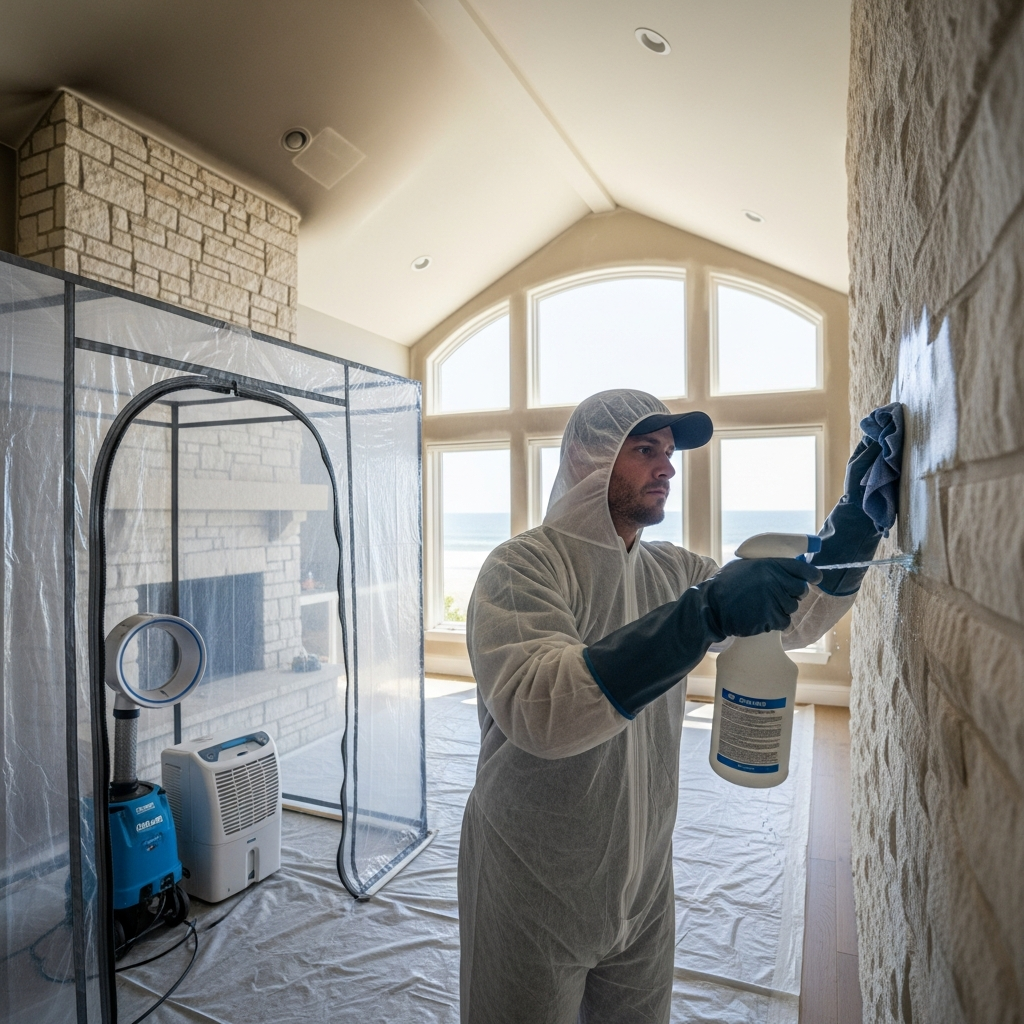
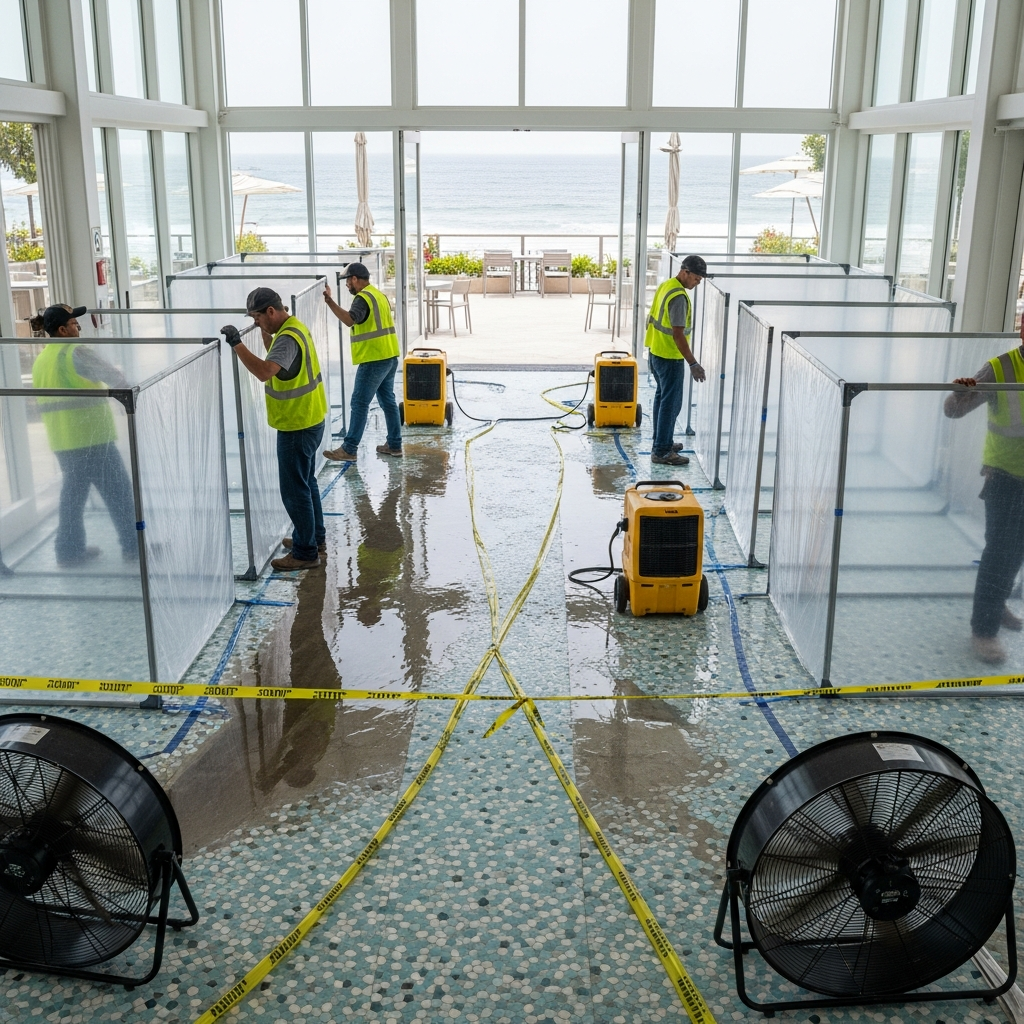
Upon discovery of water, safety comes first. Commercial electrical systems can be complex—panelboards tucked in back rooms, floor boxes near displays, and lighting rigs that create hidden hazards if moisture intrudes. Shutting down power to the affected zones, posting clear signage, and isolating the area with clean containment are early moves. Meanwhile, bulk extraction begins immediately to keep moisture from wicking into walls, displays, and inventory.
Because many Malibu sites share walls and slabs with neighbors, mapping the wet footprint extends beyond property lines. Moisture can travel under demising walls and into adjacent suites. Proactive communication with neighboring operators and property management avoids surprises and builds goodwill during a fraught moment.
Clean first, then dry: Category matters
In commercial settings, water categories often vary in a single event: a roof leak is clean at the source but contaminated after it crosses a tar-and-gravel roof; a storm pushes sea-salted mist and rain against storefronts. Cleaning protocols address residues early, because a spotless-looking floor can hide films that later haze glass or corrode fixtures. Crews trained to recognize these subtleties clean and stabilize surfaces before dialing in the drying environment.
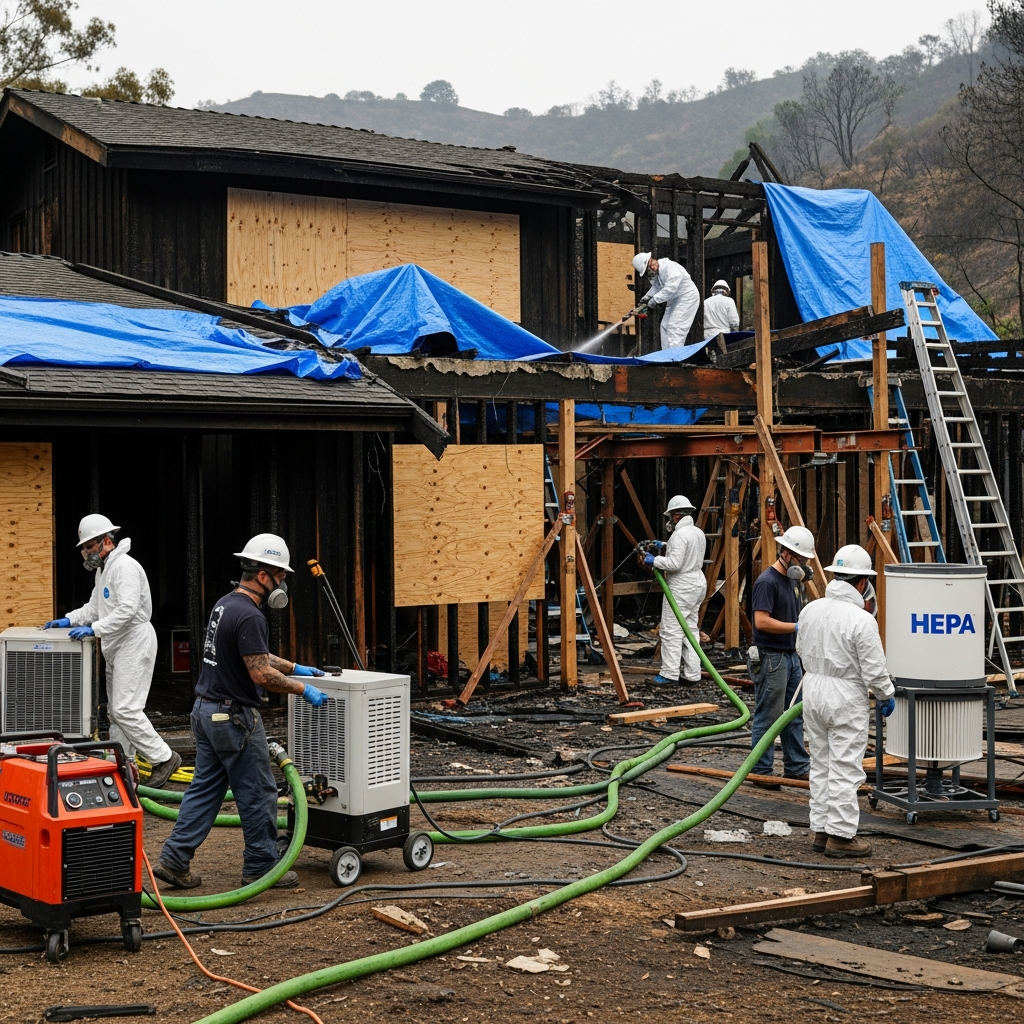
Drying equipment is then selected for output and footprint. Low-profile air movers thread under fixtures; desiccant or refrigerant dehumidifiers are chosen to match Malibu’s shifting humidity and the building’s load. Where possible, equipment runs after-hours to reduce customer disruption, and sound blankets keep noise tolerable during business hours.
Protecting inventory, fixtures, and finishes
In retail, soft goods need swift elevation and separation to prevent dye transfer and odor. In hospitality, guest rooms demand sensitivity to both appearance and air quality; a fresh smell at check-in is as important as clean linens. In studios and offices, electronics rule the day. Prioritizing what to move, what to clean, and what to document for potential replacement is a collaborative sprint at the start. Climate-controlled staging for temporary storage can save goods while drying proceeds.
Fixtures often define a brand: custom millwork, plaster features, artisan tile. Saving them, when possible, is good business. It preserves identity and shortens the calendar to reopening. Adjusted airflow, gentle heat, and careful monitoring make that possible more often than many assume.
Communication that aligns teams
Commercial restoration succeeds when everyone knows the plan and the schedule. Daily updates to ownership and management, posted notes for staff, and clear pathways for customers keep confusion low. Property managers and insurers appreciate concise logs and photos that show progress. If permits are required for repairs, securing them early keeps timelines realistic. Malibu’s unique codes near the shore or on hillsides can add steps; anticipating them avoids stalls.
Middle of the job: Keeping momentum
Once the environment is stable and drying marches on, the middle phase is about tuning and tempo. Equipment settings shift with weather and moisture readings; containment may move as areas pass inspection. This is also when opportunities to harden the space become clear: replacing vulnerable thresholds, rerouting drains, adding leak sensing to mechanical rooms. These improvements can be folded into the repair scope so downtime yields future resilience. Through it all, remember that professional water damage restoration is not a black box; it is a visible, measurable process whose milestones can be shared with teams and stakeholders.
Repairs with brand continuity
Finishing work in commercial spaces must protect brand language. Color matching under the lighting customers actually see is a priority. Touch points—entry doors, counters, restrooms—deserve extra attention, because guests will notice if they feel off. Floors often benefit from refinishing across logical breaks rather than isolated patches, protecting the visual flow that merchandising depends on. Where custom pieces must be remade, early engagement with craftspeople shortens the path to a perfect fit.
In restaurants and hospitality, hygiene drives many repair choices. Materials that tolerate frequent cleaning without dulling, caulks and sealants that resist moisture, and layout tweaks that separate wet zones from guest paths make daily operations smoother and safer once doors reopen.
Business continuity strategies
Some Malibu businesses can carve out a partial operation during restoration. A boutique might condense into a front bay while the back dries. A café may run a limited window menu while dining areas are isolated. These options require tight site organization, safe walkways, and vigilant housekeeping. Good signage helps customers understand and often wins their patience.
For properties that host events or production, schedule coordination is paramount. Crews can stage around dark days or wrap windows. Night work, weekend pushes, and disciplined sequencing bring the calendar back on your side.
Insurance, leases, and shared responsibilities
Commercial claims often involve multiple parties—tenants, landlords, neighboring suites, and carriers for each. Clear scopes that separate mitigation from repairs and occupant property from building components reduce friction. Early alignment on who authorizes what prevents stalls. Documentation that reads like a timeline—discovery, stabilization, daily drying logs, repair approvals—keeps all eyes on the same page.
Frequently Asked Questions
Can we stay open during restoration?
Often, yes, with adjusted operations. Safe containment, after-hours equipment schedules, and clear customer paths make partial service possible. The decision depends on the extent of water, affected areas, and your brand’s tolerance for visible work.
How fast can drying be completed?
Speed varies with materials, season, and the category of water. Commercial projects typically run several days for drying, followed by repairs. Aggressive, well-controlled drying accelerates the timeline without risking finishes or indoor air quality.
What about odors—will customers notice?
Proper cleaning and dehumidification should yield neutral air within the first days. Persistent odors suggest concealed moisture or residues and call for targeted investigation. Masking scents are not a solution; source control is.
Who communicates with neighboring tenants?
Ideally, your restoration lead coordinates with property management and neighboring operators early. Moisture can cross demising walls, so a spirit of transparency prevents surprises and protects relationships during a stressful time.
Will insurance cover the loss of inventory or revenue?
Coverage varies by policy. Building and tenant improvements are typically distinct from contents and business interruption. Early conversations with carriers, supported by documentation, clarify what is eligible and what steps to take.
How do we prevent a repeat incident?
Post-project reviews identify vulnerabilities—thresholds, drains, fittings, or layout issues. Upgrades like leak sensors, shutoff automation, and improved exterior water management reduce risk and can often be implemented during repairs.
Water may have paused your operations, but it does not have to rewrite your story. Choose partners who understand the coast, respect your brand, and plan for both speed and care. When it is time to move from impact to comeback, anchor the process in seasoned water damage restoration and welcome customers back with confidence.