Why Nearby Restoration Matters When Malibu Needs It Most
Malibu is beautiful because it is wild. That same beauty—ravines that funnel wind, chaparral that flashes hot under Santa Anas, and neighborhoods strung like lights along PCH—makes recovery after a fire uniquely urgent. In that urgency, geography becomes destiny, and this is exactly where Calabasas-based restoration support proves indispensable. We share canyons, we share first responders, and we share the lived muscle memory of getting homes and businesses back on their feet after smoke, heat, and water have done their work. When a call for help goes out, the difference between “nearby” and “far away” is measured in how much can be saved.
In the opening hours after an incident, specialized fire damage restoration is not a luxury; it is a stabilizing force. It determines whether acidic soot etches a stone countertop, whether a smoky HVAC system spreads odor through ducts, and whether moisture in an attic becomes the seed of a later mold issue. Malibu does not have the luxury of time, so having trained crews just over the ridge in Calabasas changes the arc of recovery from the first minute.
Shared Terrain, Shared Tactics
Restoration professionals in Calabasas know Malibu’s topography not as a map but as a memory. They have learned how wind scours the bluffs at Point Dume, how embers roll off canyon ridges toward Malibu Park, and how closures on Malibu Canyon Road or Topanga turn a simple drive into a strategic chore. That local fluency shortens the timeline from assessment to action, which for homeowners translates into preservation: of finishes, of indoor air, and of sanity. The value is not abstract; it is threaded through every decision about containment, ventilation, and the sequence of cleaning.
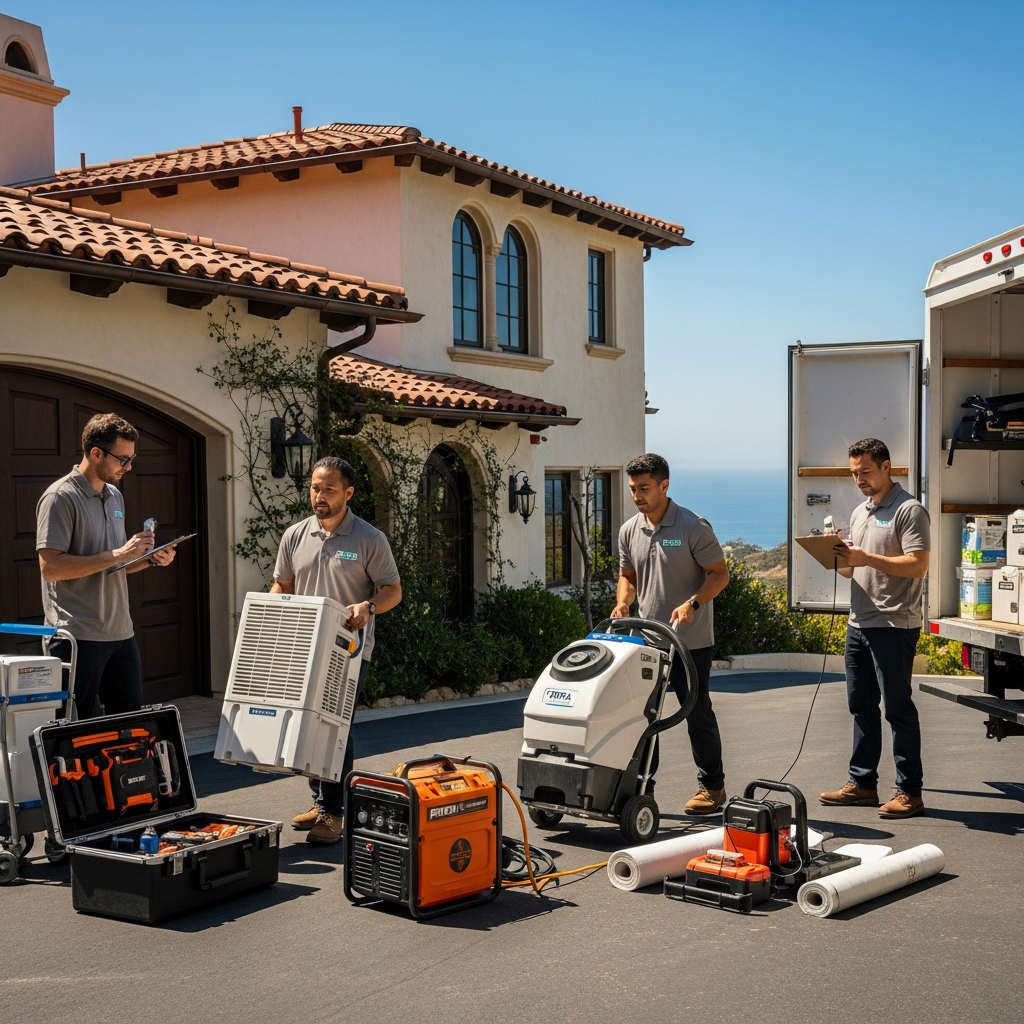
Shared terrain also means shared coordination with firefighters and utility crews. When power is restored in phases, when gas meters are red-tagged, and when PCH remains a lifeline for essential access, Calabasas teams know the choreography. They plan arrival windows around road conditions and set up staging areas where equipment can be swapped without clogging narrow streets or cul-de-sacs perched over the ocean.
Health First: Clearing the Air We Breathe
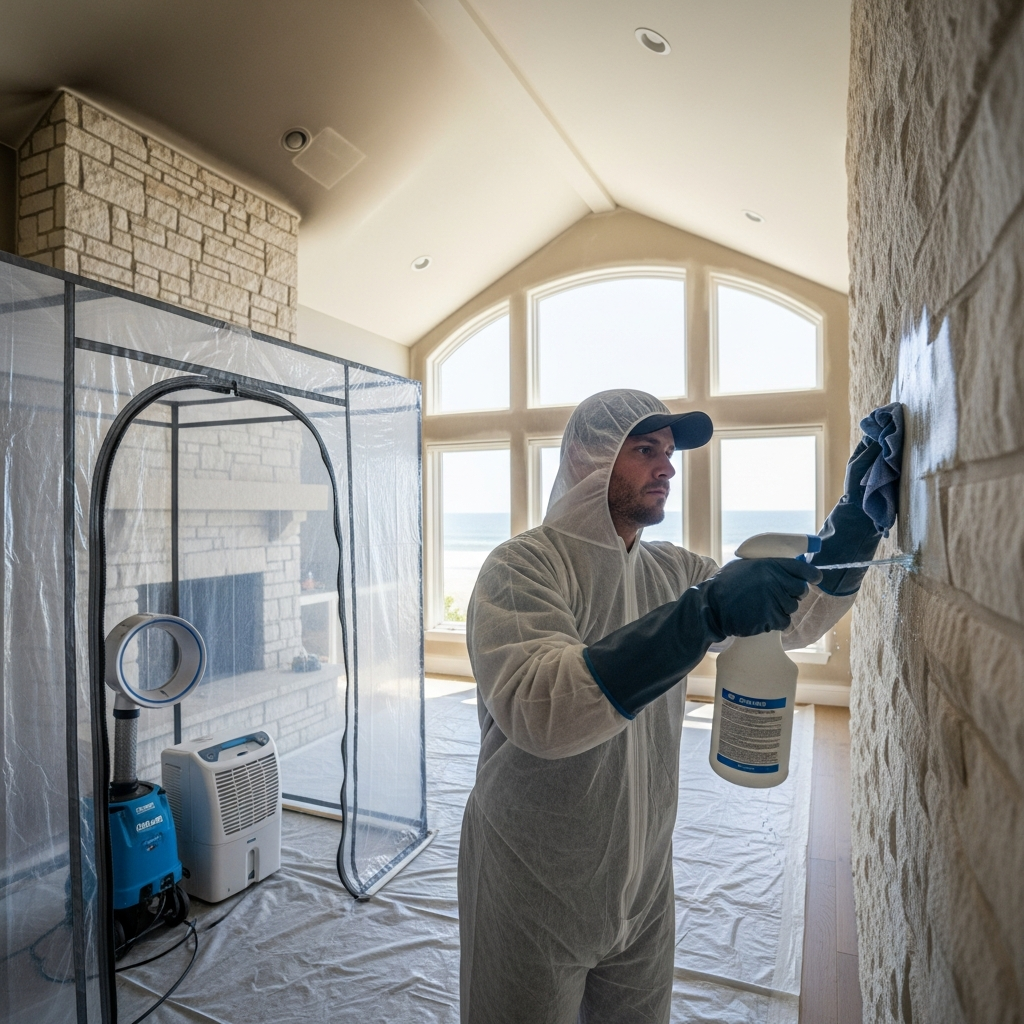
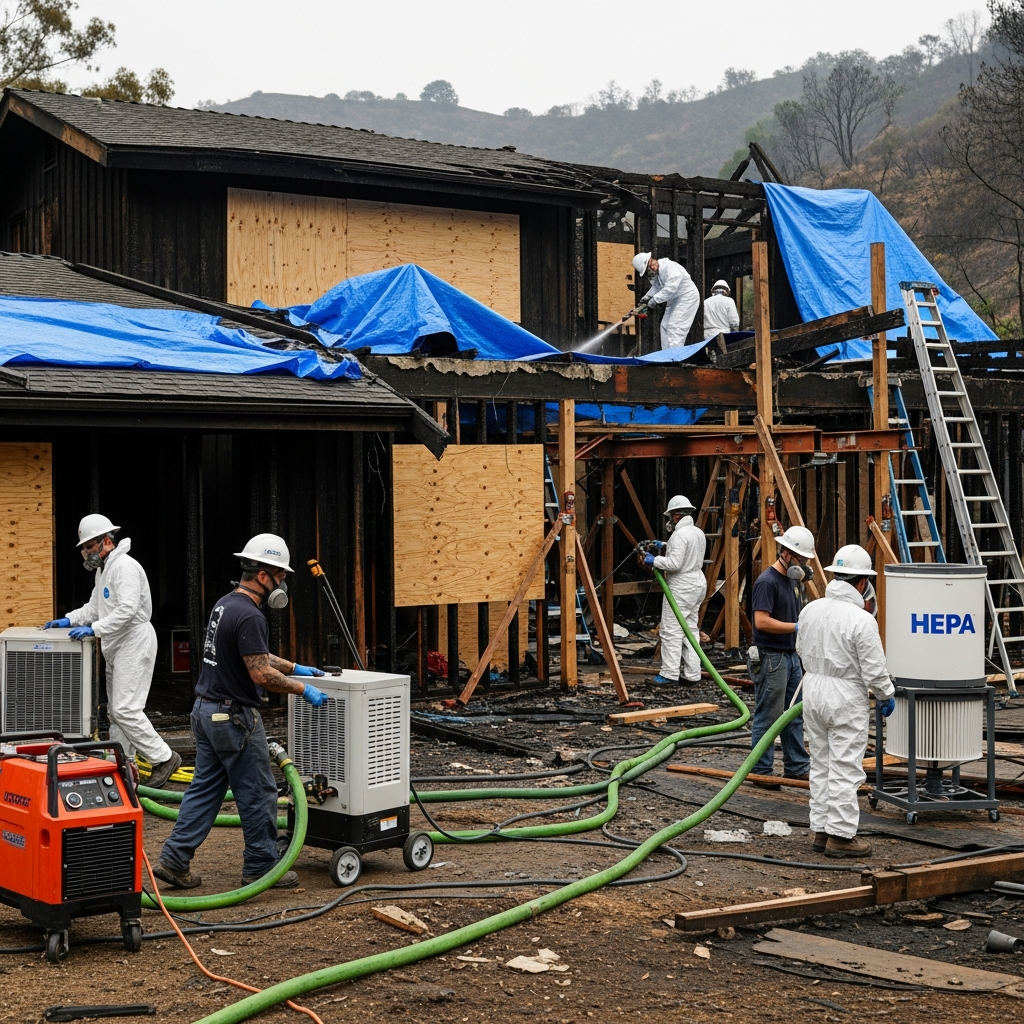
Why does restoration matter so much for Malibu? Because air is our daily companion here—salty, warm, alive with coastal change—and wildfire smoke pollutes more than it stains. Fine particulates embed in fabric and drywall, volatile compounds settle into dust, and every time the HVAC cycles, residues stir. Calabasas technicians approach indoor air with clinical respect. They establish negative pressure, run HEPA filtration sized to the cubic volume of each zone, and choose deodorization methods suited to living conditions. Where families must remain onsite, hydroxyl treatment keeps spaces habitable; where homes are vacated, more aggressive measures can be applied and verified before reoccupation.
Measurement is another reason this work matters. Baseline air readings, ongoing particulate monitoring, and post-cleaning verification data are shared so decisions are transparent. Malibu homeowners benefit from seeing not just that a space smells clean, but that objective numbers confirm the result.
Preserving What Makes Malibu Homes, Malibu
From sun-bleached oak floors to steel-framed windows and hand-plastered walls, Malibu homes carry a particular character. Smoke does not respect that character; it clings to it. Why Calabasas expertise matters is the way technicians tailor methods to materials that define our coast. Dry-cleaning sponges are used delicately on Venetian plaster, corrosion inhibitors shield fixtures before they spot, and careful vacuuming with HEPA tools precedes any wet cleaning to avoid driving soot deeper. Where structural voids trap odor—above tongue-and-groove ceilings or behind built-ins—targeted thermal fogging replicates the way smoke traveled so deodorization reaches the same spaces.
Electronics and artwork get early attention, too. Malibu’s sea air already nudges metals toward corrosion, and when acidic soot lands, the clock speeds up. Prompt stabilization—careful wipe-downs, desiccant packs, and climate-controlled pack-outs—gives cherished items a far better chance at recovery. This respectful, preservation-minded approach is a hallmark of nearby teams who understand what our homes hold.
From Firefighting Water to Hidden Moisture
We often talk about smoke, but water can be the quieter problem after firefighters do their lifesaving work. Saturated insulation, damp drywall, and water trapped in subfloors need attention within hours. Calabasas crews arrive with moisture meters, thermal cameras, and a drying plan matched to the home’s build and Malibu’s coastal conditions. Because marine layers and ocean breezes influence indoor humidity, drying must be managed rather than left to chance. This matters profoundly: the line between a clean restoration and a lingering moisture issue is thin if early steps are missed.
Once drying is underway, structural cleaning proceeds in a sealed sequence that protects areas already addressed. This disciplined containment—a skill sharpened by hundreds of local projects—keeps cross-contamination at bay and prevents unnecessary rework.
Documentation That Eases Insurance Paths
Another reason nearby restoration matters is paperwork. Claims succeed on clarity. Calabasas-based teams speak the language of adjusters who handle Malibu properties: they document material types, tally contents with barcoded inventories, and capture before-and-after condition with date-stamped photos. They also describe methods in ways that justify each line item not as an upsell, but as a necessity driven by building science. When evidence is robust, scope approvals accelerate and reconstruction does not languish on a desk.
This documentation also benefits homeowners down the road. If you choose to remodel or sell, you will have a precise record of what was done, how, and to what standard. In a market where due diligence matters, that record becomes part of the home’s story.
Resilience as a Community Practice
Calabasas support matters because Malibu functions as a community, not a set of disconnected parcels. Schools need clean classrooms, small businesses need fresh indoor air, and families need to feel safe under their own roofs. The faster those pieces come back online, the healthier the whole becomes. Local restoration accelerates that rebound. It also brings advice for future hardening—ember-resistant vents, defensible landscaping, and routine maintenance that keeps roofs, gutters, and decks clear before the next wind event stirs embers into motion.
Midway through a project, many homeowners ask for a single resource that captures the scope of work in plain terms. For this reason, having a trusted reference to comprehensive fire damage restoration gives everyone a shared roadmap, reducing anxiety and aligning expectations from start to finish.
Frequently Asked Questions
Below are answers to common questions Malibu residents raise as they weigh safety, timelines, and daily life during restoration.
Can I start cleaning soot myself to speed things up?
Light dry wiping in a pinch is understandable, but aggressive wet cleaning can fix soot into porous surfaces and drive odor deeper. A brief assessment usually arrives quickly, and measured steps will save time overall.
What if power is still out in parts of the house?
Crews carry generators and can set up essential equipment safely until utilities are restored. Priority zones are identified so critical rooms are stabilized first without overloading circuits when power returns.
Will ocean moisture make deodorization harder?
Coastal humidity can slow drying and influence odor control. Plans incorporate dehumidification and extended air scrubbing where needed, with verification before a space is considered complete.
How long before my HVAC is safe to use?
After a visual and particulate assessment, filters are upgraded temporarily, and ducts may be cleaned or sealed depending on findings. Systems are restarted only when they will not redistribute soot.
What happens to belongings that smell like smoke?
Items are triaged: porous textiles go for specialized cleaning, electronics are stabilized to limit corrosion, and non-salvageable items are documented for insurance. Pack-outs are tracked so returns are orderly.
Will the work disrupt my neighbors?
Local teams stage discreetly, manage parking on narrow streets, and coordinate quiet hours. Communication with neighbors and HOAs is part of the plan, reducing friction during a stressful time for everyone.
Move Forward with Local Strength
When ash streaks your windowsill or a faint odor lingers in the hallway, you do not need a lecture—you need a path. With Calabasas expertise minutes away, Malibu can move from uncertainty to action with confidence. If you are ready for a clear, measured plan that begins today and ends with a home that feels truly yours again, connect with specialists in fire damage restoration and take the first steady step toward normal.