How Calabasas Restoration Expertise Directly Benefits Malibu
When you live in Malibu long enough, you start to read the wind as if it were a familiar neighbor. You feel the uptick in temperature when Santa Anas barrel down the canyons, sense the missing morning marine layer, and glance at the ridgelines above Kanan, Latigo, and Malibu Canyon for that telltale brown haze. In these moments, proximity matters more than anything. That is why the close-knit relationship between Calabasas-based teams and Malibu neighborhoods has become one of the quiet cornerstones of our region’s resilience. With trained crews just over the hill, help arrives faster, assessment starts sooner, and stabilization begins while embers are still a topic of conversation, not tomorrow’s regret. In an area where minutes can change outcomes, location is not a small advantage; it is a decisive one.
Those of us who have navigated cleanups after the Woolsey Fire and subsequent flare-ups can tell you that the immediate aftermath is a swirl of adrenaline, ash, and unanswered questions. It is precisely in that window that specialized fire damage restoration rooted in Calabasas brings Malibu immeasurable benefits. The roads, the terrain, the microclimates—none of it is abstract to local teams. They know when Topanga is jammed, when Malibu Canyon may close, and which back routes are safest when crews must reposition. That familiarity shortens the path from chaos to clarity, and it shows in the way homes, businesses, and community institutions rebound.
Speed and Access Across Canyons and Coast
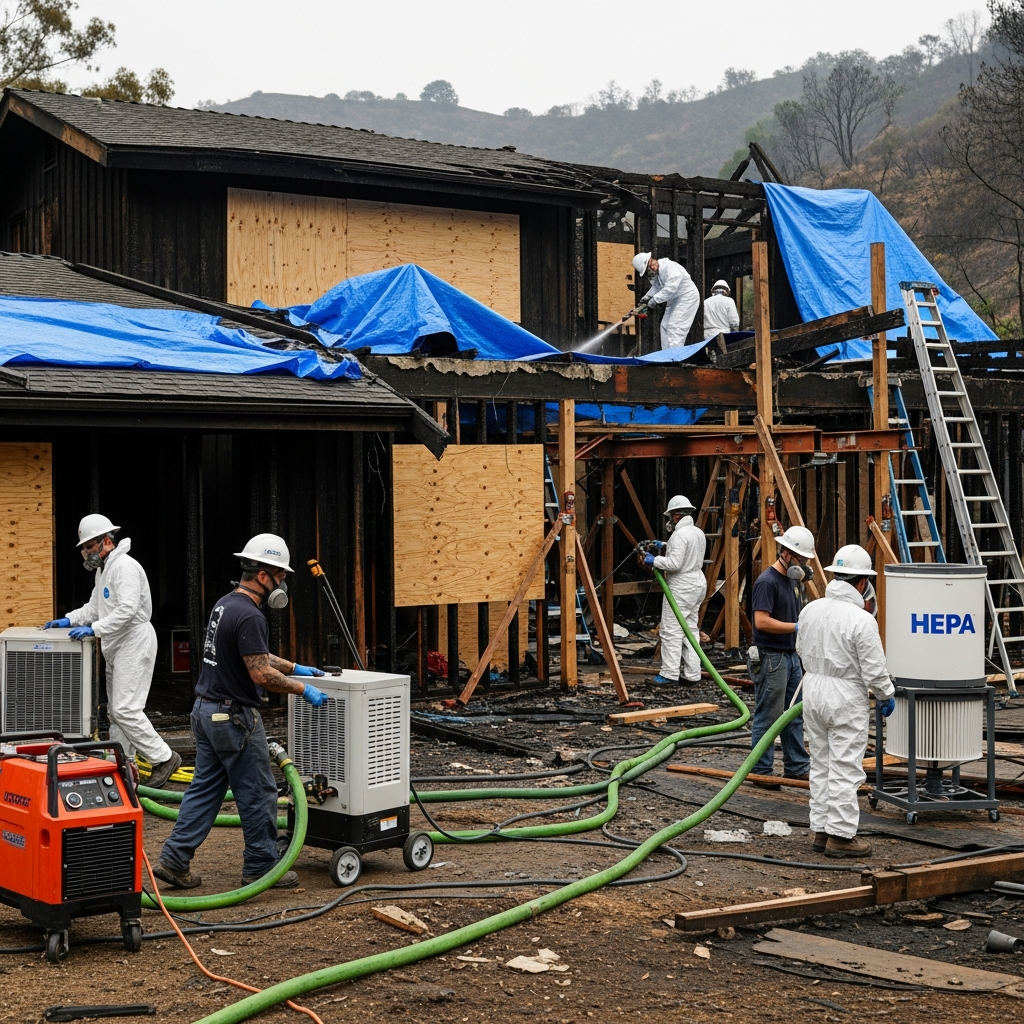
Response time is one of the greatest benefits Malibu receives from Calabasas restoration providers. With equipment yards close to the 101 corridor and staging options near Old Topanga or Mulholland, crews can pivot quickly as conditions evolve. Whether the call comes from Point Dume after a wind-driven ember event or from the hills above Malibu Park where a smoldering fence line turned a corner overnight, arrival times are measured with canyon-savvy precision. That speed is not only about logistics; it is about triage. Getting air scrubbers running, stabilizing electrical hazards, and isolating smoke-impacted rooms hours earlier can mean the difference between a straightforward cleaning and a domino effect of secondary damage.
The benefit extends to the moment firefighters clear a scene. Calabasas teams accustomed to coordinating with Los Angeles County Fire and local law enforcement understand re-entry protocols and safety perimeters. They anticipate when Pacific Coast Highway is likely to open, when Kanan Dume might be the safest inbound route, and how to stage around a property while respecting utility crews restoring power or gas. That fluency with our regional choreography takes stress off homeowners so the first critical day is anchored by measured steps instead of guesswork.
Protecting Health: Smoke, Soot, and Indoor Air
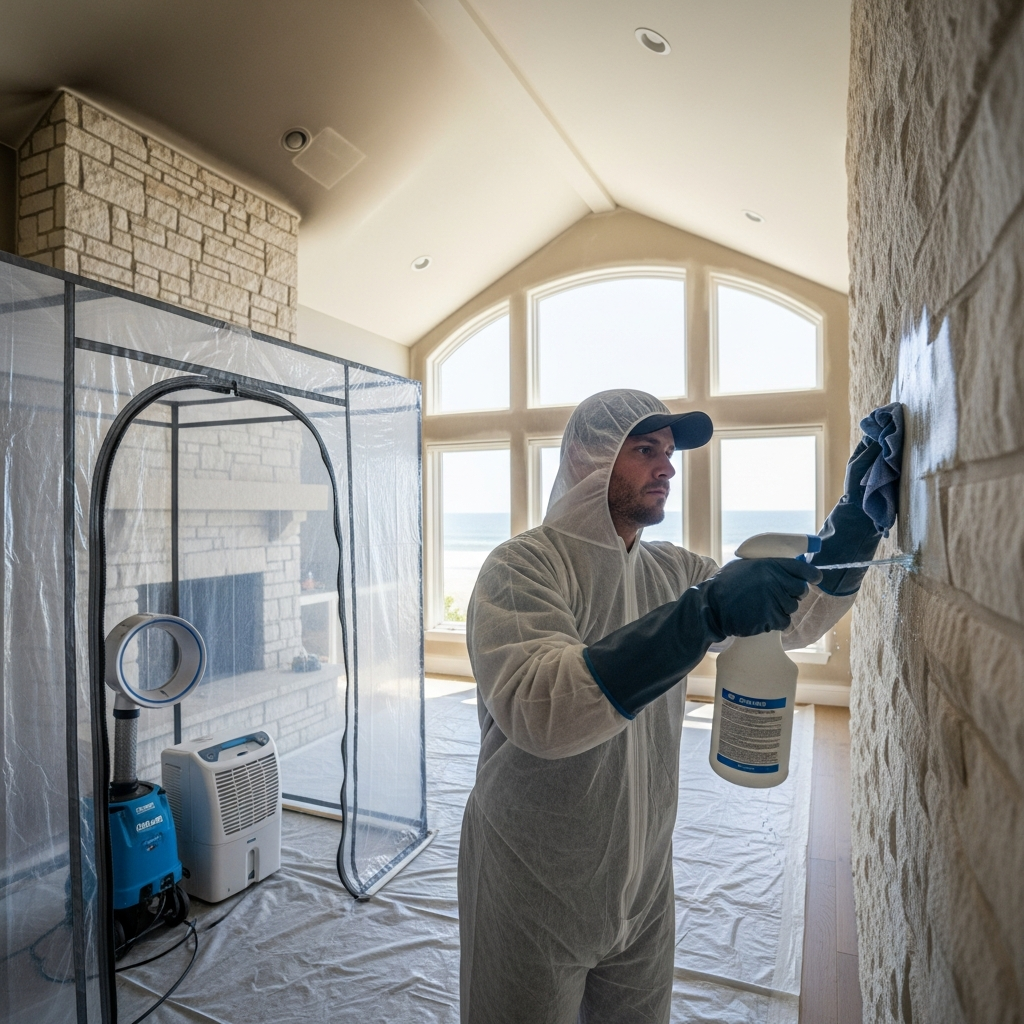
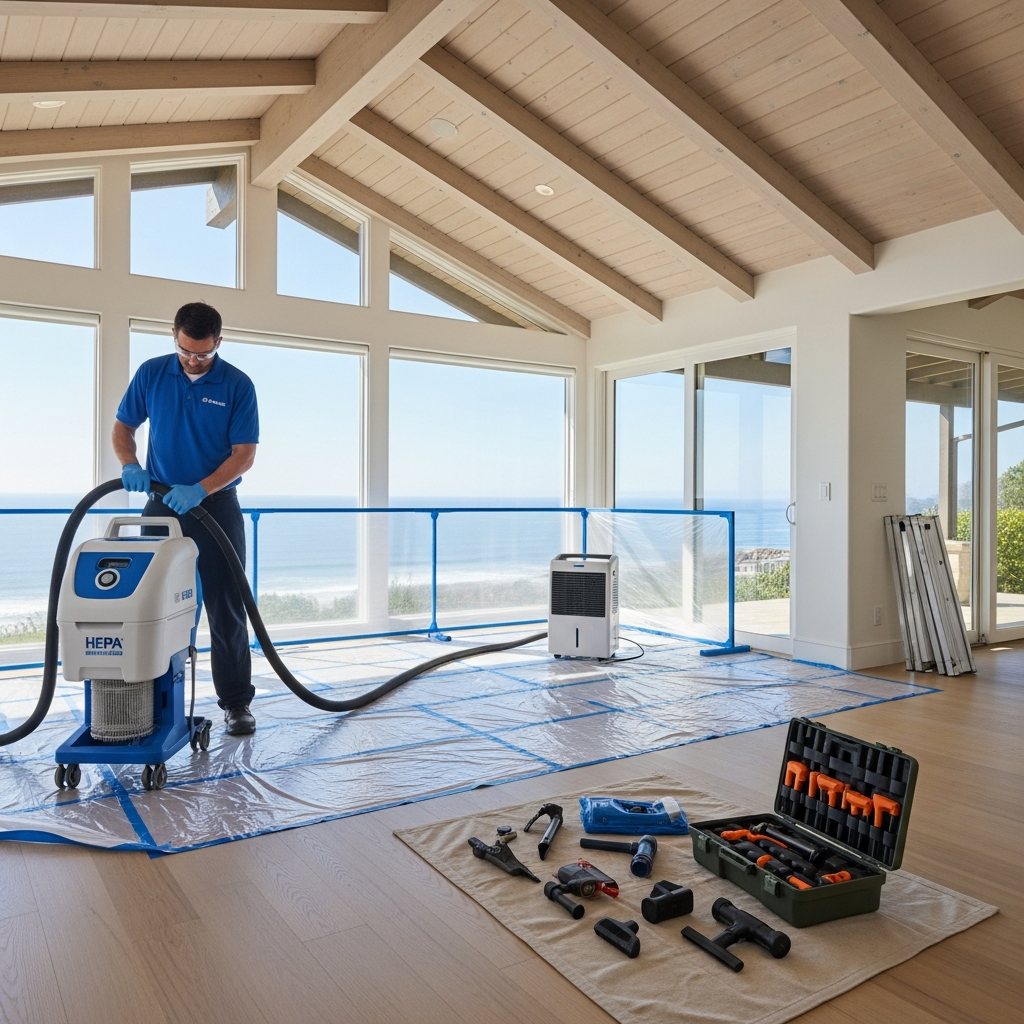
The health implications of wildfire smoke are not theoretical in Malibu; they are lived experience. Fine particulates creep into every seam, collecting in HVAC returns, behind baseboards, and within the weave of rugs and upholstery. Calabasas specialists bring a disciplined, health-first methodology that benefits Malibu immediately. They map pressure differentials within a home, establish negative-air containments to prevent cross-contamination, and run HEPA filtration to capture the ultrafine particulates that cause lingering odors and respiratory irritation. The process is quiet, meticulous, and designed to protect vulnerable family members, including children, older adults, and pets.
Beyond filtration, the cleaning approach matters. Untrained scrubbing can smear soot into porous surfaces, etching finishes and sealing in smoke odor. Local technicians use dry-cleaning sponges for delicate surfaces and carefully selected detergents for painted walls and hard goods, followed by deodorization methods matched to the material: thermal fogging for complex cavities, hydroxyl treatment for occupied spaces, and targeted sealants where residues have penetrated deeply. The benefit to Malibu households is a recovery plan that resolves air quality and odor the right way the first time, preventing months of frustration and repeated attempts.
Stabilizing Structures and Contents
Another tangible advantage lies in how quickly structure and contents are stabilized. In the hours after a fire, metals start to corrode, hardwoods can cup, and electronics absorb acidic residues that shorten their lifespan. Calabasas-based restoration firms maintain contents teams who can pack out valuables for specialized cleaning and climate-controlled storage while structural crews begin corrosion control on fixtures, appliances, and plumbing trim. It is a choreography built for speed and preservation. For Malibu properties that straddle the line between coastal fog and sun-baked slope, that tempo prevents small problems from growing teeth.
The same urgency applies to water mitigation after firefighting. Overspray and soaked attic insulation create a recipe for hidden moisture that, if ignored, invites mold. The benefit of trained local responders is immediate moisture mapping—thermal imaging paired with pin and capacitance meters—to find what the eye cannot see. Drying plans are then tailored to the home’s unique build: vaulted ceilings of a Point Dume ranch, split-level constructions tucked into canyons, or contemporary steel-and-glass homes along Encinal. In the middle of this work, many homeowners ask about broader planning resources, and that is when it helps to have a trusted reference to comprehensive fire damage restoration so they can follow the process with confidence.
Documentation That Smooths Insurance Navigation
Insurance is its own landscape, and the paperwork alone can feel like a second recovery. The benefit of seasoned Calabasas teams is their fluency with claims documentation tailored to the realities of Malibu construction. Detailed photo logs, room-by-room inventories, and material identification—solid-core doors versus hollow, engineered flooring versus site-finished oak—accelerate approvals because adjusters receive accurate, actionable data. When everyone speaks the same technical language, scope disputes shrink and reconstruction can begin sooner.
This documentation extends to environmental safeguards, including proof of negative-air containment during cleaning and air-quality readings before, during, and after deodorization. For Malibu homeowners who want peace of mind backed by measurable data, those reports become part of the home’s long-term health record, especially valuable when listing a property or planning major renovations years down the line.
Environmental Stewardship Along the Coast
Malibu’s coast is precious—and sensitive. Ash that seems inert on a patio becomes a pollutant if it washes into storm drains that empty near our beaches. One of the quiet benefits of having restoration teams just over the ridge is their familiarity with local environmental protocols. They understand how to stage debris, where to set up wash stations to contain runoff, and what can and cannot be disposed of curbside. Erosion control around disturbed landscaping, particularly on sloped lots above PCH or Canyon Road, is not an afterthought; it is scripted into the project so we protect creeks, lagoons, and surf breaks during the rainy season.
Equally important is product selection. Deodorizers and cleaners are chosen with both efficacy and ecology in mind, reducing harsh off-gassing indoors and minimizing environmental impact outdoors. The result is a recovery that respects not only the house and the family within, but also the coastline and canyons that define why we live here.
Community Continuity and Local Know-How
Malibu is a tapestry of neighborhoods, schools, and small businesses woven together by shared experience. When Calabasas teams deploy after a fire, they do more than clean homes; they help restore daily rhythms. That might mean prioritizing classrooms so teachers can return to Pepperdine or a local preschool, or clearing smoke from a market near Trancas so groceries reopen before the weekend. The benefit radiates outward: families have less disruption, local employees keep working, and the community regains a sense of normal faster than outsiders might expect.
Local know-how also shows up in the smallest moments. A technician who has deodorized dozens of canyon homes knows the spots where smoke hides—behind tongue-and-groove ceilings, inside cabinet toe-kicks, within the felt under pool tables. They do not guess; they know. That experience translates into cleaner outcomes and fewer callbacks, and for homeowners in the middle of upheaval, that steadiness is its own form of care.
Hardening Homes for the Next Wind Event
Perhaps the most enduring benefit Malibu receives from Calabasas expertise is guidance on prevention. After the last air scrubber leaves, it is time to look ahead: ember-resistant vents that keep sparks from entering attics, updated weatherstripping along doors and garage thresholds, tempered glass in vulnerable windows, and reworked landscaping that reduces ladder fuels. The advice is local and specific, adjusted for cliffside properties blasted by wind versus sheltered hollows where embers can loiter. When you combine these improvements with a clear evacuation and re-entry plan, the next red flag warning becomes less ominous. Preparedness is not a slogan; it is a build spec and a maintenance routine.
These upgrades, coupled with reliable vendor relationships forged during restoration, make it easier to schedule seasonal maintenance before Santa Ana season returns. Gutters are cleared on cadence, roofing is inspected at seams and valleys, and HVAC filters are changed before ash rides the inland breeze. The long arc of recovery is not just about fixing what burned; it is about shaping a safer future.
Frequently Asked Questions
Below are concise answers to the questions Malibu homeowners most often ask in the days and weeks after a fire event, shaped by years of work along the coast and in the canyons.
How fast can restoration begin after firefighters clear the scene?
In most cases, assessment can begin the same day once the property is released and utilities are safe. Early steps include hazard checks, site ventilation, and installing air scrubbers. Quick action contains residues and protects surfaces from corrosion and odor lock-in.
What makes Malibu homes uniquely challenging to deodorize?
Complex rooflines, vaulted ceilings, and the meeting point between coastal humidity and canyon dryness create micro-pockets where smoke settles. Materials like cedar ceilings and wool rugs hold odor, so a layered approach—source removal, cleaning, and material-appropriate deodorization—works best.
Is it safe to stay in the home during cleaning?
That depends on the extent of smoke impact and the ability to isolate work zones. With proper containment and HEPA filtration, partial occupancy may be possible, especially when hydroxyl generators are used instead of ozone in lived-in spaces. Health and comfort should guide the decision.
What should be addressed first: structure or contents?
Stabilize both in parallel. Corrosion control on metals, moisture mitigation, and removal of heavily sooted porous items should begin immediately. Contents can often be packed out for specialized cleaning while structural deodorization and cleaning proceed.
How long does smoke odor removal typically take?
Simple impacts may take a few days, while more complex projects with attic involvement can take a couple of weeks. The timeline is driven by access to concealed spaces, material composition, and verifying results with post-cleaning air quality checks.
What documentation do I need for insurance?
Room-by-room photo logs, a detailed inventory of affected contents, moisture readings where water was used, and a written scope describing cleaning and deodorization methods. Good documentation accelerates approvals and helps ensure complete coverage of necessary work.
Will cleaning products harm coastal landscaping if runoff occurs?
Responsible restoration pairs product choice with containment. Wash areas are set up to capture runoff, and biodegradable, low-VOC cleaners are prioritized. Crews also protect drains and slopes to keep residues away from waterways and beaches.
Rebuild with Confidence in Malibu
If you are staring at ash on the sill or catching a whiff of smoke each time the AC kicks on, help is just over the ridge. Partner with a local team that understands the rhythms of our coast and canyons, moves quickly when winds shift, and treats your home as part of Malibu’s larger story. For a clear path from assessment to complete deodorization and rebuilding, reach out to trusted experts in fire damage restoration today so you can breathe easy again and focus on what matters most.