In Malibu, fire and smoke tell different parts of the same story. Flames are dramatic, but smoke is the quiet traveler, slipping into wall cavities, settling on rafters, and weaving into fabrics in ways that reveal themselves long after the last siren fades. The work of true restoration is to address both forces with equal care. Over the years, I’ve walked beachfront bungalows and canyon hideaways after small kitchen flare-ups and large structural fires, and I’ve learned that successful recovery is as much about sequence and sensitivity as it is about power tools. If you’re looking for a grounded understanding of the journey ahead, a practical guide to fire damage restoration in Malibu can set expectations and introduce the methods that matter in our coastal climate.
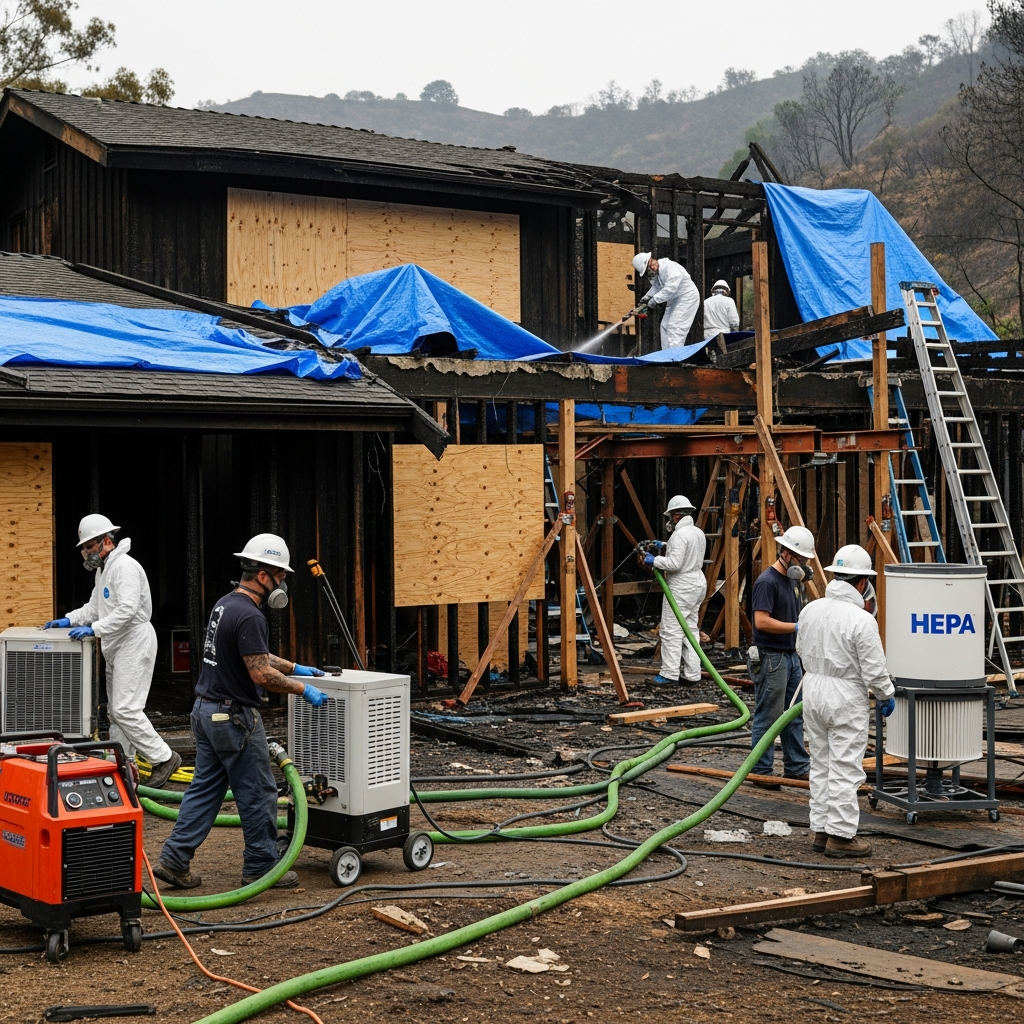
Every project begins with stabilization: securing openings, verifying structural safety, and establishing containment to keep clean zones truly clean. Malibu’s ocean air and microclimates make early moisture control crucial, even when the fire itself was small. Water from suppression efforts finds its way into unexpected places, and the marine layer can slow evaporation. HEPA filtration hums quietly in the background as crews document, measure, and plan. This calm, methodical start pays dividends later when you step back into spaces that smell neutral and feel sound.
Understanding smoke: residue, behavior, and impact
Not all smoke is created equal. Dry soot, often produced by fast-burning materials, behaves differently than oily residues or protein-based films from cooking incidents. Each calls for specific techniques. Dry soot responds to HEPA vacuuming and gentle dry sponging before any wet cleaning; oily residues need targeted detergents to lift and suspend particles without smearing. Protein residues can be nearly invisible while packing a powerful odor, requiring meticulous cleaning of adjacent rooms and ventilation pathways.
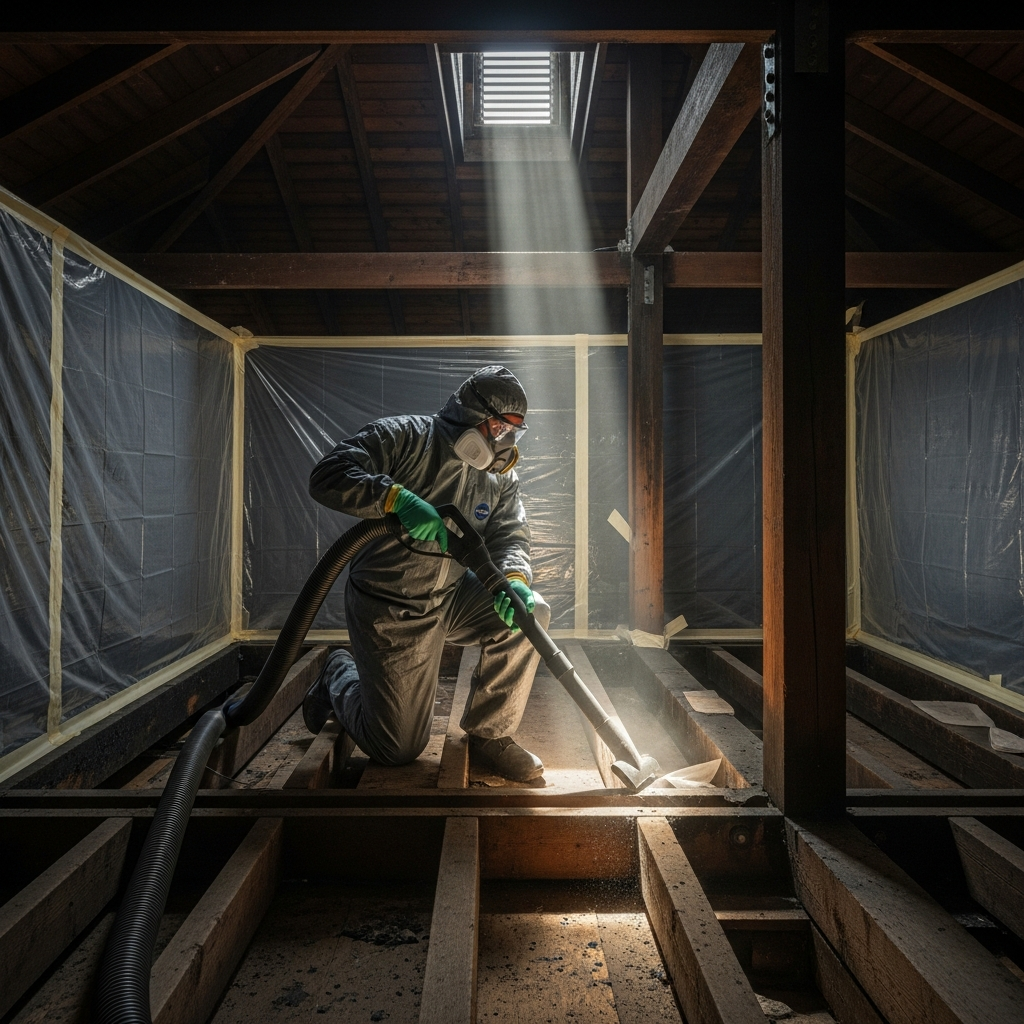
Smoke is opportunistic. It rides convection currents, seeking cooler surfaces and tiny air leaks, which is why you’ll often find heavier soot on the leeward side of rooms, inside cabinets, or on the backside of framing members in attics and crawlspaces. Electronics and appliances are particularly vulnerable; even a thin film of acidic residue can shorten their lifespan if not addressed promptly. Part of our early assessment is to triage sensitive items for specialized cleaning and to prevent corrosion from taking hold in Malibu’s salty air.
Containment and air management
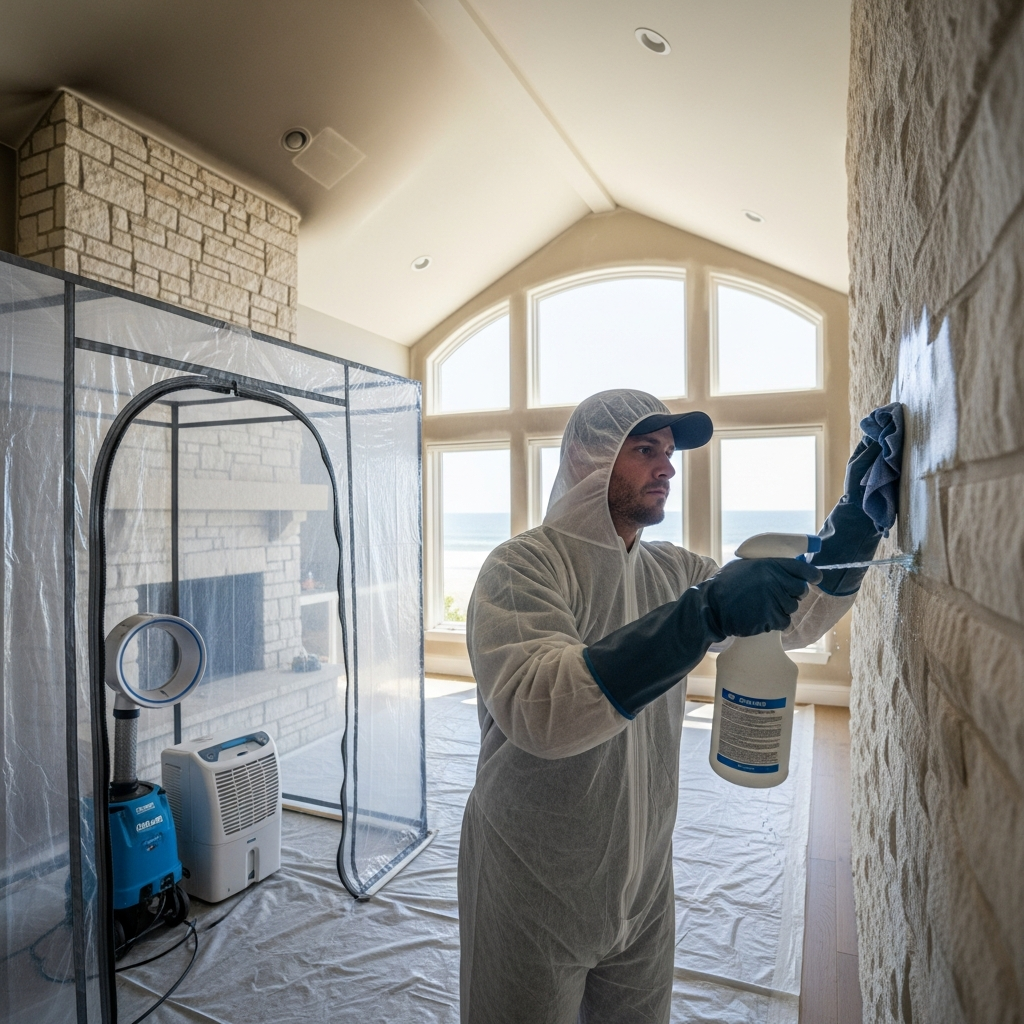
Containment is the quiet hero of smoke restoration. We isolate affected areas, establish negative pressure with air scrubbers, and maintain filtered airflow to prevent cross-contamination. Doorways and vents are sealed thoughtfully, and work proceeds from clean to dirty zones to protect progress. These measures might look simple—plastic sheeting, zippers, blue tape—but they reflect a disciplined approach that makes cleaning efficient and keeps your home livable during phases when you remain on site.
Air management isn’t just about machines. It’s about sequence and verification. HEPA filtration captures particulates, while hydroxyl generators can safely neutralize odor molecules in occupied spaces. We measure results and adjust placements to ensure air remains fresh, not perfumed. In our coastal climate, we also consider natural ventilation windows—opening the house at the right time of day, not just any time—to complement mechanical filtration.
Cleaning surfaces without compromise
Effective cleaning starts with the right method for the right surface. Non-porous countertops, metal fixtures, and glass respond well to alkaline solutions after initial vacuuming, while stone and delicate tile call for gentler, pH-appropriate cleaners. Painted surfaces may benefit from cleaning followed by an odor-sealing primer before repainting. For wood, we often begin with dry cleaning to avoid driving residues deeper into grain, then move to controlled wet cleaning and, when warranted, encapsulation to lock in any microscopic odor reservoirs.
Textiles deserve special mention. Drapery, area rugs, and upholstered furniture can harbor persistent odors; professional textile restoration can lift particulates and refresh fibers without harsh fragrances. Clothing is inventoried and cleaned with methods matched to the fabric and contamination level, with special care for delicate or sentimental pieces. These efforts are the difference between a home that simply looks clean and a home that feels clean—day after day, in all kinds of weather.
Electronics, HVAC, and hidden pathways
After a smoke event, your HVAC system can become an unintentional distributor of particulates. We assess and clean ductwork where needed, replace filters with high-efficiency options during and after work, and confirm that vents and returns aren’t pulling soot into newly cleaned spaces. Electronics—from sound systems to smart appliances—are inspected and, when appropriate, sent for specialized cleaning to mitigate corrosive risk. These steps protect comfort, air quality, and the technology that animates modern Malibu living.
Hidden pathways are everywhere: behind baseboards, within light cans, inside closets, and along framing members in attics. A meticulous team follows these trails, cleaning and, when necessary, sealing to ensure that no pocket of odor remains to surprise you on a warm afternoon. Attention to these subtleties defines the difference between short-term relief and lasting restoration.
Rebuilding with resilience
Reconstruction after fire and smoke is a chance to honor your home’s character while strengthening it against future challenges. We straighten framing, match drywall textures, and replicate trim profiles so repairs disappear in natural light. Material choices reflect Malibu’s realities: corrosion-resistant exterior hardware, low-VOC interior finishes, and ember-conscious detailing where it makes sense. These decisions don’t just repair damage—they restore confidence.
On the mechanical side, we confirm the health of electrical and plumbing systems touched by heat or water. Lighting and ventilation get special attention, particularly in kitchens and baths, where cooking residues or humidity can linger. The result is a home that looks like itself, smells like the ocean and the hills rather than smoke, and functions better than before.
Working with insurers and local officials
Clear, respectful collaboration shortens timelines and lowers stress. We document conditions thoroughly with photos, notes, and readings, then translate that evidence into room-by-room scopes. Communication with adjusters remains steady and courteous, built around a shared goal: returning your home to safe, beautiful normalcy. With local officials, familiarity with inspection expectations keeps the cadence smooth, especially when like-for-like repairs must be distinguished from larger rebuilds.
By the midpoint of many projects, homeowners want reassurance. Are we ahead of lingering odors? Is air quality where it should be? Are selections locked so lead times don’t stall progress? This is the perfect time to revisit an outline of fire damage restoration in Malibu, confirm alignment, and celebrate visible wins while tightening any loose ends.
Life during restoration
Many Malibu families prefer to stay in part of the home during certain phases. With smart containment, daily cleanup, and considerate scheduling, that’s often feasible. Quiet hours are respected, pathways are protected, and sensitive tasks are batched to reduce disruption. Pets and children’s routines are factored into the plan, and clean zones are maintained so evenings feel like evenings again. Restoration should be a partnership that listens as much as it leads.
Aftercare and future readiness
When the last air scrubber rolls out and the final coat of paint dries, we walk the home together. You’ll receive simple guidance for post-restoration care: recommended filter changes, gentle cleaning products that won’t disturb sealed surfaces, and tips to keep coastal humidity from gaining a foothold. We’ll also talk about readiness for future seasons—gutter care, ember-resistant vents, and thoughtful landscaping around structures—so you feel prepared, not anxious, when the winds pick up again.
FAQ: Fire and smoke questions, answered
Why does smoke odor linger even after visible cleaning? Odor molecules nest in porous materials and hidden cavities. Effective remediation pairs thorough source removal with air management and, when needed, sealing of structural members to prevent microscopic reservoirs from off-gassing.
Can electronics be saved after smoke exposure? Often, yes—if addressed quickly. Specialized cleaning can mitigate corrosive residues. Early triage matters, especially near the coast where salt accelerates corrosion.
Do I need to replace all my insulation? Not always. Insulation with heavy odor or soot contamination is typically removed, while lightly affected areas may be evaluated case by case. The goal is lasting cleanliness and comfort, not blanket removal.
How long will deodorization take? It depends on the extent of contamination and the methods required. With proper source removal and neutralization, most homes reach neutral air within a disciplined schedule confirmed by both testing and your senses.
Is it safe to stay in the home during work? With effective containment and air management, many families remain in part of the home during certain phases. Your safety and comfort guide that decision.
What about cherished items and artwork? Contents specialists catalog and prioritize items for restoration using techniques tailored to materials—textiles cleaning, delicate surface treatments, and careful packing that protects value and sentiment.
How do you verify results? Through visual inspection, surface testing, moisture readings, and air quality measurements, combined with your lived experience in the space. The goal is clean you can feel, not just see.
When you’re ready to move from uncertainty to steady progress, reach out to a local team that treats your home with the same care you do. For a clear picture of what full support entails, start with a grounded guide to fire damage restoration in Malibu, then schedule a visit. We’ll listen, plan, and work with precision until your rooms smell like ocean air and your home welcomes you back, fully and quietly restored.