Fire changes a home in ways that go far beyond what you can see. In Malibu, where the coastline meets canyons and neighborhoods blend modern design with timeless materials, the importance of fire damage restoration is as much about safeguarding health and community as it is about repairing walls and roofs. After the sirens fade and the smoke thins, what remains is a set of choices—how quickly to begin, whom to trust, and what standards to uphold in returning a space to safety and comfort.
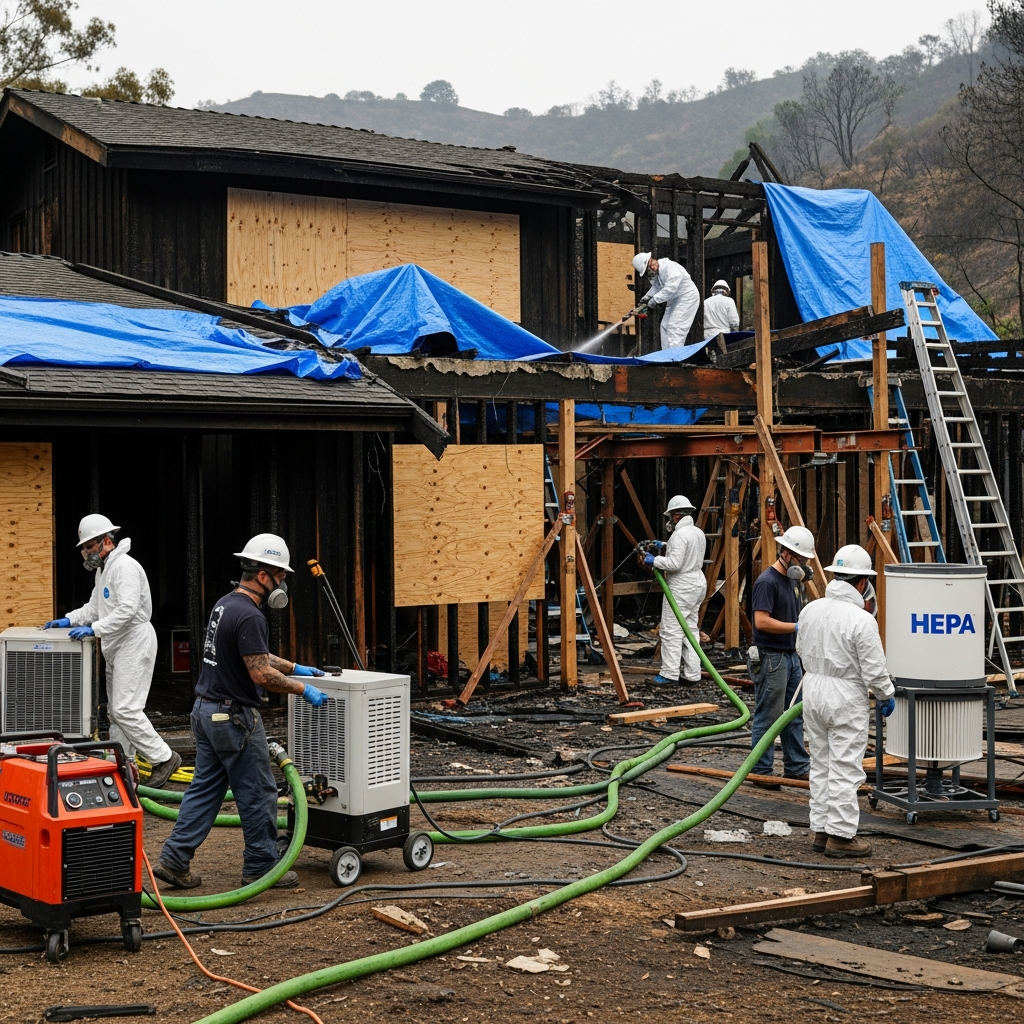
The case for swift, professional action starts with chemistry and building science. Soot contains acidic compounds that begin reacting with metals and finishes almost immediately, and in a marine environment like Malibu, salt in the air can accelerate corrosion. At the same time, water and foam used in suppression can saturate porous materials, inviting microbial growth and hidden deterioration. These forces do not wait, which is why early coordination with experienced fire damage restoration professionals is so critical. The right actions at the start change outcomes in the end.
Protecting Health and Indoor Air Quality
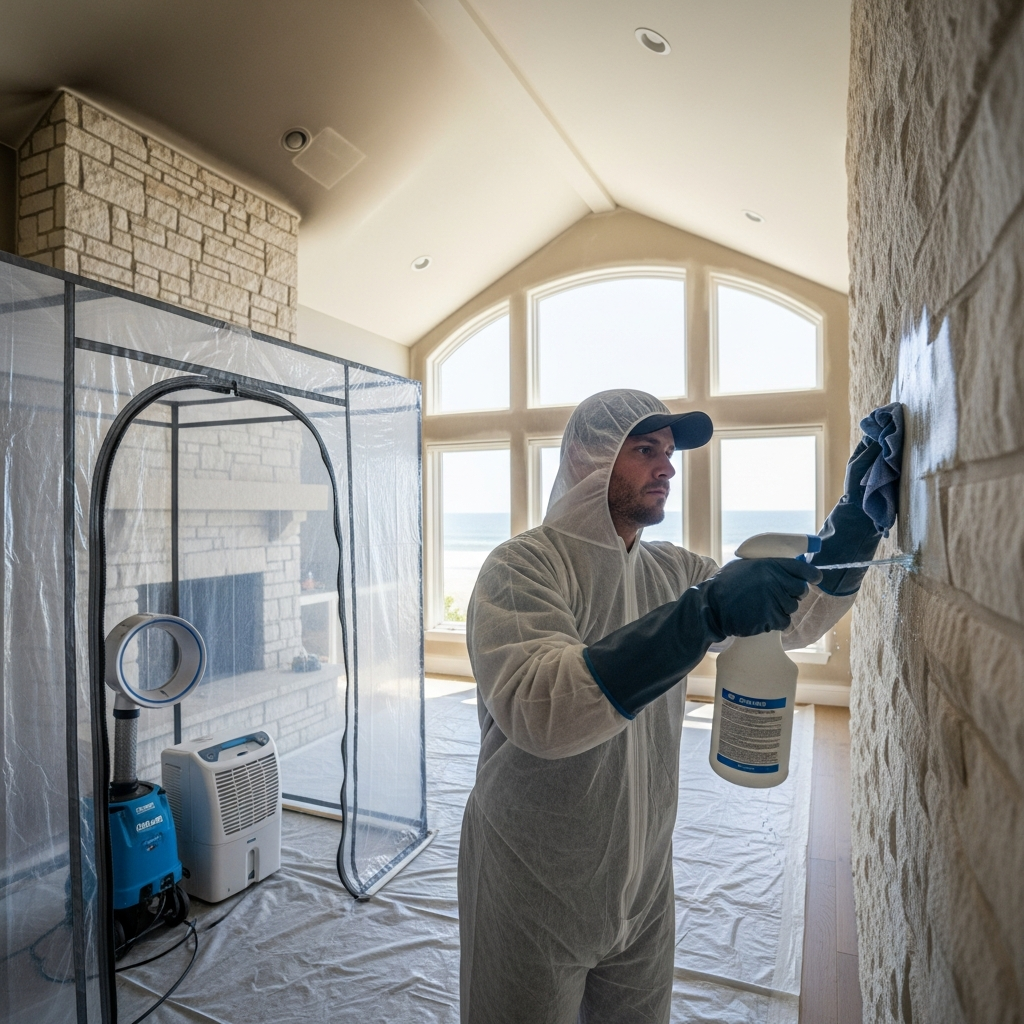
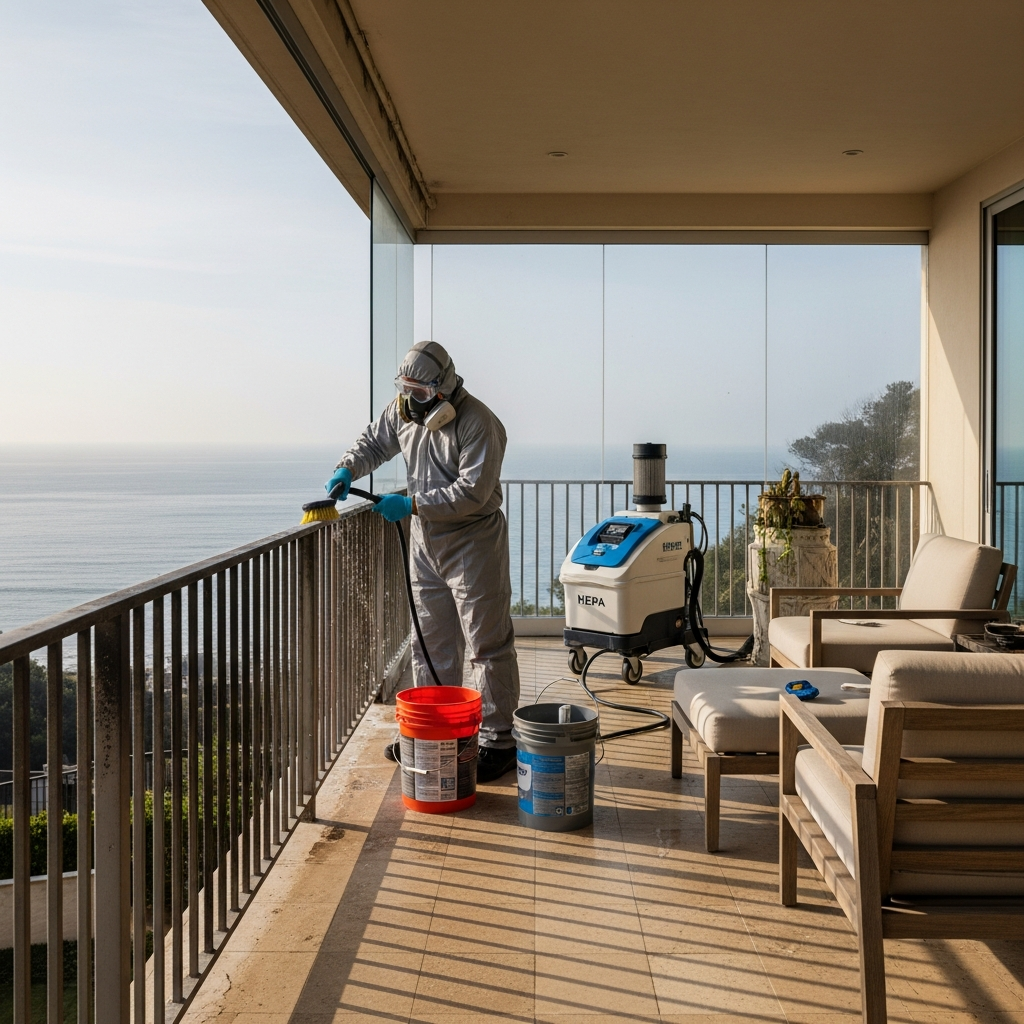
Restoration is, first and foremost, a health project. Smoke residues carry fine particulates that irritate lungs and eyes, and certain fire byproducts can off-gas into the indoor environment long after visible soot is gone. Thorough cleaning, targeted removal of source materials, and air scrubbing with HEPA filtration make the air you breathe measurably safer. HVAC systems, often the circulatory system of a Malibu home, must be addressed to prevent reintroducing contaminants. This focus on indoor air quality is not a luxury; it is a necessity that returns livability to your space.
Odor is not merely cosmetic; it is a symptom. A home that still smells smoky is signaling that contaminants remain. True deodorization identifies and treats the source—insulation, framing, or hidden cavities—rather than masking it. The standard is simple: if your nose tells you the job is incomplete, keep going until the air feels as clean as it is measured to be.
Preserving Structure and Aesthetics
Malibu homes are often showcases of design: open volumes, expansive glass, artisan finishes, and materials chosen for their interplay with light and ocean views. Fire threatens both structure and aesthetic integrity. Prompt soot neutralization reduces corrosion on fixtures and appliances. Controlled drying protects wood floors from cupping and cabinetry from swelling. Selective removal and precise repairs preserve the lines and surfaces that define your home’s character. Restoration respects the original design by choosing methods that align with the material science of each surface, from stone to plaster to hardwood.
It is not just about getting back to normal; it is about returning to the vibrancy that made the home special. This is the art inside the science—knowing when to restore, when to replace, and how to sequence work so that cleanliness is protected all the way through to final finishes.
Strengthening Resilience in a Fire-Prone Landscape
Malibu has learned hard lessons about wildfire. The importance of restoration includes the opportunity to rebuild smarter. As walls are opened and systems evaluated, it becomes possible to improve ember resistance, review venting strategies, and plan defensible space with a clearer understanding of how smoke and heat moved through the structure. Preparedness features integrated during repair—like upgraded alarms or refined attic ventilation—turn a painful event into a catalyst for resilience.
Community resilience grows when each home becomes a little more robust. Thoughtful choices ripple outward, helping neighborhoods recover faster and face the future with greater confidence.
Clarity Through Documentation and Communication
A solid restoration effort is built on transparency. Photographs, moisture readings, and notes about residue types are more than paperwork; they are the narrative of your home’s recovery. This documentation supports insurance communication and frames conversations about scope and timeline. In Malibu, where custom materials and one-of-a-kind design elements are common, documenting what made the space unique ensures that repairs honor the home’s original intent.
Communication is equally important. Good teams translate technical steps into plain language: why dehumidifiers are running, how a cleaning agent protects a finish, what a moisture reading number means. That clarity keeps you informed and in control, turning a complex process into a sequence of understandable decisions.
Managing the Interplay of Water and Smoke
Water from suppression efforts often hides behind the obvious. Under tile, inside wall cavities, and beneath cabinetry, moisture can linger and undermine finishes. Coordinated drying—using containment, measured airflow, and dehumidification—prevents microbial growth and structural distortion. At the same time, smoke and soot require careful handling to avoid smearing or driving residues deeper into materials. The choreography matters. Done well, these efforts support each other rather than compete, leading to faster, more reliable results.
Drying and cleaning are validated with data: moisture targets are met, air quality improves, and odor dissipates authentically. You should be able to see, feel, and measure progress.
Valuing What Matters: Contents and Memories
Beyond walls and floors, restoration protects the fabric of family life. Contents—art, textiles, instruments, heirlooms—carry stories. Malibu homes often hold collections curated over years, and caring for them requires specialized approaches. Pack-out services, detailed inventories, and tailored cleaning restore not just things, but the memories they hold. This is part of the importance of restoration: it recognizes that home is both a place and a narrative, and it treats both with respect.
When a project considers the emotional as well as the technical, the result is a recovery that feels complete. Your restored space does not just function; it welcomes you back.
Local Knowledge, Lasting Results
Fire damage restoration in Malibu benefits from local expertise. The intersection of canyon winds, marine layers, and hillside construction patterns affects how smoke moves and how buildings dry. Experienced professionals anticipate these variables, adjusting ventilation strategies and containment to the day’s conditions. They understand the pace at which corrosion can develop in salty air, and they protect against it from hour one.
Local relationships matter as well. Coordination with building officials, collaboration with specialized trades, and familiarity with material suppliers help a project move smoothly. In a community where quality and design carry high value, those connections ensure that the finished product reflects both technical excellence and aesthetic fidelity.
From Emergency to Renewal
The importance of restoration continues long after the last air scrubber is turned off. Reconstruction is the phase where intention becomes visible—surfaces are replaced, finishes are matched, and the lived experience of the home returns. Care during this phase protects the cleanliness and air quality achieved during mitigation. Trades are sequenced to minimize dust and recontamination, and protections stay in place until the final walkthrough. The result is a home that looks as good as it feels, with the confidence that the unseen elements—framing, insulation, ducts—are as healthy as the visible ones.
Mid-project check-ins help keep vision and execution aligned. If priorities shift, they do so with reason and clarity, guided by the shared goal of a complete and durable recovery supported by expert fire damage restoration.
Frequently Asked Questions
Why is immediate restoration action so important?
Time is a force multiplier. Soot becomes more corrosive, odors penetrate deeper, and moisture breeds secondary damage as hours and days pass. Early, informed action contains the loss and sets the project on a path to efficient resolution.
How does restoration improve indoor air quality?
By removing source materials, cleaning surfaces correctly, filtering particulates, and addressing HVAC systems, restoration reduces contaminants that affect breathing comfort and overall health. Air that smells clean should also measure clean.
Do I have to vacate my home during restoration?
It depends on the extent of damage and the areas affected. Safety, air quality, and the need for containment often guide this decision. Your restoration team will outline options and help you weigh convenience, health, and project efficiency.
What happens if odors persist?
Persistent odor indicates that a source remains. The team will revisit the space, identify hidden reservoirs—such as insulation or concealed cavities—and address them through removal, sealing, or further deodorization until the odor is resolved at its origin.
How is the character of my home preserved?
Documentation of finishes, careful material matching, and craftsmanship during repairs protect your home’s unique look and feel. Restoration respects both the technical requirements and the design intent of the original space.
If you are seeking a clear, confident path from damage to renewal, choose local professionals who treat your home’s health, beauty, and story with equal care. Start the conversation today with trusted fire damage restoration experts who can stabilize swiftly, communicate clearly, and return your Malibu home to a place of comfort and pride.