Every Malibu home tells a story. Some rise lightly over the sand with sunlight pouring through floor-to-ceiling glass. Others perch above canyons, shaded by sycamores and cooled by marine layers that drift in overnight. When water intrudes—whether from a sudden supply line break, a roof leak after a winter storm, or slow moisture migrating behind plaster—the story takes an unexpected turn. Residential restoration here is not just about drying materials; it is about preserving character, protecting family life, and guiding a calm return to normal. Having walked through beach bungalows, modern hillside retreats, and estate properties during moments of stress, I know that successful water damage restoration in Malibu starts with attentive listening and a plan tailored to the rhythms of your home.
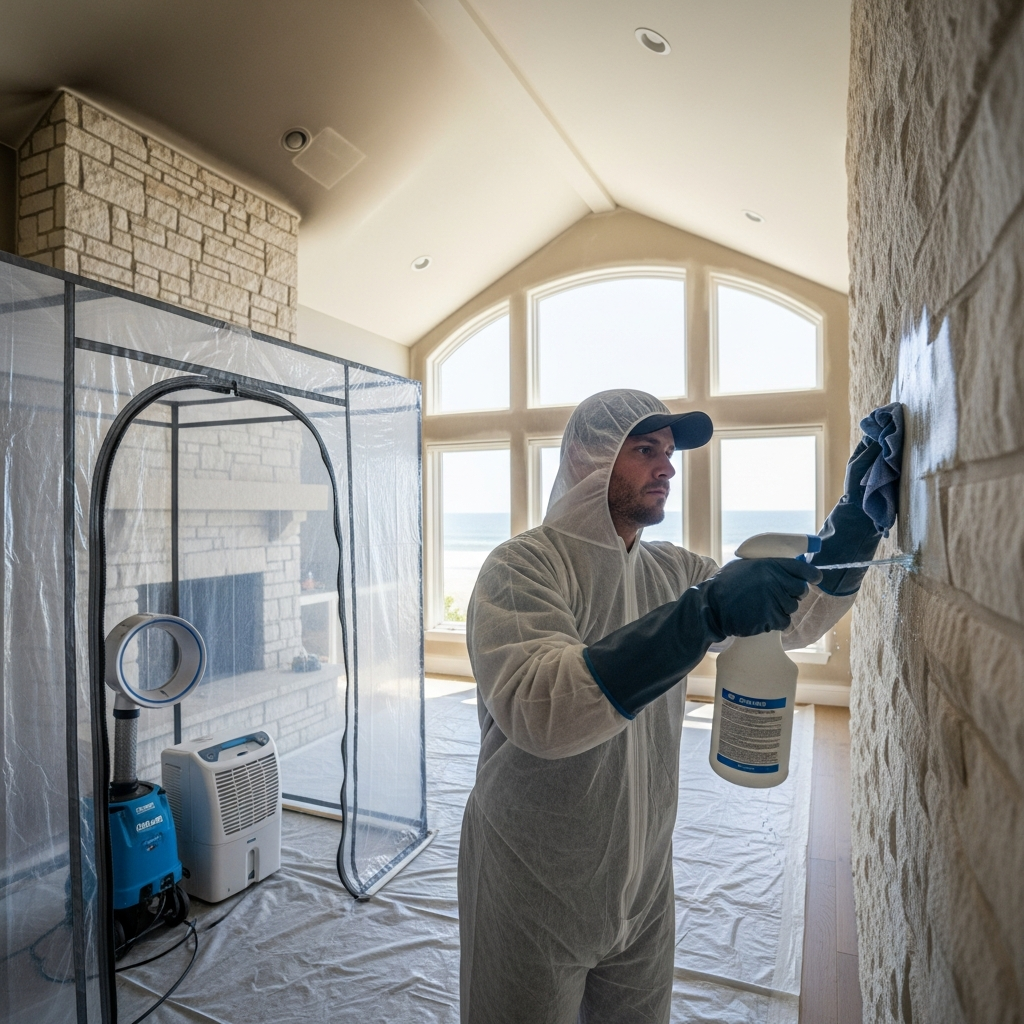
From the first call, the goal is to stabilize without becoming disruptive. Crews arrive ready to secure the water source, address safety concerns, and protect finishes as they deploy equipment. Floor runners, corner guards, and careful staging prevent collateral damage, an especially important point in homes with custom millwork, fine plaster, and specialty stone. In multi-level residences with glass balustrades and delicate fixtures, technicians move with deliberate care, using compact tools where access is tight and minimizing the footprint of drying chambers so life can continue in unaffected rooms.
Understanding How Malibu Homes Are Built
Construction details define drying strategies. Older cottages may have plaster over lath and original hardwoods with unique grain and patina. Contemporary builds often layer engineered materials and vapor barriers behind sleek finishes. A thoughtful restorer studies these assemblies and plans interventions that respect them. Sometimes that means drying in place under negative pressure to protect plaster finishes; other times it calls for precise flood cuts to open wall cavities, remove saturated insulation, and speed drying safely. In kitchens and baths, cabinetry and stone demand particular attention to prevent warping, staining, or etching during mitigation.
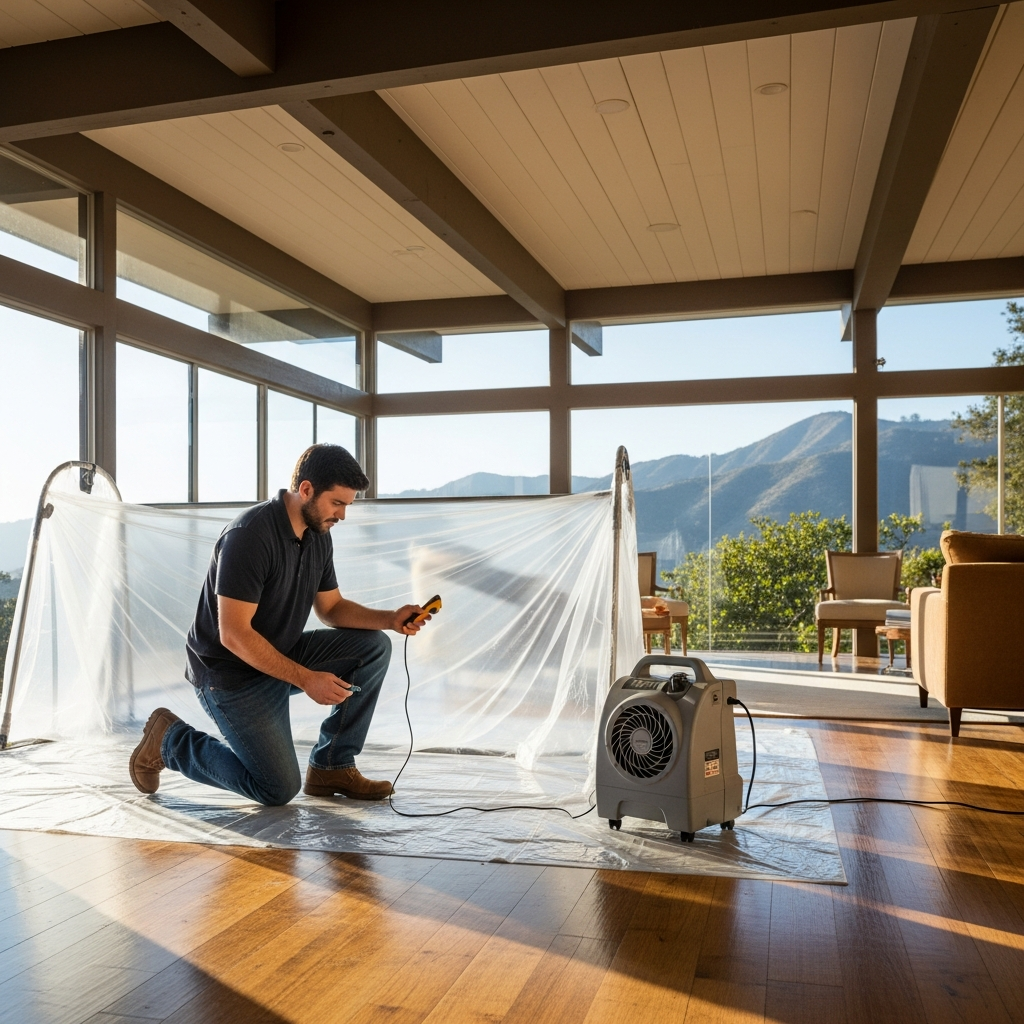
Hillside homes with crawlspaces or utility chases benefit from early exploration with thermal imaging and borescopes. Moisture often migrates along framing members and collects out of sight. Identifying those pockets prevents future odors or microbial growth and sets the stage for a clean, efficient rebuild that does not surprise you later with hidden damage.
Family Life, Pets, and Privacy
Residential work happens in the most personal spaces in your life. Respect for routines, privacy, and comfort is non-negotiable. Crews should coordinate schedules around school drop-offs, quiet hours for remote work, and the needs of pets who find equipment noise unsettling. In gated properties or communities with strict rules, your restoration partner manages access gracefully, keeps common areas tidy, and communicates proactively so neighbors stay comfortable too.
Communication reduces stress more than any piece of equipment can. You deserve a single point of contact who explains what is happening today, what is planned for tomorrow, and how success will be measured. Clear, concise updates with photos and moisture readings empower you to make decisions and keep other stakeholders—designers, property managers, or family members—informed.
Drying Strategies That Protect Finishes
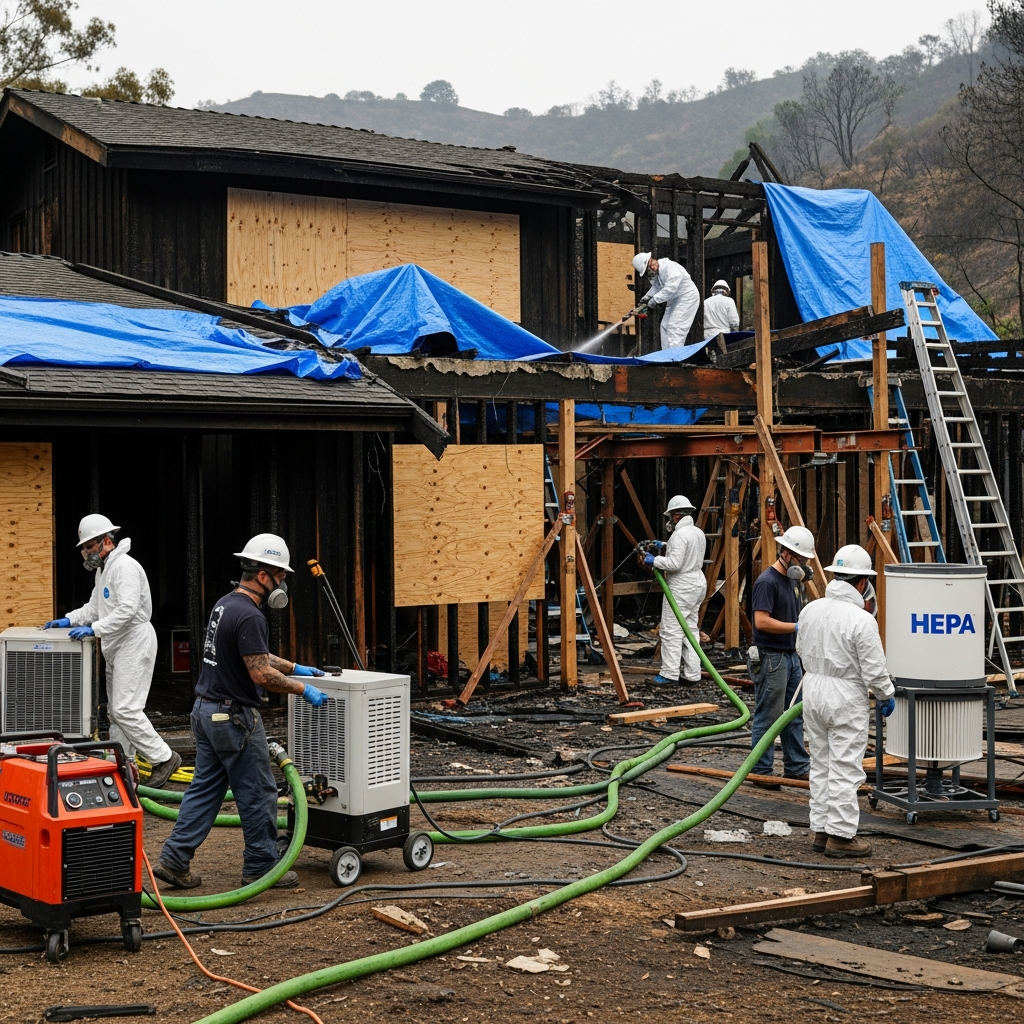
Residential restoration in Malibu leans toward surgical precision. Rather than blanket demolition, the emphasis is on preserving finishes through controlled drying supported by containment. HEPA air filtration keeps dust down during any necessary removal. Hardwood floors may be tented with focused airflow while dehumidifiers maintain a steady, dry environment. Plaster can often be saved by drying the cavity behind it under negative pressure, avoiding the texture-matching challenges that follow broad tear-outs.
In living spaces with valuable rugs, draperies, and upholstered furniture, contents are triaged early. Some items move to unaffected rooms protected by clean pathways and plastic sheathing; others are documented and sent for specialty care. Items with emotional resonance—family photos, a child’s artwork—receive immediate attention so you can breathe easier even as the work unfolds.
Mid-Course Checks Keep Results on Track
As drying progresses, mid-course checks are essential. Moisture logs should show steady improvement toward target levels. If progress stalls in a particular assembly, the plan adjusts: containment might be refined to tighten the drying chamber, or different dehumidification may be introduced to match cool, humid marine conditions. These touchpoints are also a chance to revisit your goals—whether you want repairs sequenced around travel, or whether certain rooms must be turned over first so life can fully resume in stages. They are also a sensible moment to reconfirm that your water damage restoration objectives align with any design updates you are considering during reconstruction.
Insurance, Documentation, and a Smooth Handoff to Repairs
Most residential losses involve insurance in some form. Good documentation in clear language helps everyone stay aligned. Expect initial condition photos, daily notes, and moisture maps that track readings by material and location. When mitigation concludes, you should have a tidy package summarizing what was dried in place, what was removed, and what is ready for rebuild. If your project transitions to reconstruction with the same provider, that continuity speeds schedules and reduces friction; if it moves to your contractor, a thorough handoff protects quality and timelines.
Homeowners often ask how to minimize the chance of a repeat event. The mitigation-to-rebuild window is the perfect time to install smart leak detection on vulnerable lines, add pan sensors beneath appliances, improve roof drainage at valley intersections, and service HVAC to ensure balanced airflow and humidity control. These upgrades are small compared to the peace of mind they deliver.
Respect for Architecture and Craft
Malibu’s residential architecture spans mid-century modern, Spanish revival, coastal contemporary, and eclectic blends that reflect decades of thoughtful design. Restoration must honor that variety. Matching plaster textures, conserving old-growth hardwoods, reassembling custom cabinetry, and protecting steel elements from corrosion are not afterthoughts; they are part of the central promise to return your home to its full integrity. The best teams coordinate with artisans, finish carpenters, and stone specialists so repairs do not just look right—they belong.
There is also an art to sequencing. Drying should conclude cleanly before invasive repairs start, and contents should move back in a way that avoids scuffs or new damage. When the final walkthrough happens, the space should feel whole again, the narrative of your home back on course without rough edges or lingering what-ifs.
Frequently Asked Questions
Can we stay in the home during restoration?
Often, yes. With thoughtful containment and scheduling, families can occupy unaffected areas while work proceeds. Your team should outline the plan clearly so daily life remains as smooth as possible.
How loud is the equipment and how long will it run?
Air movers and dehumidifiers create steady background noise. They typically run continuously for several days, with daily checks to adjust placement and confirm progress toward dry standards.
Will my hardwood floors be okay?
In many cases, controlled drying saves hardwoods. Tenting, targeted airflow, and patient monitoring reduce cupping. Some floors benefit from refinishing after moisture stabilizes, but early action improves outcomes significantly.
What happens to wet drywall and insulation?
Where materials lose integrity or cannot be sanitized, strategic removal occurs to open cavities and speed drying. The goal is to remove only what is necessary while preserving finishes that can be saved.
How will you protect our belongings?
Expect early contents triage, protective pathways, careful packing where needed, and climate-conscious storage for sensitive items. Communication keeps you in control of decisions about what to clean in place and what to send for specialty care.
Ready to Restore the Rhythm of Home?
If water has interrupted your daily life, you deserve a partner who protects your comfort as carefully as your finishes. Connect with a local team that blends technical skill with an eye for architecture, and take the first step toward a calm, confident recovery with trusted water damage restoration tailored to Malibu homes.