Along the Malibu shoreline, coastal living brings a front-row seat to the drama of the Pacific—brilliant sunsets, the steady rhythm of surf, and, at times, storm systems that test the resilience of beachfront and bluff-top homes. When high tides align with heavy rain and strong onshore winds, floodwaters can overtop seawalls, saturate landscaping, and push moisture into spaces never meant to be wet. Flood restoration in this environment is both a technical exercise and a local craft. It requires an understanding of saltwater’s corrosive behavior, the way sand and silt move through structures, and the logistical realities of staging equipment along narrow lanes and boardwalks. Most of all, it calls for a calm, informed plan for water damage restoration that respects the architecture and daily rhythms of coastal homes.
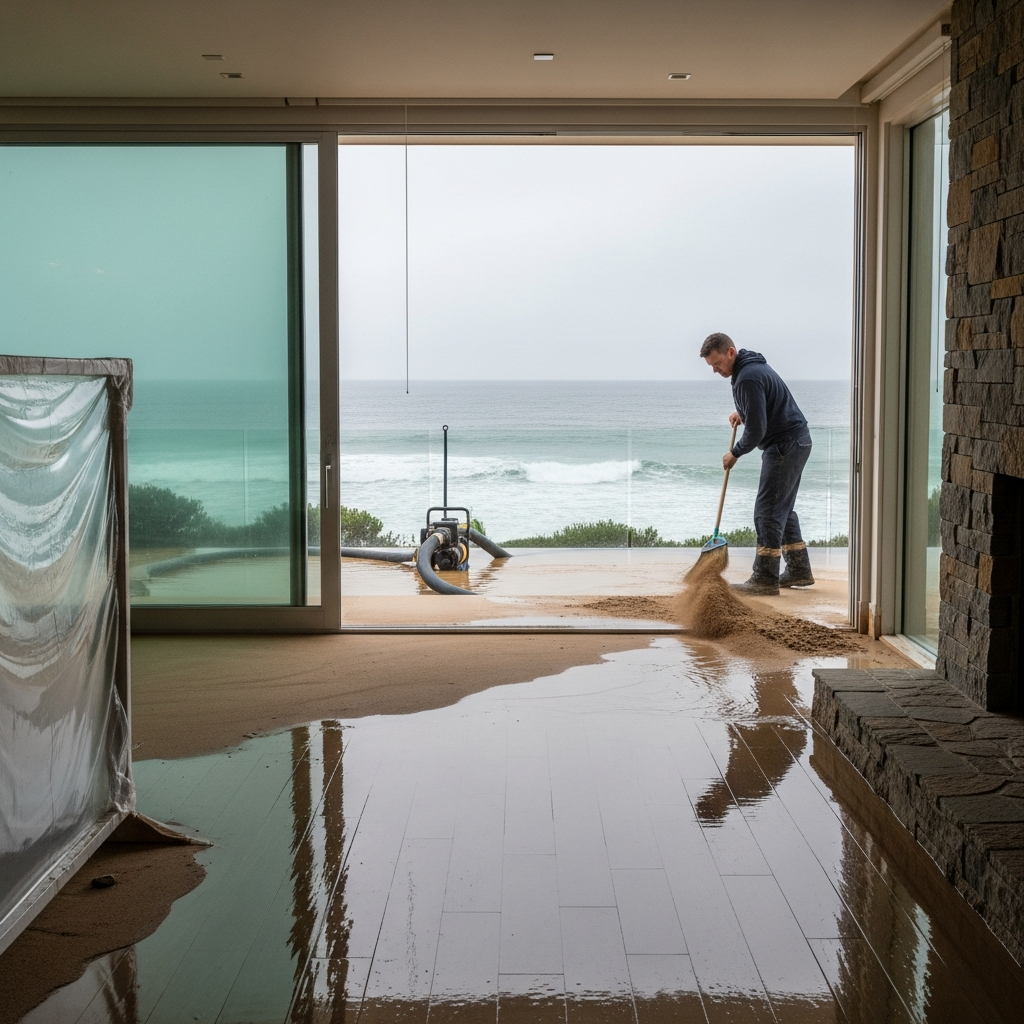
Floodwater is not like a supply line leak. Even when visibly clear, water that has crossed soil, landscaping, or beach sand carries dissolved salts, organic matter, and fine particles that embed in porous materials. In Malibu’s marine air, the salt load accelerates corrosion on fasteners, appliances, and electrical components. The first imperative, after safety checks, is to remove standing water quickly and separate clean spaces from affected ones with containment. That sets the stage for targeted cleaning and drying while limiting cross-contamination.
Stabilizing the Site When the Ocean Pushes In
Stabilization begins with access and safety. Crews confirm that the structure is sound, that there are no energized circuits in wet areas, and that ceilings or soffits are not holding trapped water. Next comes heavy extraction with pumps designed to handle sandy silt without clogging, followed by detailed removal with specialty tools that lift water from crevices in decking, stair landings, and thresholds. Along the beach, where tides ebb and flow, timing is everything. Technicians may schedule deliveries around high water or use compact equipment that navigates tight boardwalks and steep stairs without tearing up pathways.
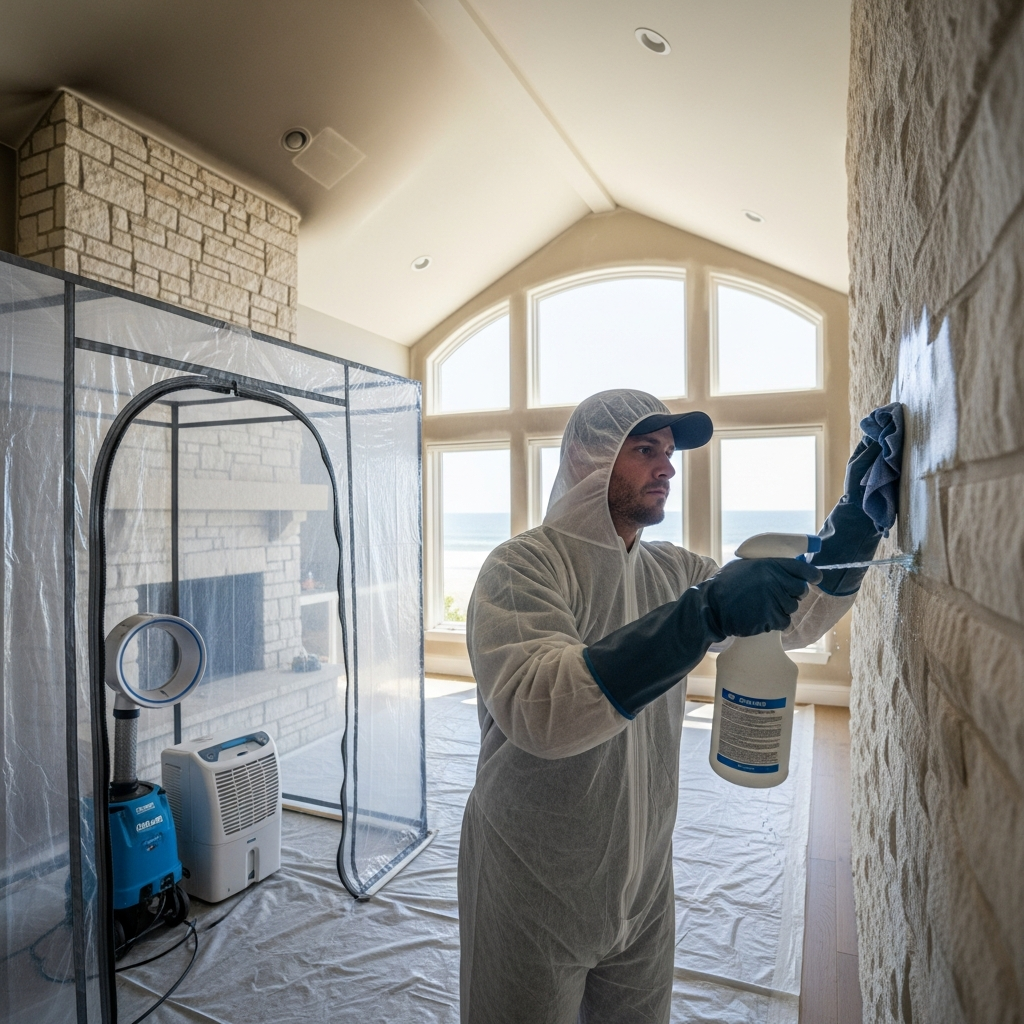
Once water is out, the cleaning protocol changes compared to a clean-water loss. Flood-exposed materials must be assessed not only for saturation but also for contamination. In many cases, lower sections of drywall and insulation are removed to eliminate embedded debris and to open wall cavities for thorough drying. Hard, non-porous surfaces receive meticulous cleaning and disinfection. Porous items that cannot be cleaned to a safe standard are documented and disposed of appropriately. The goal is not just to dry the structure but to restore a healthy indoor environment.
Salt, Sand, and the Materials That Define Coastal Homes
Coastal architecture in Malibu often features large expanses of glass, steel elements, hardwood floors, and stone or plaster finishes. Salt and sand challenge each of these in distinct ways. Fine grit works its way into gaps beneath thresholds and along track systems, while salt can drive moisture deeper into wood fibers and encourage metal oxidation. Drying strategies respond to this reality. For hardwood in particular, controlled, patient drying is key. Rather than blasting air indiscriminately, a skilled team may tent flooring to concentrate conditions, blend dehumidification with carefully directed airflow, and monitor cupping with moisture readings across the board face and within the subfloor.
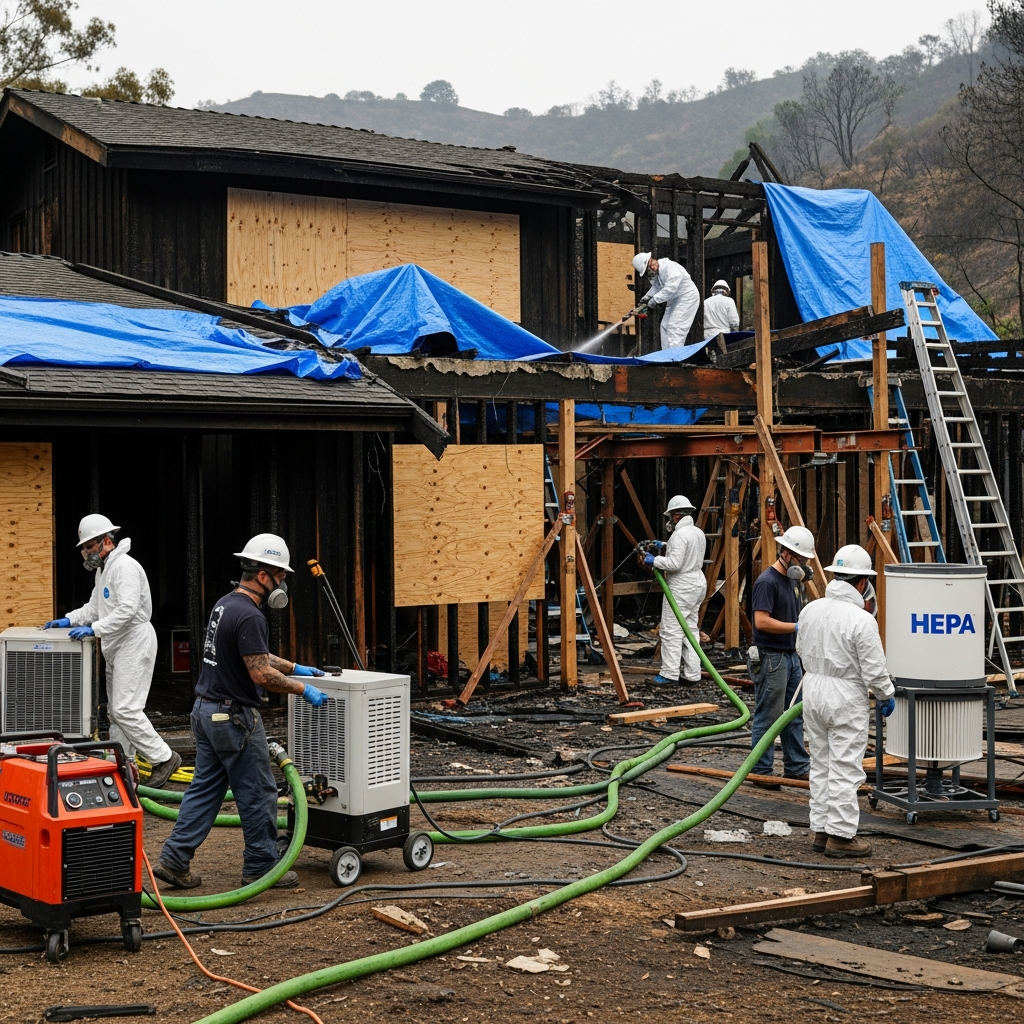
Behind plaster and stone, salt-laden moisture can linger, making verification essential before equipment is removed. Technicians use pin and pinless meters to track progress, and thermal imaging to identify cooler, still-damp zones. In some assemblies, negative pressure drying pulls air through cavities while HEPA filtration captures particulates. The result is a measured, material-specific plan rather than a one-size-fits-all response.
Managing Crawlspaces, Slabs, and Seawall Adjacent Areas
Many Malibu properties incorporate crawlspaces or sit directly on slabs. Each presents its own puzzle during flood recovery. Crawlspaces may trap humid air and harbor debris, calling for careful removal of compromised insulation, targeted cleaning of framing, and sometimes the addition of temporary ventilation to accelerate drying while protecting indoor air from crossflows. Slab-on-grade homes, especially near the beach, can show elevated readings due to capillary action; here, patience and controlled conditions prevent unnecessary demolition while still achieving a dry standard verified by consistent measurements over time.
Adjacent to seawalls or decks, hidden channels can convey water farther into the structure than expected. Experienced local teams know to check behind built-ins, within staircase cavities, and along vapor barriers where condensation can collect. This attention to detail is what keeps minor, manageable issues from becoming lingering sources of odor or microbial growth weeks later.
Power, Logistics, and Working With the Tides
Flood events often coincide with power interruptions. Restoration teams that work the coast routinely bring generators, low-profile cord management, and lighting that allows safe, after-hours operation when the tide schedule demands it. They also coordinate with neighbors and HOAs to stage equipment without blocking access. The goal is to keep momentum regardless of outside variables, maintaining the steady environment drying requires while respecting the community’s flow.
Documentation under these conditions is not mere paperwork—it is a roadmap for you, your adjuster, and any contractors who follow. Expect photo logs that capture both the big picture and the details: silt lines that show water height, corrosion beginning on fasteners, and progress as each assembly dries. Those records support smart decisions about what to salvage, what to replace, and how to time repairs around material lead times and weather windows.
Contents and the Coastal Lifestyle
Beach living brings a distinct mix of belongings: surf gear rinsed and stored in garages, outdoor cushions that blur the line between patio and living room, and artwork that reacts to humidity swings. Contents care during flood recovery starts with triage. Items with sentimental and functional value are moved first to dry, clean zones. Washable items are cleaned methodically to remove salts and fine sand, while textiles and soft goods destined for specialty cleaning are documented and packed with care. Where possible, cleaning occurs on-site to speed your return to normal routines, but not at the expense of thoroughness or indoor air quality.
Communication is the throughline. Homeowners want to know not only what is happening, but why each choice is being made. The best teams explain the reasoning behind each step, offer practical guidance for living in portions of the home during drying, and set honest expectations about disruptions and timelines. When done well, this partnership reduces stress and helps you make informed decisions about finishes, schedules, and any resilience upgrades you wish to pursue during repairs.
Mid-Project Reassessments Keep Results on Track
Midway through the process is the time to pause, compare current moisture readings with initial baselines, and confirm that the strategy is working. If certain assemblies are drying too slowly, adjustments follow—additional containment to shrink the drying chamber, swapping dehumidifiers to better match ambient conditions, or opening a cavity that stayed wet despite initial efforts. This reassessment is also the perfect moment to align on broader goals for your water damage restoration project, including any design tweaks you may want during reconstruction, such as improved thresholds at ocean-facing doors or better drainage at hardscape edges.
From Mitigation to a Stronger, More Resilient Home
Once dry standards are met and cleaning is complete, you face a choice: put everything back exactly as it was, or take the opportunity to harden the home against future events. Many Malibu homeowners choose small but effective upgrades—enhanced door sweeps and flashing at beach-facing entries, smart leak detection on supply lines, revisions to landscaping that encourage faster runoff, and materials that tolerate incidental moisture better. A thoughtful restoration partner will outline options without pressure and connect you with skilled trades to carry them forward.
Throughout, remember that the aim is not just to erase evidence of floodwater but to restore comfort, health, and confidence. That means clear verification that assemblies are dry, that indoor air is clean, and that your routines can resume without worry. In a place as beautiful and dynamic as Malibu, that peace of mind is part of what makes the coast feel like home again.
Frequently Asked Questions
Is saltwater damage different from rainwater flooding?
Yes. Salt accelerates corrosion and can drive moisture deeper into materials. Cleaning is more intensive, and certain components—especially metal fixtures and electronics—require careful evaluation to ensure long-term reliability after exposure.
How long does flood drying usually take for coastal homes?
Timelines vary with the extent of intrusion, materials, and ambient conditions. Coastal humidity and cooler marine layers can slow evaporation, so equipment choices and containment strategies are tailored to maintain effective drying throughout.
Can hardwood floors be saved after a flood?
Often they can, provided action is swift and drying is controlled. Tenting, balanced dehumidification, and frequent monitoring help reduce cupping and stabilize the subfloor. In some cases, sanding and refinishing follow after moisture normalizes.
What about odors that linger after water recedes?
Persistent odors usually indicate residual moisture, contaminants, or both. Thorough cleaning, HEPA filtration, and targeted drying of concealed cavities typically resolve them. Verification with moisture readings ensures issues do not return.
Do I need permits for flood-related demolition?
Emergency mitigation typically proceeds without delay, but reconstruction can trigger reviews depending on the scope. A local team helps navigate requirements so repairs begin smoothly once drying is complete.
Ready to Reclaim Your Coastal Home?
With the right plan, flood recovery becomes a confident path back to comfort and health. If the ocean has left its mark and you need experienced hands attuned to Malibu’s shoreline realities, reach out for trusted water damage restoration and let your home breathe easy again.