It’s no secret that Malibu’s relationship with water is complicated. We court the ocean for its beauty, welcome marine breezes to cool our homes, and yet spend a great deal of time and care keeping unwanted moisture at bay. Over the last few years, I’ve watched the field of water damage restoration evolve rapidly in response to our local climate challenges—from hillside runoff after intense rains to the quiet condensation that collects around steel and glass in contemporary homes. These emerging trends are more than industry buzzwords. In Malibu, they translate into faster drying, better indoor air quality, smarter prevention, and gentler methods that respect high-end finishes and environmentally sensitive locations.
Homeowners who stay informed about what’s new are better prepared when a leak or storm hits. From smart sensors to plant-based antimicrobials, I’ll walk through the innovations that are shaping the way Malibu homes are assessed, dried, and protected. And if you’re just starting your research or facing a damp spot right now, connecting early with seasoned water damage restoration pros accelerates every decision you’ll make.
Smarter Detection With Sensors and Mapping
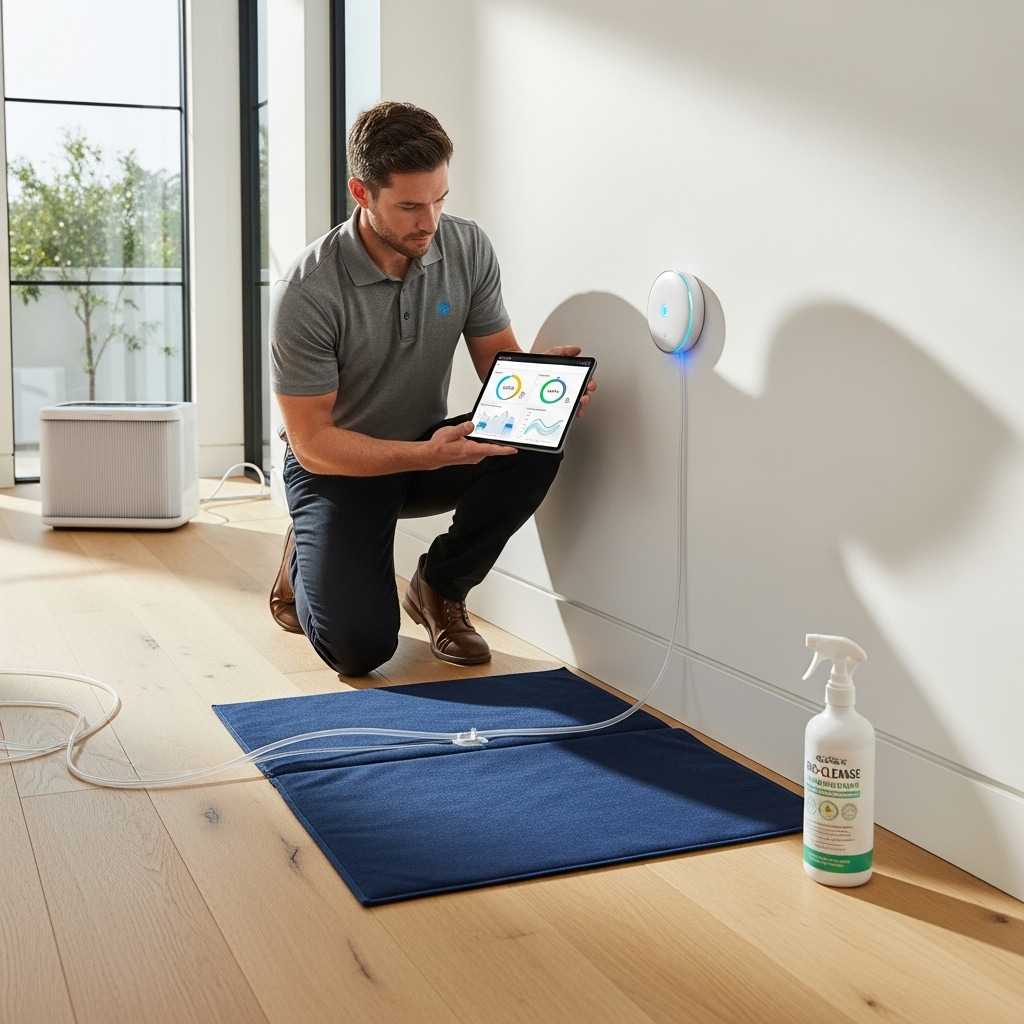
One of the biggest shifts is happening before a single fan is turned on: detection. Affordable, connected leak sensors can now sit quietly beneath sinks, behind refrigerators, or near water heaters and alert you—and your restoration team—at the first sign of trouble. In Malibu’s multi-level homes, those early alerts can prevent a slow drip from saturating a ceiling or hardwood floor. When a problem is identified, technicians increasingly use thermal imaging alongside pin and pinless moisture meters to build precise maps of where water traveled. This allows for surgical drying and minimal demolition, which is especially valuable when walls are finished in specialty plaster or clad in custom millwork.
Some teams are adopting 3D capture tools that document a property in extraordinary detail. These scans support planning, insurance communication, and later repairs. Instead of endless written notes, you have a virtual walkthrough that shows exactly where materials were removed or where equipment was placed—clarity that pays dividends long after the drying is complete.
Data-Driven Drying
Drying is becoming less art and more science. While experience has always mattered, technicians now lean on psychrometrics—measurements of temperature, humidity, and dew point—to optimize equipment. Remote monitoring devices can send real-time data from your living room to a project dashboard, so adjustments happen sooner and with greater precision. Desiccant dehumidifiers, once reserved for large commercial jobs, are appearing more often in Malibu homes with dense materials like plaster, stone, or heavy timber that hold moisture stubbornly.
For homeowners, the practical benefit is shorter timelines and fewer surprises. When drying is guided by numbers and trend lines rather than guesswork, you know what to expect and when it’s safe to move on to repairs. This is particularly helpful when coordinating with other trades, from roofers to cabinetmakers, in a tight post-storm window.
Gentler Methods for High-End Finishes
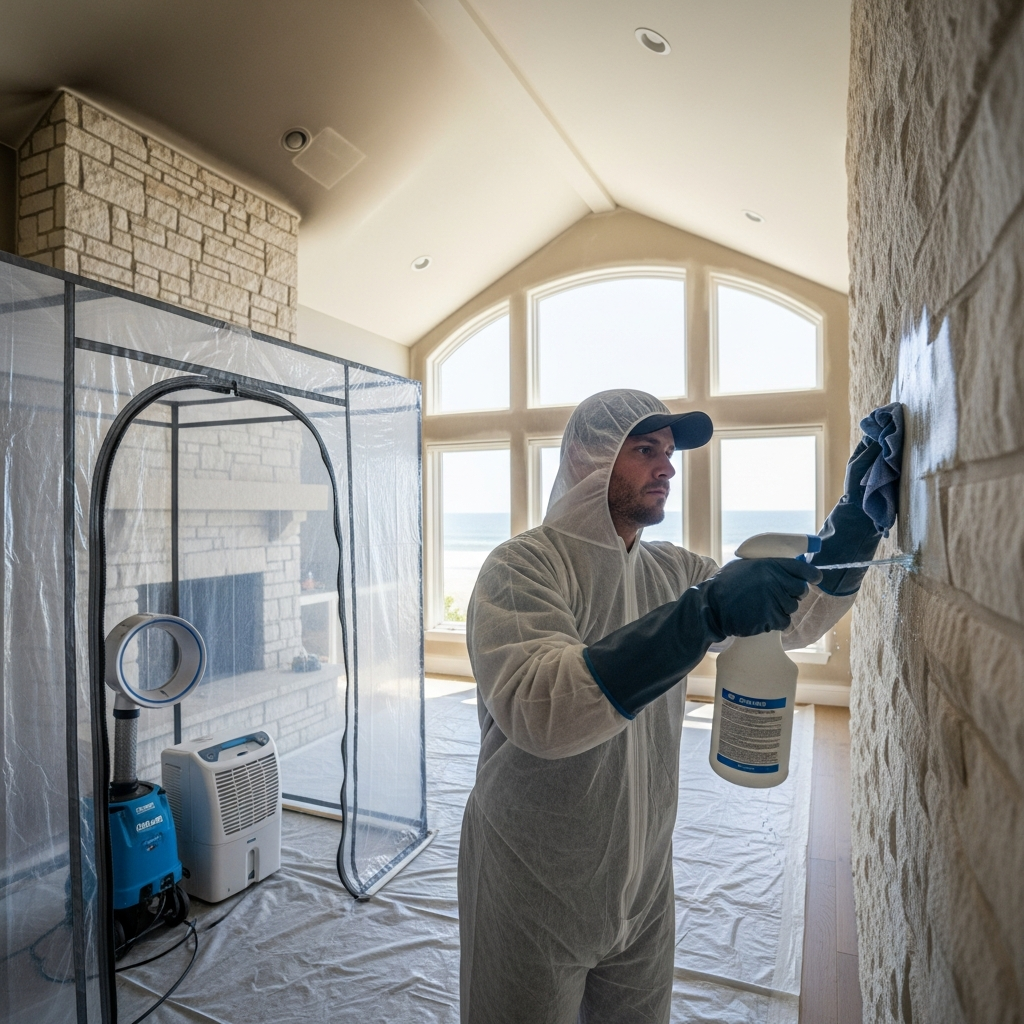
Malibu homes frequently feature finishes that deserve extra care—European oak floors, Venetian plaster, hand-cut stone, and bespoke cabinetry. A key trend is the increased use of non-invasive or low-impact techniques that preserve these materials whenever feasible. Negative-pressure floor mats can pull moisture through seams without prying up boards. Targeted cavity drying through small, neat openings avoids broad tear-outs. Protective coverings and specialized tape systems prevent adhesive transfer or finish damage while equipment runs.
Alongside these methods, restorers are refining how they stage air movers and dehumidifiers to prevent over-drying and surface checking in wood. The goal is to return materials to equilibrium, not simply to drive moisture as low as possible. Precision protects both the look and longevity of finishes that make Malibu homes unique.
Cleaner Chemistry and Air Quality Focus
Another promising development is the move toward greener chemistry. Plant-based antimicrobials and low-VOC cleaners now rival traditional products in effectiveness, which is welcome news for households with kids, pets, or sensitivities. Paired with HEPA filtration and negative air containment, these products help restore indoor air to a truly comfortable state—fresh and neutral, without harsh chemical residue or lingering scents.
Restoration teams are also paying closer attention to building ventilation. Instead of assuming that open windows are enough, they’re evaluating airflow paths and pressure differences to keep dust and spores from traveling. In high-humidity conditions near the beach, they may temporarily limit outside air to keep indoor relative humidity in the ideal range for drying. That nuanced control shortens drying time and protects materials from re-wetting.
Roof and Exterior Innovations
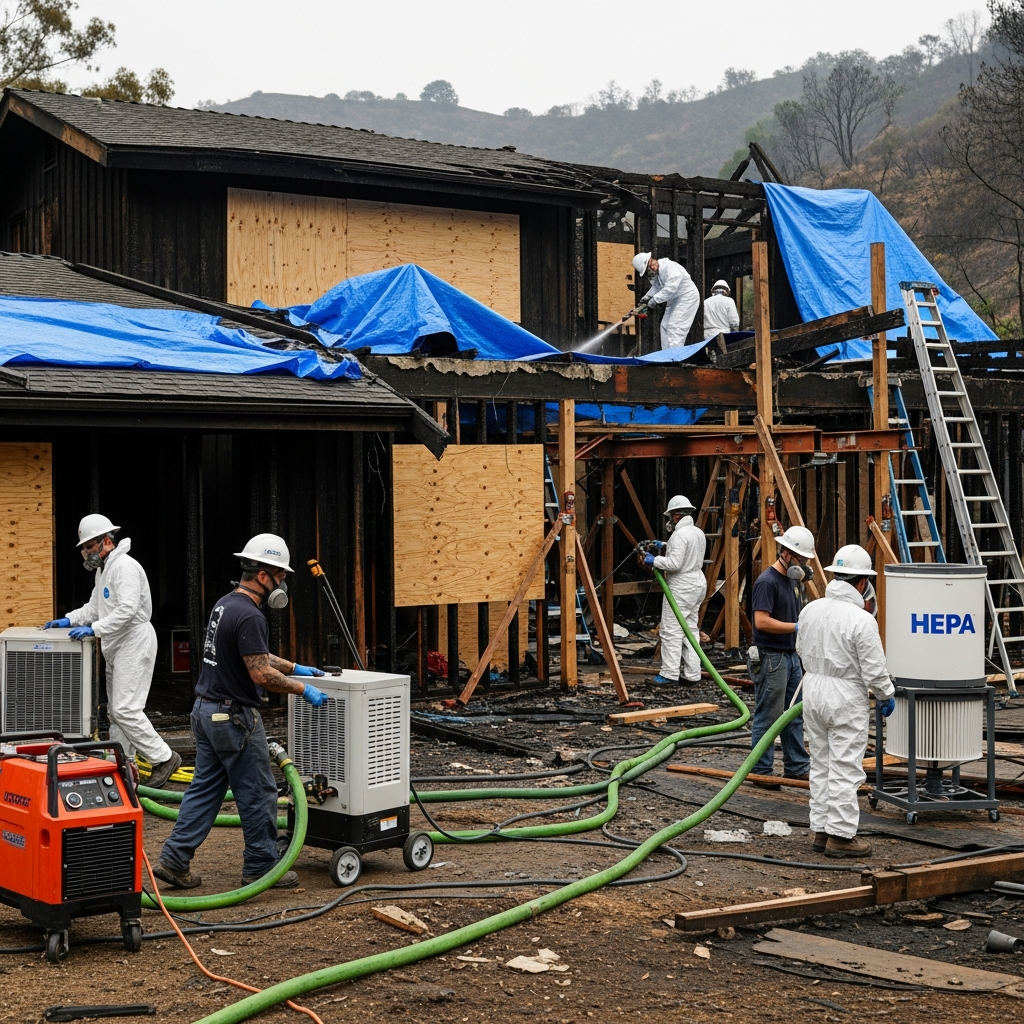
Many Malibu water intrusions begin outside the home—on the roof, at deck edges, or around windows. Drones and high-resolution cameras now assist with safe, fast roof inspections after storms, spotting lifted flashing or compromised membranes without risky climbs. On the prevention side, improved deck waterproofing systems and parapet details are helping modern flat roofs hold up to wind-driven rain. While these aren’t strictly restoration tools, they’re part of the same trend: using better technology to understand and manage how water moves around a structure.
For hillside properties, drainage is getting smarter too. Crews are coordinating with landscapers and civil specialists to evaluate sub-surface water flow, propose discreet swale adjustments, and protect vulnerable entry points around foundations. The goal is to address root causes so the same problem doesn’t reappear when the next storm rolls through canyons and along ridgelines.
Transparent Communication
Perhaps the most homeowner-friendly trend is how restoration companies communicate. Cloud-based project platforms allow you to track progress, see daily photographs and moisture readings, and message your team without playing phone tag. This is especially helpful for second homes and for owners who are traveling. You stay connected to the process, confident that key decisions won’t be made in a vacuum. In high-stress moments, that level of transparency is a game changer.
Mid-Project Milestones
In the middle of a restoration project, you might see technicians recalibrate equipment based on data trends rather than a fixed schedule. They’ll adjust airflow to avoid over-drying wood, reposition dehumidifiers to counter marine-layer humidity, and verify that formerly wet cavities are truly dry before sealing. You may also notice more emphasis on odor neutralization early in the process, not as an afterthought. These mid-course refinements reflect a larger shift toward outcome-based, homeowner-centered water damage restoration.
Training and Certification
Behind the scenes, training is getting better. Certifications that once focused only on extraction and drying now integrate building science, indoor air quality, and even customer care. Malibu homeowners benefit from crews who can explain psychrometric charts in plain terms, discuss the pros and cons of desiccant vs. refrigerant dehumidification, and recommend sensible prevention upgrades once the immediate crisis passes.
Because our area demands specialized knowledge, seasoned local teams bring a blend of textbook expertise and on-the-ground experience with salt air, coastal winds, and microclimates. They know, for example, how a cool marine morning can slow evaporation or how a hot Santa Ana weekend might actually speed drying but risk over-drying finishes if not monitored carefully.
Sustainability and Waste Reduction
Finally, sustainability is moving from aspiration to action. Targeted demolition, precision drying, and digital documentation mean less waste heading to the landfill and fewer materials hauled in for replacement. Choosing low-VOC, biodegradable products protects the environment as it protects occupants. For Malibu, where natural beauty is the backdrop to daily life, this alignment between home care and environmental care feels right.
Frequently Asked Questions
Are smart leak sensors really worth it?
Yes, particularly in multi-level homes or second homes. Early alerts can limit damage to a small area and speed the restoration response. They’re affordable and easy to integrate with mobile notifications.
What’s the advantage of remote monitoring during drying?
Remote data lets technicians adjust equipment in near real time, shortening drying schedules and improving outcomes. You get clarity on progress and confidence that decisions are evidence-based.
Will greener cleaning products work as well as traditional ones?
Modern plant-based antimicrobials and cleaners are highly effective when used correctly. They pair well with HEPA filtration and containment to restore healthy indoor air without harsh residues.
Can high-end finishes usually be saved?
Often they can, especially if drying begins quickly and methods are tailored to the material. Negative-pressure floor mats, careful cavity drying, and protective coverings all increase the odds.
Do drones replace roofers?
No, but they help identify problem areas safely and quickly. Detailed images guide roofers to specific points of concern, improving accuracy and reducing time on ladders.
How do these trends change my experience as a homeowner?
You’ll notice faster, more transparent projects with less demolition, better air quality, and more thoughtful prevention. In short, restoration feels more like a coordinated, data-informed service—and less like a guessing game.
Moving Forward
Trends are useful only if they improve outcomes in real homes. In Malibu, the best of these innovations do just that—finding water sooner, drying more precisely, protecting finishes, and communicating clearly. If you’re ready to apply them to your property, reach out to local experts who work at the intersection of building science and coastal living, and ask how they’d approach your unique space. Start the conversation now and lean on proven water damage restoration to bring the latest methods to your home.