Long after flames are out, smoke tells its own story in a Malibu home. It creeps into the quiet spaces—behind baseboards, inside cabinets, and through attic vents—leaving a thin film on glass and a stubborn odor that lingers after every breeze. For homeowners along the coast and canyons, smoke damage can arrive even without visible fire, carried by offshore winds and funneled through Malibu’s unique topography. That is why specialized smoke damage restoration from nearby Calabasas is so important. This work respects the chemistry of residues, the pathways of air inside a home, and the sensitivities of the people who live there. With the right approach, even the most persistent smoke problems give way to a home that smells clean, tests clean, and feels welcoming again, guided by professionals experienced in comprehensive fire damage restoration.
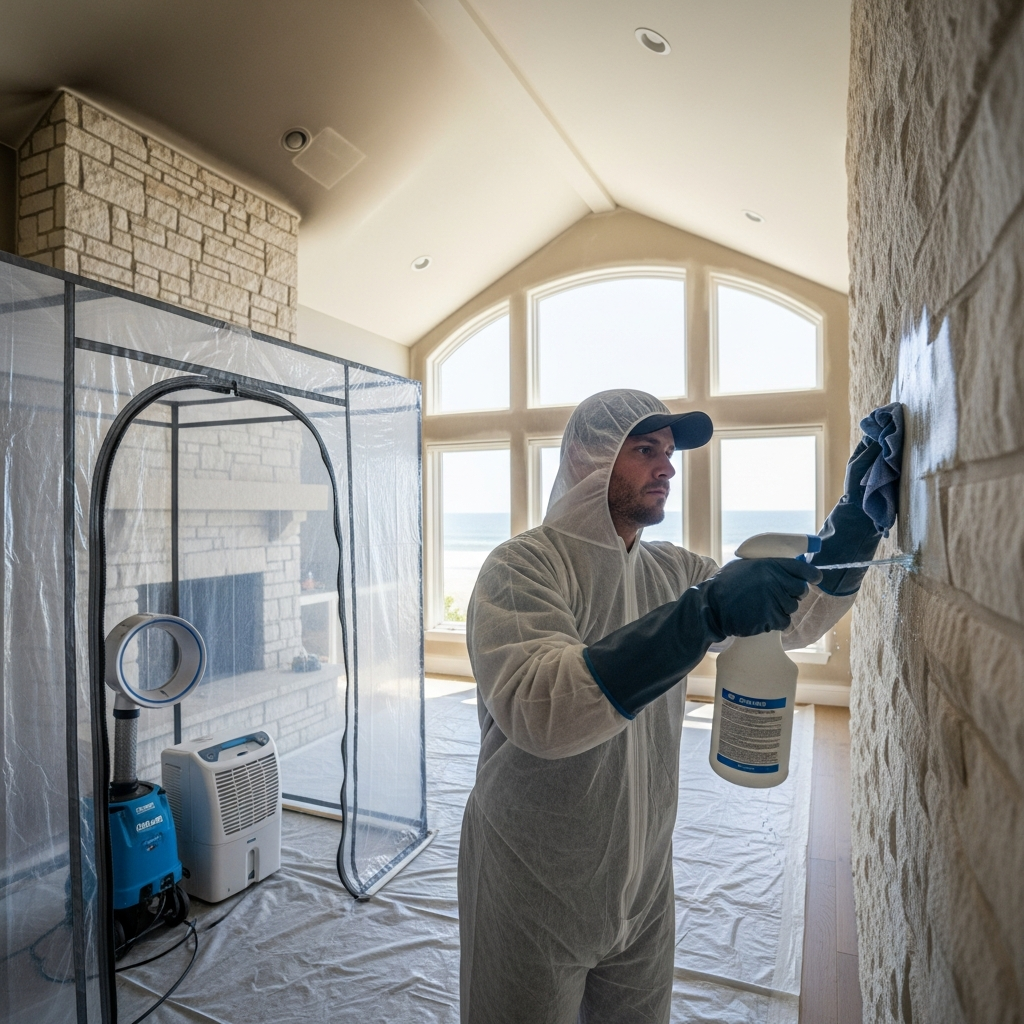
Smoke is not a single substance. Different fuels create different residues: dry particulate from natural vegetation, oily films from synthetics, and protein aerosols from kitchen events. Each responds to its own blend of agitation, pH, and dwell time. Cleaning a Venetian plaster wall requires a gentler touch than wiping a sealed cabinet box, and reclaimed wood beams may need sealing after cleaning to keep their character while locking in trace compounds. Malibu’s architectural diversity demands this level of nuance, and Calabasas crews bring it to every project.
Understanding How Smoke Moves
The path smoke takes through a home follows physics more than floor plans. Heat lifts smoke into high spaces, where it cools and drops into corners and behind trim. Pressure differences draw it through gaps around outlets, recessed lights, and attic penetrations. In coastal Malibu, temperature swings and humidity can intensify the way residues adhere to cool surfaces like glass, metal, and stone. That is why a successful restoration maps smoke pathways carefully before a single cloth touches a surface.
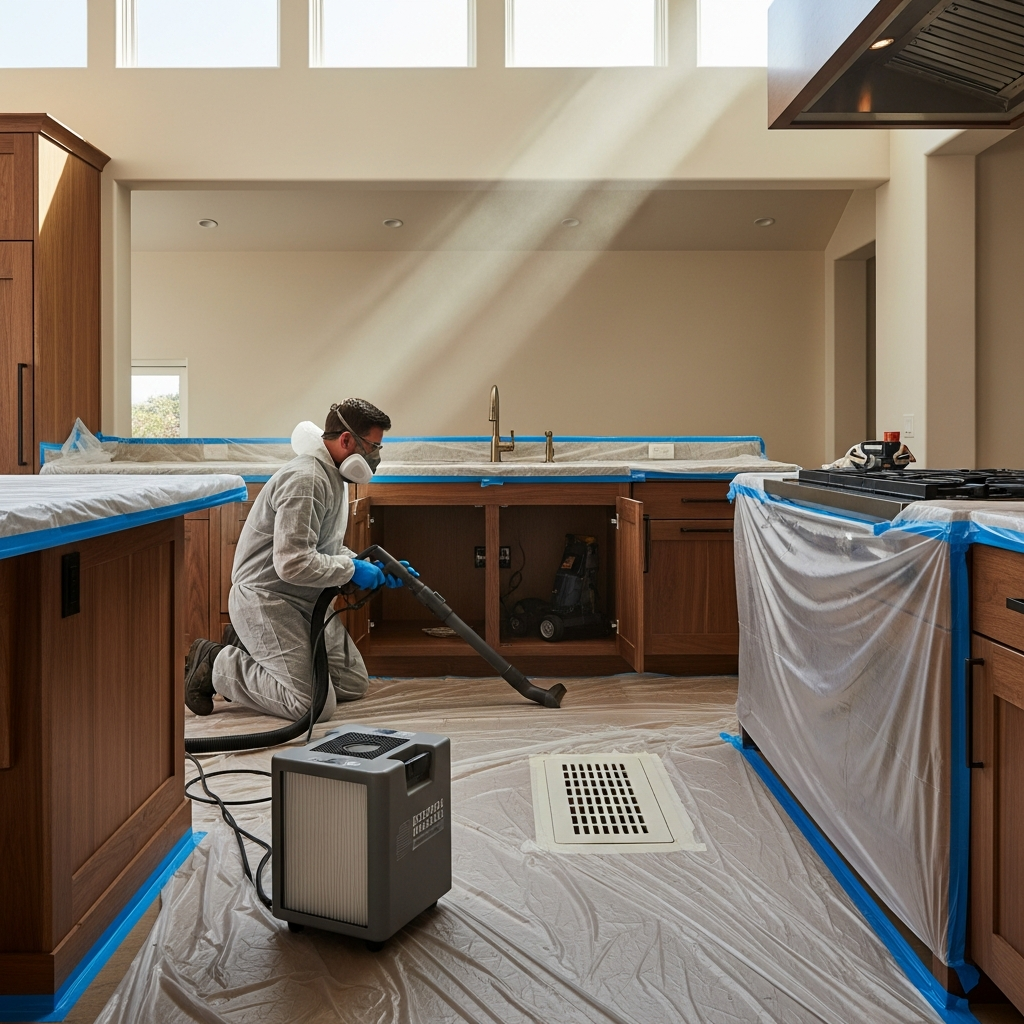
Moisture introduced during firefighting or foggy nights can also set residues, making them harder to remove. The cleaning sequence matters: dry removal to lift loose particulates, then targeted wet cleaning where the chemistry is right. HEPA vacuuming and careful wiping prevent smearing that locks stains into porous materials. When oily residues have migrated into paints or sealers, sealing layers are chosen to encapsulate without changing sheen or color, preserving the visual continuity of a space.
Air Quality and Odor Neutralization
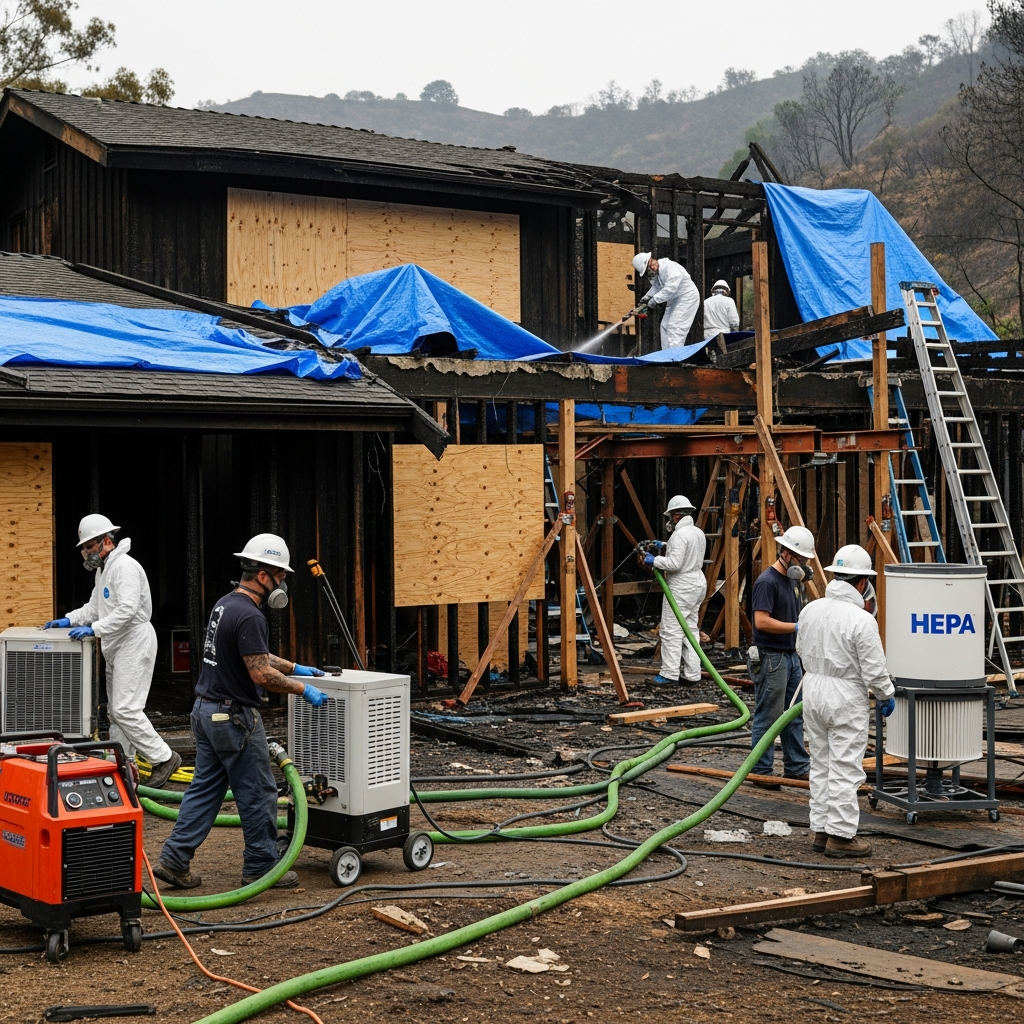
Odor is a sign that molecules remain in the environment. Effective deodorization begins with source removal and rigorous cleaning, but it also relies on air management. Negative pressure keeps work zones contained, while continuous filtration with HEPA-standard scrubbers removes fine particulate. After cleaning, neutralization strategies address compounds that have migrated into cavities. Thermal or dry vapor treatments can reach into stud bays and attic volumes without saturating materials, followed by targeted sealing where appropriate. The goal is not to perfume the home; it is to make the air genuinely clean.
Duct systems are crucial in smoke restoration. Returns, supply branches, and air handlers are inspected and cleaned so they do not reintroduce odors when the HVAC restarts. Filters are replaced and upgraded during the restoration process, and registers are cleaned or refinished as needed. Malibu’s coastal environment rewards attention to corrosion, so metal components are inspected closely, and protective measures are applied where warranted.
Protecting Finishes and Personal Belongings
Many Malibu homes blend natural materials with contemporary finishes, and smoke can be unkind to both. Stone countertops collect a film that dulls their polish. Upholstery captures odors that resist household remedies. Art, instruments, and books absorb residues that require specialized care. Calabasas-based teams inventory, triage, and treat belongings in a sequence that prioritizes what is most at risk. Ultrasonic cleaning lifts soot from delicate items, textiles are treated without harsh oxidizers, and sensitive contents are moved to climate-controlled environments until the structure is ready for their return.
Where cleaning alone cannot restore a finish without damage, sealing becomes the art. Low-odor, material-matched sealers preserve surfaces while locking in any trace remaining molecules, ensuring that warm days or closed-window weeks do not coax odors back into living spaces. This approach preserves character, particularly important for reclaimed woods and hand-applied plasters common in Malibu’s bespoke interiors.
Planning, Verification, and Peace of Mind
The most reassuring restorations are those where homeowners understand the plan. A clear scope outlines where cleaning will occur, which areas require containment, and how air will be managed. Milestones define when verification testing will confirm progress—airborne particulate measures, odor checks by trained noses, and post-cleaning inspections under strong light. That shared plan makes the process predictable and gives families the confidence to move back into rooms as they are cleared.
In the middle of a project, it is common for homeowners to notice subtle improvements: the way morning light no longer reveals haze on windows, the absence of that faint smoky note in closets, the comfort of HVAC cycling without a hint of yesterday’s fire. With the right team guiding meticulous steps rooted in proven fire damage restoration techniques, these moments accumulate into real relief.
Communication supports every phase. Weekly updates, photo check-ins, and quick responses to questions eliminate guesswork. If an unexpected challenge appears—staining on a particular stone or an odor that persists in an attic chase—the team explains options and moves decisively. Nothing is left vague, and every step is recorded so insurance coordination proceeds smoothly.
Frequently Asked Questions
Q: Can smoke damage a home even if no flames reached it? A: Absolutely. Airborne smoke can travel miles, entering homes through vents and tiny gaps. It leaves residues and odors that require professional cleaning and air management to remove.
Q: How long does smoke odor removal take? A: Timelines vary with scope and materials. Light impacts can clear in days, while heavier contamination may take longer. Verification ensures that spaces are genuinely clear before you move back in fully.
Q: Will cleaning harm delicate finishes? A: Techniques are tested on each surface first. If cleaning risks damage, sealing strategies preserve appearance while controlling any remaining odor sources.
Q: Do HVAC systems need special attention? A: Yes. Ducts, returns, and handlers can harbor soot and must be cleaned to prevent recontamination. Filters are upgraded and replaced during the process.
Q: What about textiles and soft goods? A: They are cleaned using methods appropriate to the fiber and dye, with odor control that avoids harsh chemicals. Items are dried and stored properly until the structure is ready.
Restore the Air and the Feel of Home
If smoke has found its way into your Malibu home, help is near and experienced. Calabasas restoration professionals combine chemistry, building science, and craftsmanship to clear the air and protect the finishes you love. Reach out to begin a plan that brings clean, verifiable results and a renewed sense of comfort, supported by thorough fire damage restoration tailored to our coastal canyons.