In the wake of a fire, the mind races: family safety, essential documents, pets, and then the big, practical question—what will it take to bring the home back to its pre-loss comfort and function? While every property is unique, the path forward becomes clearer when guided by local professionals who translate chaos into a phased, transparent plan. In Calabasas, our Malibu-based team has refined that approach over countless projects, helping homeowners understand the scope of work, the drivers behind project complexity, and the choices that can shape outcomes. From the first tarp on a roof to the final coat of paint, our focus is on clarity and craftsmanship, not guesswork. The result is a grounded, step-by-step process for fire damage restoration that respects your priorities and the character of your home.
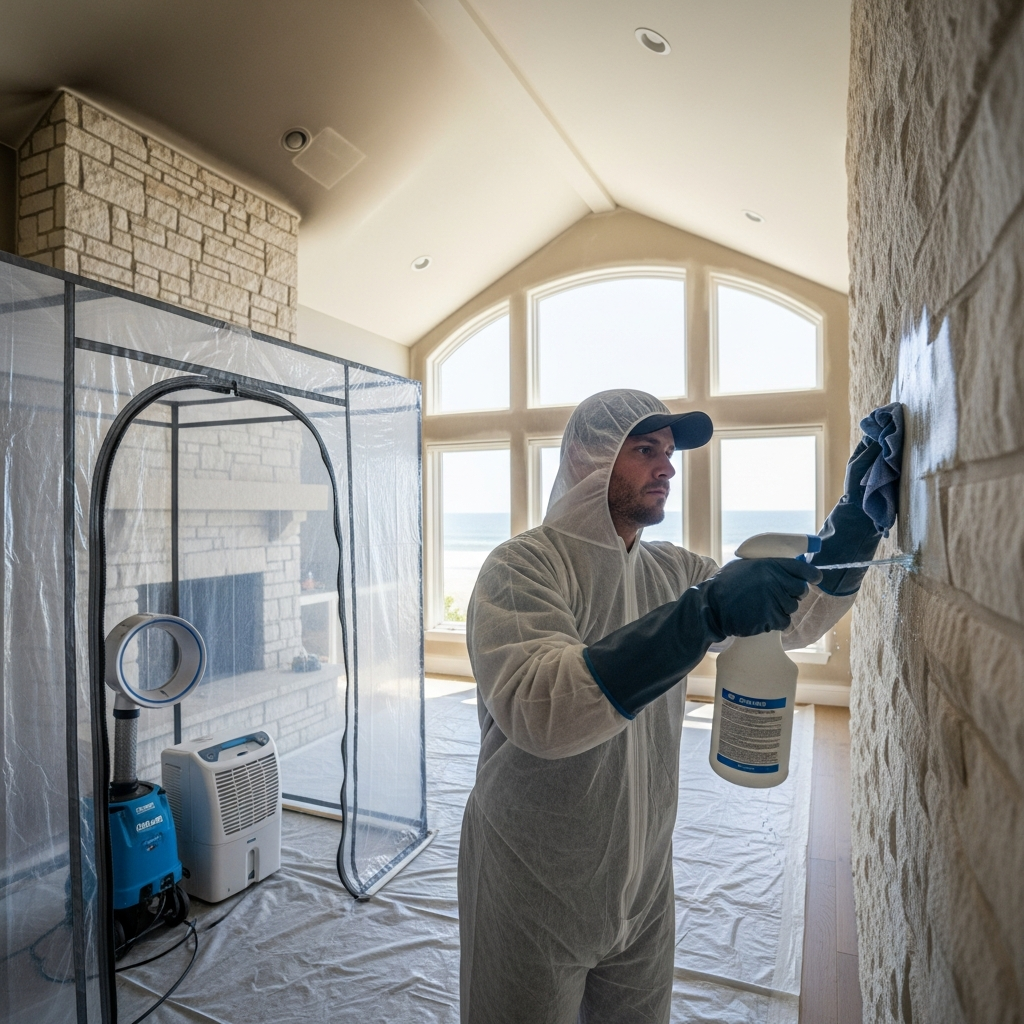
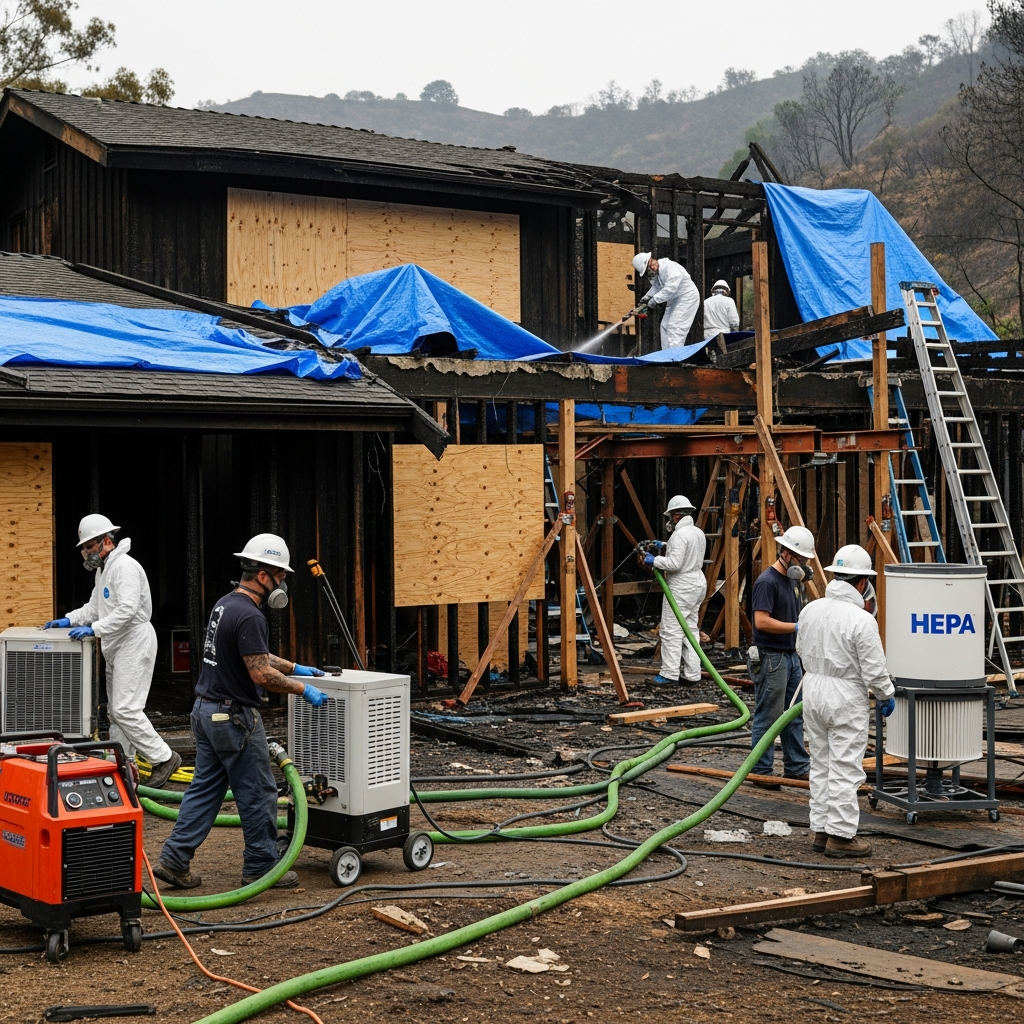
Early decisions influence everything that follows. Stabilizing the structure, controlling moisture, and preventing cross-contamination reduce downstream surprises. For example, extracting firefighting water on day one and setting dehumidification protects floors and framing; establishing containment prevents soot from migrating into clean spaces; and photographing each room documents conditions before work begins. These basic moves create a stable foundation for the rest of the project and help all parties—homeowner, contractor, insurer—speak the same language.
Project complexity often reflects the type and spread of smoke. A confined kitchen incident behaves differently from smoke that drifted through a two-story home. Protein residue from cooking can be nearly invisible yet pungent; plastics and synthetics may produce oily soot that requires specific chemistry. The number of rooms touched by residue, the porosity of finishes, and the reach of smoke into attics and HVAC all influence the cleaning strategy. We test surfaces to determine what will respond to dry cleaning versus wet cleaning, which areas need sealing, and where selective removal makes more sense than the risk of lingering odor.
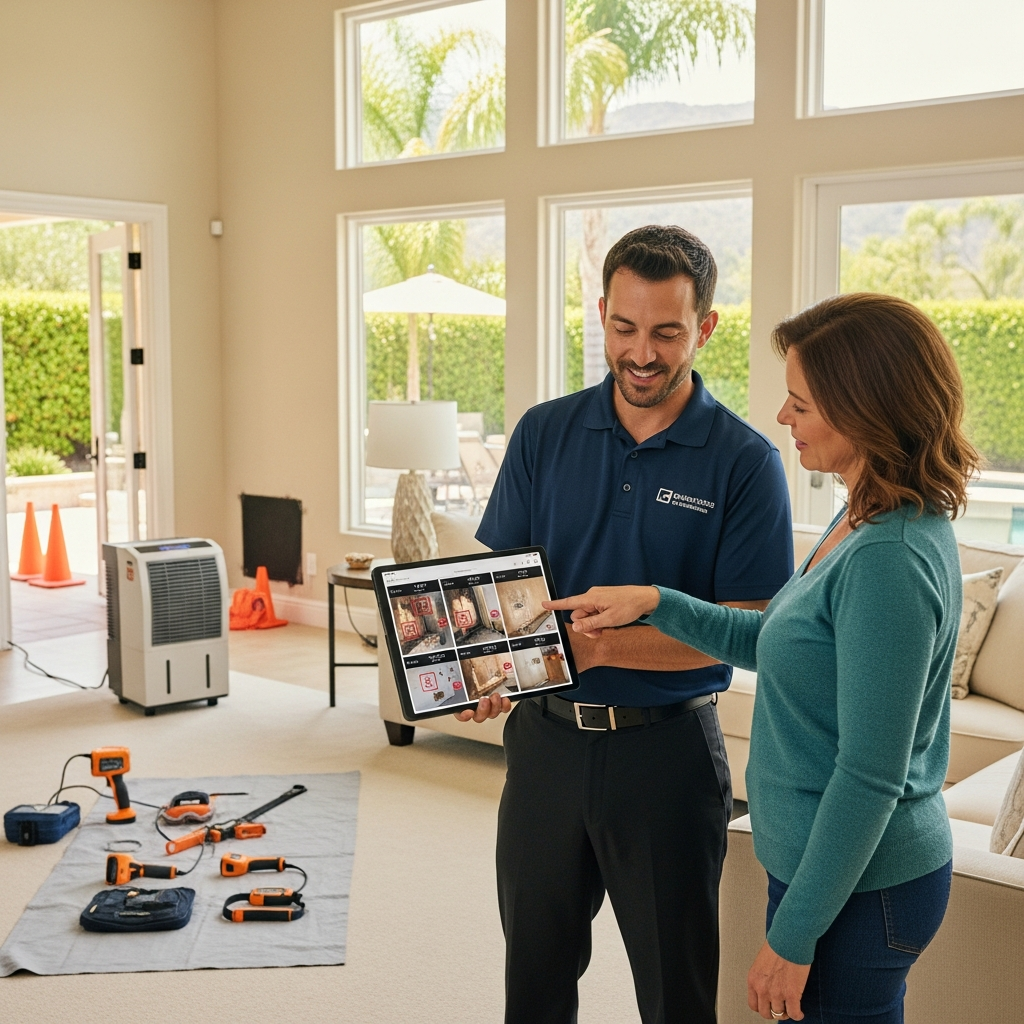
Moisture is the hidden variable. Calabasas homes with crawl spaces, slab-on-grade entries, or hillside drainage patterns present different moisture paths after a fire. We map them using thermal imaging and moisture meters, then tailor dry-out methods so materials return to target levels before deeper cleaning proceeds. Attempting to seal or paint over damp materials is an invitation to future problems; our monitoring data tells us when it is truly time to move ahead.
Another driver is access and logistics. Some Calabasas streets are narrow, with steep approaches and limited parking; equipment needs to be staged thoughtfully so neighbors can move freely and crews can work efficiently. In multi-level homes, lifting heavy air scrubbers safely or moving dehumidifiers up a curved staircase adds time and care. We factor these realities into schedules and sequence tasks to maintain momentum while respecting the neighborhood’s rhythm.
Contents handling has a major impact on the overall experience. Items with high sentimental value may warrant more delicate treatment, and our team has options: on-site cleaning for items that can be restored safely at home, specialized textile care, and conservation referrals for artwork or heritage pieces. Decisions about pack-out versus on-site cleaning shape not just the calendar but your daily life—what you can access, where you can sleep, and when familiar spaces feel like home again.
Midway through, we revisit the game plan. Are we seeing the expected reductions in odor? Are moisture readings tracking toward dry standards? Is the sequence of room-by-room work aligning with your family’s needs? This is also a natural point to consider enhancements, such as sealing subfloors to head off any latent odors or refining the rebuild approach for better long-term resilience. If you are comparing approaches to fire damage restoration, this is where local expertise becomes especially valuable: we can anticipate what will make a difference not just today, but a season from now.
HVAC and ventilation are critical. Ductwork can draw smoke into spaces that look untouched, and filters quickly load with fine particulates. We assess the system early, isolate returns when necessary, and schedule cleaning in coordination with structural work so that newly cleaned rooms do not receive a blast of yesterday’s air. Final filter changes occur at the end of the job to capture anything stirred up during finishing.
When surfaces are ready for finishes, attention to detail pays dividends. Primer selections matter—bonding where needed, stain-blocking where appropriate—and paint should be low-odor to support a fresh indoor environment. Woodwork often benefits from a final conditioning step after soot removal to restore luster without introducing heavy fragrances. Each of these choices contributes to a home that looks right and feels right.
Documentation keeps everyone aligned. Our photo logs, room summaries, and material notes provide a common reference point for homeowners and insurers alike. When hidden damage appears, the record shows where and why scope adjustments are necessary. Clear documentation shortens conversations and reduces back-and-forth, so work progresses without unnecessary pauses.
Local building insight is a quiet advantage. Calabasas sits at the edge of wildland areas, and many homes benefit from ember-resistant improvements during rebuild—vent screens, upgraded roofing, or hardened eaves. We identify where these changes fit naturally into your home’s style and help them blend with existing architecture. It’s restoration with foresight, helping you step back into daily life with more confidence.
Throughout the project, communication bridges the gap between concern and calm. Short, regular updates replace a head full of questions with a clear picture of what’s next. If you plan to occupy parts of the home during work, we set schedules that respect family life: quiet gear at night, concentrated tasks during school or work hours, and predictable milestones that let you plan meals, sleep, and routines.
Calabasas neighborhoods present a tapestry of materials—hand-troweled plaster, custom tile, open-beam ceilings—that all respond differently to smoke. Our crews test, adjust, and verify as they go, staying patient where a delicate touch is required and acting decisively when removal is the wiser choice. The measure of success is not just a surface that looks clean today, but one that remains clean and odor-free weeks and months later.
For businesses, the goal shifts slightly: reopen quickly and safely. We triage front-of-house areas first, establish clean airflow, and coordinate around staff schedules to minimize downtime. Documentation is especially important here as well, providing clarity for stakeholders while crews work efficiently behind the scenes.
In the final stretch, we revisit every threshold, register, and corner with fresh eyes. Are transitions smooth? Do repaired walls blend with adjacent finishes? Does the home feel cohesive, not patched? This is where craftsmanship shines—where the experience of Malibu-based professionals turns a checkmarked list into a living space that feels whole again.
Frequently Asked Questions
What factors most strongly influence the scope of restoration?
Extent of smoke spread, material porosity, water intrusion, and access logistics all shape the plan. The type of residue—protein, dry soot, oily soot—dictates cleaning methods, while moisture levels determine when deeper steps can proceed without risk of trapping dampness.
Can we remain in part of the home during the project?
Often yes. We establish containment, route pathways safely, and apply HEPA filtration to maintain clean air in occupied rooms. If hazards or strong odors make occupancy unwise, we will explain options and help coordinate a short-term plan.
How do you handle our personal items?
We inventory and categorize belongings, then choose on-site cleaning, specialized textile care, or pack-out as appropriate. Documentation keeps everything traceable, and we prioritize items you need most so life can restart in stages.
What ensures smoke odor does not return?
A layered approach: remove sources, clean and seal as needed, treat cavities where smoke collected, and confirm HVAC is not recirculating contaminants. Final filter changes and a last quality pass help ensure that fresh air is truly fresh.
How do you coordinate with our insurer?
We provide organized reports with photos and room-by-room notes, align on scope at key points, and communicate discoveries promptly. This transparency supports steady progress from emergency steps through final finishes.
Will our finishes look the same as before?
That is always the aim. Where exact matches aren’t feasible, we offer options that blend seamlessly. We test colors and sheens in place and adjust until repaired sections disappear into the whole.
When you are ready for a clear, expertly managed plan that brings your home back with care and foresight, reach out to our Malibu-based team. We will guide you through each decision, align schedules with your routine, and deliver trusted fire damage restoration for Calabasas homes that deserve thoughtful, lasting results.