When homeowners in Malibu begin asking about the cost of fire restoration, they are really asking two questions at once. First, what does it take to make a home safe, clean, and livable again after smoke and flames? Second, how will the scope of that work be defined and supported through insurance? While it is natural to want quick figures, Malibu’s coastal environment, architectural diversity, and permitting landscape all shape the scope, and therefore the overall investment of time and resources. A thoughtful conversation about cost begins with process, because the sequence of professional fire damage restoration steps determines both outcomes and efficiency.
In practical terms, restoration cost is the sum of what your home needs to regain health, safety, and integrity. This includes emergency stabilization, water extraction from firefighting, soot and odor removal, material repairs, and, finally, finish work. Some homes require specialized handling for high-value finishes or collections; others rely on straightforward methods. The differences are not just cosmetic; materials and construction type can accelerate or constrain the work. Malibu’s microclimates—canyons that trap smoke, bluffs that face salt-laden winds—further influence how deep cleaning must go to ensure odors do not rebound.
Scope Drives Cost: Understanding What Your Home Needs
Scope is the map to everything that follows. It starts with a careful assessment: where smoke traveled, which materials are salvageable, how much water entered the building, and what structural elements were exposed to heat. In Malibu, we often find that window assemblies, metal fixtures, and glass need early treatment to prevent corrosion and etching from the combined effects of soot and salt air. Attics and crawl spaces can hold smoke odors that reappear with humidity changes, so thorough cavity treatment is a common requirement.
Because every residence is different, scope also accounts for lifestyle and priorities. A family may wish to reopen key rooms quickly while work continues elsewhere. That phased approach can be efficient if planned well, creating clean zones and routing trades to minimize recontamination. Each decision feeds back into the overall schedule and resource allocation, shaping the cost profile without compromising quality.
Emergency Services and Stabilization
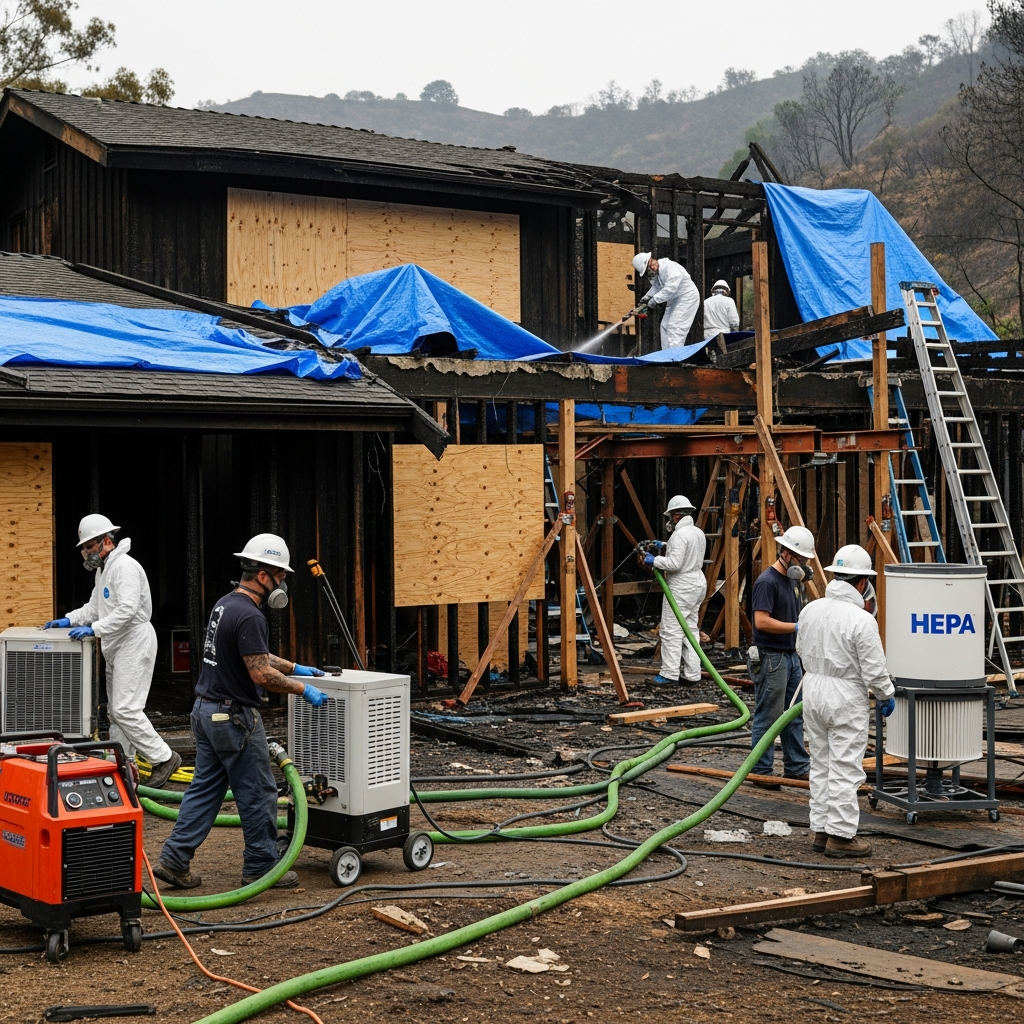
Early actions set the trajectory. Board-ups, temporary shoring, water extraction, and initial soot removal prevent secondary damage. For Malibu homes near the ocean, immediate attention to exposed metal components matters. If stabilization is thorough and timely, later steps move faster; if it is rushed or incomplete, additional cleaning or repairs may be needed down the line. Think of it as the foundation for the entire project’s efficiency.
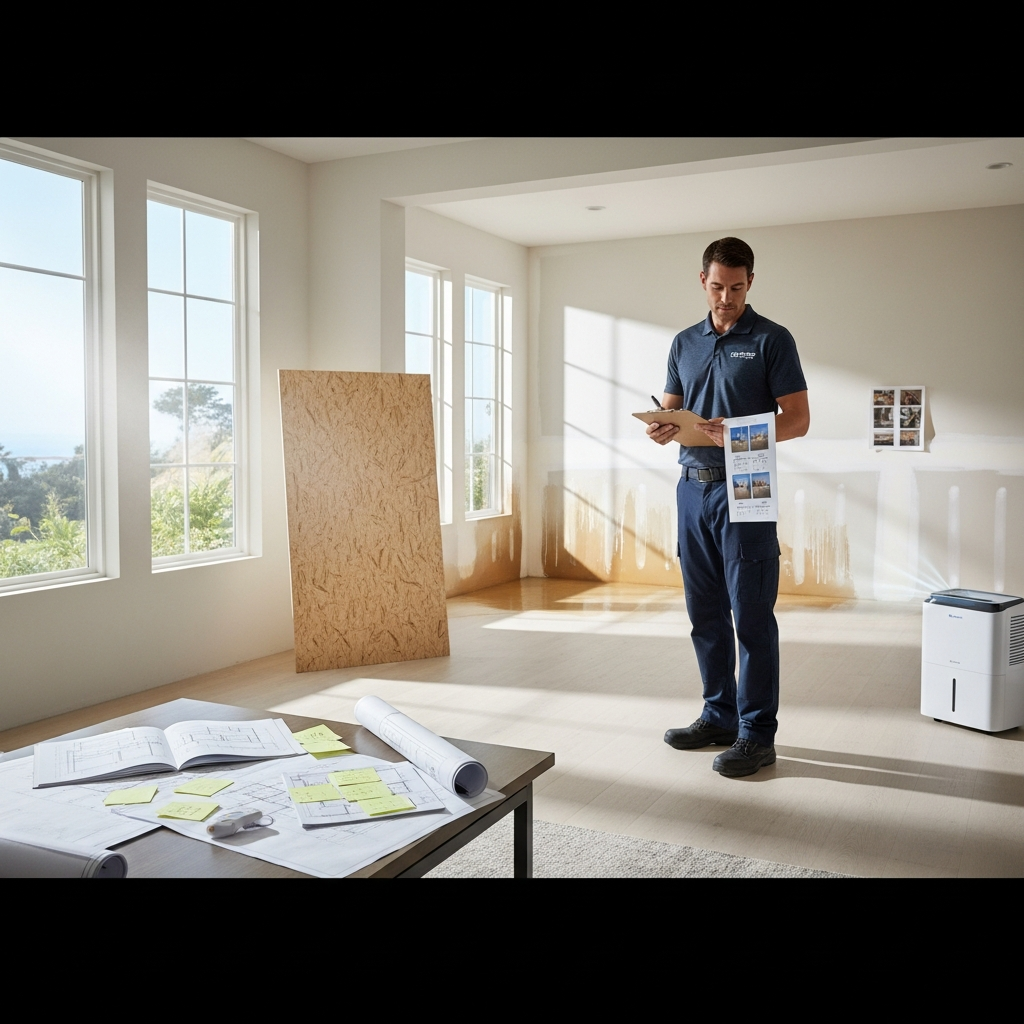
Documentation is part of this phase. Photographs, moisture readings, and itemized logs do more than help with claims—they reduce uncertainty and allow precise scoping. That clarity prevents over- or under-estimating work, which is essential for aligning expectations and resources.
Cleaning and Odor Neutralization
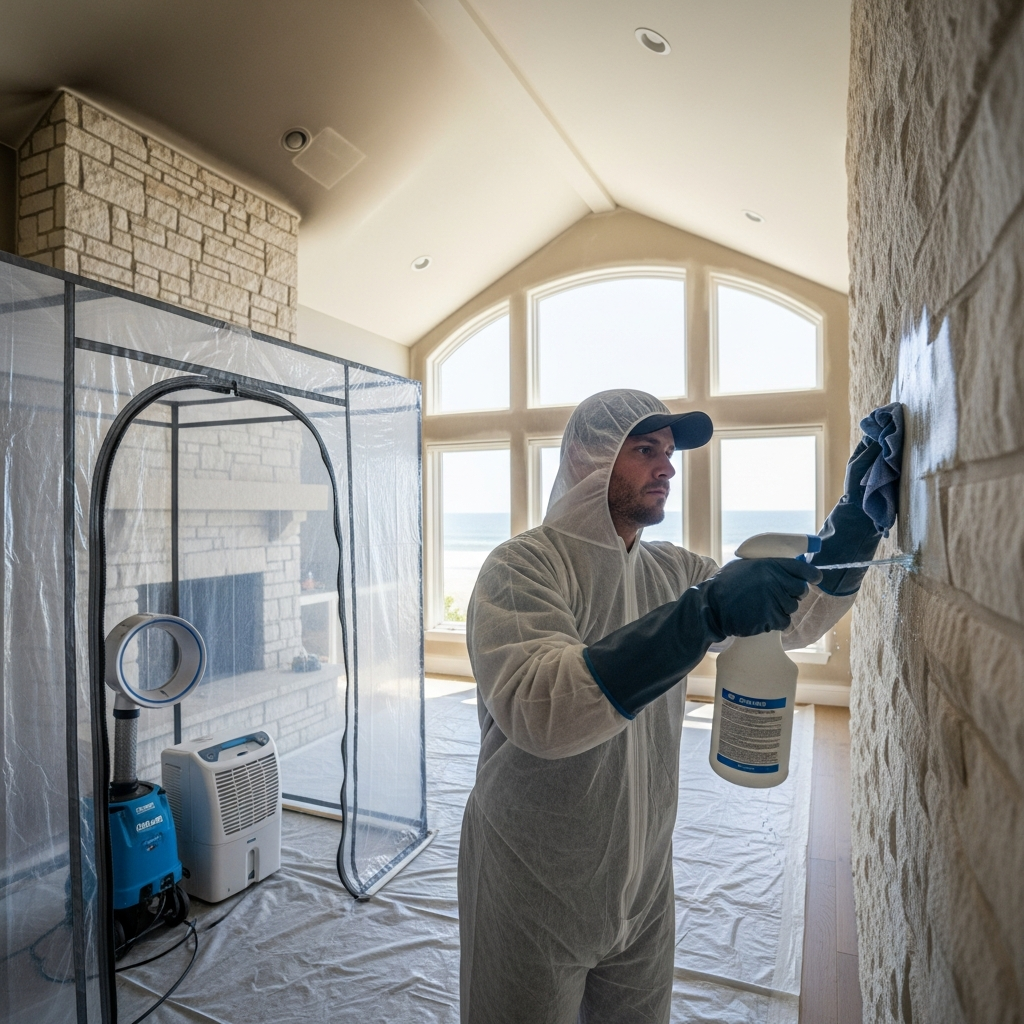
Cleaning is often the most variable component because no two fires leave the same residue. Protein fires in kitchens can produce widespread odor with little visible soot, requiring delicate, thorough cleaning of cabinets, paint, and nearby textiles. Wildfire smoke leaves a drier soot that travels extensively and may demand attic and duct cleaning. Malibu’s climate influences this stage: salt air accelerates corrosion, and humidity can revive odors if source materials are not addressed fully. Investment in proper cleaning saves time later by avoiding rework, paint failures, or lingering smells.
Odor neutralization works best when integrated step-by-step. Source removal first, then treatment of air and cavities, followed by appropriate sealing. Skipping steps in the name of speed often leads to additional effort later, which adds both time and disruption. The most cost-effective projects are those designed to avoid doing the same work twice.
Repairs and Reconstruction
Once the home is clean and dry, repairs begin. Selective demolition and replacement can be straightforward, or it can involve structural evaluation where heat exposure affects framing and connections. In Malibu, we encounter a mix of contemporary and traditional construction methods. Matching textures and sheens in natural coastal light requires experienced finishing to avoid visible transitions. Scheduling trades to work in the correct order maintains momentum and protects completed areas, reducing the risk of re-cleaning and related delays.
Materials selection influences both durability and efficiency. Using products that resist Malibu’s marine conditions—stainless or coated metals, ignition-resistant exterior materials where needed—can support long-term performance. Coordinating orders for custom windows, doors, or fixtures with the cleaning timeline helps keep the project on track.
Insurance, Documentation, and Collaboration
For many homeowners, insurance is the framework within which restoration happens. Clear documentation and communication turn a complex process into a manageable one. We create detailed scopes that align with insurer standards and maintain photo logs and readings that support decisions. Prompt responses and transparent updates reduce friction and help ensure that necessary work is approved in a timely manner.
Policy specifics vary, and Malibu properties sometimes include unique features—custom tilework, large glazing systems, integrated audio-video—that require specialized attention. Defining how these elements fit into the scope avoids surprises. We also coordinate with Malibu’s permitting requirements for structural, electrical, or exterior changes so that compliance aligns with the project calendar.
Timeline Considerations and Efficiency
Time is a resource that affects every facet of restoration. Efficient sequencing reduces both direct and indirect costs by preventing rework and allowing areas of the home to reopen sooner. We plan for overlapping tasks where appropriate—for example, odor treatment in one wing while repairs proceed in another—without risking cross-contamination. Malibu’s traffic rhythms, weather patterns, and delivery routes inform scheduling so that crews and materials arrive when needed.
Midway through a project is a good checkpoint to confirm alignment: verifying that cleaning outcomes meet expectations, that materials have arrived, and that any design changes are integrated. It is also a useful moment to reiterate the principles of fire damage restoration that underpin the work, ensuring final finishes rest on a clean, stable base.
Factors That Commonly Influence Overall Investment
Several elements tend to shape the overall level of resources a project requires. The size and layout of the home will naturally play a role; large open spaces with high ceilings may require specialized equipment and additional labor to reach and clean effectively. The type of fire matters as well: a brief stovetop flare produces a different residue than a prolonged living room fire or drifting wildfire smoke, and each has distinct cleaning demands. The volume of contents, from textiles to art pieces, changes the scope of pack-out and cleaning. Malibu’s proximity to the ocean means metal corrosion control may be a frequent part of the plan. Access considerations—narrow roads, hillside properties, or homes with limited staging areas—also influence logistics and timing.
Another consideration is the state of building systems. HVAC cleaning is often essential to prevent reintroduction of particulates; electrical inspections may be needed where heat reached wiring or panels. Coordinating these evaluations early avoids downtime while waiting for results, keeping the schedule—and the household—moving forward.
Quality, Value, and Long-Term Confidence
Cost is not only measured at the end of a project; it is felt in the months and years after. Investing in thorough source removal, careful odor control, and precise repairs prevents the hidden costs of lingering smells, peeling paint, or repeated cleanings. Choosing materials and methods suited to Malibu’s climate yields a home that holds up under salt air and seasonal winds. A restoration completed to this standard is an investment in health, comfort, and resilience.
Just as important, value shows up in clear communication. Weekly updates, milestone check-ins, and a single point of contact reduce stress and keep homeowners confident. That confidence is part of the return on investment: knowing that each step is measured, justified, and executed at the right time.
Frequently Asked Questions
Q: Why do restoration scopes vary so much between homes? A: Every fire behaves differently, and Malibu homes use diverse materials and designs. Assessment identifies the specific path smoke took and the materials involved, which directly shapes the scope.
Q: How does Malibu’s marine environment affect restoration? A: Salt and humidity can accelerate corrosion and make odors more persistent. Early treatment of metals and thorough, sequence-driven odor control are essential to long-term success.
Q: Can parts of the home reopen while work continues elsewhere? A: Often, yes. With proper containment and sequencing, we can establish clean zones so daily life can resume safely and comfortably.
Q: What role does documentation play? A: It underpins accuracy and approval. Photos, readings, and itemized logs support insurance collaboration and help the team plan each step efficiently.
Q: Is HVAC cleaning always necessary? A: If smoke reached the system, cleaning is critical to prevent reintroducing particulates and odors into restored rooms. We evaluate and recommend the right level of service for your system.
Q: How do you prevent odors from returning? A: By emphasizing source removal, cavity treatment, and the proper use of sealers only after cleaning and deodorization. Sequencing is the safeguard against rebound odors.
If you are weighing your options and want a clear, tailored plan for your Malibu home, we are ready to help. We will listen, assess, and create a restoration roadmap anchored in proven fire damage restoration practices so you can move forward with confidence and focus on what matters most.