Looking at Fire Damage Restoration “Cost” the Right Way
Talking about the cost of fire damage restoration in Malibu requires a thoughtful lens. While numbers are often the first thing on a homeowner’s mind, the more useful conversation explores the elements that shape a project’s scope and trajectory. Malibu’s unique conditions—coastal exposure, hillside access, architectural variety—can expand or streamline what must be done. Understanding these drivers gives you a practical framework for planning, collaborating with insurers, and setting expectations without getting lost in line items.
There is also a time component. Decisions in the first 24 to 72 hours influence the depth of work ahead. Fast stabilization prevents corrosion on electronics, protects finishes, and limits secondary damage from moisture and soot. When you begin seeking guidance, consider connecting with specialists in fire damage restoration in Malibu so the early choices align with local realities and reduce unnecessary work later.
Why Every Property Tells a Different Story
No two homes are the same. A cedar-clad cottage near Escondido Beach will interact with heat and smoke differently than a modern steel-and-glass home above Malibu Road. Construction assemblies, ventilation paths, and finish selections determine how soot migrates and where odor lodges. Even the way firefighters ventilate during suppression affects residue types. This diversity means that scope—not a generic price tag—is the heart of the conversation.
Primary Drivers That Shape the Scope
Extent of fire and heat impact is the obvious first driver. Charred structural members, deformed windows, or compromised roofing require removal and rebuild. But secondary factors frequently command as much attention. Water from suppression can saturate subfloors and wall cavities, demanding thorough extraction and drying. Residue type matters: dry soot often cleans more easily than oily, protein-based soot from kitchen fires that can invisibly coat every surface with a stubborn film. Each variable shifts labor, materials, and time.
Residue Behavior and Cleaning Complexity
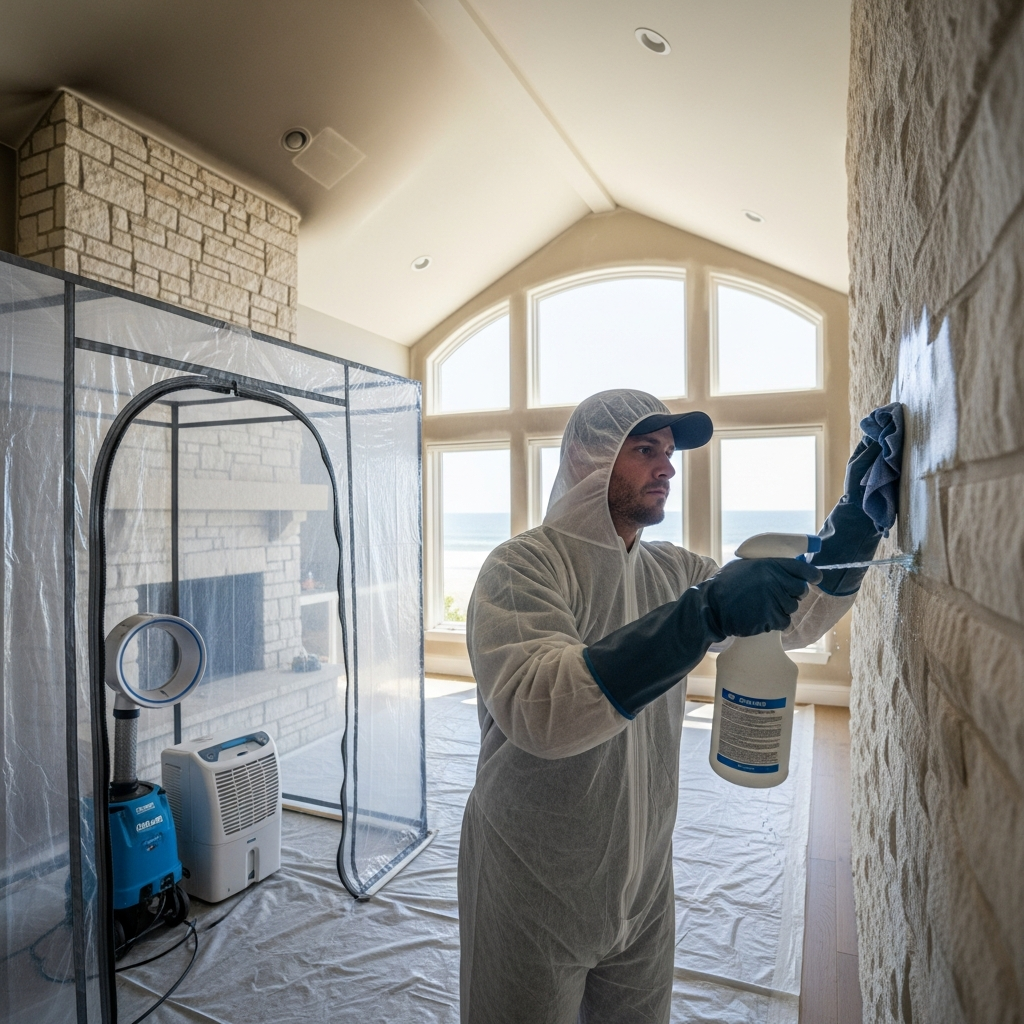
Residue chemistry dictates cleaning methods. Acidic soot on metals accelerates corrosion, so time-sensitive neutralization is crucial. Oily residues cling to finished wood and painted cabinets, responding to specific emulsifiers and patient technique. Porous stone and plaster require pH-sensitive products. Addressing these properly may include test patches, staged cleaning, and repeated verification. A methodical, chemistry-aware approach pays dividends in final results and in preserving materials that might otherwise be unnecessarily removed.
Access, Logistics, and Malibu’s Topography
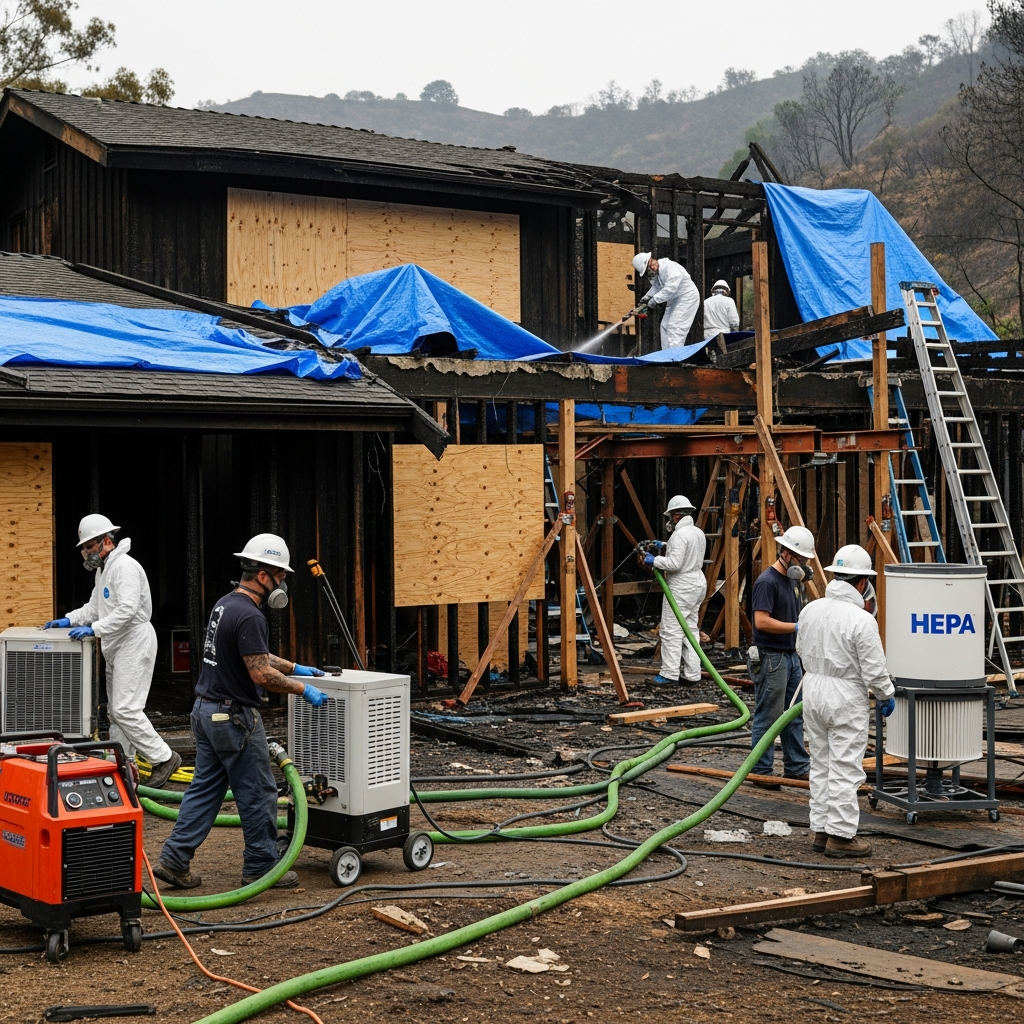
Hillside driveways, narrow roads, and limited staging areas influence crew size and equipment placement. On properties off Las Flores Canyon or Rambla Pacifico, coordinating material deliveries and debris removal can require shuttling. These logistics affect sequencing and duration. Beachfront properties bring their own considerations: marine layers and salt air speed corrosion on hardware and electronics, so mitigation begins immediately to protect value.
Hidden Pathways: HVAC and Building Cavities
HVAC systems can distribute soot throughout a home, even to rooms visually unaffected. Supply and return runs, mechanical closets, and filter housings must be addressed to prevent odor from lingering. Wall and ceiling cavities also serve as smoke highways. Opening strategic areas to inspect and treat concealed spaces frequently determines whether odor elimination is complete. Skipping this step often results in callbacks months later.
Contents: The Other Half of the Equation
Furniture, textiles, artwork, instruments, and electronics can represent a significant portion of a project’s effort. Decisions to clean on-site versus pack-out to a contents facility hinge on contamination levels and space for safe processing. Specialty items—like a smoked Persian rug or a salt-and-soot–exposed amplifier—may require conservators or electronics technicians. Accurate inventorying, chain-of-custody, and photo documentation are essential to coordinate with insurers and to plan realistic timelines.
Deodorization as a Process, Not a Product
Lasting odor removal comes from source control and targeted deodorization, not fragrances. After thorough cleaning, professionals may use thermal fogging or hydroxyl generators to break down odor molecules. Cavity treatment—attic bays, soffits, and built-ins—is critical. Expert teams test along the way and will not move to finishing steps until odor is neutral. This discipline protects your comfort long after work concludes.
Permits, Codes, and Coordination in Malibu
Where structural repairs are necessary, permits through Los Angeles County apply. Hillside conditions can introduce additional reviews. Experienced teams anticipate these steps and coordinate inspections to minimize downtime. They also understand wildfire hardening measures and can integrate upgrades—ember-resistant vents, ignition-resistant fascia—during reconstruction without disrupting architectural harmony.
Schedule Sensitivity and Phasing
Some families need to occupy a portion of the home during restoration. Phased work zones, hard containment, and continuous air filtration make this feasible. Staging and schedule design become more sophisticated in these cases, with quiet hours, clean pathways, and daily housekeeping to keep life moving. These accommodations do not shortcut quality; they elevate planning so comfort and craftsmanship coexist.
Insurance Collaboration and Documentation
Insurers look for clarity: a detailed scope, photos, and measurable justifications for each task. Good restorers provide this, explaining why specific methods are used and where specialty trades are appropriate. Supplements are common when discoveries surface—hidden soot in soffits or moisture in double-bottom cabinets. Clear communication keeps everyone aligned and prevents avoidable back-and-forth.
Common Misconceptions About “Costs”
One misconception is that odor can be solved at the end with a single treatment; in reality, every upstream step either supports or undermines deodorization. Another is that all smoke is the same; residue behavior varies widely by fuel and oxygen levels. A third is that do-it-yourself cleaning saves time; without containment and correct chemistries, DIY efforts often drive soot deeper, making later professional work more involved.
Why Local Expertise Changes Outcomes
A Malibu-savvy restorer anticipates how marine air influences corrosion timelines, how canyon winds push smoke, and how local architecture hides residues. They also know regional suppliers and artisans who can mobilize quickly, whether you need custom cabinet touch-ups or a stone conservator for a smoked limestone surround. This blend of local knowledge and technical rigor keeps projects efficient and results durable.
A Narrative Example from Broad Beach
After a living room fire with moderate flame but heavy smoke, a Broad Beach home looked deceptively intact. The team discovered oily residues on painted millwork and a light film inside cabinet boxes. They isolated levels with hard containment, HEPA-filtered continuously, and performed targeted cleaning using emulsifiers on finish-grade wood. The HVAC was treated, and electronics received corrosion inhibitors. The family remained in a garden-level suite throughout, thanks to careful phasing. Weeks later, the home felt and smelled the way it had before the incident—no shortcuts, just method and patience.
Questions to Bring to Your Initial Consultation
Ask how your team will verify cleaning effectiveness, what their plan is for hidden cavities, and how they handle contents inventory. Request a communication schedule and examples of documentation used in past Malibu projects. These answers do more to set expectations than any abstract estimate ever could, because they explain how scope becomes results.
Frequently Asked Questions
Why can two homes with similar fires require different levels of work?
Construction assemblies, ventilation, residue chemistry, and firefighter tactics vary from home to home. Those differences change cleaning methods, levels of demolition, and the need for specialty trades, resulting in distinct scopes.
What makes kitchen-fire residues particularly challenging?
Protein-based residues are nearly invisible yet extremely odorous and sticky. They demand enzyme-based or carefully formulated cleaning systems and thorough cavity treatment to prevent lingering smells.
Do I need to replace all my contents?
Not necessarily. Many items can be cleaned successfully. A professional will assess each item, separate salvageable from non-salvageable, and coordinate specialty conservators when valuable or sensitive pieces are involved.
How is indoor air quality protected?
Crews use containment barriers, maintain negative air with HEPA filtration, and replace filters multiple times. They clean HVAC components and verify particulates and odor are reduced to acceptable levels before areas are reoccupied.
Can I stay in my home during restoration?
Often, yes, if damage is moderate and containment is robust. Your team will create safe zones, schedule noisy tasks thoughtfully, and maintain daily housekeeping to support normal routines.
Moving Forward with Confidence
The most productive step you can take is to understand the forces that shape your project and choose a team built to navigate them. When you are ready for a conversation grounded in Malibu’s realities and the specifics of your home, engage with specialists in fire damage restoration in Malibu and chart a path that honors both quality and peace of mind.