Commercial properties in Malibu operate at the intersection of coastal hospitality and hillside resilience. A restaurant near the pier, a boutique along the Pacific Coast Highway, a production office tucked into a canyon—each relies on consistent operations and a customer experience that feels effortless. After a fire, the challenge is to protect brand reputation, move decisively, and reopen safely. Local specialists in fire damage restoration bring the planning discipline and on-the-ground familiarity required to manage complex commercial losses while preserving the look and feel that clients and guests expect.
Commercial restoration blends technical rigor with business continuity. Malibu’s geography and regulations shape access, scheduling, and approvals, so the project must account for deliveries on tight roads, nearby residences with quiet-hour rules, and environmental safeguards near sensitive habitats. Providers who work here routinely understand those dynamics and fold them into an agile plan that keeps a business moving toward reopening from day one.
Stabilization with customers in mind
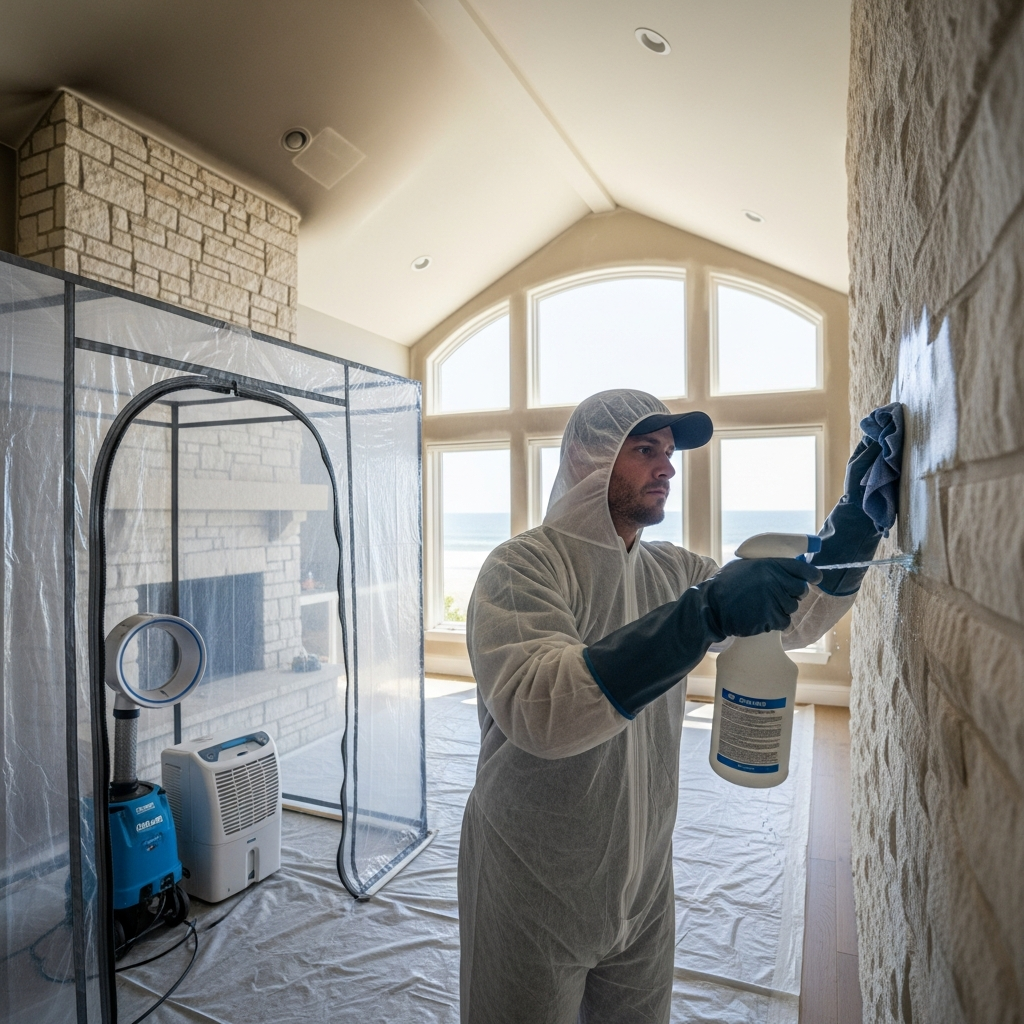
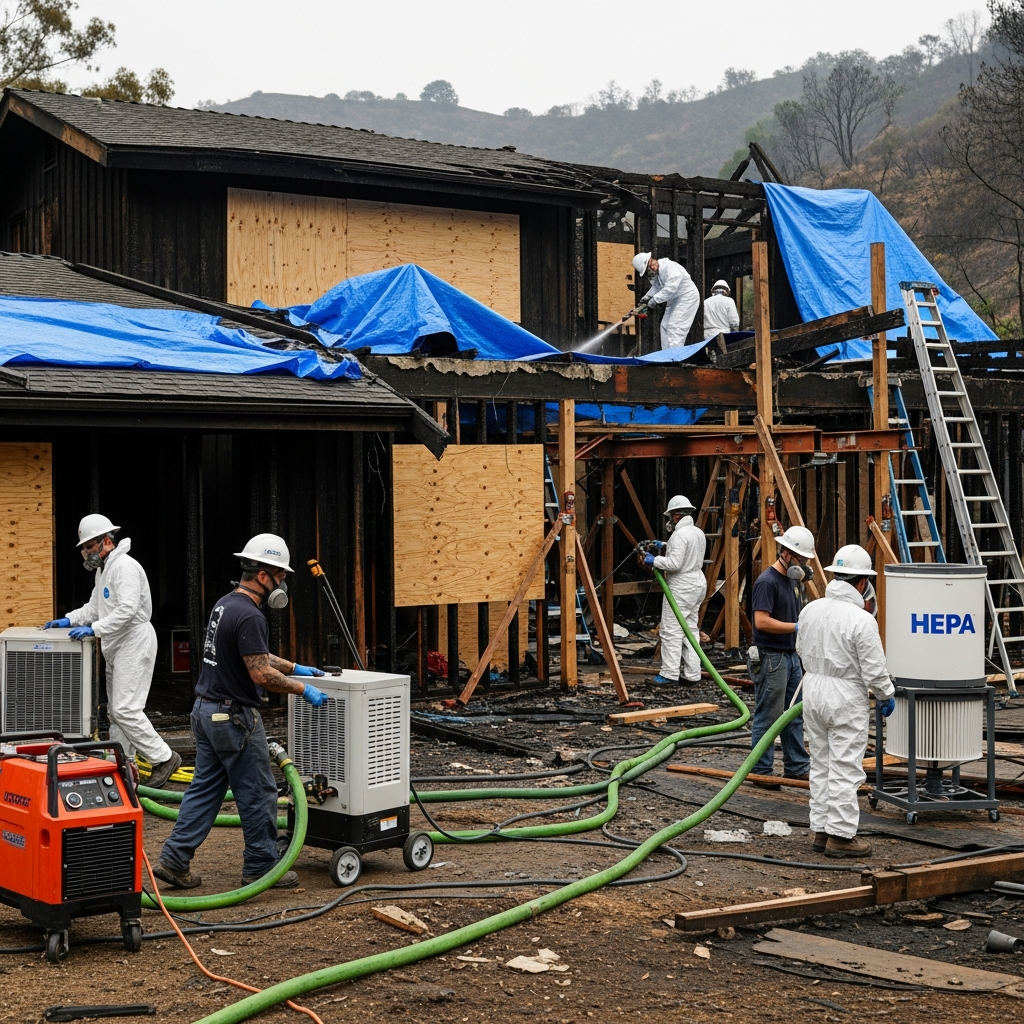
The emergency phase targets safety and containment without losing sight of the customer journey. Board-ups and fencing are discreet but effective. Clear signage and protected pathways maintain curb appeal when partial operations continue. Inside, crews set negative air containment to control odors and particulates while unaffected zones remain usable for administration or limited service. Where water from suppression is present, drying starts immediately, tailored to open ceilings, polished concrete, or hardwood floors common in Malibu businesses.
Documentation supports both insurance and internal stakeholders. Managers receive daily progress snapshots, moisture and air quality updates, and clear next steps. That transparency allows owners to coordinate staffing, vendors, and communications with confidence, minimizing surprises.
Cleaning to brand standard
Smoke residues can dull finishes and corrode metals, particularly close to the ocean where salt accelerates reactions. Restoration technicians test residues to match cleaning chemistry to surfaces—stainless appliances in a restaurant, lacquered wood displays in a boutique, delicate fabrics in a resort setting. They pair HEPA filtration with odor neutralization that eliminates smells rather than masking them, so when doors reopen the space feels authentically fresh.
HVAC systems receive special attention in commercial properties because air distribution ties so closely to customer comfort. Ductwork is inspected and cleaned or replaced as needed, and filtration upgrades are often recommended to support healthier indoor air moving forward. Lighting, audio systems, and electronics are stabilized early so specialist evaluations can proceed in parallel with cleaning.
Phased reopening and continuity
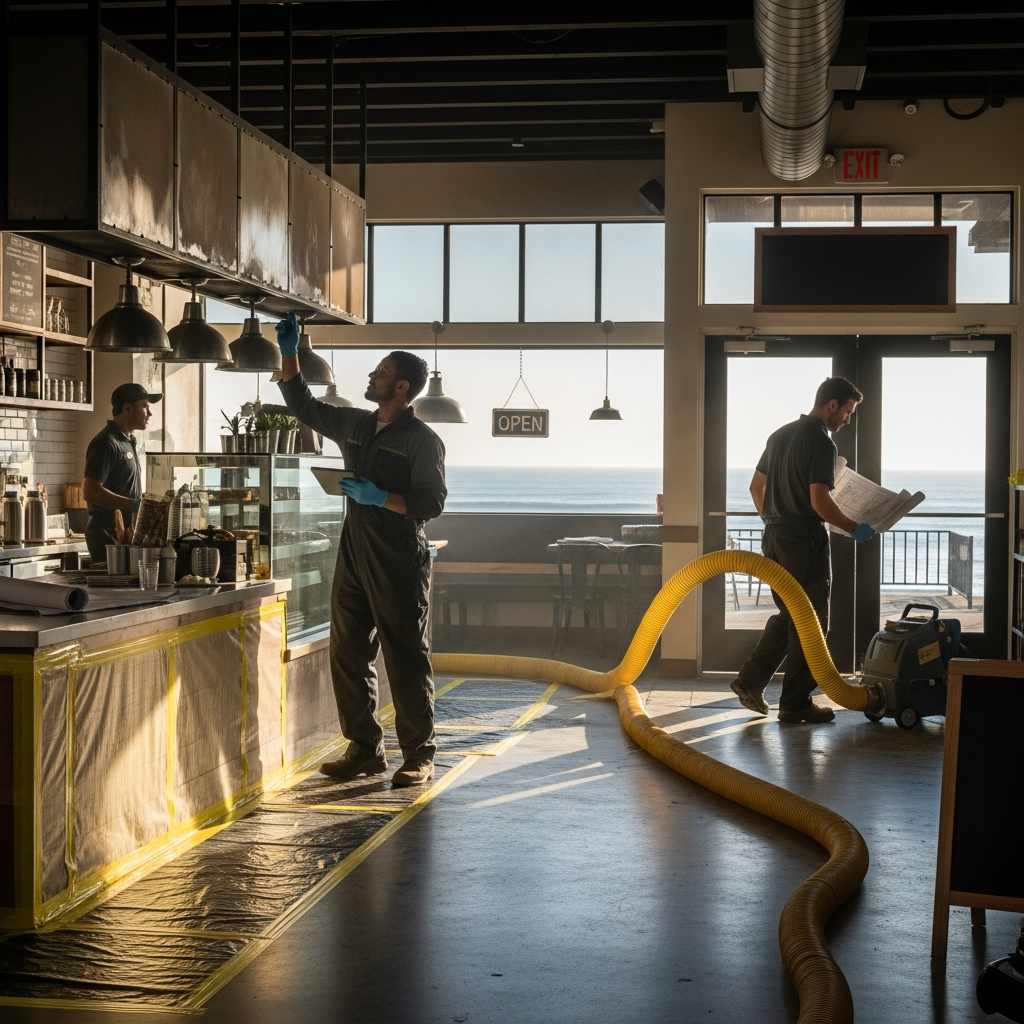
One hallmark of commercial restoration is staging work to allow partial operations when feasible. A restaurant might bring its patio or a private dining room online first. A retailer may reopen a curated portion of the sales floor while back-of-house cleaning continues. These phased strategies protect revenue, keep the brand visible, and reassure clients and employees that recovery is underway.
Scheduling respects business realities. Loud or odor-producing tasks are placed after hours. Deliveries are coordinated to avoid peak foot traffic on PCH. For properties within mixed-use developments, the team communicates with neighboring tenants and property managers to keep shared spaces safe and welcoming.
Compliance and documentation
Commercial work must align with health, safety, and building codes. Malibu-focused providers understand food service and hospitality standards, as well as office occupancy requirements. They prepare clear documentation for inspections and for stakeholders such as franchisors, insurers, and corporate risk managers. That paper trail not only accelerates approvals but also demonstrates due diligence that protects the business long term.
In wildfire smoke events where flames never enter the building, proof of contamination is sometimes required before approving extensive cleaning. Professionals gather surface and particulate data to justify necessary steps and to determine whether materials such as acoustic ceiling tiles or insulation must be replaced to eliminate odor and health risks.
Rebuild with an eye to resilience
When repairs begin, commercial teams coordinate with design intent and brand guidelines. They help select materials that stand up to coastal conditions and clean easily if exposed to smoke again. Where appropriate, they propose ventilation improvements and air quality monitoring that support employee wellbeing and guest comfort. In Malibu’s hospitality-forward economy, these upgrades can become differentiators customers feel even if they cannot name them.
Mid-project check-ins keep priorities aligned. If an unexpected condition emerges behind a wall or above a ceiling, owners are presented with options that balance schedule, aesthetics, and long-term durability. Because timing is often critical, crews bring the labor and equipment depth to pivot without losing momentum.
FAQ: How quickly can a Malibu business stabilize after a fire?
Same-day stabilization is common. Board-ups, containment, and drying can begin immediately, with a plan for cleaning and phased reopening following within days as assessments conclude.
FAQ: Can we keep part of the business open?
Often, yes. With proper containment, ventilation, and clear separation of work zones, many businesses maintain limited operations while restoration proceeds. Safety and customer experience guide these decisions.
FAQ: How are odors eliminated in a commercial setting?
By combining source removal, precise cleaning, and professional deodorization methods suited to occupied spaces. The goal is a neutral, healthy indoor environment that supports your brand standard from the moment guests return.
FAQ: What about specialized equipment and inventory?
Sensitive equipment is stabilized for evaluation, and inventory is triaged for cleaning or replacement based on contamination and product type. Detailed tracking ensures chain-of-custody and accurate accounting.
FAQ: How does insurance coordination work for businesses?
Your restoration partner documents conditions, scopes the work in phases, and communicates with adjusters to align coverage with operational needs. Regular reporting keeps the claim and the project synchronized.
FAQ: What can we do to reduce future disruption?
Consider materials that resist smoke absorption, improved filtration and ventilation, and preparedness plans that include vendor agreements for rapid response. These steps shorten downtime if another event occurs.
When your Malibu business needs a swift, well-orchestrated recovery, engage local professionals in fire damage restoration who can protect your brand, your team, and your timeline from day one through reopening.