Home in Malibu means natural light pouring through wide windows, the hum of the ocean just beyond, and afternoons that drift into long, golden evenings. When fire interrupts that rhythm, the experience is intimate—children asking what happens next, heirlooms and photographs top of mind, pets unsettled by new smells. Residential recovery is not only technical; it is personal. The best local teams in fire damage restoration understand homes here—how smoke rides the wind from canyon to coastline, how salt air complicates corrosion, and how to bring a family space back to comfort and safety step by step.
In Malibu’s neighborhoods—from Point Dume to Malibu Colony and up in the canyons—houses often combine custom craftsmanship with exposed natural materials. Open-beam ceilings, wide-plank floors, bespoke cabinetry, and artisanal tile respond differently to heat, water, and soot. A residential specialist reads those materials the way a physician reads a chart, testing residues, measuring moisture, and planning an approach that protects what is unique about your home while restoring what fire and smoke disrupted.
Stabilizing the household
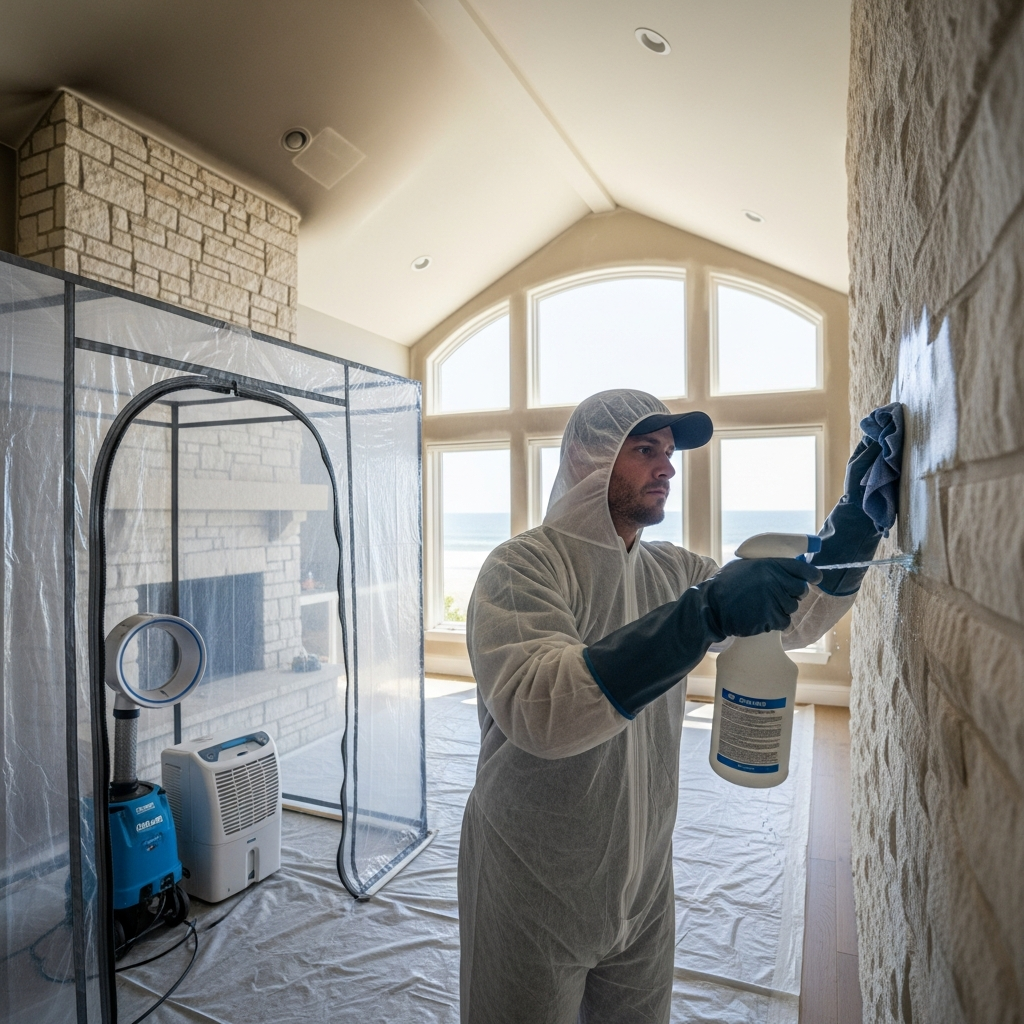
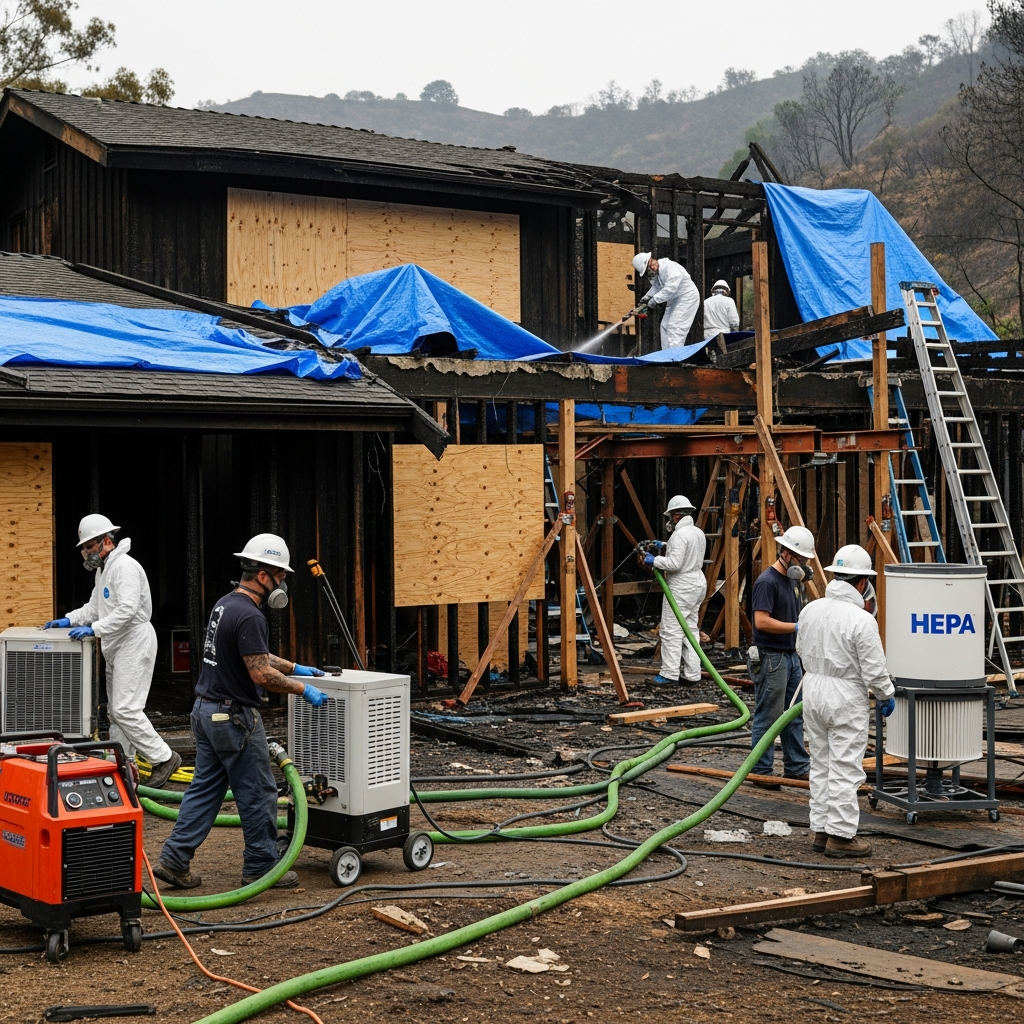
The first task is to create order. That might mean boarding a slider that failed under heat, shoring a section of framing, or covering roof openings to prevent overnight marine moisture. Establishing clean pathways and setting containment help preserve rooms that escaped the worst of the event. In a family home, that separation matters—perhaps a bedroom becomes a safe zone, a place where kids can read or study while the rest of the house is addressed methodically.
Water from suppression must be managed immediately. Residential floors—especially hardwood and engineered planks—benefit from early, careful drying. Dehumidifiers and air movers are sized to the space, and equipment placement adapts to open layouts so air circulates through tall volumes without driving soot into adjoining areas. The goal is to stop secondary damage while you regain a sense of normal routine.
Cleaning with care
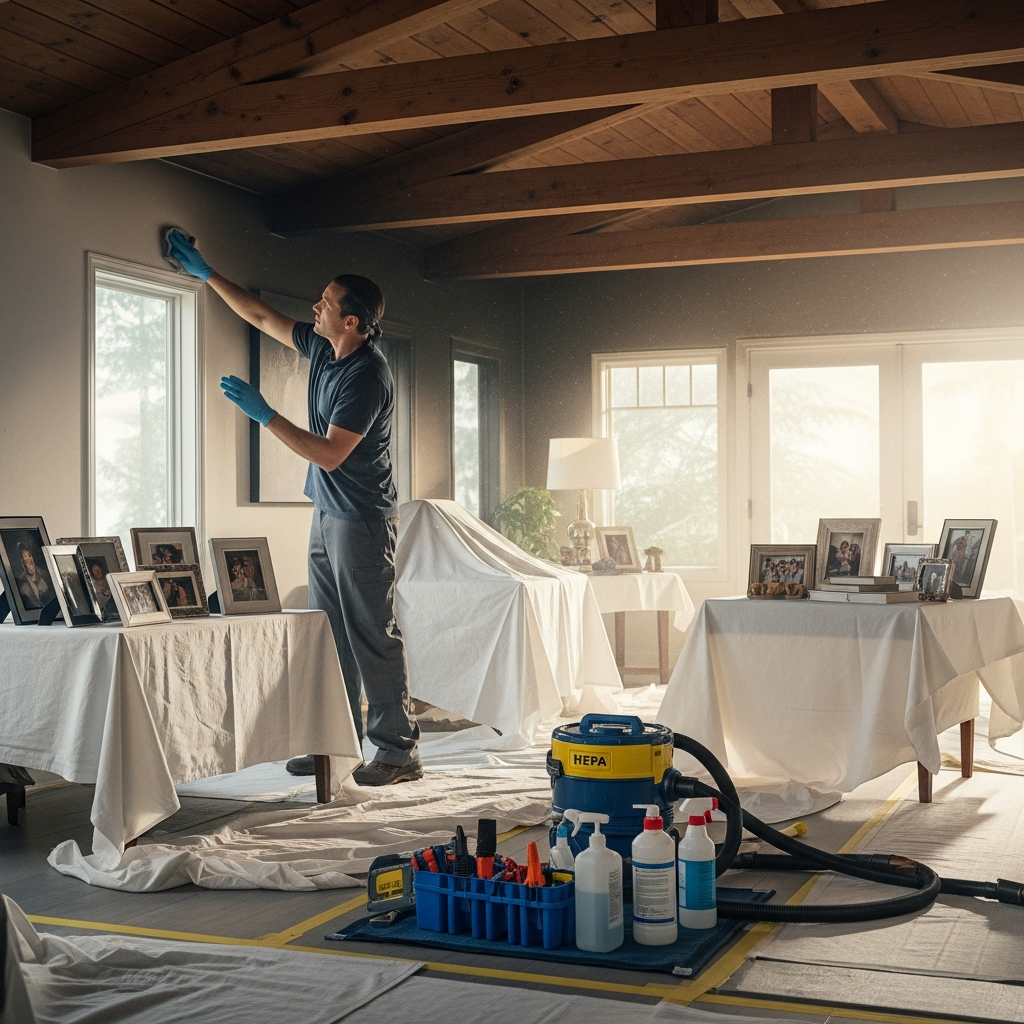
Smoke residues vary. In kitchens, low-heat protein fires leave thin, invisible films with strong odor that require specific cleaning agents. In living spaces, dry soot from wind-driven smoke may rest on rafters and shelf edges, waiting to fall as air currents shift. Technicians test residues before touching valuable surfaces; they begin with dry removal methods where appropriate, then progress to wet cleaning using chemistries calibrated to the finish—lacquered wood, natural stone, stainless steel. When a home contains both rustic and highly refined surfaces, that discernment prevents irreversible smearing or etching.
Odor control is a layered process. Source removal and thorough cleaning form the foundation. From there, professionals may introduce thermal fogging or hydroxyl treatments, coupled with activated carbon filtration, to neutralize odor molecules. In residential settings, attention extends to closets, textiles, and soft goods that harbor lingering smells, ensuring the entire living environment feels fresh and healthy.
Contents and memories
Residential work places special emphasis on belongings. Trained contents teams create photo inventories and set aside items for priority cleaning or safe packing. Children’s items, bedding, and frequently used kitchenware are often fast-tracked. Art, instruments, and heirlooms are stabilized and routed to specialty partners if needed. A thoughtful contents plan preserves continuity for the household, allowing daily life to resume in stages even as the broader project continues.
Midway through the process, many families reassess what spaces they want back first—a kitchen for cooking together again, a living room for shared evenings, a home office for remote work. Malibu specialists in fire damage restoration help you sequence the work so that the rooms that anchor your routines return to service quickly and safely.
Air quality and health
Residential restoration decisions always consider health. HEPA filtration, negative air containment, and careful dust management protect indoor air as work progresses. HVAC systems are inspected, filters replaced, and ductwork cleaned or sealed depending on contamination. For families with sensitivities or pets, technicians can adjust methods and scheduling to minimize disruption, coordinating quiet hours or relocating equipment overnight to reduce noise in sleeping areas.
In homes overlooking the ocean, salt and humidity can accelerate corrosion on fixtures and electronics exposed to smoke. Proactive anti-corrosion treatments and prompt cleaning of metal surfaces—hinges, faucets, appliance trims—prevent pitting and staining that would otherwise appear weeks later. Those small preventive steps contribute to a home that not only looks restored but endures well.
Working with insurers and staying informed
Residential claims are personal. The best project managers translate technical steps into plain language and share frequent updates. They align documentation with insurance requirements without flooding you with jargon. When questions arise—about a floor section to replace or a cabinet finish to restore—they present options and explain tradeoffs so you can decide confidently.
Permitting and inspections, when needed, are coordinated so the project flows. Malibu’s review processes are familiar terrain for local teams, and they schedule visits to avoid unnecessary downtime. The result is steady, visible progress that turns a hard week into a manageable sequence of days.
Preparing for the future
As repairs approach, conversations often turn to resilience. Families explore materials and sealers that clean more easily if exposed to smoke again, improvements to ventilation, and smart detectors that provide better early warnings. The restoration team can offer perspective on what has worked well in nearby homes with similar exposures and layouts, helping you make choices that fit your style and priorities.
Above all, residential restoration in Malibu honors the rhythms of a household. It balances speed with care, keeps favorite rooms moving toward normal, and treats personal history with respect. You are not just rebuilding; you are reclaiming the feel of home.
FAQ: Can we live at home during restoration?
Sometimes yes, if safe zones can be established with proper containment and filtration. Your team will help weigh comfort, safety, and practicality. In some cases, brief relocation during intensive phases makes the overall experience smoother.
FAQ: How do you decide what can be cleaned versus replaced?
Technicians test residues, evaluate structural integrity, and consider health implications. Items with irreversible smoke absorption or corrosive damage may be recommended for replacement, while many surfaces and belongings can be successfully restored with the right methods.
FAQ: What about pets during the process?
Pets are part of the plan. Crews can schedule noisier tasks when pets are out, secure containment to keep animals from work areas, and ensure that deodorization methods selected are appropriate for occupied homes.
FAQ: Will the smoke smell linger in closets and textiles?
Not if handled thoroughly. Soft goods are identified early for specialized cleaning, and closets are ventilated and treated to prevent odor rebound. Attention to these details ensures a truly fresh result.
FAQ: How are children’s items handled?
Items for daily comfort—bedding, favorite toys, clothing—are prioritized for quick turnaround. The aim is to reestablish familiar routines that help kids feel secure while work continues elsewhere.
FAQ: What role do we play in decisions?
You set priorities and approve key choices about finishes and sequencing. A good project manager provides clear information and recommendations so decisions feel straightforward rather than overwhelming.
When you are ready to restore the comfort and calm of your household, partner with Malibu-based experts in fire damage restoration who will protect what matters most and guide your family back to everyday life.