When smoke gives way to daylight and you finally step back through the door, the questions begin. How do I document everything? What order should the work follow? How do I align field decisions with the claim so that progress does not stall? In Malibu, where homes range from beachfront cottages to hillside estates, the path through fire restoration is shaped by our coastal climate, custom finishes, and the logistics of canyon access. The good news is that there is a proven way to navigate both the technical work and the paperwork with confidence. It starts by partnering with experienced fire damage restoration in Malibu that treats your home, your time, and your claim with equal respect.
First Steps: Safety and Documentation
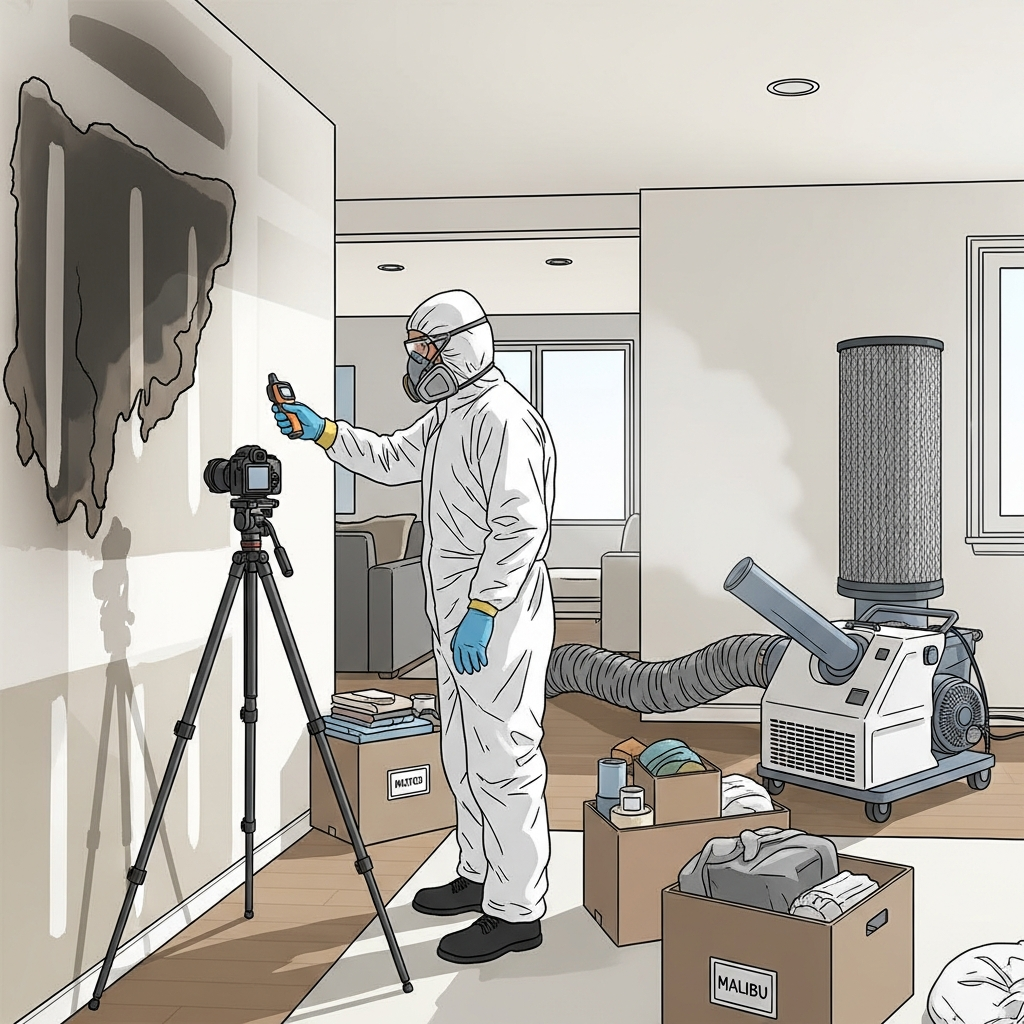
Before anything else, confirm safety. Utilities should be assessed to ensure that electrical and gas systems are either shut down or safe to use. Firefighting water may have permeated ceilings and walls, so moisture checks and thermal imaging help map hidden saturation. As these assessments occur, begin recording conditions. Take wide and close photographs of each room, inside cabinets and closets, and along windows, baseboards, and ceiling transitions where soot collects. Save receipts for emergency expenses and note any conversations with officials or utility crews—this context helps claim handlers understand the sequence of events.
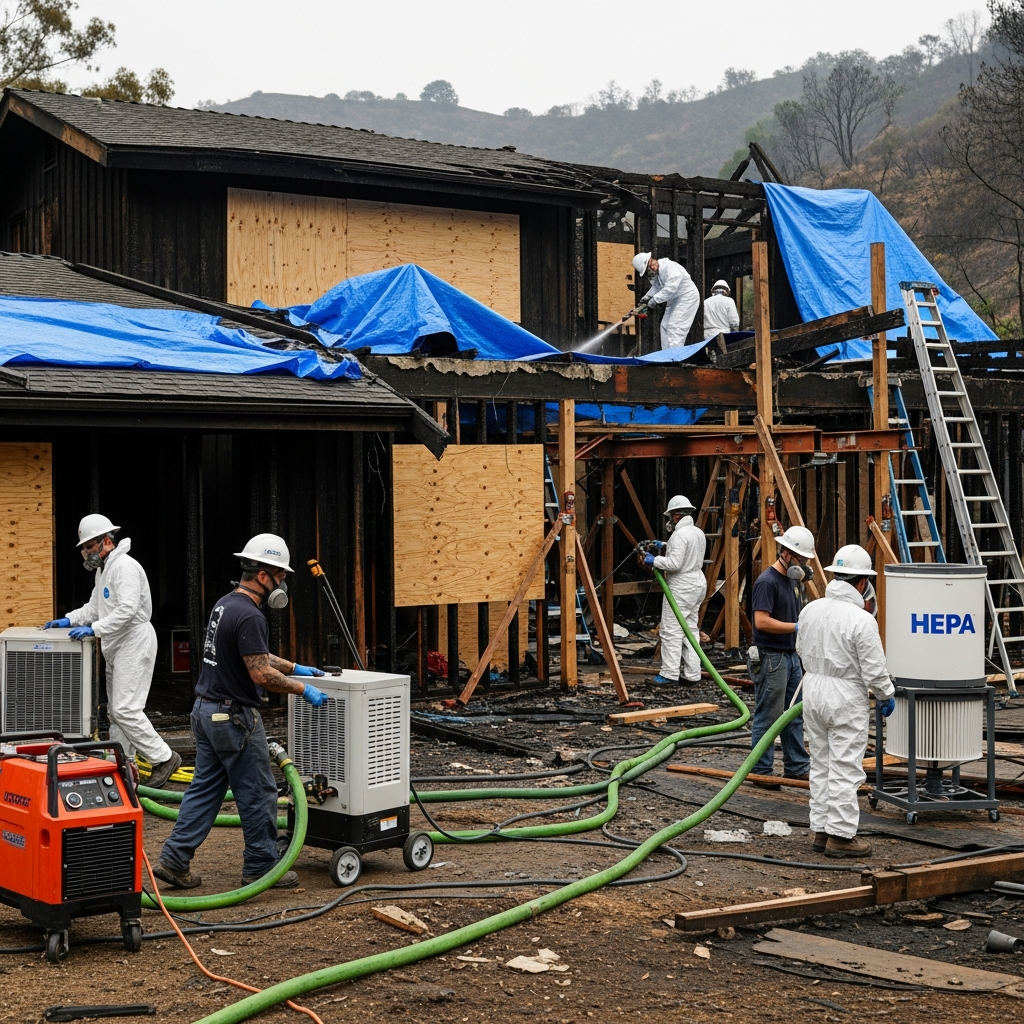
At the same time, early mitigation protects your property and supports the claim. Board-ups, roof tarping, and initial air filtration reduce ongoing damage. Containment prevents soot from spreading, and extraction with targeted dehumidification limits moisture-related deterioration. These actions are not just good practice; they demonstrate diligence and can simplify later approvals for repairs.
Coordinating With Your Insurance Carrier
Clear communication is your ally. Provide notice promptly and share initial documentation. Ask your restoration team to present a structured scope of work, with photographs and readings that justify each step. This evidence-based approach builds trust and keeps momentum. If the home’s age or materials suggest potential asbestos or lead, request testing before invasive work begins; it shows respect for safety protocols and prevents disputes later about proper handling.
As the project advances, regular updates matter. Weekly summaries with milestones—stabilization complete, demolition areas identified, deodorization underway—help align expectations. When conditions change, your team should adapt the plan and explain why, supporting decisions with new data. In Malibu, shifting access, weather, and marine humidity can all influence sequencing. Transparency keeps everyone on the same page.
Contents: The Personal Core of the Claim
Contents often carry the most emotional weight. A thoughtful process begins with triage: prioritize essentials, important documents, photos, and items with high sentimental value. Inventory and photography establish condition and chain of custody as belongings are packed out for cleaning or secure storage. Specialized items—art, instruments, sensitive electronics—may be routed to third-party experts. Throughout, decisions weigh material composition, contamination type, and the likelihood of successful restoration.
Organized contents handling simplifies claim conversations. Each box and item category can be associated with cleaning methods, outcomes, and recommendations for replacement when appropriate. The clarity of this record helps avoid confusion later and allows you to focus on living arrangements and planning instead of chasing details.
Cleaning, Deodorization, and Air Quality
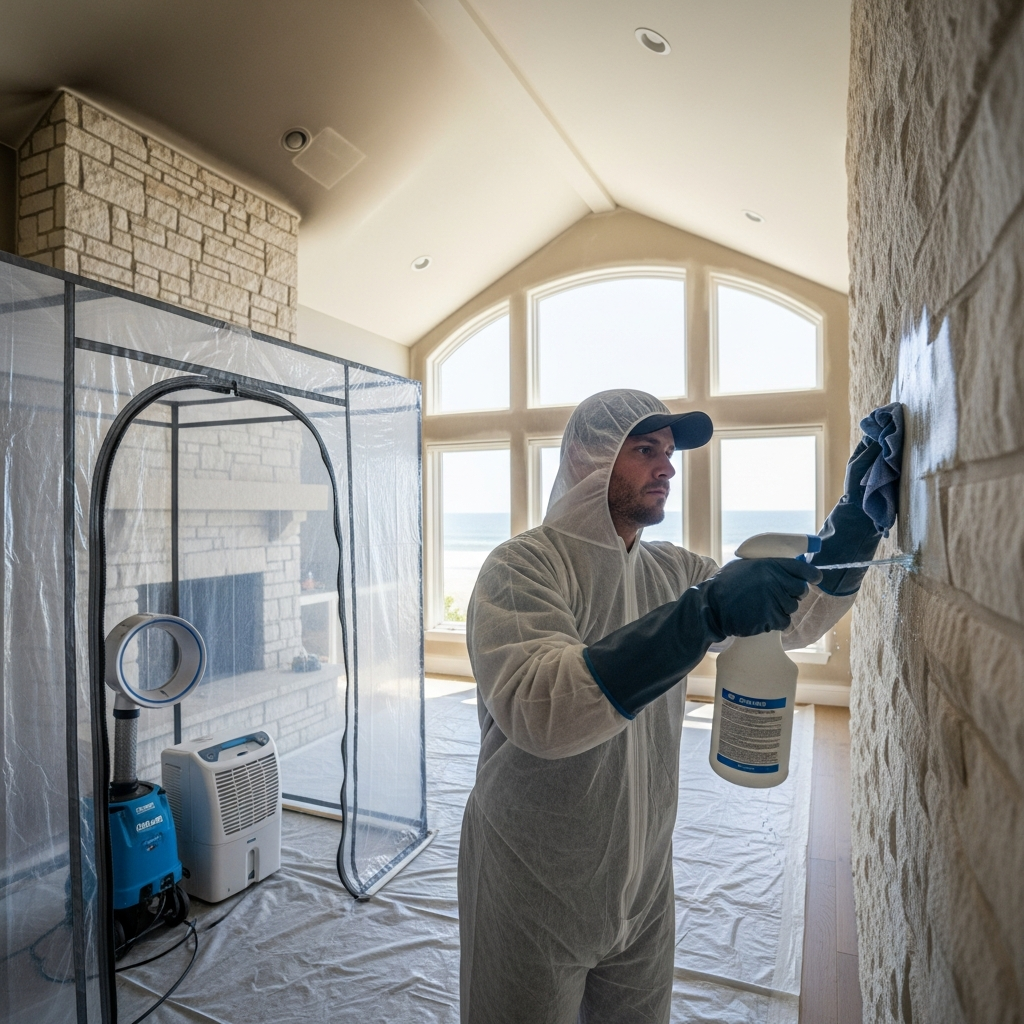
Thorough cleaning and odor control are the heartbeat of fire restoration. Malibu’s coastal air adds complexity—humidity and salt can intensify corrosion and carry odors differently than inland environments. Crews begin with particulate removal using HEPA vacuuming and dry sponges, followed by surface-appropriate detergents that neutralize soot. Odor control typically involves staged methods: source removal first, then targeted deodorization using approaches like hydroxyl treatment that can operate safely while technicians work. HVAC systems are addressed early; filters are replaced, coils and ducts are cleaned, and returns and supplies are inspected to prevent recontamination.
Verification is essential. Odor checks after each phase confirm progress. In certain cases, air or surface sampling helps document that environments meet a healthy baseline before reassembly. This attention to indoor air quality not only protects your family but also provides a record that supports confidence in the claim review.
Demolition, Repairs, and Compliance
Not every material can be saved. A disciplined demolition approach removes charred or smoke-saturated components while protecting unaffected areas with containment and negative air. If older materials are present, abatement may be required and is completed under proper controls. Once spaces are clean and stable, repairs can proceed—framing, insulation, drywall, finishes—sequenced logically to avoid backtracking and delays.
In Malibu, plans for the repair phase often intersect with building standards and environmental considerations. Erosion control on slopes may be necessary before significant exterior work, especially after vegetation loss from wildfire. Window and door assemblies in coastal exposure zones need special attention to hardware and seals, ensuring that restored spaces resist future moisture and salt intrusion. Coordinating these elements early prevents schedule disruptions and aligns expectations with inspectors and adjusters.
Staying Organized and Reducing Friction
The smoothest claim experiences share a few habits. Keep a simple, dated log of key events and decisions. Maintain a digital folder for photographs, readings, and reports. Ask your project manager to identify milestones that naturally create checkpoints with the carrier—completion of mitigation, deodorization verification, or readiness for rough-in inspections. When questions arise, respond with data rather than impressions; it keeps discussions productive and focused on solutions.
Midway through many Malibu projects, homeowners notice a shift: the house begins to smell clean, surfaces stay dust-free between visits, and repaired areas take shape. This is the point where anxiety gives way to momentum. It is also when coordination on finishing materials, color matching, and contents return becomes most exciting. A team seasoned in fire damage restoration in Malibu will help you manage these details without losing sight of critical final checks.
Resilience and Preparedness
Restoration offers a chance to build resilience. Consider ember-resistant venting, improved weatherstripping, and sealing of utility penetrations to reduce future smoke incursion. Evaluate landscape for defensible space and slope stability. Inside, select finishes that clean easily and resist odor absorption. These upgrades respect the home’s architecture while creating a margin of safety and comfort for seasons to come.
Frequently Asked Questions
Can I clean up before the restoration team arrives? Light actions such as opening windows when safe and removing obvious debris can help, but avoid using household cleaners on soot, running HVAC, or disturbing materials that may require testing. Early missteps can set stains or spread contamination.
How do I track belongings during pack-out? Your provider should inventory and photograph items, label boxes clearly, and offer a system to request priority returns. Ask for a copy of the inventory and status updates as cleaning progresses.
What determines whether an item is salvageable? Material type, level of contamination, and exposure to moisture or heat drive decisions. Porous items may be more difficult, while hard surfaces and certain textiles respond well to targeted cleaning.
Is deodorization safe for people and pets? Methods like hydroxyl treatment can operate safely during occupancy when applied correctly. Ozone and other approaches may require controlled, unoccupied conditions. Your team will explain the plan and safety measures.
How do I avoid delays in the claim? Provide thorough documentation early, respond promptly to questions, and encourage your restoration team to share measured data—photos, readings, and clear scopes—directly with adjusters when appropriate.
What if odors return after the project? Ask for a re-evaluation. Lingering odor often signals hidden sources or HVAC-related redistributions. A methodical inspection will identify and resolve the cause.
If you are navigating the technical steps and the paperwork at the same time, you do not have to do it alone. Reach out to a trusted local expert in fire damage restoration in Malibu who will meet you on-site, document conditions clearly, and move your project—and your claim—forward with steady, professional care from the first call to the final walkthrough.