After a wildfire or an interior fire, every Malibu homeowner wants to understand what comes next—how the work unfolds, what decisions will shape the overall scope, and how to anticipate the practical realities of recovery. In our coastal hills and along the waterfront, restoration has nuances shaped by architecture, access, and environment. As a local who has walked properties from Point Dume to Corral Canyon after smoke-choked nights, I can share what to expect from a thorough, well-run project and how to make choices that protect value, health, and peace of mind. The first step is choosing experienced fire damage restoration in Malibu so that early decisions set the right trajectory.
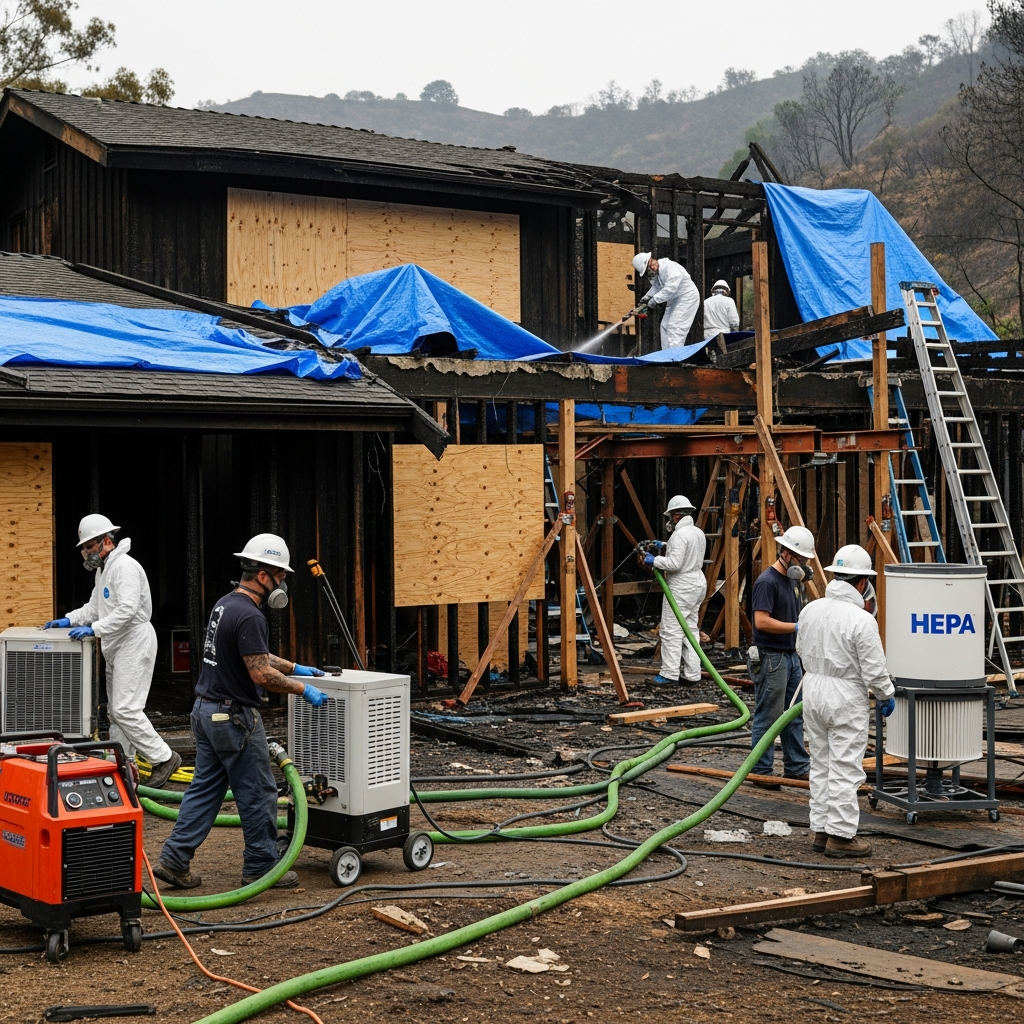
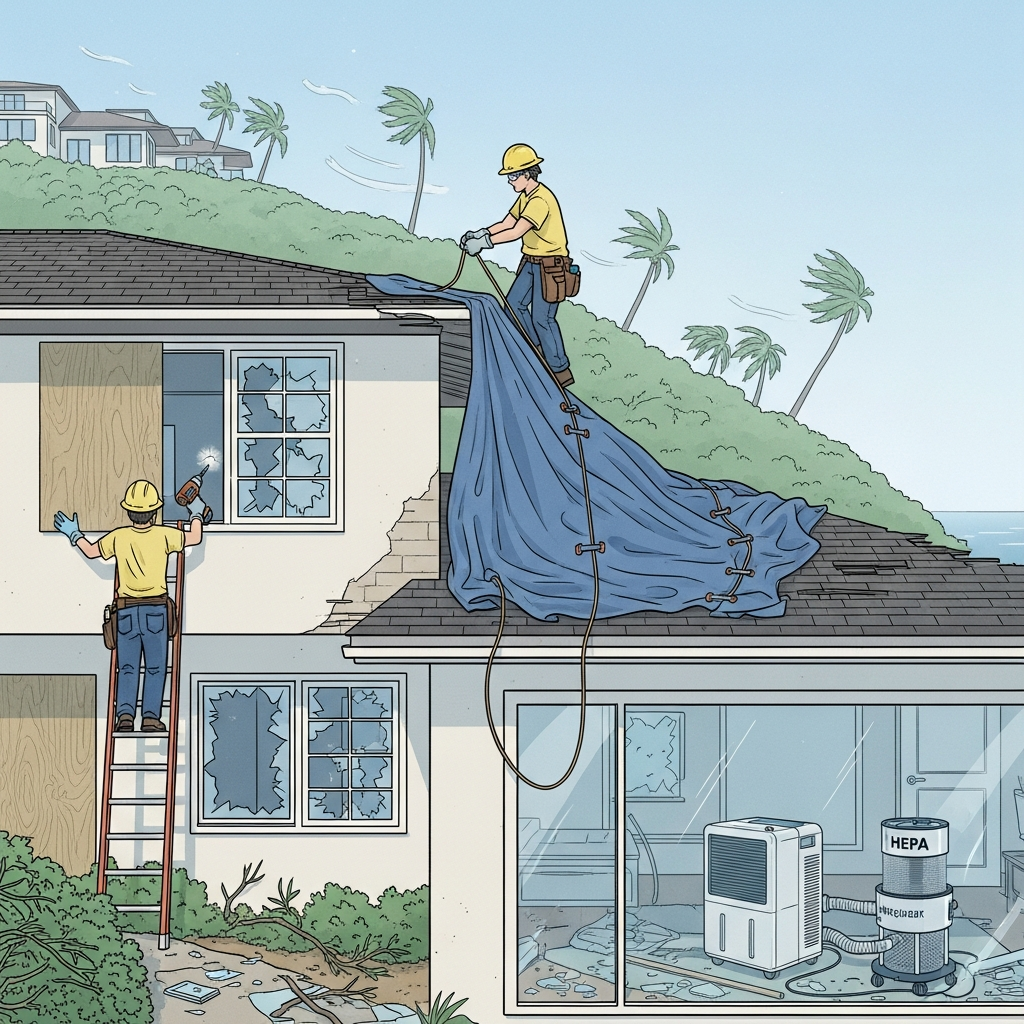
It helps to think of the overall undertaking in phases. The initial phase focuses on stabilization and mitigation: board-ups to secure openings, tarps to prevent rain intrusion, water extraction after firefighting, and air filtration to capture soot particles. If the fire was exterior, ash removal from roofs, decks, and landscape areas reduces recontamination. Inside, careful containment prevents soot-laden dust from migrating, while technicians test for moisture and identify materials requiring removal. The objective of this phase is to stop ongoing damage, protect what is salvageable, and gather clear documentation.
Scope Drivers Unique to Malibu
Malibu homes are as varied as the terrain—modern glass pavilions, classic beachfront cottages, and hillside estates with multiple structures. Each presents a different set of considerations. Expansive glazing may require specialized cleaning protocols and temporary protection. High-end millwork and custom finishes call for gentle, targeted cleaning to avoid etching or discoloration. On steep lots, access can be complex for equipment and debris removal, especially if roads remain restricted. Salt-laden air interacts with smoke residues to accelerate corrosion of fixtures and electronics, prompting proactive treatment that pays dividends over the life of the home.
Environmental and regulatory factors also shape the path. If the property’s age or materials suggest potential asbestos or lead, sampling and, if needed, abatement must precede deeper demolition or cleaning. For structures impacted by wildfire near drainage courses or beaches, exterior cleanup should follow environmental best practices to prevent runoff issues. In all cases, clear, consistent recording of conditions and actions supports alignment with insurance processes and streamlined approvals for the repair phase.
From Mitigation to Detailed Cleaning
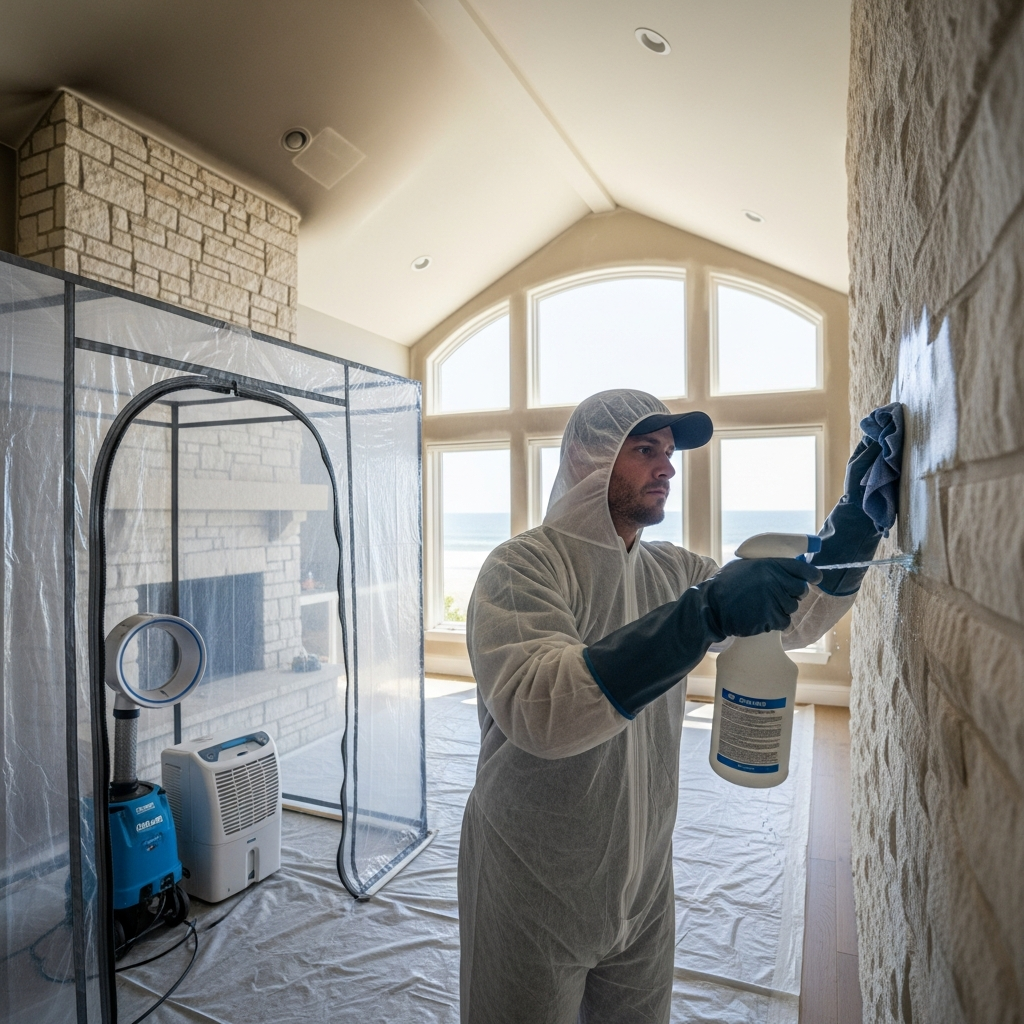
Once the property is stable, attention turns to detailed cleaning and controlled removal of materials that cannot be salvaged. This is where the thoroughness of the team becomes evident. Effective crews use a combination of methods: dry cleaning sponges and HEPA vacuuming for initial particulate removal; alkaline or neutral detergents depending on soot composition; ultrasonic cleaning for appropriate contents; and controlled deodorization using hydroxyl generators or other targeted technologies. HVAC systems receive particular care to prevent redistributing contaminants throughout the home.
Contents management is a major component in Malibu residences, which often feature art, custom textiles, and sensitive electronics. A robust process includes inventory, photography, and condition notes before items are packed out to a secure, climate-controlled facility for cleaning and storage. Salvage decisions balance sentimental value, material composition, and how smoke residues have interacted with each surface. Transparency is key—you should understand what is being cleaned, what may require third-party specialists, and what is recommended for replacement.
Complexities That Affect Planning
Beyond the obvious work inside the four walls, several complexities influence planning in Malibu. Homes on slopes may require temporary shoring if framing or foundations are compromised. Erosion control becomes a priority quickly, as the first major rain following a burn can move ash and soil in ways that threaten structures and neighboring properties. Exterior cleaning must be thorough yet gentle, especially with stone, stucco, and decking, to avoid driving contaminants deeper or creating lasting surface damage. And when glass dominates the façade, addressing sealants, tracks, and hardware is just as important as making the panes sparkle.
Meanwhile, a well-run project manages air quality consistently. HEPA-filtered negative air machines, strategic containment, and routine filter changes maintain clean zones throughout the process. Verification—whether through odor checks, particulate monitoring, or third-party sampling—helps ensure that the home is not only visually clean but also healthy to occupy once the work is complete.
Insurance, Documentation, and Communication
In Malibu, the path to a successful outcome often runs through strong documentation and steady communication. From day one, photograph and describe conditions in detail. Save any correspondence related to evacuation, utility interruptions, or firefighting impacts. Work with a team that provides daily updates and clear scopes of work. When questions arise, evidence-based explanations—moisture readings, soot sampling, and structural evaluations—streamline alignment and keep momentum steady.
Permit requirements for repairs should be anticipated early. In some cases, structural engineers, electricians, or plumbers will need to certify elements of the home before systems are re-energized or reconstructed. Coordinating these professional inputs prevents surprises later and ensures that repairs reflect both the original design intent and today’s safety standards.
What to Expect in Timelines and Milestones
Timelines vary with the extent of damage, property size, and the availability of materials and trades. A realistic plan includes identifiable milestones: stabilization, demo and decontamination, rough-in repairs, finishes, and reassembly of contents. Weather, access restrictions, and specialty items can affect pacing, particularly in coastal Malibu where salt air and humidity demand careful drying strategies and corrosion control. The best teams set expectations clearly and update schedules as decisions are made, so you always know what is happening next and why.
Midway through a project, homeowners often ask where the turning point lies—the moment when the property feels less like a job site and more like a home again. For many, it comes after decontamination and odor control have taken hold, when clean spaces emerge and finishing work begins. That pivot is built on methodical preparation and the steady focus of a capable provider of fire damage restoration in Malibu who understands the demands of our terrain and climate.
Frequently Asked Questions
How do smoke and salt air interact in Malibu homes? When soot residues mix with coastal humidity and salt, corrosion accelerates on metals and electronics. Early cleaning and protective treatments help preserve finishes and functionality.
Is it necessary to clean areas that don’t look damaged? Yes. Soot is often invisible in light concentrations and can migrate through HVAC systems and tiny gaps. Cleaning and deodorizing adjacent spaces prevent odor from resurfacing later.
Can I stay in the home during restoration? It depends on the extent of damage and the ability to contain work areas and control air quality. Your team should explain risks and create a plan that prioritizes health and safety.
What makes Malibu projects different from inland restorations? Access via canyon roads, salt air corrosion, wind-driven soot patterns, and hillside drainage are key differences. Methods and sequencing reflect these coastal realities.
How is odor truly eliminated? By addressing the source. That means removing affected materials as needed, thorough cleaning, HVAC decontamination, and staged deodorization. Sealers are helpful only after the underlying issues are resolved.
Do I need special testing? In some cases, yes. Air or surface sampling can document conditions before and after cleaning, and materials testing may be required when older construction suggests potential asbestos or lead.
When you are ready to move forward with clarity and confidence, connect with a local expert for fire damage restoration in Malibu. The right partner will protect your home’s character, respect the realities of our coastal environment, and guide the process from first assessment to the day you open the windows and breathe easy again.