When a wildfire sweeps through the canyons of Malibu and the winds turn ember showers into racing fronts, the landscape changes in hours, and so does life at home. In this kind of aftermath, the best path forward is guided by calm, local expertise—people who understand how smoke settles into coastal homes, how salt air interacts with soot, and how to protect a property on a hillside that has lost its protective vegetation. Having helped neighbors through seasons of red flag warnings and long recoveries, I can tell you that the best approach to rebuilding confidence starts with a disciplined plan for fire damage restoration in Malibu that is as precise as it is compassionate.
What follows is a look behind the scenes of exceptional restoration work in Malibu after wildfires. It is the story of protecting structures that range from beach cottages to hilltop estates, navigating the specific rhythms of Pacific Coast Highway closures and canyon access, and paying attention to the subtle details—like corrosive effects on fixtures within 24 to 72 hours—that separate a basic cleanup from true recovery. Above all, it is a reminder that the best teams in Malibu measure their success by what you can see and what you can’t: clean indoor air, stable slopes, sound framing, and the quiet confidence you feel when the house smells and lives like home again.
Understanding Malibu’s Post-Wildfire Reality
Malibu is not just a name on a map; it is a layered environment of coastal humidity, marine layer mornings, and canyons that funnel wind. After a wildfire, ash can ride ocean breezes into homes that were never touched by flames, embedding itself in porous surfaces and HVAC systems. Firefighting water may have cascaded from rooftops and terraces, leaving hidden pockets of saturation in ceiling cavities and behind wall finishes. Even homes that look lightly affected can experience aggressive corrosion on metal fixtures, electronics, and appliances when soot and salt air mix. The best restoration work in Malibu begins with an understanding of these regional forces and the way they shape both damage and recovery.
There is also the simple reality of access and timing. Debris removal and early stabilization may begin while power is intermittent and canyon roads are controlled. The most capable teams anticipate these constraints, bringing generators, fuel, and redundant equipment so work does not pause with every logistical hurdle. They coordinate with neighbors, local officials, and utility providers to move quickly without missing critical documentation steps that can support your insurance claim and any needed permits later in the process.
What “Best” Really Means in Malibu
In Malibu, “best” is less about marketing slogans and more about a grounded standard of care. It looks like a crew that arrives with air scrubbers equipped with HEPA filtration and carbon, because smoke odor in coastal humidity requires both particulate and vapor mitigation. It is a supervisor who methodically photographs each room, notes pre-existing conditions, and sets up negative pressure zones before a single wall is opened. It is also a willingness to bring in structural engineers when a fire has compromised rafters or shear walls, and to call soil professionals if the burn scar on a slope suggests erosion or mudflow risks with the first winter storm.
That level of work recognizes that contents are part of the heartbeat of a Malibu home. The best teams sort, catalog, and carefully pack out belongings to a secure, climate-controlled location, prioritizing sentimental items, important documents, and textiles that can trap smoke. They use appropriate cleaning methods—dry sponge, alkaline neutralization, ultrasonic baths—selected for the surface and type of soot involved. Then they validate their results with post-cleaning testing, because the goal isn’t simply to make something appear clean; it’s to make it measurably clean.
From Assessment to Full Restoration
Exceptional restoration starts with a comprehensive assessment. Moisture mapping finds water trapped in unexpected places after firefighting. Thermal imaging identifies areas where insulation is saturated or where structural charring extends beyond what a visual glance can see. Air and surface sampling can be used to set baselines, with a plan to test again before demobilization. This evidence-based approach allows the team to sequence work efficiently: secure the structure, remove unsalvageable materials, decontaminate, dry, deodorize, and prepare the property for repairs and finishes.
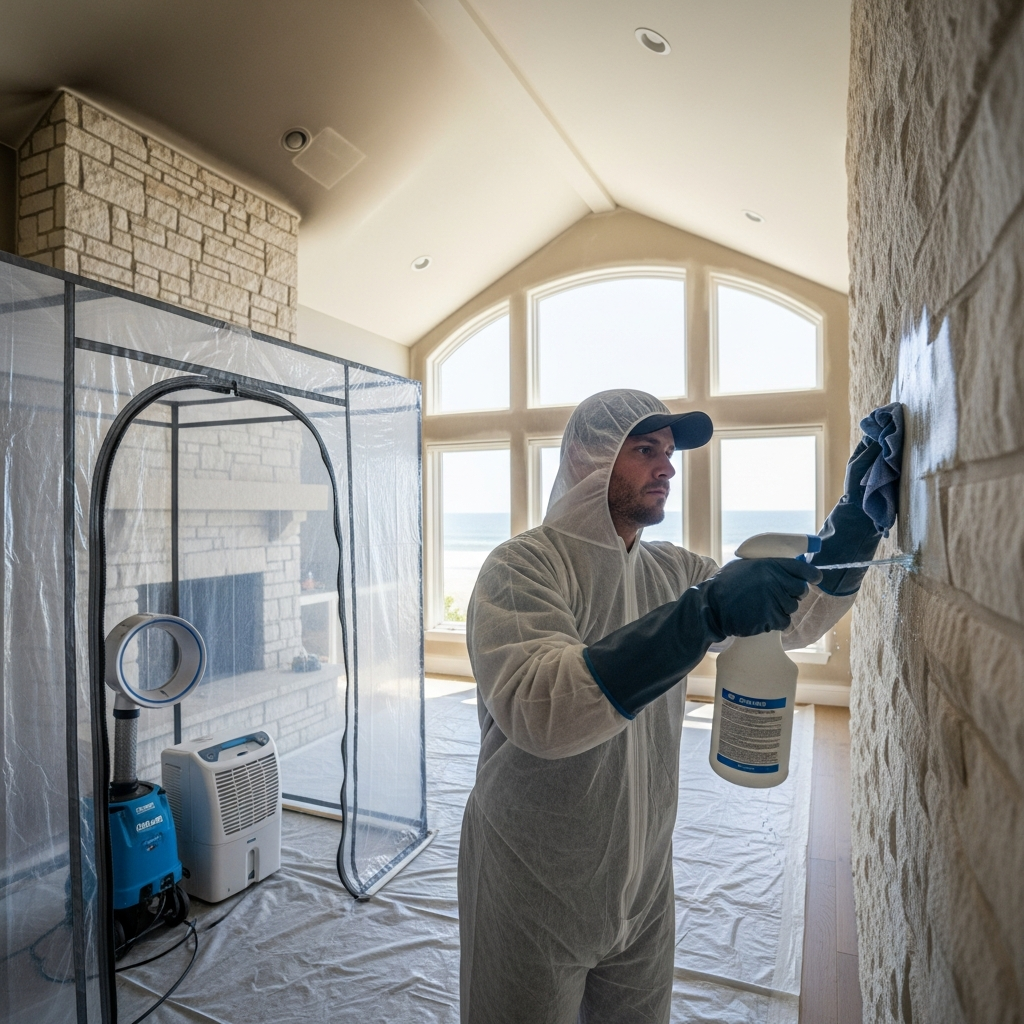
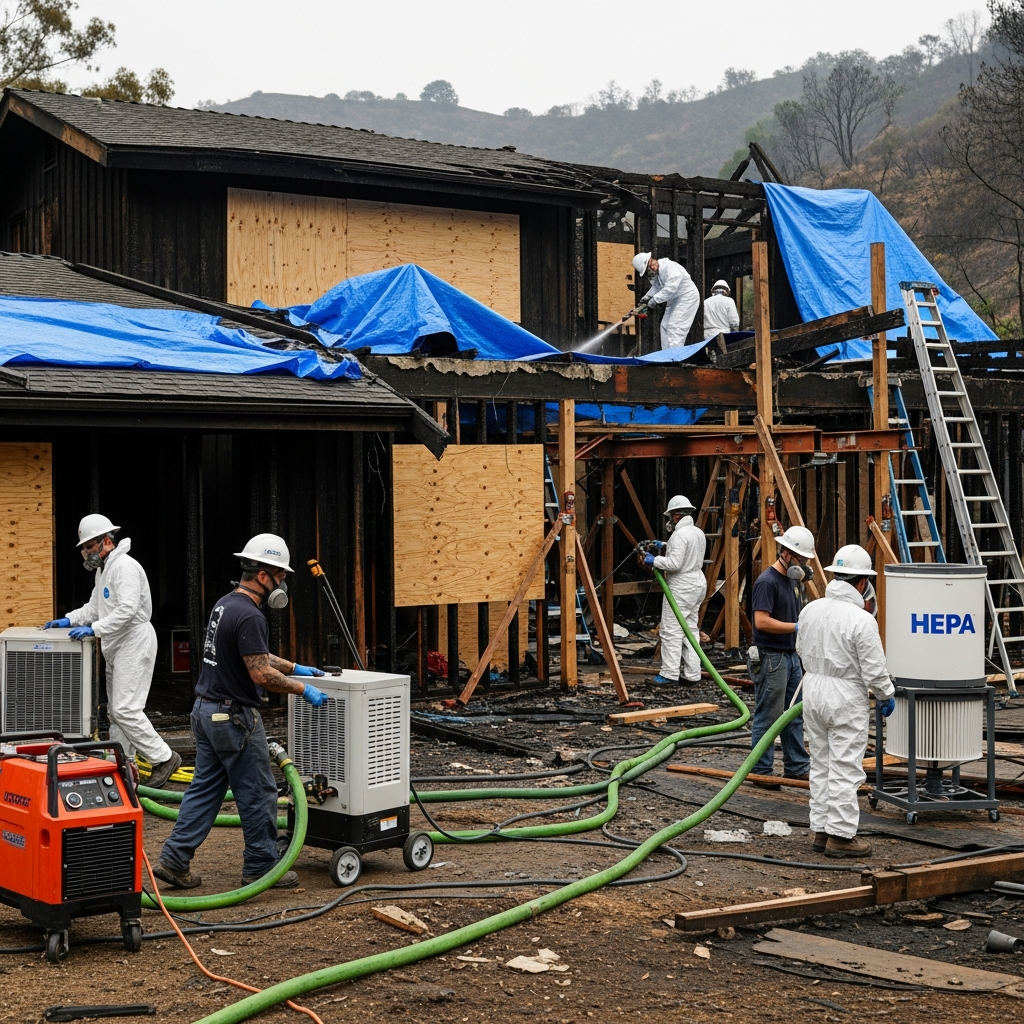
Demolition in a fire setting is as much surgical as it is forceful. The best technicians distinguish between char that can be removed to sound wood and structural members that need full replacement. They protect the rest of the home from cross-contamination by establishing clean transit paths, using tack mats and daily equipment decontamination. If asbestos or lead paint is suspected due to the age of the home or specific materials, sampling is conducted and, when needed, abatement is performed in compliance with regulations. Once the affected materials are removed, remaining substrates are cleaned and treated so that odor is addressed at its source rather than simply covered over with sealants.
Odor removal is a science and an art. Hydroxyl generators can be used while crews are present, working gently but persistently on smoke molecules. Ozone may be deployed in controlled conditions when appropriate. The best outcomes often involve a ladder of techniques: mechanical cleaning, targeted chemical counteractants, vapor-phase treatments, and careful HVAC cleanup with coil and duct attention. Midway through this sequence, the work expands from the obvious to the invisible, which is why professional teams in Malibu conduct progress checks and adjust the plan to confirm results before moving into finishes and furnishings.
In the midst of this careful choreography, the right local partner for fire damage restoration in Malibu also pays attention to coastal-specific vulnerabilities. That can mean accelerated corrosion control on fixtures and electronics, addressing smoke-laden attic insulation that seems pristine to the eye, and protecting newly cleaned interiors from overnight marine humidity with smart ventilation and dehumidification strategies. These details are not extras; they are essential to making the restoration last.
Health, Safety, and Indoor Air Quality
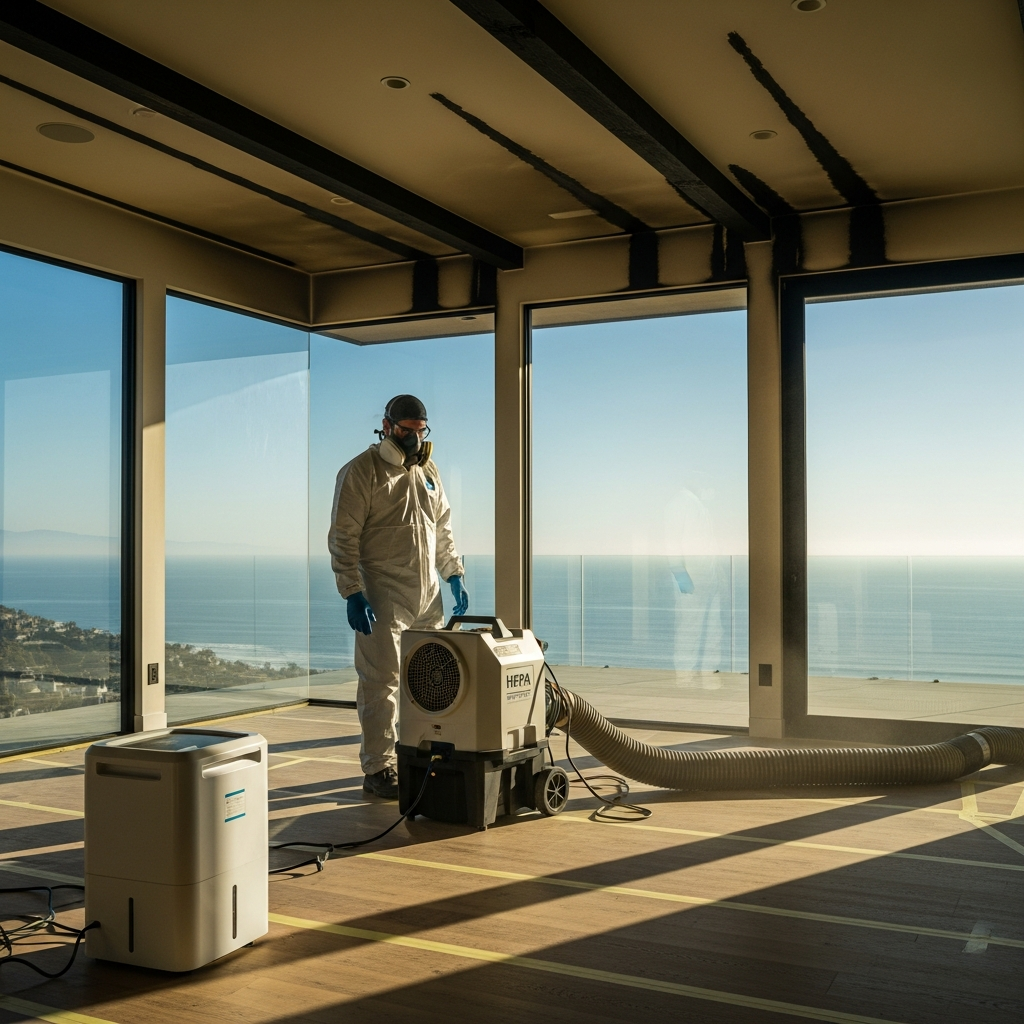
Smoke damage is not only about what you can smell. Fine particulates and volatile compounds can linger and reappear with temperature swings. The best practitioners monitor indoor air quality throughout the project. They use HEPA-filtered negative air machines to keep the workspace under control and prevent clean areas from being recontaminated. They replace filters on a tight schedule and control dust at every stage, from removal to rebuild. In some cases, clearance testing is performed by a third party after cleaning and deodorization to confirm that the environment is ready for re-occupancy and reassembly.
Personal protective equipment and site safety protocols protect both crews and families. In Malibu, where properties can span multiple structures with varying degrees of damage—guest houses, studios, garages—the safest approach is to establish zones, control access, and communicate clearly. That communication extends to you as a homeowner: understanding daily goals, knowing when power or water will be off, and having a simple channel for questions so decisions are made in real time.
Protecting Hillsides and Coastline
Wildfire strips the land of its protective cover. In the canyons and ridgelines above Malibu, this increases the risk of erosion and debris flows once the rains arrive. Top-tier restoration companies coordinate with erosion control specialists to install wattles, check dams, and temporary slope coverings where appropriate. They monitor drainage paths so that stabilizing efforts on your property do not push water and ash toward neighbors or the road. If your home sits near a creek or above the beach, they follow environmental guidelines for handling debris and wash water, preserving the natural systems that define Malibu’s character while protecting your property against secondary damage.
Exterior cleaning must be gentle and targeted. Pressure that is too high can drive soot deeper into stucco or stone. Detergents must be selected for both effectiveness and environmental responsibility. Windows and frames receive particular attention because smoke residues often collect in tracks and weep holes where corrosion can begin unnoticed. The goal is always the same: return exterior surfaces to a clean, stable condition that resists future staining and functions as designed.
Working With Insurers Without Losing Momentum
Insurance is essential, but it should never become a barrier to timely mitigation. The best Malibu teams document thoroughly and communicate proactively with adjusters so work can continue while the claim develops. They provide clear scopes of work, photographs, and justifications for methods and materials used. When there are differences of opinion, they focus on presenting evidence—moisture readings, soot sampling, structural assessments—so the path forward remains grounded in facts rather than assumptions. This approach protects homeowners from delays and ensures that mitigation is not deferred past the window where damage becomes more difficult and expensive to address.
Just as important is consistent communication with you. After a wildfire, the sheer volume of decisions can feel overwhelming. A good project manager summarizes options without jargon, sets expectations for timelines, and helps plan for the return of contents as spaces clear. In Malibu, where many homes have custom finishes and unique materials, this coordination ensures that replacements and repairs respect the original design while meeting current safety and resilience standards.
Preparing Before the Next Santa Ana Season
Recovery is a chance to build back stronger. That might include upgrading attic ventilation to prevent smoke incursion, sealing gaps at eaves and under doors, and choosing finishes that are easier to clean should smoke ever return. Vegetation management around the home, ember-resistant venting, and attention to defensible space make a difference when the winds pick up. The best restoration partners share practical guidance and connect you with resources so preparedness becomes part of daily maintenance rather than a once-a-year scramble.
FAQ
How long does a thorough post-wildfire restoration take in Malibu? Every property is unique, but a complete process includes assessment, stabilization, removal of compromised materials, detailed cleaning, deodorization, drying, and preparation for repairs. Timelines vary with access, permitting needs, and the extent of damage, but the pace should be steady, documented, and transparent.
Can smoke damage be fully removed from a home that never burned? Yes, when addressed correctly. Successful outcomes rely on source removal, targeted cleaning, HVAC decontamination, and staged deodorization, with verification by odor checks and, when appropriate, third-party testing.
What about electronics and appliances exposed to smoke and moisture? These items are highly susceptible to corrosion. They should be evaluated promptly, dried if wet, and inspected by qualified specialists. Early action often determines whether salvage is feasible.
Is it safe to remain in the home during restoration? Safety is assessed case by case. If work areas can be contained and air quality controlled, partial occupancy may be possible. Your team should explain risks and protections clearly so you can make informed decisions.
How do I know if the odor is truly gone and not just masked? Rely on a methodical process: remove contaminated materials, clean, treat, ventilate, and confirm. Odor counteractants and sealers are helpful only after thorough source removal. If the smell returns with heat or humidity, more work is needed—ask for re-evaluation and testing.
What special considerations apply to homes near the beach? Salt air accelerates corrosion, especially when combined with soot. Restoration should include corrosion control steps, attention to window tracks and hardware, and environmental safeguards to prevent runoff from reaching sensitive areas.
Will my landscape and hardscape be addressed? A comprehensive plan considers exterior cleaning, ash removal, and erosion control. While full replanting may wait for the right season, early stabilization protects your home and the neighborhood from runoff and debris flows.
What should I do first after evacuation orders lift? Prioritize safety. Avoid turning on HVAC until it is inspected, limit foot traffic in soot-heavy areas, and contact a qualified restoration team to document conditions before cleanup begins.
When you are ready to move from uncertainty to momentum, partner with a local team that treats your home with the respect it deserves. The right choice for fire damage restoration in Malibu will meet you where you are, move quickly to protect what matters, and guide the project to a finish line that feels as good as it looks. Reach out today to start a focused, informed recovery that restores comfort, safety, and the quiet joy of living by the coast.