Wildfire Smoke and Fire Damage Restoration for Malibu, California Homes
In Malibu, wildfire season is not a date on a calendar—it is a rhythm the community knows by heart. Warm, dry winds tumble down canyons, brush crackles underfoot, and the sky can turn a muted orange that sends families to pack “go-bags” almost by reflex. Even when flames stay miles away, smoke and fine ash drift to the coast, settling into the smallest seams of a home. When fire gets closer, embers ride the wind like sparks from a forge, testing roofs, vents, and landscaping. Restoration in Malibu is about more than erasing signs of a single incident; it is about repairing a home while strengthening it for the next season. That work begins with experienced fire damage restoration tailored to the way Malibu lives—open to the ocean, threaded through canyons, and layered with craftsmanship.
Wildfire smoke is not a single substance. It carries a mix of organic and synthetic residues from vegetation, structures, and vehicles. Fine particulates can remain airborne for days, slipping through window assemblies and attic vents, finding their way into textiles and ductwork. Onshore flows tug these particulates toward the coastline, while day-night temperature swings push and pull air through a home’s hidden pathways. Understanding how smoke behaves in this environment helps set priorities: isolate HVAC systems, establish containment, and design airflow so contaminants move out, not deeper in. This foundation prevents the frustrating cycle of odors leaving and returning with every weather change.
First Steps After Wildfire Exposure
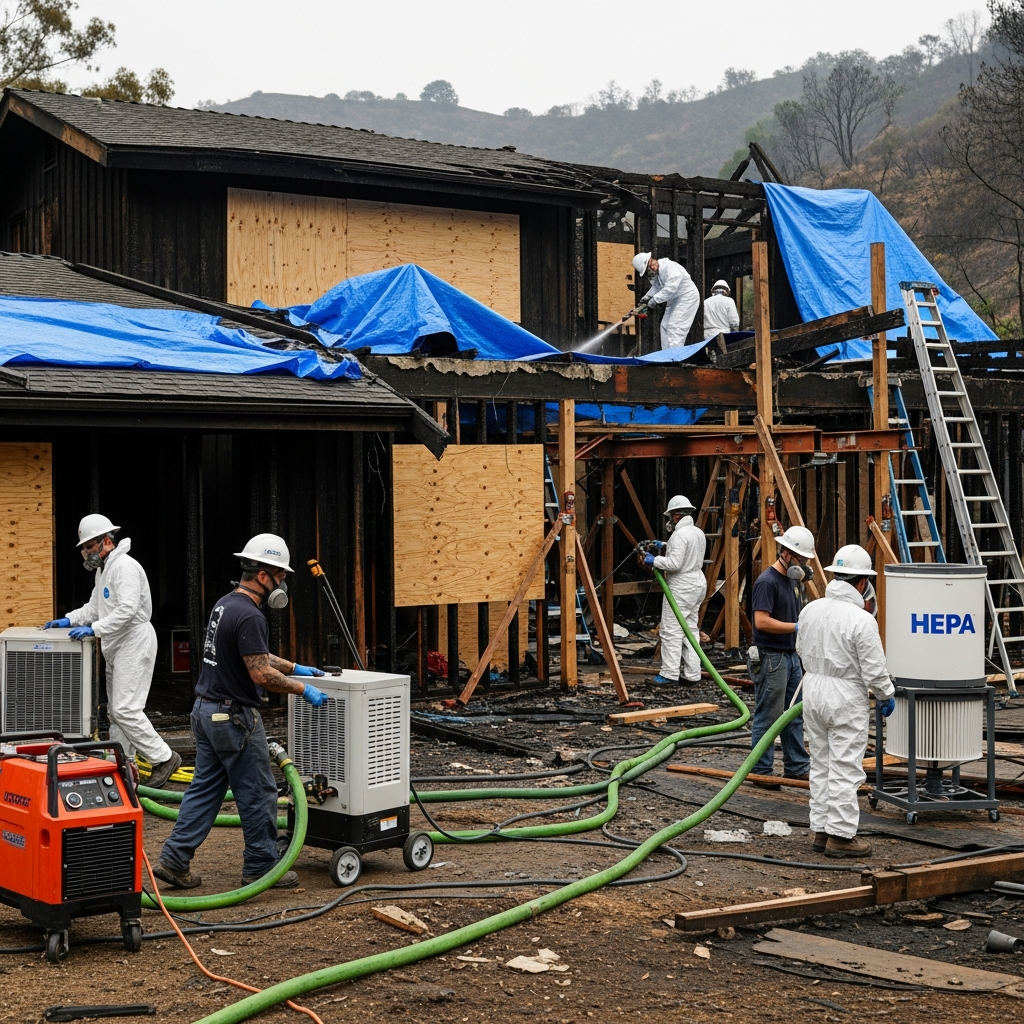
Once it is safe to return, begin with a careful walkthrough. Doors and windows that were cracked for ventilation may have allowed infiltration. Ash often collects in entryways, on horizontal surfaces, and around recessed lighting. In attics, insulation can hold a surprising load of fine debris. The immediate goals are to protect what remains clean, stabilize indoor air with HEPA filtration, and map how far contamination has traveled. Professional teams document conditions thoroughly—photographs, particle readings, and contents assessments—so you have a clear picture of what must be addressed and in what order.
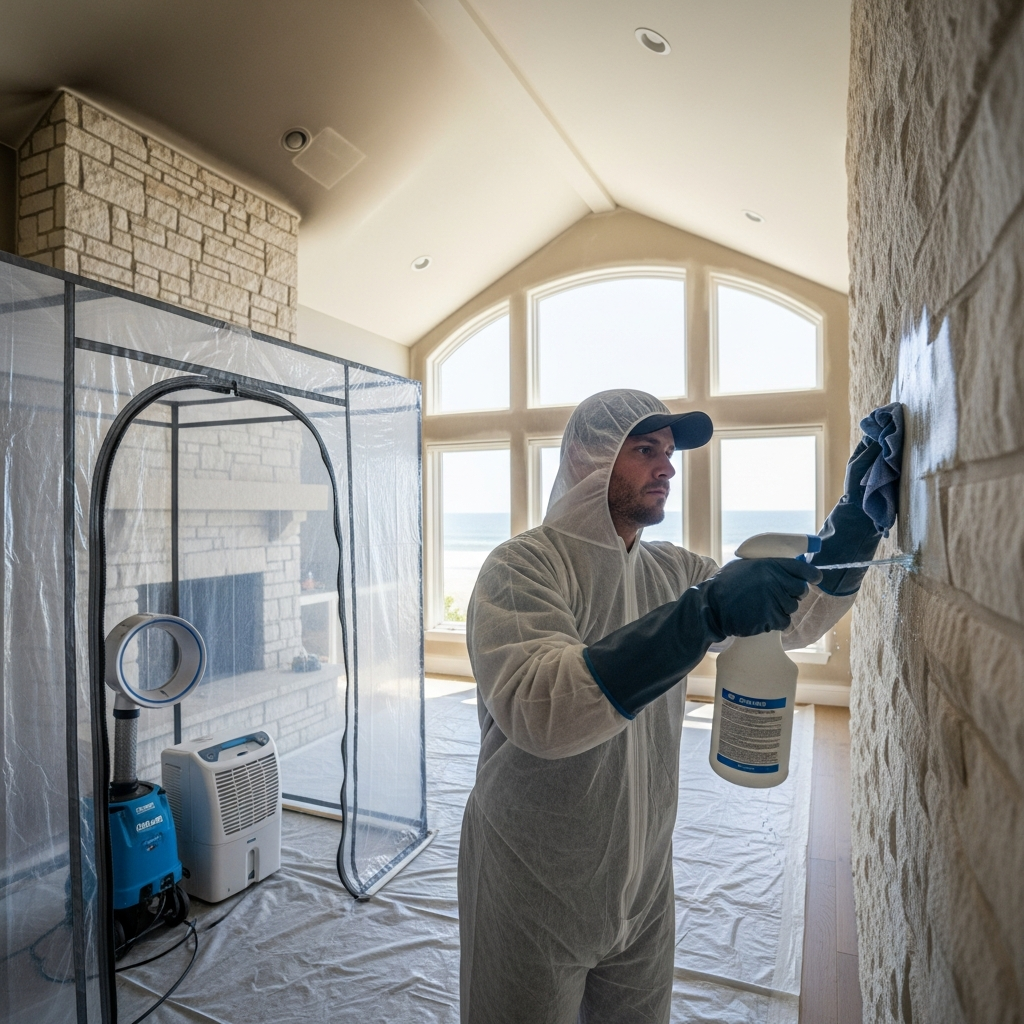
Containment comes next. By creating clean and dirty zones, technicians control movement and keep daily life possible even as work progresses. Negative air pressure draws particulates through filtration rather than letting them drift to adjacent rooms. Where possible, equipment is staged to be quiet and unobtrusive; Malibu families need homes that function during restoration, not job sites that overwhelm them. With this baseline set, deep cleaning can begin without chasing new contamination around the house.
Deep Cleaning: Surfaces, Textiles, and Hidden Spaces
Effective cleaning starts gently. Delicate vacuuming with HEPA tools lifts loose ash from surfaces and fabrics. Dry cleaning sponges collect residues from flat paints and textured walls without smearing. Where soot is oily or protein-based—common after structure fires near wildlands—wet cleaning with pH-matched solutions removes films without damaging finishes. Malibu homes often include natural stone, custom millwork, and specialty plasters, each requiring tailored techniques. Media blasting with baking soda or dry ice can rescue beams and rafters, preserving grain and character while extracting soot from pores.
Textiles—rugs, drapery, bedding, and upholstered furniture—play a major role in odor persistence. Fibers trap smoke molecules that reactivate with humidity. Specialized laundering or solvent-based methods, combined with deodorization tuned to fiber type, return textiles to a neutral state. Many projects include a contents pack-out for larger items, allowing off-site treatment and secure storage while structural cleaning advances. This parallel track keeps momentum and prevents clean items from absorbing odors that linger in unaddressed areas.
HVAC, Attics, and the Pathways Smoke Loves
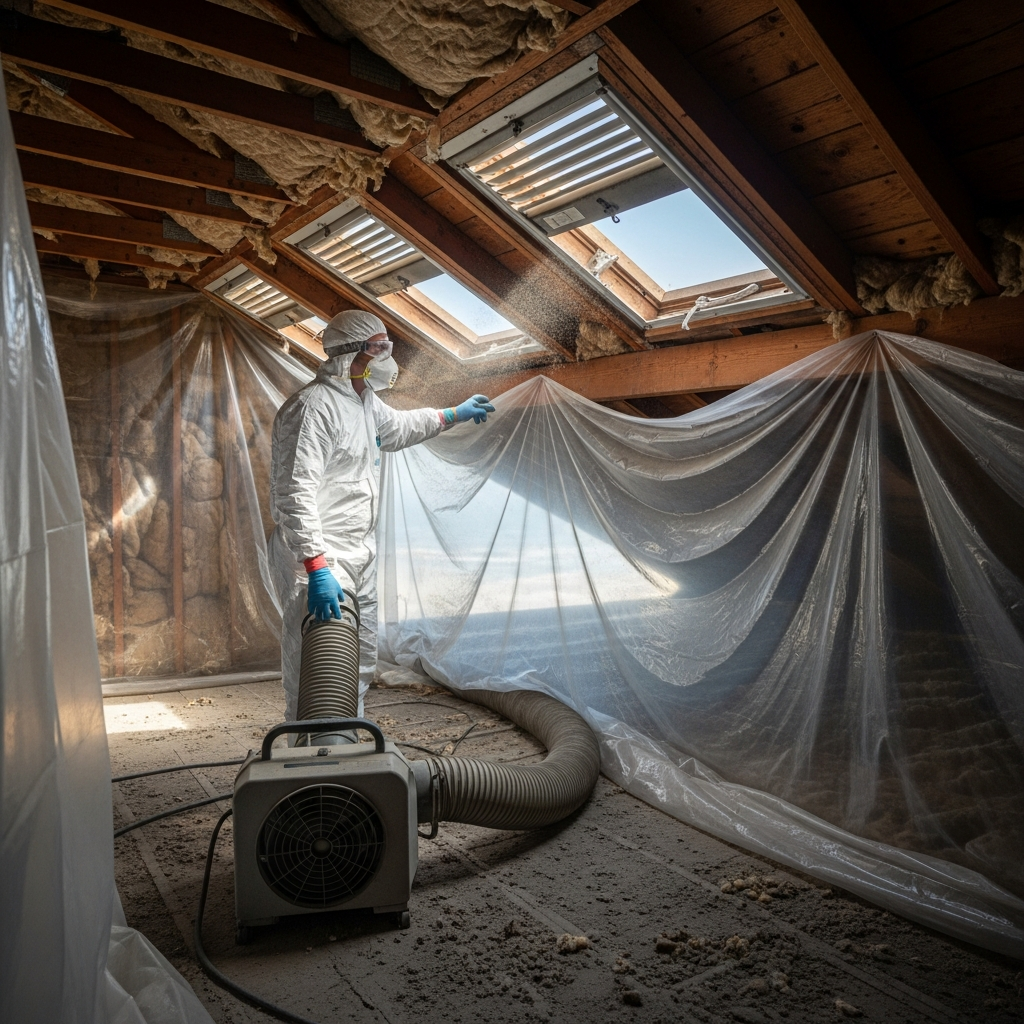
Mechanical systems and voids are the superhighways of smoke. Returns pull particulates into ductwork, where residues cling and later recirculate. Early isolation and filter upgrades help, but thorough inspection determines whether internal cleaning or sealing is warranted. Air handlers, coils, and housings receive special attention; in coastal environments, soot mixed with salt can be unusually corrosive. Attics, too, demand care. Insulation that has trapped fine ash becomes a hidden reservoir. Under containment and negative pressure, contaminated insulation can be removed and replaced, with framing members cleaned and sealed as needed before new materials go in.
On the exterior, ember intrusion points tell a story: vents without ember-resistant screens, gaps at eaves, debris-filled gutters, and mulch beds close to siding. As restoration proceeds, these vulnerabilities can be addressed. Upgrading vents, adjusting landscaping to create defensible space, and attending to roof details reduces future risk without sacrificing the aesthetics that make Malibu living so appealing.
Odor Neutralization That Endures
Lasting odor removal follows a simple truth: you cannot deodorize what has not been cleaned. Source removal leads, followed by techniques designed to reach where smoke traveled. Thermal fogging introduces a fine mist of neutralizing agents that behave like smoke, penetrating the same pores and pathways. Hydroxyl treatment offers a quieter, gentler option suitable for many occupied spaces. Each method is chosen based on materials, occupancy, and ventilation. When the layers are addressed in order—clean, then neutralize—odors do not return with a Santa Ana wind or a humid marine layer.
Smoke-sealing primers are applied strategically on structural elements after cleaning to lock in any residual odors and prepare for finishes. Timing matters. Sealing too early can trap contaminants; sealing too late risks re-soiling. Experienced teams balance these decisions with real-time measurements and visual inspections, ensuring a foundation that supports durable, beautiful results.
Rebuilding with Resilience
Restoration is a chance to fine-tune a home for the realities of Malibu’s wildfire exposure. Ember-resistant venting, improved weatherstripping at doors and windows, and thoughtful air sealing at ceiling penetrations all reduce infiltration during future events. When exterior materials require replacement, selecting assemblies with strong fire performance enhances safety while maintaining architectural intent. Indoors, evaluating filtration and duct sealing elevates everyday air quality and adds a layer of protection when smoke returns to the region.
Landscape choices matter too. Spacing plantings away from structures, choosing less flammable species, and maintaining clean gutters and roofs support the home’s defenses. These changes are most efficient when woven into the restoration plan—handled by the right trade at the right time—so they do not extend the schedule. The best outcomes emerge when resilience is an integral part of the design conversation, not an afterthought.
Living Through Restoration
Malibu households are busy and creative, often blending family life, remote work, and hospitality. Restoration respects that rhythm. With containment and filtration, many homes maintain functional zones: a clean kitchen for meals, a protected workspace, quiet bedrooms away from equipment. Schedules are set to minimize disruption, grouping noisy tasks and coordinating material deliveries around neighborhood flow. Crews communicate clearly—what to expect today, what is next tomorrow—so the process feels manageable rather than mysterious.
Documentation supports confidence. Photographs, readings, and inventories track progress and guide decisions, especially when insurance is involved. For sensitive items—art, instruments, heirlooms—specialty partners join early to stabilize and restore pieces with chain-of-custody procedures. Seeing these personal items return to form often marks the emotional turning point, when a house begins to feel like home again.
What to Expect from a Local Malibu Team
Local knowledge shows up in small, important ways: securing tarps for coastal gusts, staging equipment on tight canyon drives without blocking neighbors, protecting floors and built-ins typical of Malibu design, and planning for marine layer humidity that shifts drying curves. It also shows in communication—transparent, calm, and attentive to your priorities. A strong local team brings the right techniques and the right temperament, making the path from smoky rooms to fresh air feel steady and sure.
Above all, the measure of true restoration is time. Weeks after crews leave, humid mornings and windy afternoons should not resurrect odors. Surfaces should remain clean to the touch, and mechanical systems should run quietly and reliably. When you can throw open the doors to the patio and smell only ocean and cedar, you know the work has done its job.
FAQ: Wildfire Smoke and Fire Damage Restoration
Q: We were not burned, just exposed to smoke. Do we still need professional restoration?
A: Often, yes. Fine particulates can infiltrate attics, ductwork, and textiles, causing persistent odors and potential corrosion. Professional assessment and cleaning prevent long-term issues and protect indoor air quality.
Q: Can we stay in the home during restoration?
A: Many families do, thanks to containment zones and HEPA filtration that maintain clean, livable areas. Your project manager will tailor the plan to your comfort and schedule.
Q: How do you keep cleaned areas from getting dirty again?
A: Careful sequencing and airflow control. Crews establish negative pressure, clean from the top down, and protect paths of travel so particulates move out of the home, not into restored spaces.
Q: Will smoke odors ever fully disappear?
A: With thorough source removal, targeted cleaning, and appropriate deodorization, yes. Success shows when weather changes do not bring smells back. HVAC cleaning and strategic sealing help ensure durability.
Q: What upgrades help for next season?
A: Ember-resistant vents, improved weatherstripping, air sealing around ceiling penetrations, duct sealing, and mindful landscaping all reduce future infiltration. These measures integrate naturally with many restoration plans.
Q: How are artwork and instruments handled?
A: Sensitive items are stabilized, documented, and transferred to specialty conservators when appropriate. Chain-of-custody and condition reports ensure careful treatment and safe return after cleaning and deodorization.
Restore and Fortify Your Malibu Home
If wildfire smoke or flames have touched your property, you deserve a restoration plan that clears the air today and strengthens your home for tomorrow. From careful assessment and deep cleaning to resilience-minded rebuilding, local expertise transforms disruption into a path forward. Begin that journey with trusted Malibu fire damage restoration guidance, and reclaim the comfort, health, and calm that make living here so special.