When wildfires sweep through Malibu, time compresses. Hours feel like minutes, decisions stack quickly, and the first steps you take after the flames pass shape everything that comes next. As a local who has walked properties from Broad Beach to the upper canyons in those first quiet mornings after an evacuation lift, I have learned that steady, informed action is the antidote to overwhelm. Safety, stabilization, and smart sequencing will protect what matters most. If you are beginning to assess your property or preparing a plan in case you ever need one, it helps to review the fundamentals of fire damage restoration and understand how they apply specifically to Malibu’s landscape and microclimates.
In the days after a wildfire, the air carries a complex mix of particulates. Fine soot may not be obvious at first, but it can settle into textiles, HVAC pathways, and the most surprising corners. The marine layer complicates matters near the coast, introducing humidity that can react with residues and encourage corrosion on metals and electronics. In the canyons, wind tunneling can push smoke deep into attic voids and crawlspaces. Every move should be designed to stop the spread of contamination, preserve structural integrity, and create a safe environment for assessment and cleaning.
First Priorities: Safety and Stabilization
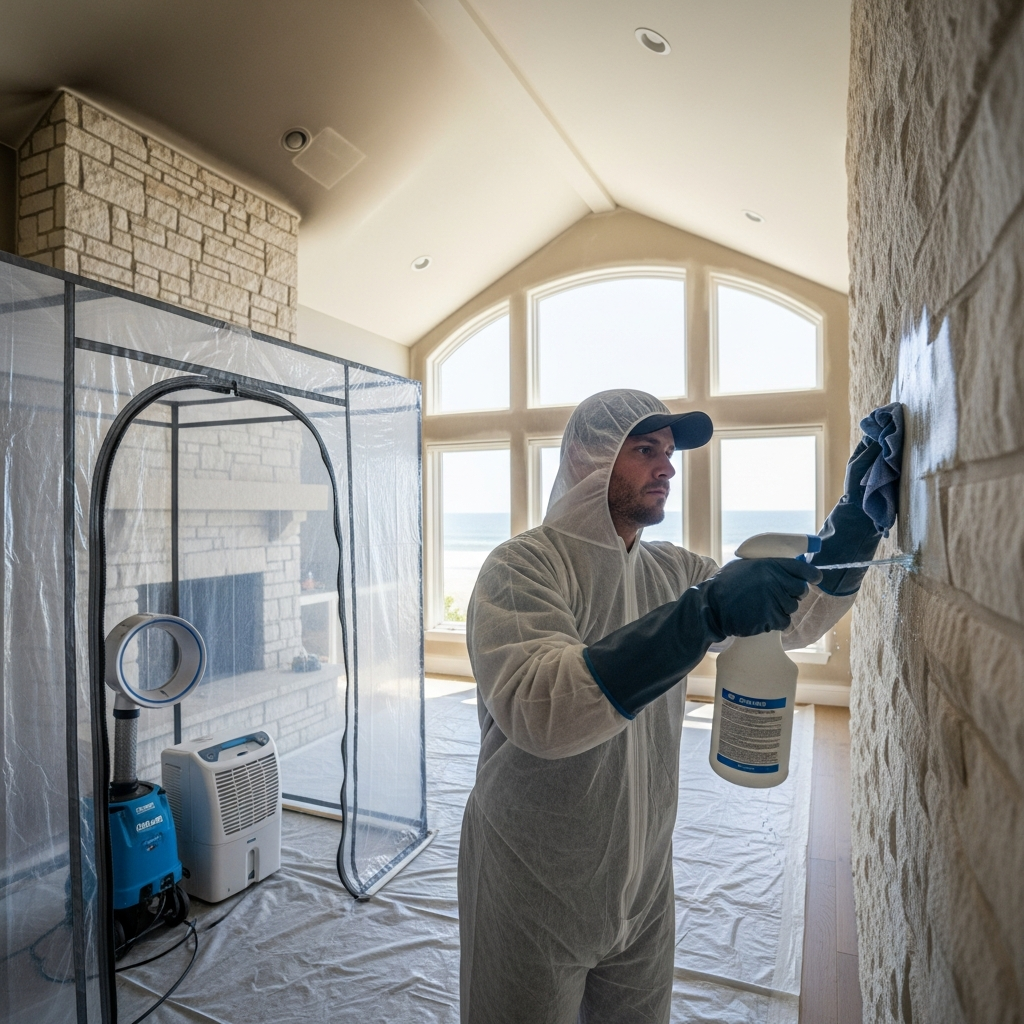
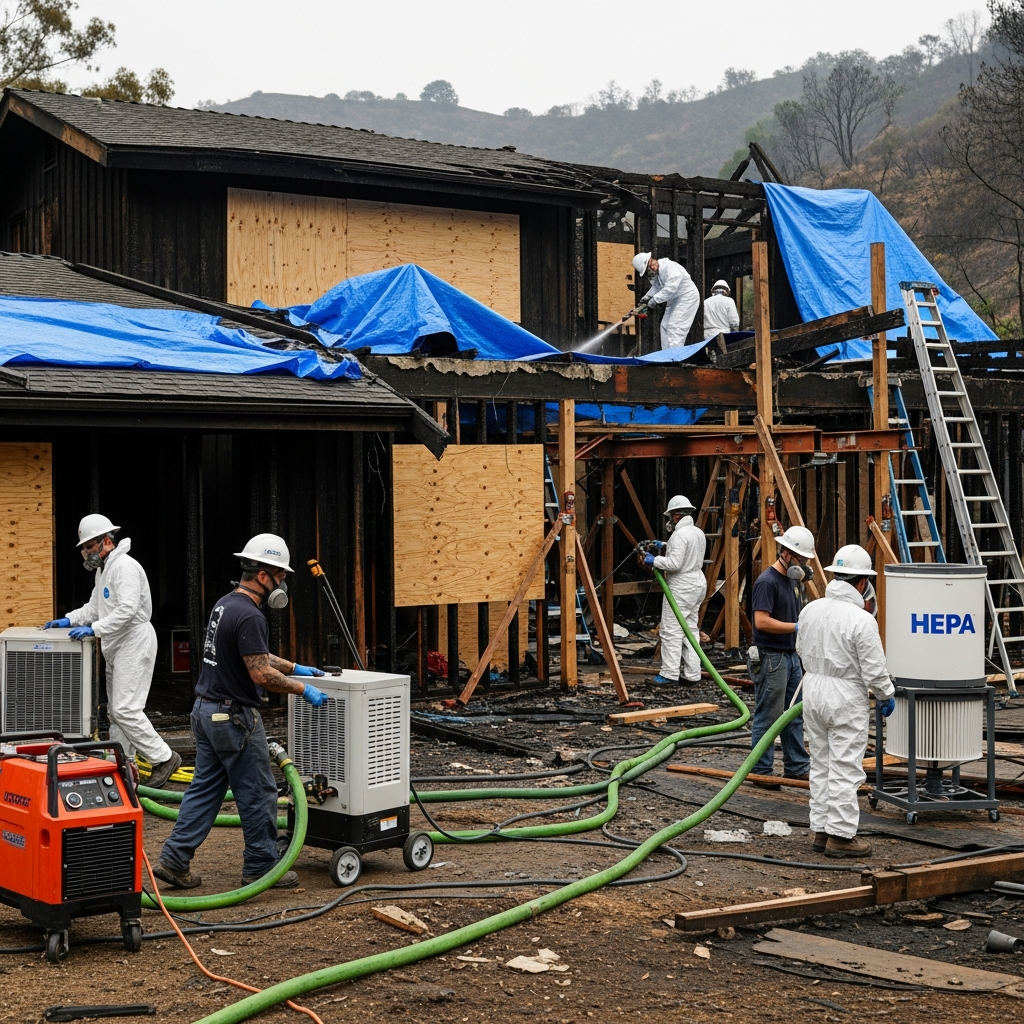
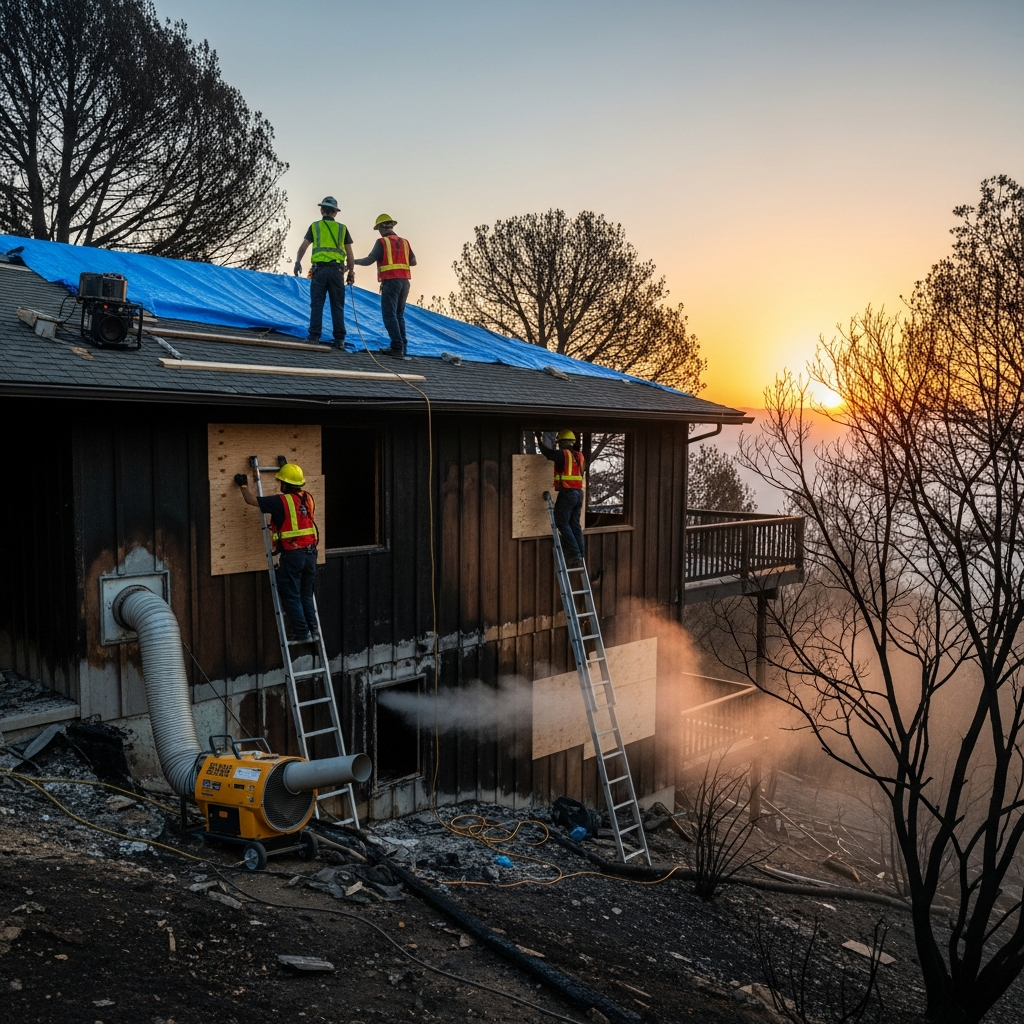
Entry should only occur after the property is cleared for access. Once inside, the focus shifts to structural safety and air quality. Utilities are secured or restored as appropriate; temporary power may be established to run filtration and drying equipment. Containment barriers are installed to isolate impacted zones, and negative air machines with HEPA filtration begin to capture particulates. Board-ups and roof tarps protect against intrusion and overnight moisture. These measures sound technical because they are, but their purpose is simple: defend the home from further harm and prepare it for careful cleaning.
Water introduced during firefighting can migrate quickly. Even if surfaces appear dry, moisture hides under flooring, inside wall cavities, and beneath built-ins. Prompt extraction and controlled dehumidification prevent secondary issues and preserve materials. During this phase, experts take moisture readings and infrared scans to map hidden pockets. That map becomes a guide for targeted drying and selective demolition only where necessary.
Assessing Smoke and Soot
Not all residues behave the same. Natural wood smoke, synthetic materials, and proteins each leave different chemical signatures. Odor clings to some surfaces while leaving others looking deceptively clean. Trained technicians use dry sponges, specialized vacuums, and pH testing to identify materials and choose gentle, effective cleaning methods. The goal is to remove contaminants rather than smear them, to protect finishes, and to achieve a neutral base before rebuilding begins.
HVAC systems require special attention. Running a system too early can distribute particulates throughout the home. Registers are sealed during cleaning, filters are upgraded appropriately, and duct cleaning is scheduled before finish work. In Malibu’s microclimates, where windows are often open and air movement is part of daily life, ensuring that the air pathways in your home are truly clean is non-negotiable.
Protecting Belongings and High-Value Items
Contents triage is both technical and emotional. Items that are stable and cleanable on site remain in place with protective coverings. Delicate textiles, instruments, and electronics may be packed and moved to climate-controlled facilities for specialized treatment. Cataloging is thorough, with photo documentation and clear labeling. For sentimental pieces, it helps to share their stories with the team; understanding their significance guides prioritization and conservation choices.
Malibu homes often include custom art, unique finishes, and personal collections. Restoration professionals coordinate with conservators and specialty vendors to ensure items receive appropriate care. This is where experience shows: knowing when to stabilize, when to clean, and when to pause for expert input makes all the difference.
Communication and Coordination
During wildfire seasons, many families and businesses are navigating recovery at once. Strong contractors maintain predictable communication with homeowners, insurers, and building officials. Weekly updates, clear milestones, and shared photo logs keep everyone aligned. In Malibu, where neighbors value privacy and calm, respectful staging and tidy job sites also matter. The professionalism you see outside is usually a reliable indicator of the care being taken inside.
From Emergency Response to Deep Cleaning
After the immediate response phase, cleaning and deodorization take center stage. Dry cleaning techniques lift loose soot from walls, ceilings, and floors without pushing it deeper. Wet cleaning, when indicated, is carefully controlled to avoid over-wetting sensitive materials. Odor removal strategies are matched to the chemistry of the residues, always with the aim of achieving a truly neutral interior environment. When cleaning is complete and readings confirm a stable baseline, selective demolition opens hidden cavities that require direct access. Each action is documented, methodical, and sequenced to avoid backtracking.
At this point, questions often arise about how to compare approaches from different companies. The best answer is to look for a balance of science and craftsmanship. You want a team that can explain particulate capture and building envelope behavior, then turn around and discuss color matching and finish sheen with your designer. Malibu is a place where both mindsets are necessary and welcome.
Why Malibu’s Geography Matters
Geography shapes strategy. Cliffside homes face salt air and gusts that test containments. Canyon properties encounter embers riding wind currents and settling in eaves and under decks. Ranch-style homes may have expansive attics connected through soffits that act like highways for smoke. Each layout demands custom containment and a thoughtful plan for accessing hidden spaces. The plan should be flexible, too; afternoon winds or heavy marine layers can change site conditions in hours, not days. Local teams anticipate these shifts and adjust without drama.
Permitting can intersect with emergency work, especially when exterior elements need replacement. Experienced crews prepare clear submittals and coordinate inspections so recovery continues without unnecessary pauses. They know the rhythm of local agencies and maintain the kind of professional relationships that help projects move.
Preparing for the Rebuild
Once the structure is clean, dry, and odor-free, attention turns to reconstruction. Here, sequencing is again critical. Insulation and drywall follow confirmed deodorization; painting waits for HVAC cleaning. Finish carpentry, tile, and cabinetry return the home’s character, often with subtle refinements to improve resilience. Homeowners sometimes choose to modernize mechanical systems and filtration to better manage future smoke events. Good teams present options without pressure, aligning choices with your lifestyle and goals.
In Malibu, craftsmanship is personal. Many homes are custom, and even production elements have been modified over time. The right contractor will collaborate with you and your design partners to blend new work into existing spaces seamlessly. The measure of success is how naturally the rooms feel when you are back to living in them, not how quickly a punch list was closed.
Mid-Process Checkpoints
Halfway through any restoration, it is healthy to pause for a joint review. Are odors gone across all weather conditions? Are moisture readings stable? Are HVAC pathways clean and filters performing as expected? Using a simple, shared checklist keeps the team and the homeowner aligned and avoids surprises as finish work accelerates. This is where an educational resource on Malibu fire damage restoration principles can help frame the conversation and ensure no critical step is skipped.
Emotional Recovery Matters Too
Wildfire recovery is not just a construction project. It is a return to routine, to a favorite view through a kitchen window, to the feel of a handrail on the way downstairs. Professionals who do this work well understand that the cadence of communication and the respect shown to belongings is as important as the technical execution. A good team leaves a property not only cleaner and safer, but calmer—ready for the quieter phase of rebuilding.
FAQ: Answers for the First Days After a Wildfire
When should I call a restoration professional? As soon as your property is accessible and safe. Rapid stabilization prevents secondary issues and preserves more of what can be saved.
Can I start cleaning soot myself? It is best to wait. Improper cleaning can set stains and spread residues. Professionals will use techniques matched to your finishes and the specific residues present.
Is the odor permanent? Odor is persistent but not permanent when addressed properly. Removal of residues, HVAC cleaning, and targeted deodorization return interiors to a neutral state.
What happens to my artwork and electronics? Items are assessed individually. Many can be stabilized and cleaned, sometimes with help from specialty conservators. Early attention is key to reducing corrosion risk.
Can we live in part of the home during work? Sometimes, with proper containment and air filtration. Your health and comfort lead the decision, and experienced teams will guide you through options.
How do wildfires change the plan versus a single-room fire? Wildfires often affect larger areas with fine soot infiltration. The plan emphasizes containment, HVAC care, and broad deodorization strategies.
What if access to my home is challenging? Local crews plan for hillside logistics, coordinate deliveries, and maintain tidy job sites to respect neighbors and keep work flowing.
When you are ready to move from worry to action and want a calm, capable guide at your side, reach out to trusted local fire damage restoration experts who will stabilize, clean, and rebuild with the care Malibu families deserve.