When restoration wraps and the last air scrubber leaves your driveway, Malibu has a way of welcoming you back to everyday life—sea air on the deck at sunrise, the soft thrum of PCH in the distance, and rooms that finally smell like home again. Yet the work isn’t truly finished when the crew departs. The months that follow are crucial for protecting your home’s renewed health and for building habits that keep indoor air clean, materials stable, and systems running smoothly. Post-restoration maintenance in Malibu carries its own rhythm, responding to our coastal microclimate, hillside topography, and the architectural choices that make homes here so distinctive. With a few thoughtful routines and a partnership mindset with local fire damage restoration professionals, you can turn a difficult chapter into a stronger, more resilient way of living.
Think of the post-restoration period as a glide path. The structure is clean, dry, and safe; now you are fine-tuning. The key is to preserve gains made during mitigation and prevent small issues from building into larger problems. Malibu’s climate—cool, damp mornings followed by bright, warm afternoons—invites fresh air, but it can also carry particulates and humidity that work against a newly restored interior. Balancing air exchange, filtration, and moisture control makes the difference.
Staying Ahead of Indoor Air Quality
After a fire event, your HVAC likely received careful attention: duct cleaning, coil inspection, and upgraded filters. Maintain that trajectory with a filter schedule that reflects actual use and local conditions. In smoky seasons or during nearby brush burns, step up the frequency. Keep a log near the air handler or a reminder on your calendar. This diligence protects lungs and preserves the hard-won cleanliness of surfaces, textiles, and finishes.
Ventilation strategy matters, too. On days when offshore winds push dry air, controlled fresh-air intake can be beneficial, especially during the afternoon when humidity drops. When the marine layer rolls in, limit wide-open windows in favor of shorter, targeted ventilation periods. Pairing these habits with indoor air monitors helps you see patterns—spikes that suggest a filter change or windows closed a bit earlier than usual. Think of it as tuning your home to the coast’s daily song.
Moisture Control for a Coastal Microclimate
Moisture is both friend and foe. It keeps wood from overdrying, but too much invites microbial growth and sticky odors. A hygrometer in key rooms—kitchen, primary bedroom, and any lower-level spaces—gives you a quick read on relative humidity. Aim for a steady band that materials tolerate well. Dehumidification can be helpful on foggy mornings, while a little supplemental heat on a cool, damp day encourages comfortable, balanced air. If you sense mustiness in a closet or behind a built-in, don’t ignore it; investigate to ensure a hidden leak or an unvented space isn’t undoing prior work.
Protecting Finishes and Materials
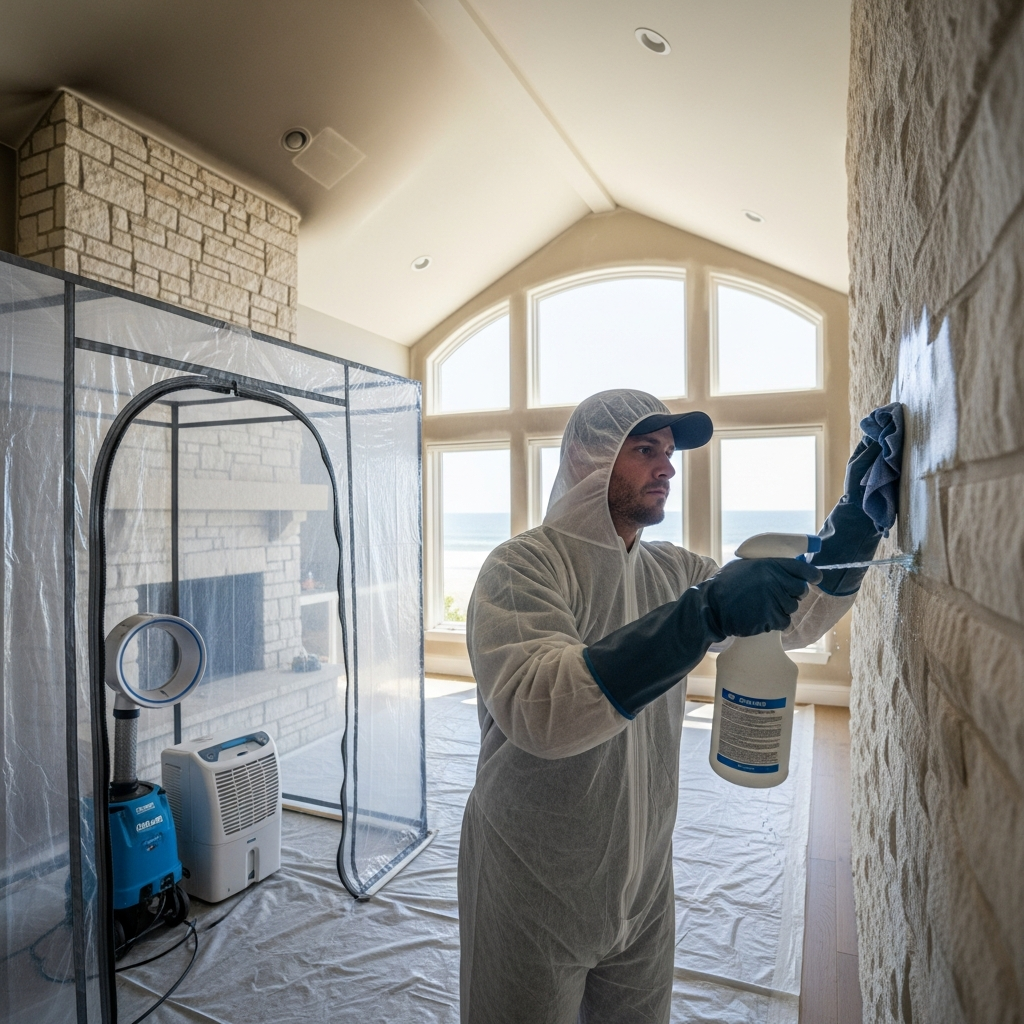
Restoration often includes deep cleaning and resealing. Keep those finishes in good shape with regular dusting using HEPA-capable vacuums and microfiber cloths that lift rather than smear. For natural stone and concrete, follow the maintenance plan recommended after sealing, including pH-appropriate cleaners. On metal surfaces near exterior doors or open windows, a gentle wipe-down after foggy nights curbs the salt-and-soot cocktail that can encourage corrosion. Malibu’s climate is forgiving, but it rewards attentiveness—small actions that prevent long-term wear.
HVAC and Vent Details that Matter
Register and vent upgrades installed during restoration—especially ember-resistant models—deserve periodic inspection. Check that screens remain clear and that weather seals at doors and windows remain tight. A tiny gap at an attic hatch or around a recessed light can admit particulates and interrupt the pressure balance that keeps clean air where you want it. If your system includes energy recovery ventilation or advanced filtration, schedule seasonal check-ins so settings match the time of year and your occupancy patterns.
Textiles, Rugs, and Soft Goods
Rugs, draperies, and upholstery benefit from gentle, regular care after restoration. Vacuum with HEPA-equipped tools and avoid harsh deodorizers that can mask subtle signals of an issue. If an area rug begins to hold a stale scent after a humid week, consider a professional refresh to reset the baseline. For bedding and closet textiles, breathable storage and occasional sun-and-air sessions on dry afternoons keep them crisp without introducing moisture.
Electronics and Appliances
If your restoration included stabilization of electronics after smoke exposure, maintain those wins with clean, dry storage and dust control. Avoid placing devices directly in salt-air pathways—say, a window ledge that lives open at sunset. For stainless appliances and fixtures, a quick wipe after high-humidity periods keeps micro-corrosion at bay. It’s about respecting the materials and conditions that define coastal life.
Exterior Pathways and Defensible Space
Fire taught all of us to watch the edges. Make a seasonal habit of walking the perimeter with an eye for leaf build-up in gutters, gaps at eaves, and vegetation that’s migrated too close to vents or decks. Ember-resistant vents and sealed penetrations installed during restoration are a solid foundation, but keeping pathways clear sustains their effectiveness. Malibu’s beauty is wild by nature; simple, recurring attention helps your home coexist safely with that wildness.
Monitoring for Recurring Odor or Moisture
Occasional checks—opening a base cabinet along an exterior wall, lifting a rug corner near a slider, or peeking into an attic hatch—can reveal early signs of trouble. If you notice a faint smoky note after a heatwave or a musty pocket after a foggy spell, reach out to your restoration partner. Early interventions are typically straightforward, and tackling them quickly prevents small setbacks from growing into larger remedial projects.
Documentation as a Living Record
Keep your restoration documentation handy: moisture maps, clearance notes, and any product literature for sealants or finishes. Treat it as a living record. Jot down filter changes, IAQ readings after a Santa Ana week, or adjustments to your ventilation routine. This running log turns guesswork into data, making conversations with service providers more productive and giving you confidence that your home is performing as it should.
Community Rhythm and Human Factors
Maintenance succeeds when it aligns with real life. Tie filter checks to milestones you won’t forget—first day of school, time change weekends, or the start of surf contest season. Share tasks among family members so no one person shoulders it all. Our neighborhoods are generous with advice; don’t hesitate to ask a neighbor how they handle fog-heavy weeks or a nearby burn. Local wisdom, shared over a fence or at the market, keeps everyone safer.
When to Call for a Professional Check
Even with diligent care, there are moments for a professional look: after an unusually heavy smoke day in the region, if you’ve had a minor leak, or when indoor air monitors show persistent anomalies. A short site visit can recalibrate filtration, confirm that drying remains stable, and refresh deodorization where fabrics or cavities picked up ambient odor. Think of it like a tune-up—quick, targeted, and meant to protect the work already accomplished.
Midway through the first year post-restoration, many homeowners consider whether a deeper maintenance visit makes sense. In my experience, a structured check-in that includes duct inspection, a scan of vulnerable cavities, and a review of exterior pathways offers peace of mind. Partnering with professional fire damage restoration specialists for that session ensures you benefit from trained eyes, calibrated instruments, and local familiarity with seasonal shifts that influence Malibu homes.
Protecting Architectural Character
Malibu homes often feature bespoke finishes—limewashed walls, reclaimed beams, or blackened steel accents—that deserve thoughtful care. Ask your restoration team for finish-specific maintenance notes if you haven’t already. Avoid aggressive cleaners and embrace the slower, steadier approach that respects patina and texture. Your goal is to retain the calm, coastal character that drew you to the home while ensuring surfaces age gracefully.
Preparing for the Next Red Flag Day
Resilience planning doesn’t end with reconstruction. Review your go-bags, backup power strategies, and family communication plans twice a year. Confirm that ember-resistant vent screens remain intact and that attic and crawlspace access points close tightly. If you’ve made upgrades to windows or exterior doors, check weather-stripping and latching for a snug fit. These quiet, preventative moves allow you to face the driest days with more confidence.
Frequently Asked Questions
How often should I replace HVAC filters after restoration?
Start with monthly checks for the first few months and adjust based on what you see and the season. During regional smoke events or heavy use, increase frequency. Over time, many homes settle into a steady rhythm tied to occupancy and outdoor air quality.
Will smoke odor come back when it’s humid?
If restoration addressed source materials and applied advanced deodorization, odor should not return. However, high humidity can make residual scents more noticeable. If you detect a persistent smell, a targeted check of cavities, ducts, and porous materials can pinpoint and resolve it.
Are there cleaners I should avoid on newly restored surfaces?
Yes. Skip harsh, highly acidic or highly alkaline products unless specifically recommended for a surface. Use pH-appropriate cleaners for stone, sealed concrete, and finishes noted in your restoration documentation. When in doubt, test in an inconspicuous area first.
Do I need professional duct cleaning again within the first year?
Not typically, if the system was thoroughly cleaned during restoration and filters are maintained. That said, after a major regional smoke event or renovations that produce dust, an inspection can confirm whether another cleaning is warranted.
What’s the best way to manage windows and fresh air?
Let outdoor conditions guide you. Favor shorter ventilation periods during foggy mornings and longer ones when afternoon humidity dips. If outdoor smoke is present, close up and rely on filtration until conditions improve.
How can I tell if moisture is becoming a problem again?
Use a simple hygrometer and your senses. Watch for persistent readings outside your target range, condensation on windows, or mustiness in enclosed areas. Early attention—often just a dehumidifier run or a ventilation tweak—prevents bigger issues.
When you’re ready to lock in the gains of your restoration and enjoy Malibu living with confidence, connect with a team that knows the coast’s rhythms and your home’s unique story. For guidance, seasonal tune-ups, or a reassuring walk-through, reach out to trusted experts in Malibu fire damage restoration who can help you keep the air clear, the materials sound, and the peace intact.