When a fire touches a Malibu home, the first wave is always emotional: relief that loved ones are safe, grief for what changed in a single night, and the quick realization that recovery requires careful planning. In conversations around the neighborhood—whether up in the canyons or closer to the coast—the question inevitably comes up about the work that lies ahead and what drives the effort required to make a home feel whole again. In the earliest hours, it helps to understand how the scope of fire damage restoration is shaped in Malibu, because the unique blend of ocean air, hillside terrain, and custom architecture means every project follows its own path, guided by the home’s materials, the trajectory of the fire, and the measures used to put it out.
Malibu has a rhythm all its own. The same breezes that make sunsets glow can push smoke into attic voids and wall cavities, and the same rustic hillside roads that give us privacy complicate access for crews and equipment. There isn’t a universal template for what comes next; rather, there is a methodical, deeply local evaluation that looks at burn patterns, smoke travel, and water intrusion. This evaluation informs how the team protects what’s salvageable, how air is scrubbed, how surfaces are cleaned, and how structure is repaired. Thinking in these terms clarifies why two homes that look similar from the street can demand very different scopes of work once you step inside.
How Malibu’s Environment Shapes the Work
Coastal humidity and salt air interact with smoke residues in ways that can accelerate corrosion. After a fire, metal fixtures, appliances, and electronics don’t simply sit idle; they can begin to deteriorate as chlorides mingle with soot, sometimes leaving a fine, almost invisible film on glass and stainless surfaces. Inland winds can coat rafters in detached garages, and ocean drizzle can rehydrate settled soot, making odors return when a morning marine layer rolls through. These localized dynamics push restoration teams to move quickly on air quality control, corrosion mitigation, and careful handling of contents, all of which influence the overall effort required.
Malibu’s architecture contributes to complexity too. Many homes here blend stucco exteriors with wood-beamed ceilings, open floor plans, and large window systems. Where there are exposed rafters, smoke can permeate deep into porous wood. Where there are custom finishes—limewash, Venetian plaster, hand-oiled floors—cleaning methods must be tailored. Restoration is as much a craft as a science, and the more specialized the finishes, the more testing and sample cleaning are required to chart a path that protects the home’s character while addressing safety and hygiene.
The Difference Between Direct Fire Damage and Smoke Impact
Direct fire damage tends to be visually obvious—charred framing, blistered paint, and warped windows. Smoke and soot, however, can travel far beyond the burn area. In Malibu’s canyon homes, convection currents draw soot to cooler zones: closets, the backs of cabinets, attic spaces beyond the main living area. Soot types vary too; protein-based residues from a kitchen incident behave very differently than dry soot from a wind-driven wildfire. Understanding these nuances matters because methods that work well on one residue can smear or set another, and that can change how many passes of cleaning are needed and which deodorization techniques are most effective.
Odor is another subtle force that shapes the work. People often report a smoky tang strongest in the mornings or when the heat kicks on. That’s because temperature swings agitate residues within porous materials like drywall and framing. Proper deodorization isn’t a single-step fix; it’s the result of layered processes—source removal, detailed cleaning, and then odor neutralization that might include hydroxyl generators or thermal fogging. Each choice is guided by testing, and in coastal towns like ours, ventilation strategies must account for salt air so odor treatment doesn’t inadvertently introduce moisture to sensitive materials.
Water, Moisture, and Why Drying Comes First
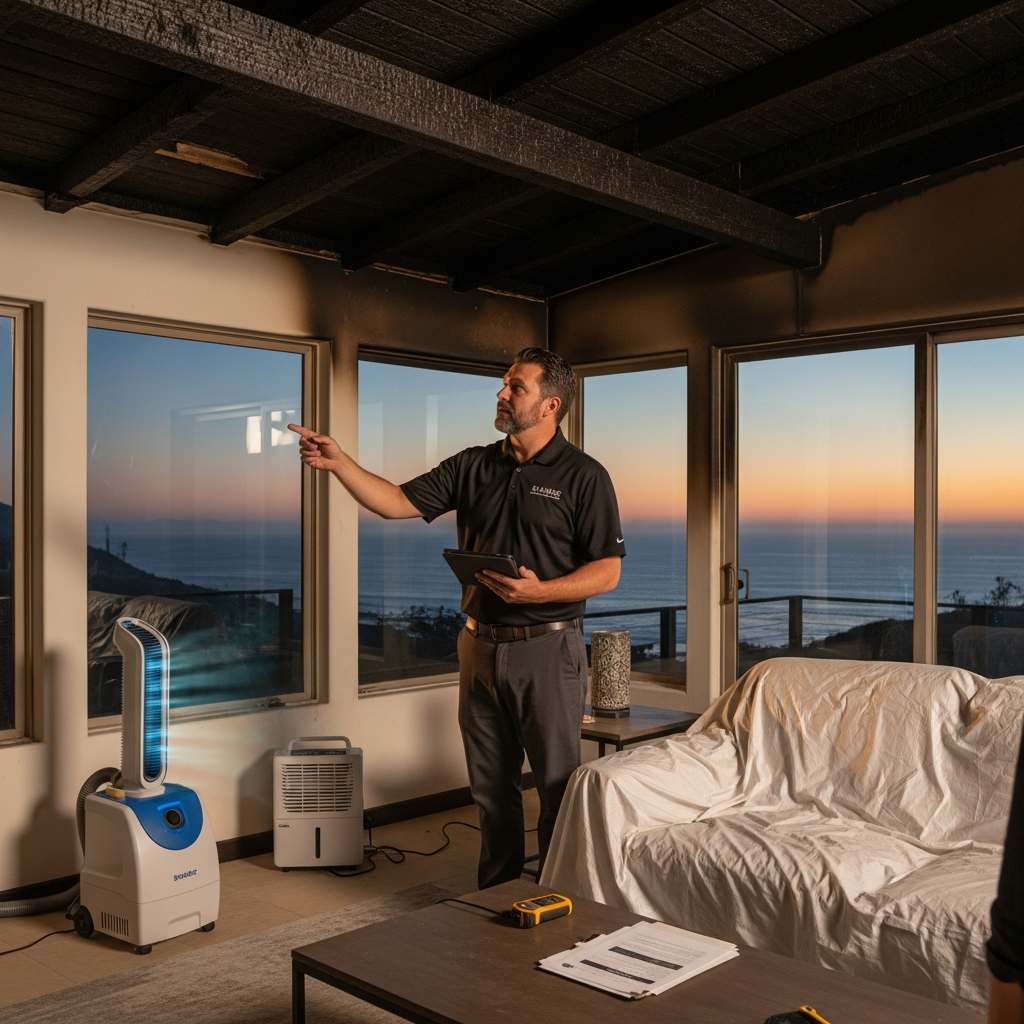
Even small indoor fires often involve large amounts of water from suppression. Water can migrate under stone floors, wick into baseboards, and settle in insulation. Before anything else, the work focuses on controlled drying and dehumidification, because moisture left behind can lead to secondary damage like swelling, staining, or microbial growth. In Malibu, where nights cool quickly and mornings can bring a marine layer, drying plans often run in cycles to balance temperature, humidity, and airflow. Thermal imaging and moisture meters guide the effort, ensuring hidden cavities are addressed without unnecessary demolition.
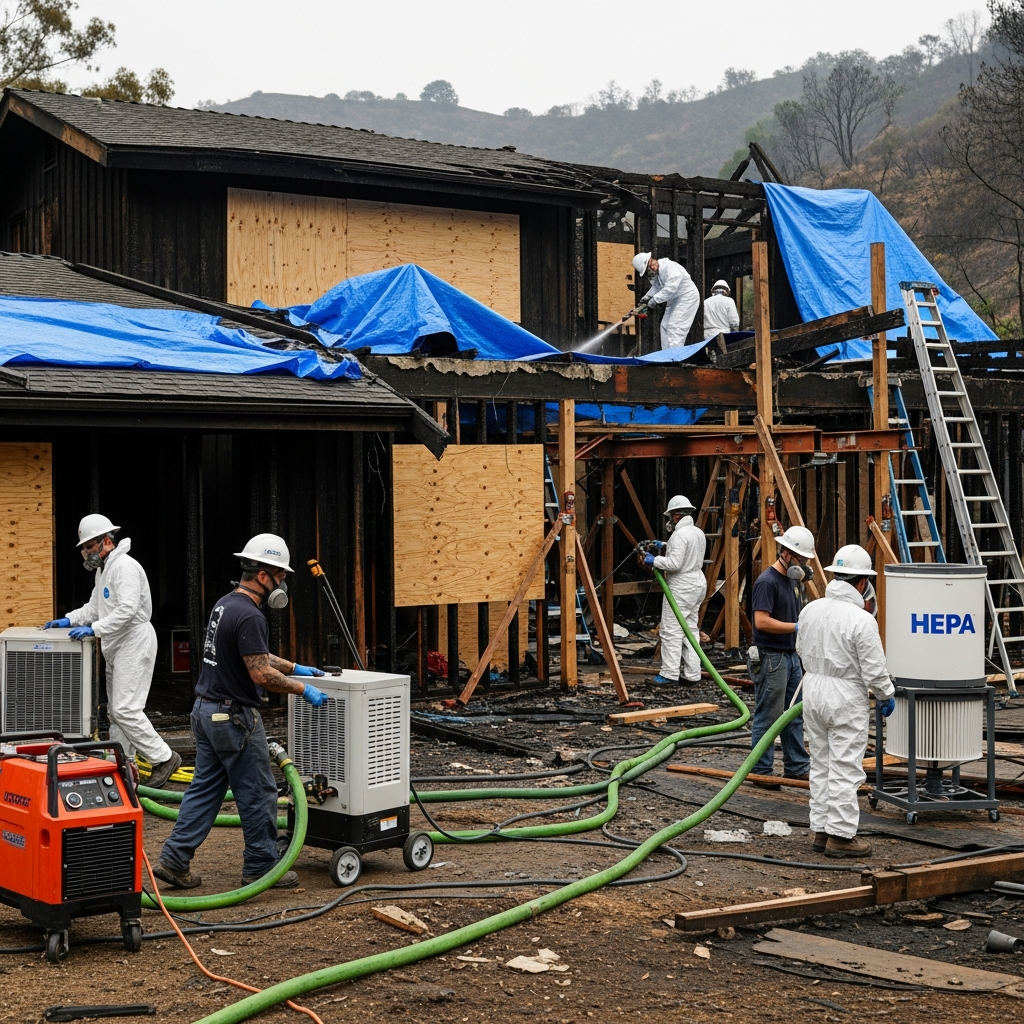
Where access is limited—think winding hillside drives or narrow easements—staging equipment becomes part of the strategy. Teams may use smaller, more numerous units, adjust schedules to the terrain, and protect landscaping or natural slopes from hoses and cables. All of that planning falls under the heading of logistics, a behind-the-scenes factor that significantly shapes the scope of work while preserving the property’s unique setting.
Materials, Finishes, and Specialized Care
Homes here often feature custom cabinetry, hand-laid tile, and high-performance glazing. Each material responds differently to heat, soot, and moisture. Natural stone may require poulticing to draw out stains. Engineered floors might be saved with rapid response and targeted drying, while solid hardwood can sometimes be sanded and refinished if cupping is mild and the boards haven’t lost structural integrity. Meanwhile, painted surfaces might call for encapsulating primers if odor persists after cleaning, especially on raw wood where smoke penetrated deeply. These decisions are made room by room, surface by surface, with sample areas tested before committing to the full method.
Contents are a world of their own. Fine textiles, artwork, and instruments all have specific care pathways. Malibu homeowners often keep surfboards in garages and beach gear in mudrooms, all of which collect residue in fibrous straps, neoprene, and foam cores. Restoration pros triage these items early, separating those that need immediate attention from those that can wait, while carefully documenting condition and treatment steps. The goal is always to save what can be saved and to provide clarity where replacement is the wiser path, all while respecting sentimental value.
Air Quality Control and Odor Neutralization
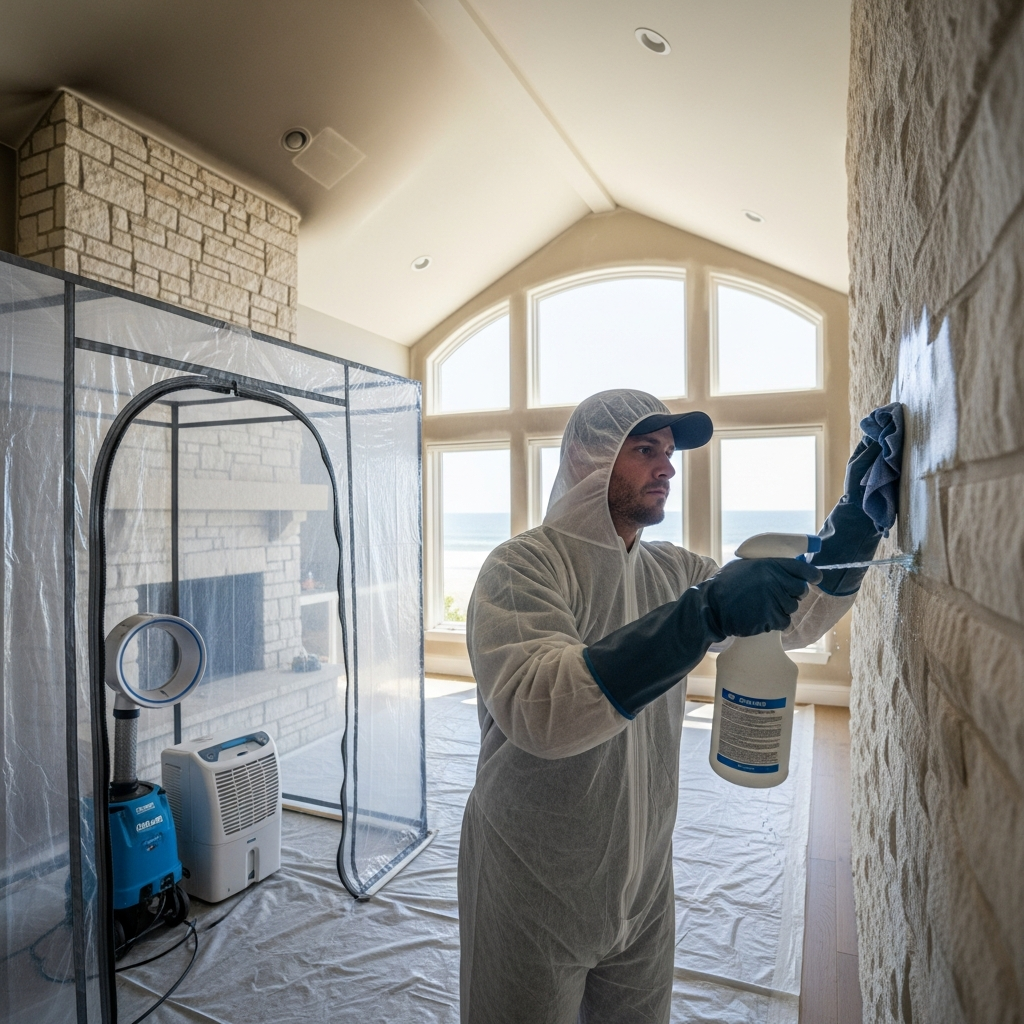
From the first mobilization, crews deploy HEPA air scrubbers and negative air setups to capture airborne particulates. In Malibu’s open-plan homes, containment—plastic walls and zipper doors—helps isolate work zones so the rest of the home remains as livable as possible. Deodorization follows cleaning, never before, because sealing in residues only pushes odors into the future. The right balance of cleaning chemistry and neutralization depends on residue type, surface porosity, and ventilation patterns. That’s why testing matters: a quick series of small trials can save hours of rework and help ensure that odors don’t surge back when humidity rises.
One reason timelines can stretch or compress is how quickly odor levels drop after source removal. In some homes, a consistent run of air scrubbing and targeted cleaning brings the indoor air back to neutral more quickly than expected. In others—particularly those with accessible but extensive attic spaces—the process is more deliberate, because recessed light cans, wiring chases, and insulation can trap residues that must be physically addressed. Mid-course adjustments are normal and reflect the science of what the building reveals as layers of contamination are removed.
HVAC, Ducting, and Hidden Pathways
HVAC systems are a common pathway for smoke. Even systems that were off during the event can draw particulate simply by being located in affected spaces. In Malibu, some homes rely on mini-splits, others on conventional forced air systems, and many integrate sophisticated filtration. Proper restoration evaluates returns, registers, coils, and plenums, and it may pair duct cleaning with filter upgrades compatible with the system’s specifications. This is not just about comfort; it’s about preventing recontamination after rooms have been detailed. The attention given to HVAC often determines whether lingering odors will return weeks later when the first warm afternoon prompts the system to cycle.
Electrical spaces, low-voltage wiring, and control rooms for home automation are delicate areas, too. These components can be sensitive to corrosive residues, so they’re often inspected early, with protective measures taken to stabilize conditions until specialists can assess functionality. Where possible, documentation includes pre- and post-cleaning images to align with insurance requirements and future maintenance records.
Permitting, Codes, and Rebuilding Dynamics
Once emergency stabilization and cleaning are underway, the conversation shifts toward repair planning. Malibu’s permitting environment aims to protect both homeowners and the surrounding landscape. That means structural repairs, window replacements, and exterior work often pass through a formal review. Code upgrades—energy efficiency, safety improvements, ember-resistant vents—are common in coastal wildfire zones and can influence how repairs are sequenced. The pathway is navigable with a team accustomed to Malibu’s process, and while it adds steps, it also ensures the home returns stronger and more resilient than before.
Some repairs are straightforward—repaint a room after cleaning, replace a vanity that suffered heat damage—while others invite design choices, as when opening a wall reveals older wiring or framing worth improving. Each decision is guided by a balance of preserving the home’s spirit and meeting current standards. Communication is everything: when homeowners understand the why behind a recommendation, they can prioritize confidently, shaping the project in ways that feel right for the household.
Documentation and Collaboration
Clear, thorough documentation supports both quality control and insurance interactions. Malibu projects often include a blend of photography, moisture readings, testing notes, and a narrative that explains why certain materials are being removed or restored. This record helps align expectations, minimize surprises, and create a common language among homeowners, restoration teams, adjusters, and any specialists who join the effort. When the record shows a thoughtful path—what was tested, what responded well, what needed a different approach—everyone moves together more smoothly.
Midway through many projects, homeowners ask how to keep momentum while ensuring that no step is rushed. The answer lies in sequencing: containment before cleaning, drying before repairs, and verification before moving forward. That approach applies whether the project centers on a living room impacted by smoke or an entire wing with structural repairs. Pairing the science of building behavior with the craft of finish work is what defines professional fire damage restoration in Malibu, and it’s why the most successful projects feel calm and methodical, even when the to-do list is long.
Common Pitfalls and How to Avoid Them
One pitfall is skipping source removal and jumping straight to deodorization. Another is underestimating how far smoke traveled, especially into closed storage or behind built-ins. In coastal homes, failing to address corrosion early can also complicate future appliance performance. Avoiding these traps is about discipline: test first, clean thoroughly, ventilate appropriately, and then neutralize odors. If surprises emerge—say, a concealed chase with heavy residue—the plan adjusts, ensuring that downstream work remains protected.
Homeowners often want to help, and there are good ways to do so. Opening windows safely when weather permits can support ventilation, provided the marine layer isn’t adding moisture. Bagging and isolating severely affected textiles can prevent cross-contamination. Avoid DIY cleaning of delicate finishes, however, because incorrect products can bond residues to surfaces, complicating later steps. The best contribution is often organizational: noting rooms in order of family priority, flagging heirlooms for early attention, and communicating daily comfort needs so crews can set up zones that keep life moving.
Why Local Knowledge Matters
Experience with Malibu’s neighborhoods—Latigo, Point Dume, Malibu Park, Serra Retreat—matters because each area has its quirks: wind channels, access constraints, and construction styles that recur. A team that knows which canyon road narrows around a particular bend, or how coastal fog behaves in a certain valley, can plan equipment, staging, and workflow accordingly. This know-how makes the work more precise and less disruptive, and it helps the home transition from stabilization to repair with fewer detours.
Local knowledge also shows up in material choices. For example, sealing attic wood after cleaning might involve products proven to perform in coastal climates. Similarly, odor treatment schedules adjust to the pattern of warm afternoons and cool evenings. These aren’t abstract details; they are the daily rhythm of Malibu life, and aligning the work with that rhythm makes recovery feel more natural.
A Glimpse at a Typical Malibu Scenario
Picture a home above the highway with a modest kitchen incident that produced significant smoke. Firefighters responded quickly, and water reached the adjacent family room. The evaluation reveals light charring in a small area, moderate soot on cabinets, and moisture wicking into baseboards. The restoration plan sequences safety, drying, detailed cleaning, odor neutralization, and targeted repairs, all while preserving access for family routines and protecting ocean-view windows from construction dust. The owner’s surfboards in the garage get early attention to prevent corrosion on fin hardware, and HVAC returns are addressed before the first warm afternoon. The work feels measured, yet it moves steadily, echoing the confidence that comes from doing the right step at the right time.
In another scenario, a wind-driven wildfire sends smoke into a stucco home with open beams. The main living space is unharmed by flames, but residues settled across rafters and into the attic. Here, the sequence leans more heavily on containment, attic access, insulation decisions, and post-cleaning encapsulation of exposed framing. Again, the roadmap follows testing and the home’s own details, not a generic checklist. The finish line is the same: a safe, comfortable space that smells like itself again.
Setting Expectations and Staying Grounded
Timelines ebb and flow. Early days feel busy with assessments and setup. Then comes the detailed, steady work of cleaning, drying, and verifying. Many homeowners find it helpful to focus on milestones rather than dates: containment in place, drying stabilized, source materials removed, odor levels dropping, and rooms handed back one by one. This mindset keeps momentum and builds confidence. Daily or weekly check-ins with the project lead make a tangible difference, transforming a complex process into a series of understandable steps.
Through each phase, it helps to remember that restoration is about more than surfaces. It’s about returning routines—morning coffee by the window, dinner with friends, a quiet night’s sleep when the wind rises. Each decision, from choosing the right cleaning pad to sequencing insulation replacement, serves that larger goal. When a team shares that perspective, the work feels collaborative, respectful, and deeply attuned to what home means in Malibu.
Frequently Asked Questions
How is the scope of work determined after a Malibu fire?
It begins with safety and a thorough evaluation of burn patterns, smoke travel, and water intrusion, supported by moisture readings and sample cleaning. The plan is then sequenced—stabilize, dry, clean, deodorize, repair—adjusting as the building reveals more detail.
What makes Malibu homes uniquely challenging to restore?
Coastal humidity, salt air, and hillside access blend with custom finishes and open-beam architecture. These elements affect corrosion rates, odor behavior, equipment staging, and the cleaning techniques chosen for delicate materials.
Can smoke odors truly be eliminated?
Yes, with proper source removal and layered deodorization aligned to residue type and building ventilation. Skipping steps or relying on perfume-like coverups leads to recurrence, especially with marine layer moisture swings.
How important is HVAC cleaning after a fire?
Very important. Ducts, returns, and coils can recirculate soot and odor. Evaluating and addressing the system prevents recontamination and stabilizes indoor air quality as rooms are turned back over to the family.
What role does permitting play in repairs?
Structural work, exterior changes, and certain system upgrades move through Malibu’s permitting process to ensure safety and resilience. Planning early with a team familiar with local requirements streamlines the path to completion.
How should homeowners support the process?
Share priorities, identify sensitive items for early care, and maintain open communication. Avoid DIY cleaning on delicate finishes, and let the team guide ventilation, drying, and odor control so efforts build on one another.
What happens if hidden soot is discovered mid-project?
The plan adapts. Containment may expand, cleaning methods adjust, and documentation updates ensure all stakeholders understand the change in scope and the reasons behind it.
Is it better to repair or replace damaged elements?
It depends on material type, safety, performance, and the home’s design intent. Testing often clarifies which approach preserves function and character most effectively.
If you’re looking for steady guidance that respects Malibu’s character and your household’s pace, reach out to a local team that understands the terrain, the climate, and the craft. From first stabilization to final handoff, the right partner will explain each step, document progress clearly, and help you feel at home again. When you are ready to talk through your situation, start a conversation today and explore professional fire damage restoration options tailored to Malibu living, so your next chapter begins with confidence and calm.