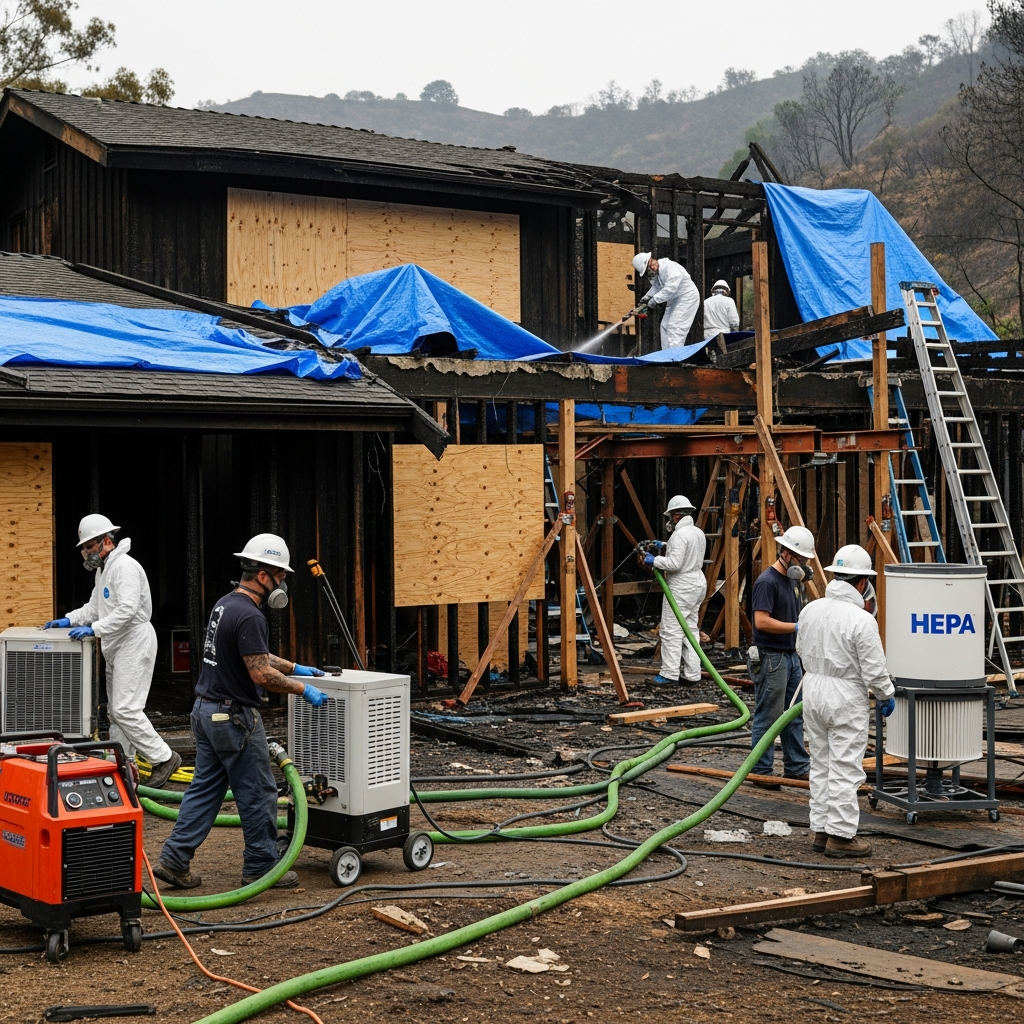
There is a particular relief that comes with stepping back into a Malibu home after fire restoration is complete. The air is clean, the light moves differently across freshly restored surfaces, and daily life begins to stitch itself together again. Yet this is also a beginning. Malibu’s climate—salt air, marine layers, and seasonal Santa Ana winds—asks ongoing attention from any homeowner, and that is doubly true after a fire. The best way to protect your investment and your comfort is with thoughtful maintenance. These tips, drawn from local experience with fire damage restoration in Malibu, help keep interiors healthy, odors at bay, and structures resilient as seasons turn.
Think of maintenance as a quiet conversation with your home. You are listening for small changes and responding early, long before they grow into problems. After fire restoration, some areas deserve special vigilance: the HVAC system that now wears the memory of smoke, the finishes that were cleaned and sealed, and the places where water once hid during the firefight. With a little routine and the right habits, you can extend the life of the work already done and live more confidently in a beautiful but demanding setting.
Guarding Indoor Air Quality Day To Day
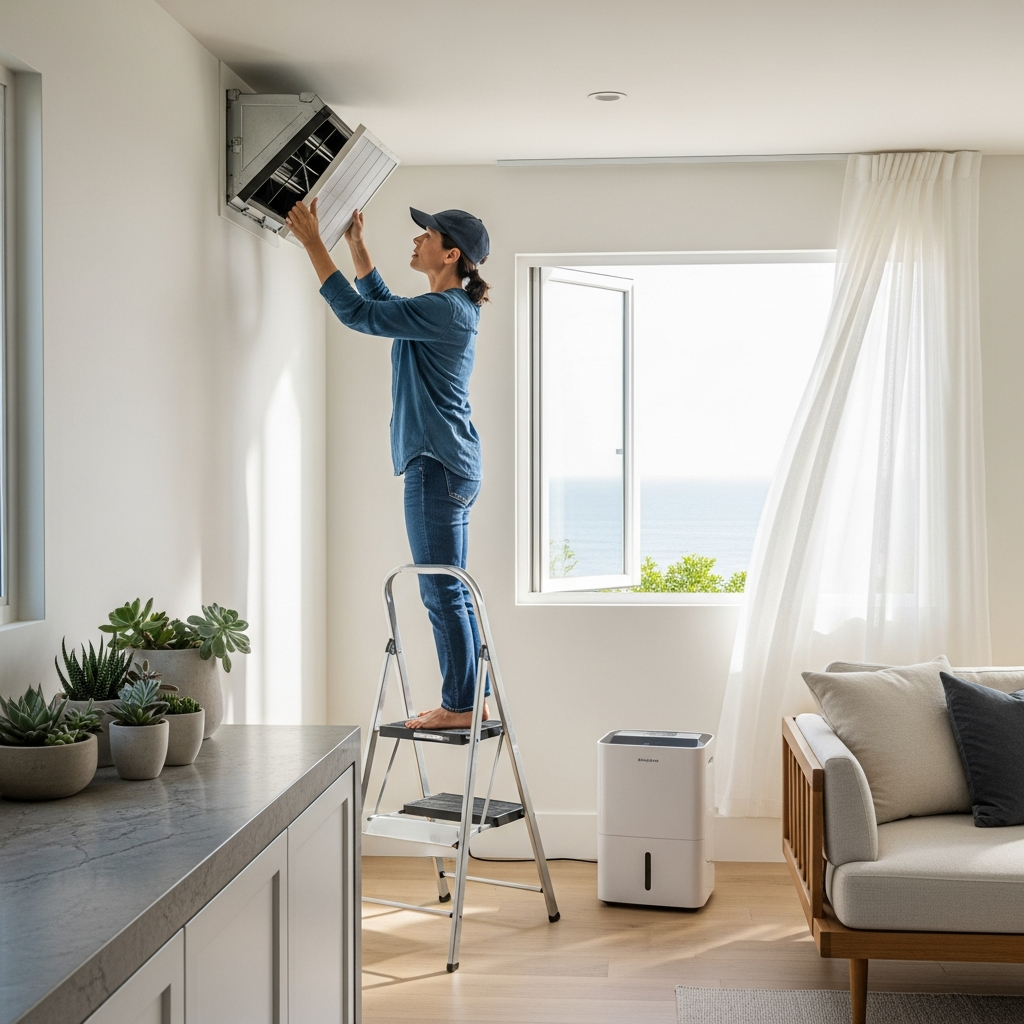
Your heating and cooling system is the respiratory system of the house. After a fire, filters and ducts may have been cleaned or replaced, but the job does not end there. Establish a cadence for filter changes aligned with Malibu’s seasons. During wildfire months or on windy days when fine ash can ride the breeze, consider more frequent changes to keep particles from recirculating. If your system allows it, a modest step up in filter efficiency—without overtaxing the blower—can catch more of the ultrafine dust that travels so easily here.
Ventilation remains important, but strategy matters. On days when marine air is heavy with moisture, opening windows widely may raise indoor humidity and awaken odors in porous materials. Selective ventilation—short bursts during drier periods—refreshes without feeding mold or must. Portable HEPA air purifiers placed in bedrooms and main living areas add a layer of protection, especially useful when a neighbor is doing construction or when winds kick up dust in nearby canyons.
Watching For The Return Of Odors
Odor is the language of residue, and it can whisper before it speaks. Post-restoration, your nose will often be the first instrument to detect trouble. Pay attention to specific places: inside closets that were packed with textiles, near return air grilles, or in rooms with lots of sunlight where heat draws out trapped molecules. If you notice a faint smoke note that comes and goes with temperature, do not dismiss it. Early, targeted cleaning or resealing of a small area is far easier than chasing a home-wide smell later.
Kitchens deserve special mention. Protein residues from cooking incidents can linger in cabinets and on finishes even after good cleaning. Keep up with gentle, residue-appropriate cleansers on cabinet interiors and range hoods. Replacing charcoal filters in vents on schedule helps too. These small habits protect the hard work already done and keep the heart of the home feeling fresh.
Managing Moisture Like A Pro
Water may have been a hero during the fire, but any leftover moisture can become a villain. Malibu’s climate slows uncontrolled drying, so homeowners must be intentional. Bathrooms and laundry rooms benefit from longer fan run times after use. If you own a humidity monitor, aim for indoor levels that feel comfortable and discourage mold—neither too damp nor desert-dry, both of which stress materials. In crawl spaces or basements uncommon but present in some Malibu builds, investigate after heavy rain or morning fog streaks; small leaks or condensation deserve quick fixes.
Be attentive to transitions between materials: the base of sliding doors, thresholds to decks, and around window frames that meet sea air every day. Sealants and gaskets age faster in this environment. Inspect and renew as needed to keep moisture out and odors from returning through hidden pathways. If hardwoods were dried as part of your restoration, watch for cupping or gaps during seasonal shifts. Early adjustments in HVAC settings or the use of a room dehumidifier during sticky spells can prevent long-term movement.
Protecting Finishes That Were Cleaned Or Repaired
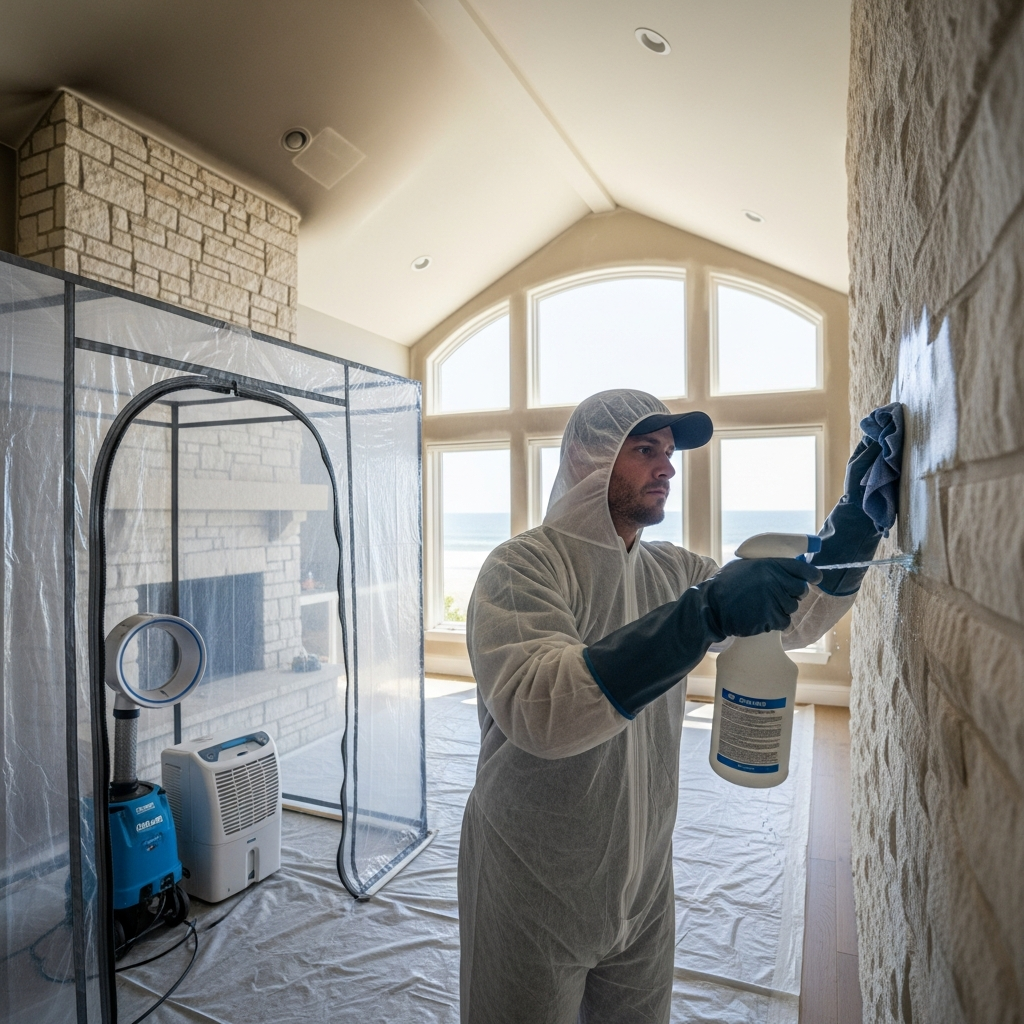
After a fire, many surfaces are scrubbed, rinsed, and in some cases sealed. Maintain them with the mildest effective cleaners, avoiding abrasives that strip protective layers. Natural stone countertops and tile—favorites in Malibu’s coastal style—benefit from periodic resealing per manufacturer guidance, especially in kitchens and baths. Wood finishes appreciate gentle dusting and infrequent damp cleaning followed by prompt drying. Painted walls that once hosted soot should be treated kindly; harsh scrubbing can burnish or dull even high-quality finishes.
Metal fixtures, especially in ocean-facing rooms, deserve routine attention. Wipe away salt film before it teams up with any lingering residue to etch or pit. A light, appropriate protectant maintains luster and buys time between deep cleanings. The goal is not perfection every day; it is steady care that keeps materials aging gracefully.
HVAC, Ducts, And The Pathways We Forget
Air takes the path of least resistance—and so does fine dust. Registers, returns, and the first few feet of ductwork behind grilles accumulate what the eye does not. Remove and clean grilles gently, and vacuum just inside ducts with a soft-brush attachment when accessible. If restoration included duct cleaning, ask your provider what maintenance schedule they recommend based on your system’s design. Heat rises, so the upper levels of multi-story homes may collect more dust; a bit of attention there prevents odors from setting up camp where warm afternoons are most intense.
Dryer vents are another quiet pathway. After a period away from normal routines, lint can accumulate differently than expected. Clearing that vent not only improves efficiency; it removes a potential ignition source and a place where odors can linger.
Landscaping, Defensible Space, And Exterior Care
While interior maintenance takes center stage after restoration, the exterior sets the conditions for future safety. Malibu’s topography invites landscaping that blends beauty and defensible space. Maintain lean, clean, and green zones close to the house, keep gutters clear of leaf litter and windblown ash, and watch roof valleys where debris collects. If your restoration flowed into repairs, you may already have ember-resistant vents and improved window assemblies. Continue that momentum with routine checks for torn screens or gaps where embers or fine ash could enter during future events.
Decks and railings—often crafted from woods that love the sea air but not open flame—benefit from inspection and timely maintenance. Where ignition-resistant materials were installed, follow care guidelines to preserve both performance and appearance. These habits become part of living well in a fire-adapted landscape, transforming worry into preparedness.
Documentation And Peace Of Mind
Keep a tidy file of your restoration documents, material specs, and maintenance notes. When a question arises months later—what sealer was used on the framing in the guest room, or when were ducts last cleaned—you will have answers at hand. This record also supports future insurance conversations or home sales, demonstrating responsible stewardship. In Malibu’s discerning market, that diligence is noticed and valued.
If unusual symptoms appear—mysterious stains, persistent odor in a single room, or a spot of recurring moisture—act early. A brief visit from a professional can save weeks of confusion. Consider the relationship with your restoration provider ongoing; they know your home’s history and can advise on sensible next steps without overreacting.
Living Comfortably And Confidently Again
Maintenance is not about anxiety; it is about agency. The ocean changes daily and so does a house, especially after a restoration that returned it from a hard moment. By listening and responding, you shape that change. Replace a filter a bit early on a windy week. Wipe a window track before salt and dust decide to stay. Reseal a bit of stone so coffee and sun cannot leave their signatures. These are the small gestures that, over a year, keep the space feeling new.
Midway through the year, set a quiet afternoon aside to walk the house with fresh eyes. Open the cabinets you rarely use, stand in the rooms that are more sunlight than shadow, and breathe. If anything feels off, make a note, ask a question, and address it. You have already done the hard work of restoration. Ongoing care is the gentle sequel, shaped by the same attention and the same desire to feel truly at home.
FAQ
Q: How often should I change HVAC filters after restoration? A: Start with the schedule recommended by your restorer or HVAC pro, then adjust for Malibu’s seasons. During windy or smoky periods, more frequent changes help maintain clean air.
Q: Is it normal to smell a hint of smoke months later? A: Occasional faint odors can appear during warm spells if residues deep in materials release molecules. If it persists or grows, targeted cleaning or sealing may be needed—address it early.
Q: Do I need duct cleaning every year? A: Not necessarily. It depends on your system, usage, and local conditions. Periodic inspections inform the right interval, preventing both neglect and unnecessary service.
Q: What exterior tasks matter most for the next season? A: Keep gutters and roof valleys clear, maintain defensible space, check vents and screens, and ensure doors and windows seal properly against ash and embers.
Q: How can I protect metal fixtures near the ocean? A: Wipe away salt film regularly and use appropriate protectants. Early attention prevents pitting and keeps finishes looking their best.
When you want steady guidance and a trusted hand to keep your home at its best, stay connected with local experts in fire damage restoration in Malibu. A short conversation today can make the next season smoother, safer, and more comfortable for everyone under your roof.