After a fire, the path from shock to stability runs through two parallel lanes: the work inside the home and the claim that supports it. In Calabasas and across the Malibu hills, families navigating insurance for restoration quickly discover that local knowledge makes a tangible difference. Adjusters familiar with our canyon winds, hillside access, and microclimates read a file differently than someone looking at it from far away, and restoration teams experienced with the rhythm of Los Angeles County permitting help keep documentation aligned with real-world progress. When the dialogue between home and policy is clear, the project moves with confidence. For homeowners seeking a steady guide through that dialogue, understanding how fire damage restoration intersects with insurance in our area can turn a maze into a map.
It begins with documentation. The first hours after firefighters depart are about safety and stabilization, but they are also about capturing the condition of the property. Photos of every room—including those that seem untouched—establish a baseline that later proves invaluable. Moisture readings, soot type identification, and notes on mechanical systems provide the technical backbone of the story. In our communities where homes often feature varied levels, lofts, and attic spaces, documenting how smoke traveled is as important as photographing the obvious damage.
Working with adjusters: clarity and cadence
Strong claims have a rhythm. After emergency stabilization, your restoration contractor and adjuster compare notes, align on the immediate plan, and agree on a framework for the phases ahead. Regular updates maintain that cadence: what has been dried, what has been cleaned, what materials will be opened and replaced, and where contents are headed for specialized treatment. In Calabasas neighborhoods near The Commons or tucked into the canyons toward Malibu, access and logistics can affect scheduling; adjusting those realities into the claim narrative keeps expectations realistic and trust high.
Adjusters rely on evidence. Detailed photographs, moisture logs, and inventories of contents minimize ambiguity. If a ceiling looks clean but attic insulation above it has been infiltrated by soot, a marked-up diagram and a brief explanation of airflow patterns help everyone agree on the need for removal. Local teams trained to explain these phenomena in everyday language often see smoother approvals and fewer delays.
Scope development: translating a house into a plan
“Scope” is the term that ties the story of your home to the documents of your claim. It describes what will be cleaned, what will be removed, and what will be rebuilt. Building a thoughtful scope in Calabasas requires careful listening and thorough inspection. Is the stairwell where smoke stalled lined with decorative plaster? Are there clay tiles on the roof that may hide residues beneath? Did suppression water settle into the lower-level media room on the shaded side of the house? Each answer shapes the scope and, in turn, the documentation that accompanies it.
When scope aligns with observed conditions, approvals follow naturally. Misalignment—missing a smoke pathway, underestimating moisture in a subfloor, or overlooking an attic chase—creates friction. The best outcomes come from pairing technical measurements with local intuition about how smoke moves in open floor plans and how marine layers and afternoon heat affect drying.
Additional living arrangements and daily life
Many policies include provisions that help families maintain normal routines when parts of the home are uninhabitable. Coordinating this support is not just a financial exercise; it is part of a humane plan. In our area, where school drop-offs, commutes over the ridge, and tight-knit neighborhood schedules shape the day, restoration teams can help align work sequences with your temporary living needs. Prioritizing children’s bedrooms or a home office for early completion might make sense, and that prioritization should be reflected in both the project plan and the claim narrative so the whole effort moves in tandem.
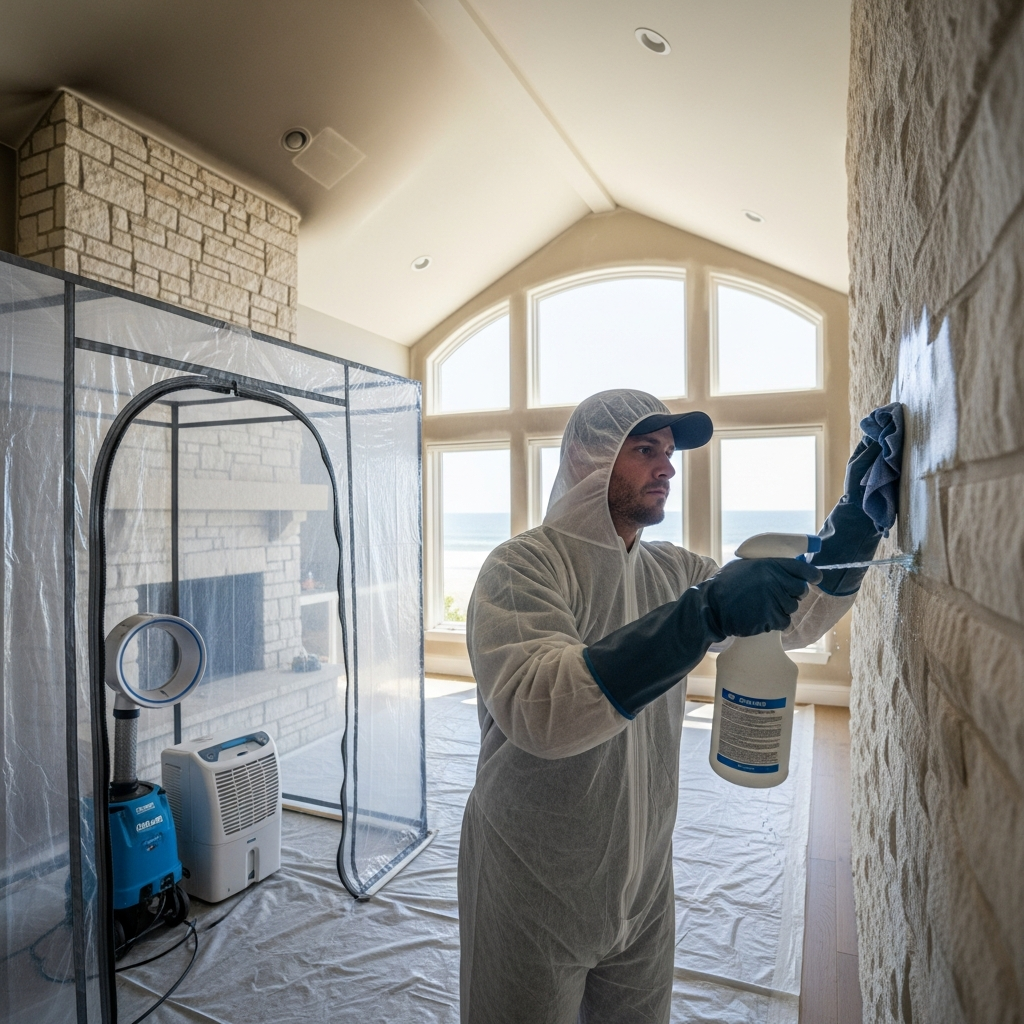
For some households, phased occupancy—living at home during portions of the project—balances comfort and progress. Clear containment, robust filtration, and predictable schedules make this feasible, and documenting these controls helps demonstrate due care to all parties involved.
Understanding coverage without getting lost in jargon
Policies vary, but the concepts that matter most are consistent. There is the protection for your dwelling—the structure and its integral parts—and there is coverage for personal property, the contents that make the structure a home. Some policies account for improvements that bring parts of the home up to current building codes when repairs are necessary. Others address temporary accommodations while work proceeds. Your restoration team does not replace your adjuster, but they can interpret how the physical realities of the house map to those categories, flagging where attention is needed and providing the evidence that supports good decisions.
In Calabasas and Malibu, previous wildfire seasons have also shaped expectations. Insurers and contractors alike understand ember travel, soot infiltration in attics, and the need to clean mechanical systems fully to prevent “ghost odors.” Communicating these local lessons in the language of your policy builds understanding rather than conflict.
Contents: where documentation meets emotion
Handling personal belongings is the most intimate part of any claim. Itemizing contents is not just a spreadsheet exercise; it is a careful, respectful process that recognizes the stories attached to each object. Photographs accompany descriptions, and condition notes distinguish between items that can be cleaned and those that cannot. In our community, items from beach days in Malibu, music lessons, and school achievements fill shelves and drawers. Contents specialists catalog, pack, and clean with a level of attention that makes their return a meaningful milestone in the overall recovery.
Electronics receive particular caution. Soot residues are corrosive and conductive; powering on a smoke-exposed computer risks irreversible harm. Inspection and cleaning before testing protect both the device and the digital memories it holds. Claims documentation reflects these steps, supporting outcomes that feel both fair and thorough.
Permits, code considerations, and the claim
Reconstruction often intersects with building codes. When damaged components are replaced, certain systems or assemblies may need to meet current standards. In Calabasas, working under Los Angeles County oversight, these requirements are clear but can vary based on the extent of the work. Documenting where code-related updates are necessary—backed by inspector notes or plan reviews—aligns the physical work with policy provisions that address such upgrades. This alignment prevents last-minute surprises and supports a smooth reconstruction phase.
HOA guidelines in particular neighborhoods also influence choices. Exterior finishes, fence designs, and visible equipment placements must comply with community standards. Including these considerations in planning and documentation keeps approvals on track and avoids rework.
Communication: the bridge between field and file
The strongest claims are built on consistent, transparent communication. Weekly updates that pair progress photos with plain-English summaries give adjusters what they need and give homeowners the confidence that things are moving. If a discovery changes the plan—say, moisture readings behind a seemingly unaffected wall come back elevated—quick, documented adjustments preserve momentum and trust. This approach is especially valuable in our hillside neighborhoods, where access and weather can nudge schedules around and where close coordination prevents small changes from becoming major delays.
Midway through most projects, there is a settling point when the home smells clean, the loudest work is complete, and reconstruction is taking visible shape. That is when having a dedicated partner focused on fire damage restoration across Calabasas and Malibu shines. The team translates field conditions into claim language fluently, smoothing approvals and keeping everyone aligned through the finish line.
Lessons from local cases
In a home above The Commons, a cooking fire filled an open-plan second floor with protein soot that left almost no visible staining but a stubborn odor. Emergency documentation captured thermal patterns and residue types, supporting a cleaning plan that covered the full affected footprint rather than just the kitchen. Because the claim recognized the invisible impact, the project proceeded without starts and stops, and the house returned to normal sooner than expected. In another case near Malibu Canyon Road, attic insulation held onto smoke long after the living spaces were cleaned. Photos and air sampling validated the need for removal and sealing, eliminating a faint odor that had been most noticeable on warm afternoons.
These experiences reinforce a core truth: local detail turns abstract policy terms into concrete, fair decisions. The more clearly the house tells its story on paper, the more easily the claim supports the work.
Health and reassurance
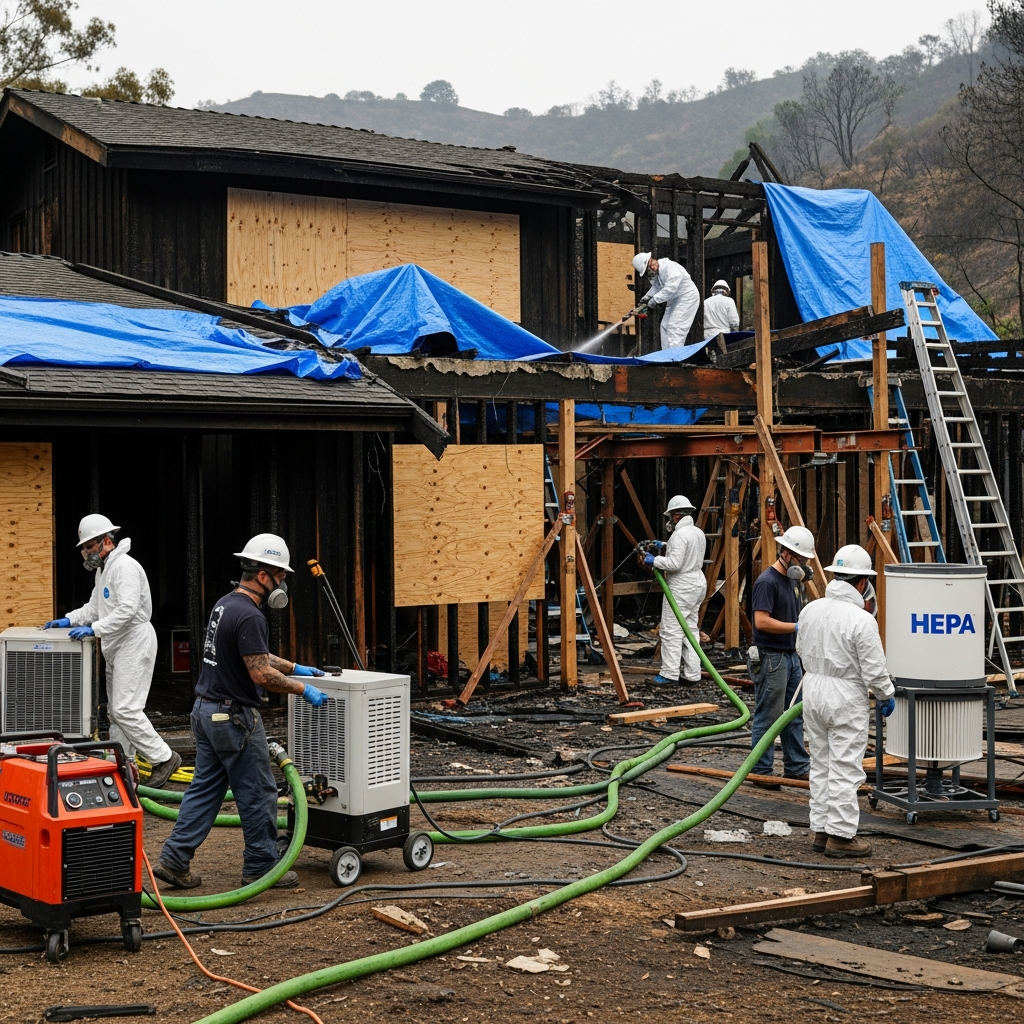
A claim is successful not just when work is authorized but when families feel safe returning home. Indoor air quality is central to that feeling. Containment strategies, HEPA filtration, and post-cleaning verification can all be reflected in the claim narrative, showing that the project values health as much as appearance. Sensitive individuals—children, older adults, or those with respiratory conditions—benefit from that clarity, and so do the adjusters reviewing the file.
As reconstruction winds down, walkthroughs confirm that finishes match, systems function, and the home feels right. Contents return to shelves and closets, and familiar routines resume. The claim closes as the house opens back up to everyday life.
Frequently Asked Questions
How soon should I contact my insurer after a fire?
As quickly as you can once everyone is safe. Early notification starts the claim process and ensures that emergency stabilization and documentation align with your policy’s requirements.
What information will my adjuster need from the restoration team?
Clear photos, moisture readings, residue identification, and a detailed scope of work. Regular updates that pair progress with evidence make approvals smoother and reduce back-and-forth.
Will my policy address temporary living arrangements?
Many policies include provisions that support temporary housing and related expenses when parts of the home are uninhabitable. Your restoration team can help sequence the project to align with these needs, prioritizing critical rooms for earlier completion.
How are personal belongings handled within the claim?
Contents are inventoried with descriptions and condition notes, then cleaned or documented if unsalvageable. The process is respectful and thorough so you can trust both the results and the paperwork that supports them.
What if smoke affected my attic but not my living spaces?
Attic contamination is common and can feed odors back into rooms during warm afternoons. Documentation—photos and, when appropriate, air sampling—supports decisions to remove insulation, clean structural members, and seal the space.
Do building codes affect the restoration plan and claim?
Yes. When repairs intersect with code requirements, documentation of those needs helps align approval and work. Calabasas follows Los Angeles County standards, and coordination with inspectors ensures compliance.
Can I stay in my home during restoration?
Sometimes. If utilities are safe and work zones can be contained, phased occupancy is possible. Air quality controls and predictable schedules make living on-site more comfortable, and those measures can be documented in the claim.
Speak With a Local Insurance-Savvy Restoration Team
If you want a calm, evidence-based path from incident to completion—and a partner fluent in both the language of homes and the language of claims—reach out to our fire damage restoration specialists serving Calabasas and Malibu today.