When neighbors in Calabasas ask about the financial side of recovering from a house fire, they are usually juggling more than a simple spreadsheet. They are weighing memories against materials, urgency against patience, and safety against the comforts of home. Living and working along the Malibu–Calabasas corridor, I have seen how the canyon winds can push smoke into upper levels, how embers can travel across Mulholland and settle in roof valleys, and how water from firefighting efforts follows gravity into basements and crawlspaces near Las Virgenes Creek. Talking through the factors that shape your overall restoration plan is as much about local realities as it is about construction and cleaning. Early on, many families want a straightforward path to put their home life back together, and that first step often begins with understanding what the complete scope of fire damage restoration entails in Calabasas and the nearby Malibu hills.
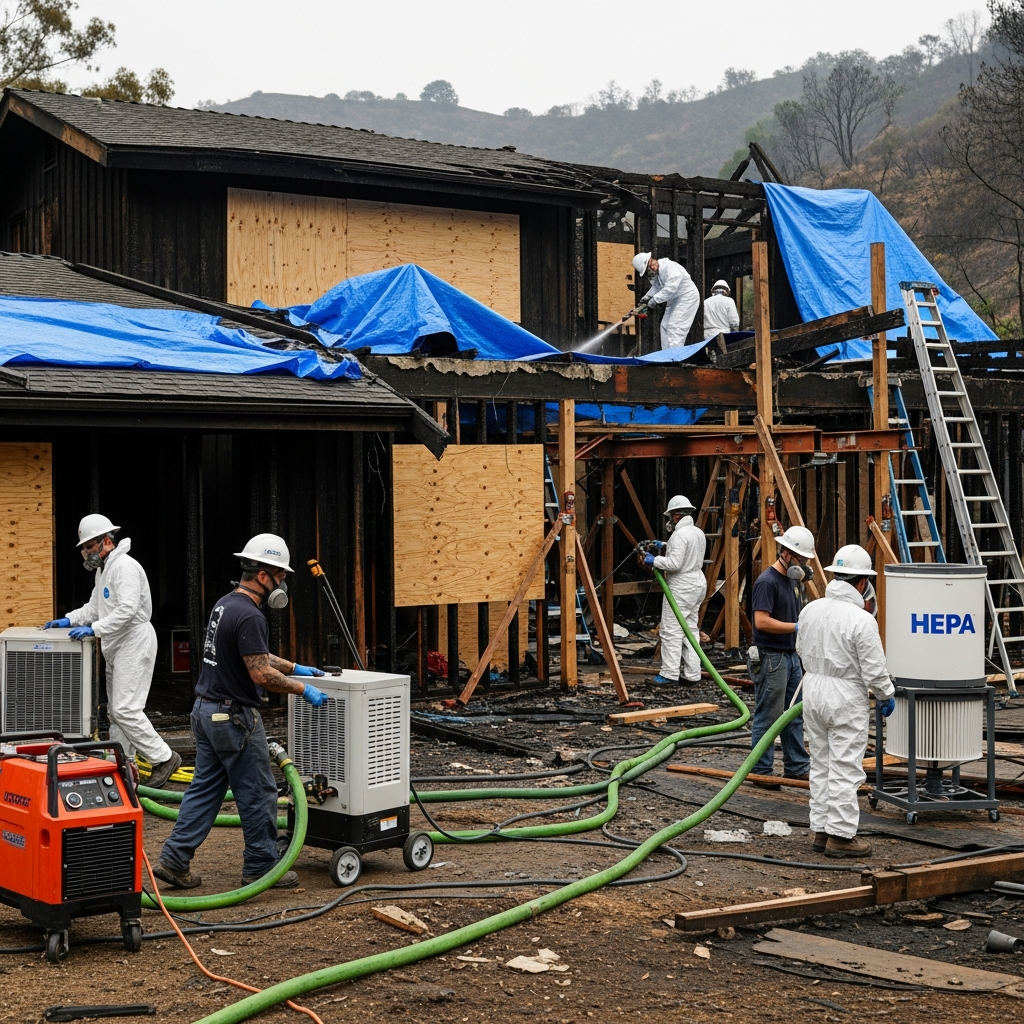
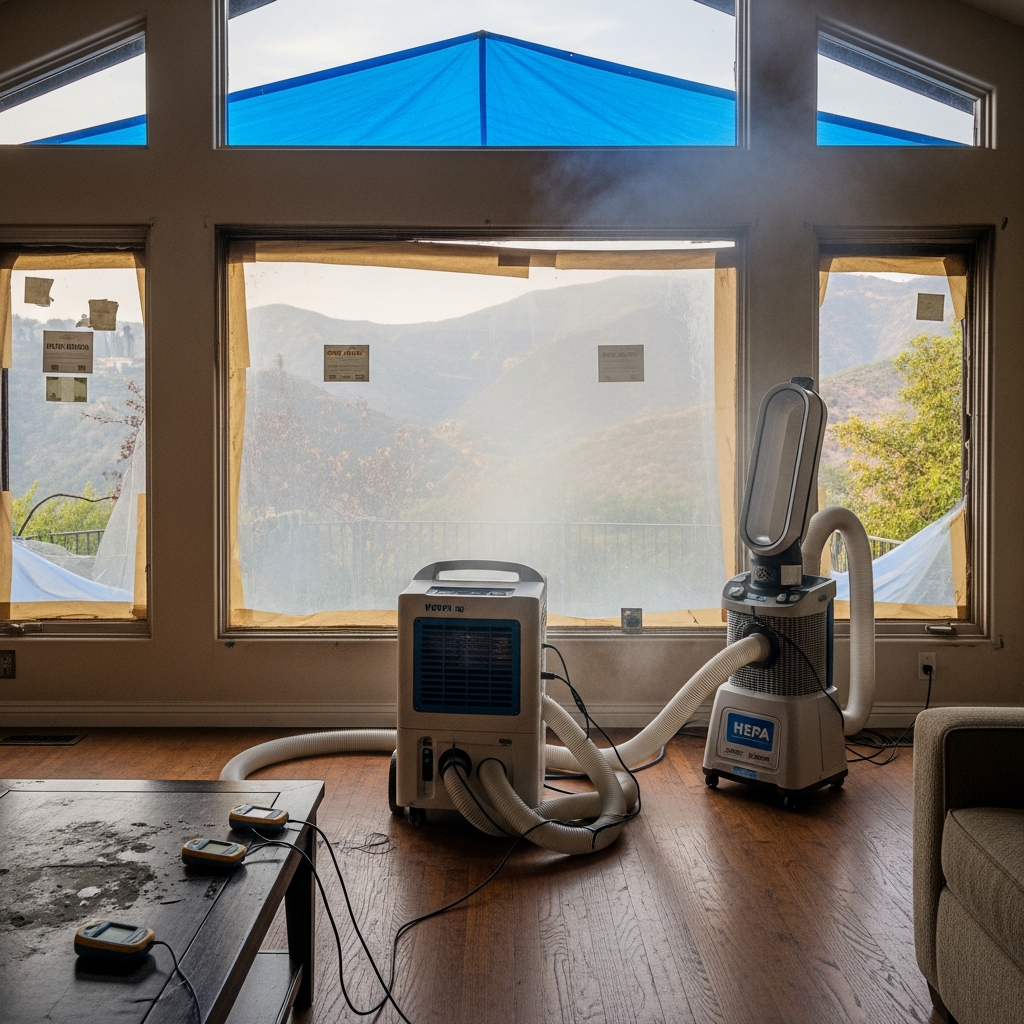
In the first days after the fire department clears the scene, the focus shifts from emergency response to stabilization. Board-ups and temporary roof coverings help protect against overnight winds that sweep down from the ridgelines, and dehumidifiers begin to pull moisture from interior air before secondary damage sets in. Every decision in this phase influences the larger project, from whether smoke-affected drywall can be cleaned in living spaces overlooking The Commons to whether attic insulation above a vaulted ceiling must be removed and replaced. The details do not exist in a vacuum; they are connected to both the architecture and the microclimate that make Calabasas and Malibu such distinct places to live.
How local construction details change the conversation
Homes in Calabasas frequently combine stucco exteriors with clay or concrete tile roofs. The same design that keeps summer heat at bay can also hide soot in underlayment layers and in the spaces between battens. When embers find their way under the eaves, smoke residues can follow air channels and land on structural members that are not visible from living areas. In Malibu Canyon, where ocean air can bring a steady marine layer in the morning, the mix of humidity and residual soot needs careful handling to avoid setting odor permanently into porous materials. These construction nuances influence whether targeted cleaning is appropriate or selective demolition will speed a clean return to normal routines.
Flooring choices matter as well. Engineered wood in a family room on a slab behaves differently than wide-plank hardwood over a raised foundation along a sloped lot above Old Town Calabasas. Water can wick under planks and into subfloors, and while surface drying may appear successful, hidden moisture could linger near sill plates or joist cavities. Tile floors with cementitious grout pose different cleaning challenges than luxury vinyl with foam backing. Each material’s reaction to heat, smoke, and water nudges the project plan in a particular direction.
Understanding smoke: the science behind the smell
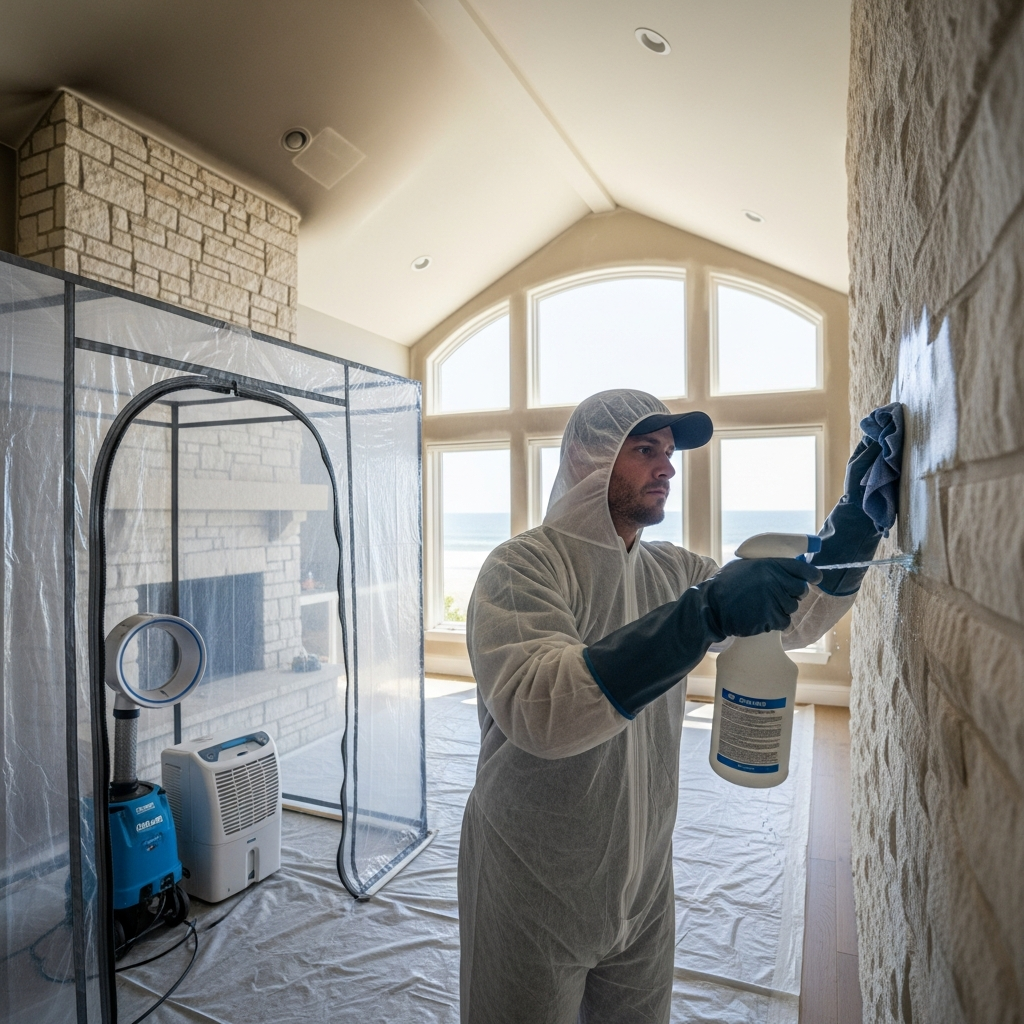
Smoke is not one thing; it is a stew of microscopic particles that behave differently depending on what burned, how hot the fire was, and how rapidly it was extinguished. In kitchens where a flare-up started the incident, you often find protein-based residues—nearly invisible yet intensely odorous—that migrate far from the point of origin. In garages or workshops, polymer-based smoke from plastics and synthetic rubbers can leave greasy films that etch finishes if not neutralized quickly. Soot from natural materials, like cabinetry and framing lumber, tends to be more powdery and can be removed with careful vacuuming before wet cleaning. Knowing which profile you are dealing with helps determine the right combination of HEPA filtration, alkaline or enzymatic cleaners, and thermal or ozone-based deodorization strategies for Calabasas homes, where open floor plans allow airflow to connect rooms that seem unrelated at first glance.
Importantly, smoke infiltration follows pressure differentials. In the Santa Monica Mountains, evening temperature swings can push air through cracks and around recessed lights, bringing residues into insulation blankets and over attic beams. If those areas are not addressed methodically, you could reinstall new cabinets and repaint living spaces only to discover a faint odor returns on warm afternoons. This is why a well-sequenced plan matters as much as the individual techniques chosen.
Permits, codes, and the rhythm of rebuilding in Calabasas
After stabilization and initial cleaning are underway, planning for reconstruction begins. In Calabasas, as in the rest of Los Angeles County, replacing structural elements, significant drywall sections, or electrical and mechanical systems will intersect with local permitting. The rhythm of rebuilding respects inspections, code requirements, and homeowner association guidelines in neighborhoods near Mulholland Heights or Hidden Hills’ borders. For homes along steep driveways in the canyons, coordinating deliveries and staging areas influences how quickly trades can work and how safely debris can be removed.
Code upgrades may also come into play, especially in older homes. If a fire compromises a portion of knob-and-tube wiring or older galvanized plumbing, the rebuild could include bringing those segments up to modern standards. These considerations are part of a thoughtful plan that weighs safety, longevity, and the character of your home, not just the immediate replacement of damaged materials.
Contents, textiles, and the quiet work of putting life back together
One of the most emotionally charged aspects of restoration is the handling of contents. Family photos, artwork collected from Malibu galleries, musical instruments from a student ensemble at Calabasas High—each item tells a story. A professional contents team will inventory, pack out, and clean what can be saved, then store it carefully until the home is ready for move-back. Textiles and soft goods, from area rugs to draperies and clothing, benefit from specialized soot removal and deodorization processes that go beyond standard dry cleaning. The aim is to return items not only looking clean but feeling and smelling like home again.
Electronics require special caution. Smoke residues are corrosive and conductive; simply powering up a soot-exposed television or amplifier can shorten its life. In our area, where salt air sometimes mingles with smoke, the risk of corrosion is doubled. Inspection and cleaning by a qualified electronics restorer protects both the devices and the memories stored on them.
Timeframes: what “fast” really means after a fire
Speed matters, but it must be the right kind of speed. Within the first 24 to 48 hours, addressing water intrusion, securing the building envelope, and stabilizing the environment with air filtration lay the groundwork for everything that follows. Over the next week or two, demolition of non-salvageable materials, detailed cleaning, and odor control take shape, usually in a sequence that moves from the most affected areas to the least. Reconstruction then proceeds, guided by permits and the availability of materials and trades. In Calabasas, where certain finishes and custom millwork are common, lead times can stretch, especially if you want to match existing profiles exactly. Being candid about these realities up front helps align expectations with the natural cadence of a high-quality rebuild.
Weather can be an ally or a challenge. Santa Ana conditions dry materials quickly but can also drive dust and particulates into open spaces if containment is not perfect. Cool, damp mornings nearer to Malibu Creek State Park can slow drying but assist with dust control if the air is well-filtered. An experienced local team adapts daily to these variations, maintaining momentum without compromising quality.
Environmental and health considerations
After any fire, indoor air quality is a top concern. Soot particles smaller than a fraction of a micron can irritate lungs and eyes, especially for children and older adults. HEPA filtration, negative air pressure in work zones, and meticulous cleaning protocols reduce airborne contaminants to safe levels. In some cases, independent testing can confirm that post-cleaning air quality meets strict benchmarks, providing peace of mind before reconstruction closes up walls or instals new finishes. Calabasas residents who enjoy opening windows to canyon breezes will appreciate that final, fresh-air moment when the home is fully deodorized and ready to live in once more.
Materials selection during rebuild can also influence long-term air quality. Low-VOC paints, carefully chosen sealers, and proper curing times are part of a healthier home. Where insulation is replaced, upgraded fire-resistant products and air sealing can improve comfort and resilience without changing the look and feel of your space.
Insurance coordination and clear communication
Many homeowners entering a restoration project are also navigating a claim. The paperwork can feel endless, but organized documentation—from initial photos to itemized inventories—makes everything smoother. In our community, adjusters are familiar with the complexities of hillside properties, long driveways, and limited access for equipment. Clear communication, regular updates, and alignment on scope keep surprises to a minimum. A seasoned team will translate technical findings into everyday language, helping you and your insurance contacts visualize both the immediate tasks and the final result.
A helpful approach is to establish a single point of contact who understands your priorities. That person coordinates field crews, specialty vendors, and inspectors while ensuring that your family’s routines are respected as the plan unfolds. In neighborhoods near The Commons, where parking and access are shared, anticipating logistics keeps neighbors supportive and the worksite safe.
Why local knowledge shortens the path home
There is a rhythm to homes here: the way afternoon sun warms second-story hallways, the way canyon shadows cool lower rooms, the way ocean air rolls over the ridges at dusk. Those patterns matter when drying materials, airing out spaces, and scheduling noisy or dusty work. Teams steeped in the Malibu–Calabasas corridor can predict how ash might collect in courtyard fountains, how soffits vent attic spaces, and how to protect pool equipment from soot corrosion. This kind of local fluency quietly saves time and reduces stress for homeowners who just want their lives back.
Midway through most projects, there is a turning point. The smell has faded, the worst debris is gone, and you can start to imagine the house not as a job site but as a home again. It is at this juncture that the right partner makes a difference, balancing momentum with craftsmanship and ensuring that finishes, textures, and colors align with your taste. When you need a steady, experienced hand guiding that middle stretch, look for a team whose day-to-day focus is truly on fire damage restoration across Calabasas and Malibu.
Rebuilding stories from the canyon
One family in the hills off Las Virgenes Road returned from a weekend soccer tournament to find smoke stains rising above a kitchen stove and a fine layer of soot across the great room. The blaze had been contained, thanks to a quick response, but water had pooled under baseboards and into a downstairs guest room. With careful mapping of hidden moisture, the team removed toe-kicks, floated the drywall in a few discreet areas, and deployed targeted drying before odors had a chance to settle. Instead of tearing out an entire wall of custom built-ins, a combination of HEPA vacuuming, dry sponging, and sealing brought the wood back to life. The family moved back in with confidence, and the only reminder of the incident was their new appreciation for smoke alarms and a cleaned-out attic.
In Malibu Canyon, a different home faced heavy soot infiltration through an older HVAC system after embers traveled during a windy evening. Registers looked clean enough, but the return ducts told another story. Sealing the ductwork, replacing compromised filters and insulation, and deodorizing the mechanical room made the difference. Without those steps, every afternoon cycle would have reintroduced odor. Here again, knowing the quirks of local systems and how ocean air interacts with soot helped guide the resolution.
Keeping perspective during a demanding process
Even when everyone is doing their best work, restoration is a marathon made of many sprints. There will be days when the sound of a sander feels endless or when a schedule hinges on a delivery arriving from over the hill. Setting expectations early, celebrating small milestones, and staying grounded in the vision of your finished home are the best antidotes to the grind. For many in Calabasas, that vision includes evenings on the patio as the canyon cools, mornings when sunlight finds its way to a breakfast table, and a front door that still feels like the one you chose, even if the paint is now a touch fresher.
In the end, the measure of a good restoration is not just in the materials installed but in the confidence you feel living with them. It is in the quiet hallway where you no longer detect a trace of smoke, in the cabinet door that swings just right, in the HVAC system that hums clean air without a hint of the past. Those moments are possible when planning and execution come together with patience and care.
Frequently Asked Questions
What shapes the overall budget for fire restoration in Calabasas?
The factors include the extent of heat, smoke, and water impact; the materials used in your home; accessibility for crews and equipment; and the scope of cleaning versus reconstruction required. Local conditions—like hillside access, HOA guidelines, and the presence of coastal humidity—can influence timelines and the sequence of tasks. Thorough inspection at the start prevents surprises later.
How are stubborn smoke odors actually removed?
Odors are addressed in layers: removal of source materials, deep cleaning of surfaces with chemistry matched to the residue type, filtration and air exchanges to scrub particulates, and sealers to lock in residual staining when appropriate. Deodorization technologies such as thermal fogging or hydroxyl generation are used judiciously and only after physical cleaning has done most of the work.
Can I stay in my home during restoration?
It depends on the scope and on safety. If utilities are compromised, if air quality cannot be maintained, or if major demolition is required, a temporary move-out is often the wisest course. When work is limited to certain areas and containment can safely separate living spaces, some families remain on-site with a flexible routine.
Will I need permits for the rebuild?
Cosmetic cleaning and repainting typically do not require permits, but replacing structural elements, electrical, plumbing, or large sections of drywall usually does. Calabasas follows Los Angeles County guidelines, and inspections help ensure long-term safety. Your restoration contractor should plan the sequence so permits and inspections integrate smoothly with daily work.
How long does a typical project take from start to finish?
Timelines vary based on the initial severity, the complexity of cleaning, and the scope of reconstruction. Initial stabilization may take days, cleaning and odor removal a few weeks, and rebuilding several additional weeks to months depending on finishes and permitting. Clear communication and early decisions about materials speed progress.
What happens to my personal belongings?
Contents teams photograph, inventory, and carefully pack items before cleaning. Salvageable items are treated with methods appropriate to their materials, then stored safely until your home is ready. Items that cannot be saved are documented for your records so you can proceed with replacements confidently.
How does local weather affect the process?
Santa Ana winds can accelerate drying but demand tighter containment to keep dust out. Coastal humidity closer to Malibu may slow drying slightly but can help reduce airborne particles. Experienced crews anticipate these shifts and adjust equipment to maintain steady progress.
What can I do right away to help?
After the scene is safe and released by authorities, avoid running HVAC systems that might distribute soot. Limit foot traffic in affected areas to prevent embedding residues. If possible, open windows briefly to vent residual smoke while air scrubbers are installed, then follow guidance from your restoration team to protect both your health and the home.
Talk with a Local Calabasas Fire Restoration Expert Today
If you are looking for a clear, confident plan tailored to the way homes truly live along the Malibu–Calabasas corridor, reach out to a team that understands these hills and the way smoke, wind, and water move through them. Start the conversation, ask your questions, and take the next practical step toward a comfortable, healthy home by contacting our fire damage restoration specialists today.