Speed alone does not define a great restoration in Malibu; speed with precision does. Coastal homes here contend with a unique set of conditions: salty air that speeds corrosion, afternoon marine layers that complicate drying, and open designs that invite smoke to wander from room to room. When a fire event hits—directly or through days of drifting smoke—homeowners feel the urgency to act quickly, but also the fear of making a misstep that could bake odors into finishes or let moisture linger behind walls. If you are seeking fast, reliable fire damage restoration in Malibu specifically tailored to coastal homes, the most effective path is a rapid response that respects materials and the marine environment at every turn.
Rapid does not mean rushed. It means the first people through your door understand the local climate, your home’s construction, and the chemistry of soot. It means securing openings before the evening fog settles, pulling corrosive residues off metal surfaces before they etch, and setting a drying plan that works with—not against—the daily humidity swing. Done right, a swift start lays the groundwork for a smoother, shorter overall recovery, helping families return to routine without trading today’s speed for tomorrow’s problems.
Day One: Stabilize, Protect, and Clear the Air
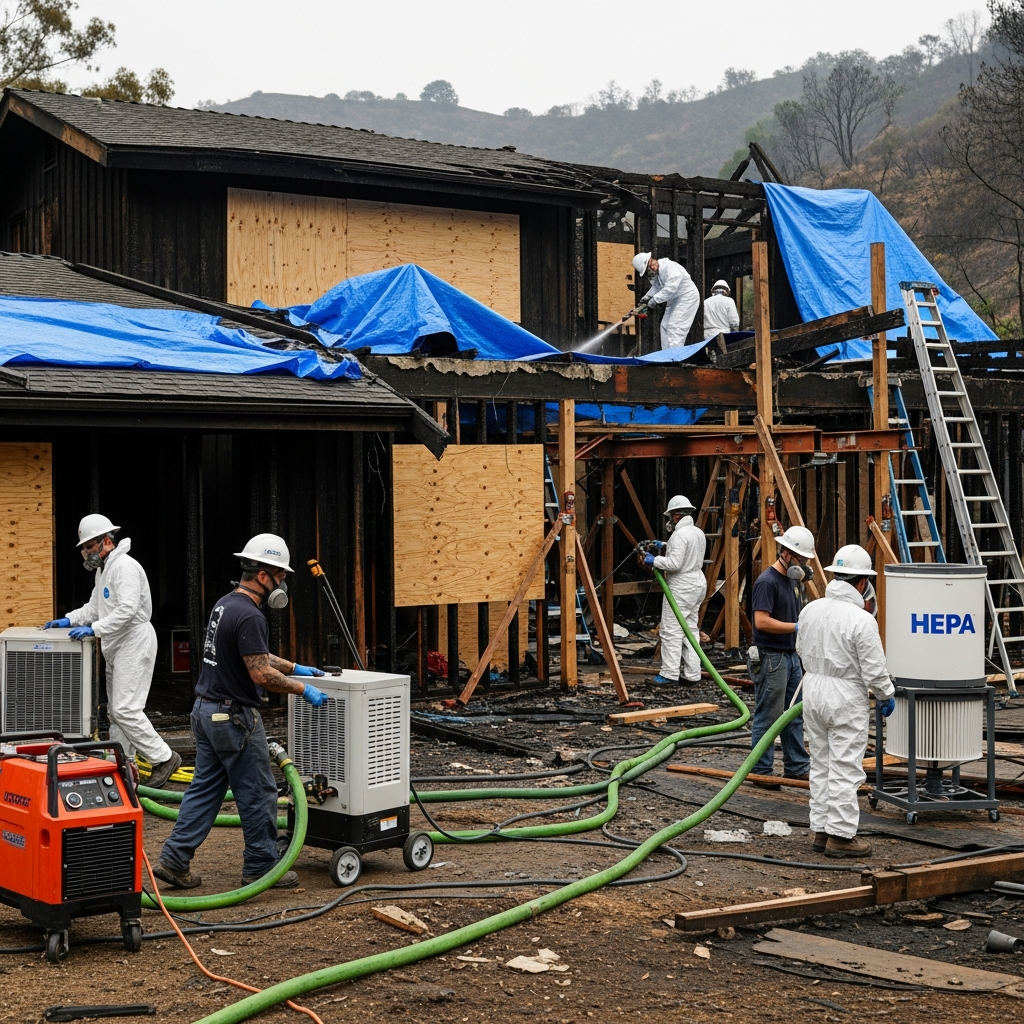
The first hours define everything. We begin with safety and stabilization—board-ups for broken windows and doors, tarps on roof penetrations, and a quick scan for structural compromise. Next comes air. HEPA-filtered negative air machines begin pulling contaminated air out of living spaces immediately, dropping particulate counts and making rooms more breathable for occupants and crews. Floors are protected with breathable coverings so work can proceed without scratching finishes or trapping moisture. As these measures go in, documentation proceeds in parallel: photographs, notes, and soot tests that will inform both the restoration plan and conversations with insurers.
In a coastal home, the metals speak first. Stainless appliances, fixtures, and hardware show corrosion quickly when soot and salt mix. We prioritize neutralizing cleaners on these surfaces right away, followed by careful rinsing and drying, to halt damage before it becomes permanent. Electronics remain off until they are assessed and cleaned under controlled conditions; powering up too soon can convert a recoverable device into a loss.
Drying with the Marine Layer in Mind
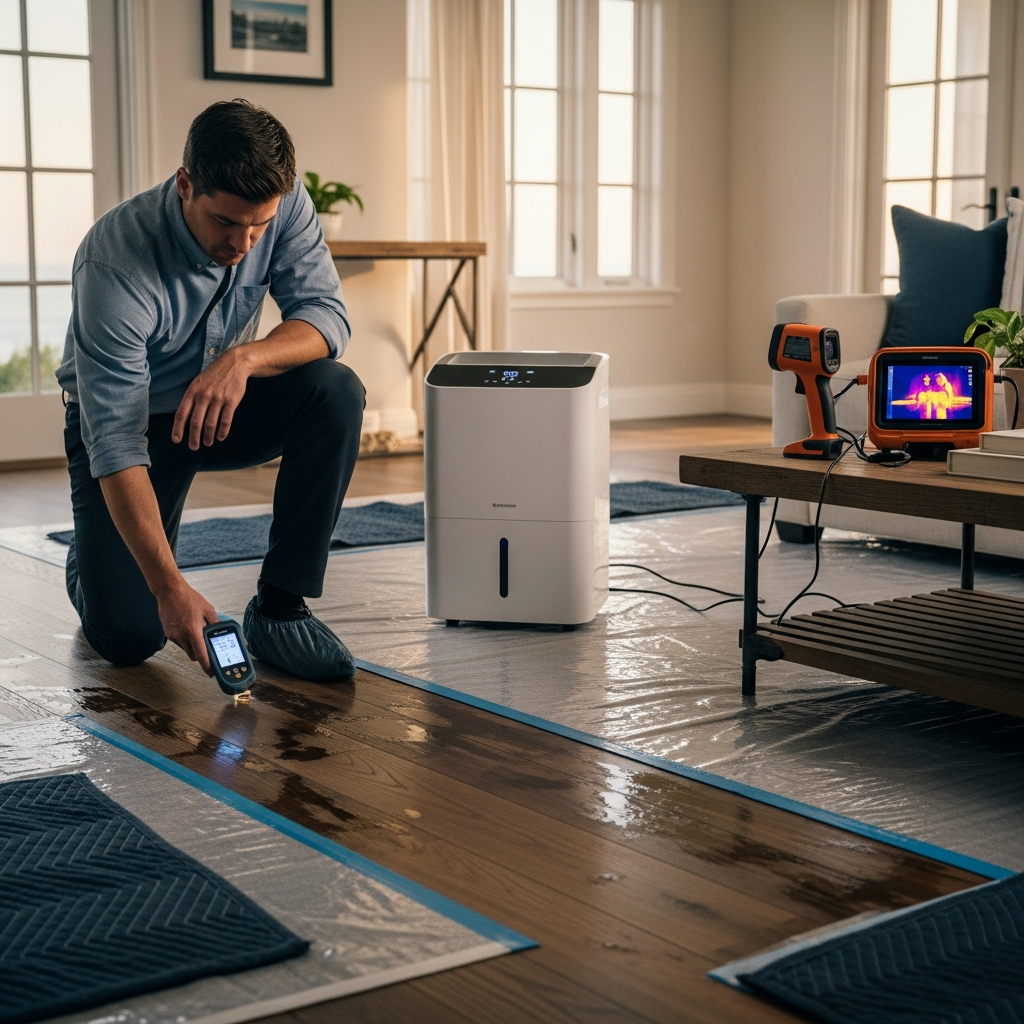
Firefighting water and humidity swings complicate drying. We map moisture with meters and thermal imaging, paying close attention to wall cavities, subfloors, and areas beneath stone or tile. Dehumidifiers pull moisture out of the air while directed airflow moves it off damp surfaces. The balance matters: too little airflow and drying stalls, too much and soot migrates into clean areas. Containment helps here, creating dedicated drying zones that do not shed dust and odor into finished rooms. With predictable afternoon humidity increases, we adjust set points and schedules to keep progress steady even as the weather changes.
Flooring deserves early focus. Hardwood can cup or crown if left wet; engineered products may delaminate. Stone over mortar beds can trap water, printing dark edges that look like stains. Rapid response means stabilizing these assemblies early, gently coaxing moisture out before irreversible changes set in. The reward is preserving finishes that define your home’s look and feel.
Fast, Smart Cleaning
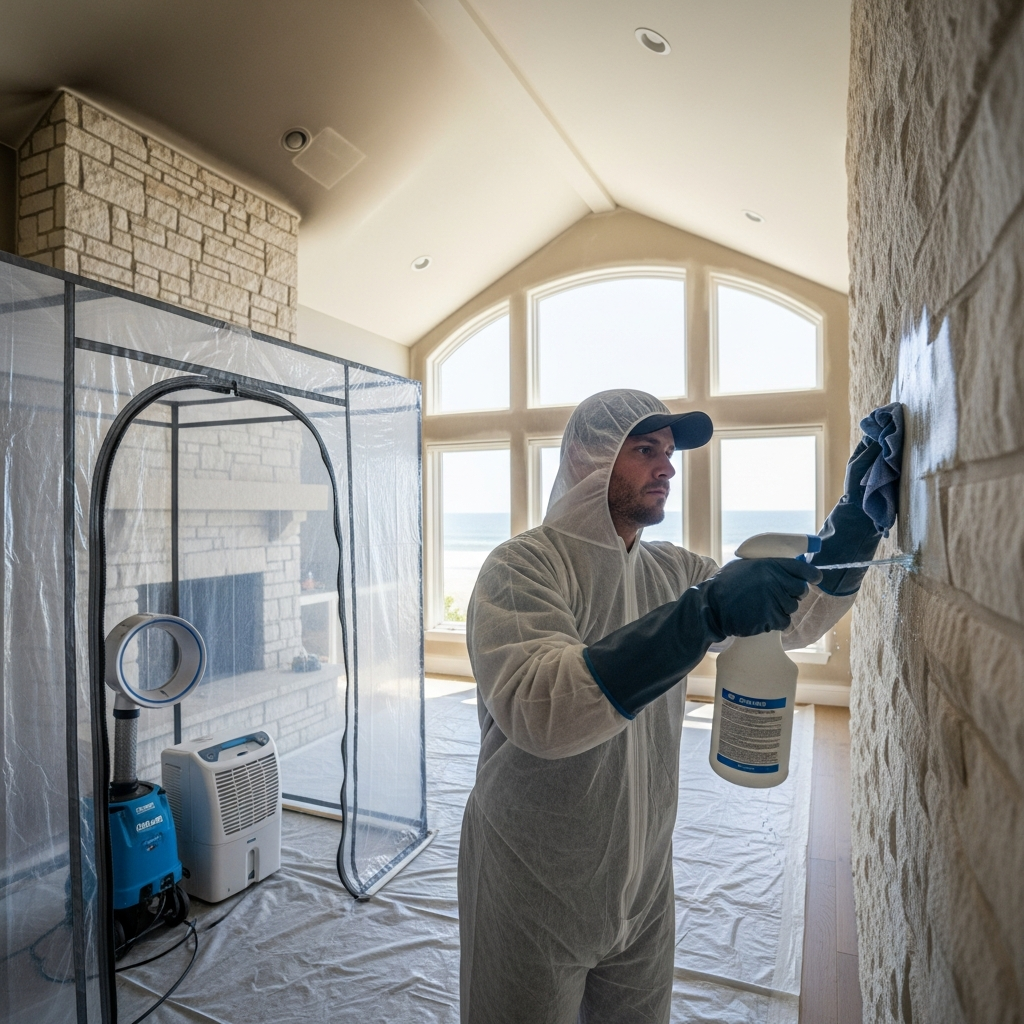
Speedy cleaning starts with dry methods. HEPA vacuuming and dry sponges lift bulk soot from walls, ceilings, and trim without smearing. Only after dry removal do we test and introduce pH-appropriate detergents for oily residues. Kitchens and baths, where proteins and aerosols mix with smoke, get special attention to avoid setting residues that will smell for months when warmed by showers or stovetops. Rapid does not mean scrubbing harder; it means choosing the right method in the right order to prevent rework.
Textiles are triaged quickly. Bedding, drapes, and upholstery trap odors and fine particulate. We separate heavily impacted items to prevent cross-contamination and prioritize sentimental or high-value pieces for specialized cleaning or pack-out. Soft goods are where many homeowners first notice real progress; when a space smells like linen and ocean instead of smoke, the psychological lift is real and important.
HVAC: The Hidden Accelerator
Air handlers can quietly undermine a fast recovery if not addressed. We recommend keeping systems off until inspected. Filters are upgraded, returns checked, and coils cleaned where indicated. In open-plan coastal homes, supply paths can carry odors between rooms long after visible cleaning if the system is brought online too early. A rapid plan anticipates this and sequences HVAC cleaning and verification into the early days of work so that airflow supports, rather than fights, your return to normal.
Containment and Workflow That Move
Containment is the backbone of speed. By isolating work areas and controlling pressure, crews can drive progress without recontaminating finished zones. Zipper walls, sealed pathways, and breathable floor protection keep traffic efficient and clean. Daily goals—finish a room completely, then close it off—turn a large project into a series of visible wins. This rhythm matters in Malibu homes where families may occupy a portion of the house during work; clean zones provide refuge and clarity.
Communication is the other half of speed. Clear daily updates let you make decisions quickly and avoid bottlenecks. If a choice affects lead times—like selecting a replacement finish—we surface it early. Insurance coordination happens in parallel so approvals do not stall field progress. The fastest projects are the ones where everyone knows the plan and the next right step.
Odor Control Without Shortcuts
Rapid odor relief relies on source removal first. Air scrubbers and hydroxyl generators help, but they cannot mask residues that remain on surfaces or inside materials. Thorough HEPA vacuuming, precise wet cleaning where indicated, and attention to hidden reservoirs—attic insulation, cabinet toe-kicks, and the felt backs of rugs—remove what causes the smell. Only then do we layer in deodorization treatments appropriate for occupied homes. Verification under warm conditions confirms that results hold when the afternoon sun hits south-facing rooms.
Rapid Rebuild with Coastal Resilience
Fast restoration does not stop at cleaning. Where materials must be replaced, we make choices fit for the coast: corrosion-resistant fixtures, UV-stable exterior finishes, and ember-resistant venting that enhances wildfire resilience. Inside, sealing ductwork and improving filtration raise everyday comfort. We coordinate permits where needed so rebuild steps slot in without idle days. The effect is a project that flows from day one stabilization to final touch-ups with minimal gaps.
Neighbors, Access, and Local Rhythm
Malibu’s geography and community norms shape logistics. Private roads, gates, and HOA guidelines inform delivery schedules and staging. Respect for neighbors—noise windows, parking, and dust control—maintains goodwill during an already stressful time. Morning work often makes sense before breezes rise; exterior cleaning scheduled in calmer hours reduces recontamination. These small choices add up to a faster, smoother experience for everyone involved.
Frequently Asked Questions
How fast should we start after a fire?
As soon as authorities declare it safe to enter. Early actions—securing openings, setting HEPA filtration, neutralizing residues on metals, and beginning moisture control—prevent secondary damage and reduce overall timelines. Waiting allows corrosion and odors to take hold.
Can a rapid approach still protect delicate finishes?
Yes. “Rapid” means sequencing and coordination, not aggression. We start with dry methods, test cleaners, and tailor techniques to materials like plaster, stone, hardwood, and custom millwork. The result is faster progress without sacrificing craftsmanship.
Will we be able to stay in part of the house?
Often, if damage is moderate and containment creates clean living zones. Clear pathways and daily housekeeping keep those areas comfortable. For heavier impacts or major demolition, a temporary move-out may be the safest, fastest route to completion.
What about electronics and appliances?
Keep them off until inspected and cleaned. Soot and salt can cause rapid corrosion, and powering on too soon can turn a salvageable item into a loss. Early neutralization, drying, and controlled testing protect your investment.
How do you keep odors from coming back?
By removing sources, not just treating the air. We clean surfaces thoroughly, address hidden reservoirs like insulation and HVAC, and verify results under warm conditions. If sealing is needed, we use products appropriate for the substrate so finishes look and perform as intended.
How long does a rapid project really take?
Light smoke impacts might resolve in a couple of weeks. More significant losses involving selective demolition and rebuild can take longer, but tight sequencing, early decisions, and insurance alignment keep momentum high and gaps minimal.
Are there Malibu-specific steps we should take during rebuild?
Yes. Consider ember-resistant vents, corrosion-resistant fixtures and fasteners, and exterior finishes suited to salt air and UV. Inside, improve filtration and seal ducts. Thoughtful landscaping within defensible space guidelines further hardens the home without changing its character.
Ready for a Fast, Thoughtful Recovery
When the priority is to move quickly without mistakes, a coastal-aware plan makes all the difference. Stabilize immediately, clean precisely, and rebuild with resilience so you can get back to the life you love by the water. If you want a team that pairs speed with craftsmanship and local know-how, reach out now. For prompt, dependable fire damage restoration in Malibu, we are ready to help you restore comfort swiftly and securely.