When a fire touches a Malibu home, the impact lingers far beyond the final flame. I have walked into properties where the ocean breeze still carried a hint of salt while the rooms breathed out the acrid trace of soot, a reminder that even by the coast, fire has a way of threading itself into every crevice. As an Encino-based restoration professional who regularly supports Malibu homeowners, I know how the canyon winds, the marine layer, and the distinctive architecture of this area influence every decision we make on the road to recovery. The path forward is not simply about cleaning, but about restoring peace, structure, and confidence one careful step at a time. If you are starting that journey today, you are not alone, and expert help is close at hand through keyword.
In Malibu, recovery is a local story as much as it is a technical one. Homes here range from cliffside retreats with sweeping glass walls to classic ranch properties protected by groves of eucalyptus and oak. The combination of coastal weather, hillside terrain, and the wildland-urban interface creates a distinct restoration environment. More than once I have seen how an evening marine layer settles over a structure, locking in odors overnight and slowing down dry-out unless we anticipate it with the right containment and equipment plan. Success in Malibu means balancing scientific precision with a seasoned understanding of the local microclimates and building styles, so that what we restore not only looks right, but lives right.
Understanding Fire Damage in the Malibu-Encino Corridor
Fire is dramatic in the moment, but its quiet aftermath is where most of the real damage takes root. Even if the flames never reached the primary living areas, heat can distort windows and fixtures, while smoke and soot push through tiny openings and settle in layers behind walls, inside cabinets, and within ceiling cavities. In Malibu homes, those cavities often connect long runs between wings of a house or across open-concept spaces, which means smoke travels freely and unpredictably. I have traced smoke trails from a small kitchen incident all the way to a distant guest room, simply because a ridge vent or a skylight gave the plume a path to follow.
The knock-on effects of firefighting are just as real. Even a modest response can leave behind moisture in framing, subfloors, and insulation. Combine that with the cool, humid breath of the Pacific and you have an environment where secondary damage can develop quickly unless we stabilize conditions. Getting ahead of that curve is the first promise I make to any homeowner I meet: we are here to keep today’s disaster from becoming next month’s compounding loss.
The First Priorities: Safety and Stabilization
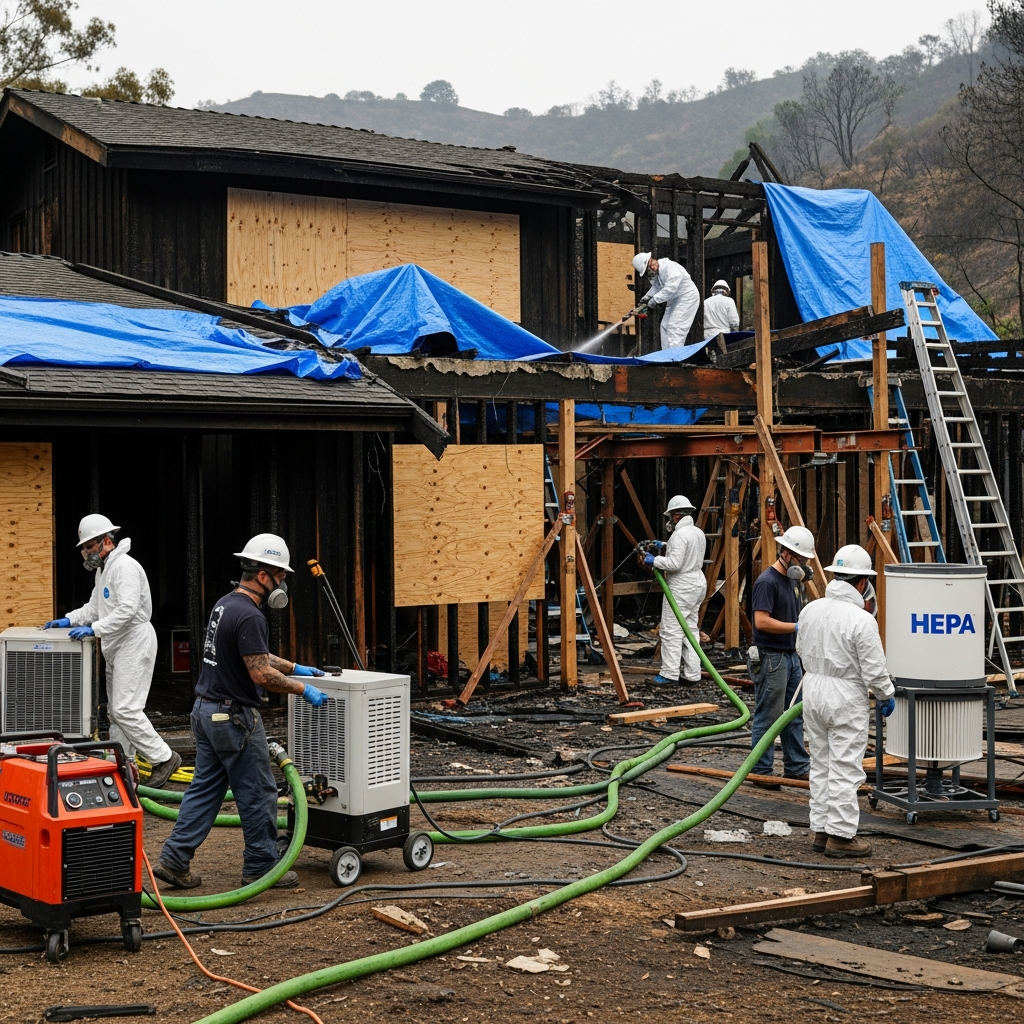
When we first arrive, the emphasis is always on safety and containment. That begins with ensuring the site is secure, utilities are evaluated, and the structural pathways are safe to navigate. I have stood in Malibu entryways where ash still drifted from the eaves and the smell of wet soot hung in the air, and the first action was to create a safe envelope. We board or tarp compromised openings to prevent weather intrusion, and we isolate the affected areas to control the spread of odor and particles to the rest of the home.
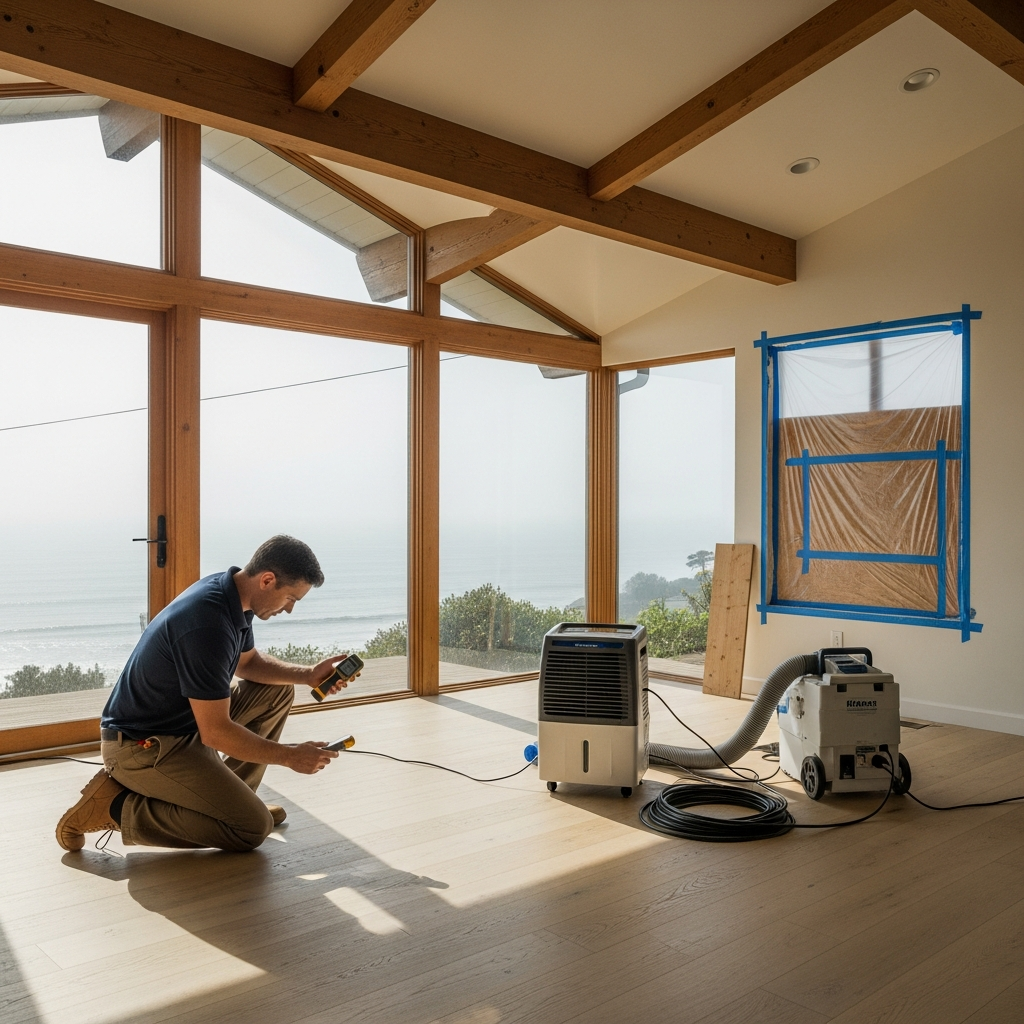
At the same time, moisture mapping begins. With thermal imaging and non-invasive meters, we identify where water has migrated. Even on a sunny Malibu afternoon, you would be surprised how water hides in the joints of tongue-and-groove ceilings or beneath stone flooring. By opening carefully and drying strategically, we prevent swelling, delamination, and microbial growth. Stabilization is not glamorous, but it is the essential foundation for everything that follows.
The Restoration Journey: From Assessment to Renewal
A thorough assessment comes next, guided by a simple principle: document everything clearly and act progressively. We build a room-by-room picture, cataloging structure and contents, and mapping the levels and kinds of smoke contamination present. From there, the work unfolds in stages—careful removal of unsalvageable materials, deep cleaning of structural components, targeted deodorization, and progressive rebuild. Each step flows into the next so that when we do rebuild or refinish, those layers rest on a clean, dry, and stable base.
Our approach is methodical because fire residues are not one-size-fits-all. The protein residue from a kitchen flare-up clings differently than the powdery soot from a furnace puff-back or the sticky film that follows a high-heat blaze. In Malibu, where many homes feature natural wood ceilings, exposed beams, and specialty finishes, it is crucial to match the cleaning system to the surface. Sometimes that means a dry-sponge pass to lift surface particulates before any liquid touches the wood; sometimes it means controlled agitation with a low-odor solvent. The objective is always to restore rather than replace whenever prudent, keeping the character of the home intact.
Smoke, Soot, and Odor: The Science Behind the Smell
Odor is memory’s most stubborn companion after a fire. The reason it lingers is simple chemistry: volatile compounds from incomplete combustion bind to porous materials and continue to off-gas until neutralized. In a Malibu setting, salt-laden air can complicate that chemistry by interacting with residues and metals, sometimes intensifying corrosion on fixtures, electronics, and even inside HVAC systems. The mitigation answer is layered: source removal, mechanical cleaning, air filtration with HEPA devices, and advanced odor control methods calibrated to the residue we find.
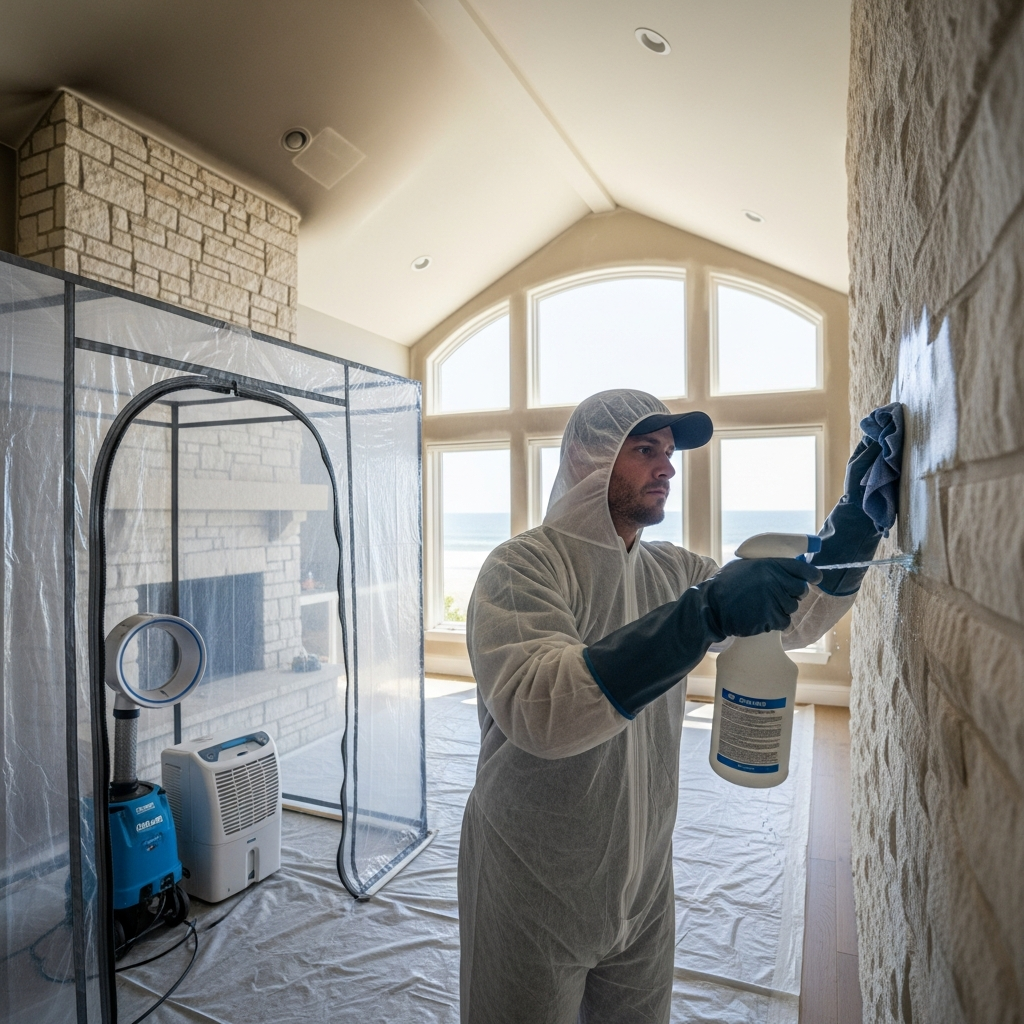
We employ negative-pressure containment to ensure the rest of the home stays protected while we clean, and we change filters frequently so that we are not redistributing what we capture. For odor control, we select targeted methods—thermal fogging to replicate the particle size of smoke and reach into the nooks where it traveled; vapor-phase solutions when we need gentle, even distribution; and sealing or encapsulation where wood framing has absorbed odors beyond the reach of surface cleaning. The work is as much art as science, and it is always guided by testing and verification.
Coastal and Hillside Considerations
Malibu’s setting is beautiful and demanding. Hillside foundations can channel both heat and water in unexpected ways, leading to hidden damage behind retaining walls or within soffits. Homes that open widely to the ocean might have high-performance windows that respond differently to heat stress than traditional glass, which affects how we inspect for hairline warping or seal compromise. And then there is the salt factor—corrosion risk on metal hardware, appliances, and electronics rises when soot meets salt air. We plan for these variables from day one, protecting metal finishes, assessing electronics early, and working closely with specialty vendors for sensitive items.
Access matters too. Narrow canyon roads and driveways can influence how and when equipment arrives, especially larger dehumidifiers or generators. In Encino, we stage and pre-check gear so that once we reach your Malibu property, every minute counts. This choreography of logistics is invisible when it goes well, but it saves valuable time and keeps your project on track.
Documentation and Insurance Collaboration
Even the most experienced homeowner can feel overwhelmed by the paperwork that follows a fire. Our role is to translate the technical details into clear documentation your adjuster understands. That includes photo logs, moisture maps, itemized inventories of contents, and detailed scopes of work. The goal is transparency: a record that shows what was affected, why certain materials must be removed, how we are protecting the rest of the home, and what success looks like when we are done. The best projects I have been part of feel like partnerships, where homeowner, restorer, and adjuster are aligned by the same facts.
In the middle of a complex recovery, it helps to have a concise resource to reference. When you are ready to explore the building blocks of a comprehensive plan or simply want reassurance that the next step makes sense, you can revisit keyword to keep your bearings and expectations aligned.
Caring for What Makes a House a Home
Beyond walls and floors, a home is defined by its contents. From heirloom furniture to surfboards lined up in a garage, every item tells a story. We approach contents with empathy and skill, beginning with a careful triage: what is cleanable on site, what needs to be packed out to a controlled facility, and what requires a specialist. Textiles carry odors stubbornly but respond beautifully to controlled washing and ozone-free deodorization. Wood furniture can be coaxed back with gentle cleaning and polish systems that preserve finishes. Artwork and instruments receive museum-level care from partners who live and breathe those crafts.
Pack-out is systematic and secure. Each item is barcoded and photographed, and storage areas are climate-controlled. When items return, they come back clean, inventoried, and protected. It is one of the most satisfying moments of the entire process—watching a family’s belongings come home, restored to the rhythms of daily life.
Reconstruction with Resilience
When structural repairs are needed, we rebuild with the future in mind. In Malibu, that can mean improved ventilation strategies for kitchens prone to generating protein residues, or finish selections that balance beauty with easier maintenance. It may also mean planning for smart detection systems and thoughtful compartmentalization to slow smoke migration should the unexpected ever happen again. Resilience is not an abstraction here; it is a set of practical choices that protect comfort and value while respecting the aesthetics that make your home uniquely yours.
Communication Every Step of the Way
One theme runs through the best restoration experiences: communication. From the first walkthrough to the final polish, you deserve a steady flow of updates. I believe in brief, regular check-ins—what we completed today, what is next, and what decisions, if any, are needed from you. When everyone knows the plan, surprises become rare and manageable. The result is a smoother project, fewer delays, and a feeling of control returning at the very moment you most need it.
Timelines and Expectations
No two fires are the same, and no two homes respond identically. What I can promise is a consistent, disciplined pace shaped by the realities of the structure, the severity of the residues, and the approvals that govern each step. Drying happens as quickly as science allows; cleaning proceeds as thoroughly as surface chemistry demands; rebuild follows as soon as it is safe and wise to do so. When a homeowner asks me what success looks like, I point to a simple standard: a house that smells like itself again, lives comfortably, and is documented top to bottom so you know exactly what was done and why.
Choosing a Local Partner You Can Trust
Encino and Malibu are linked not only by the ridgelines that separate them but by the people who travel them every day. A restoration partner who understands both communities brings practical advantages—faster mobilization, better anticipation of coastal variables, and a network of trusted specialists ready to support unique items and finishes. Just as important is the human side: a team that treats your home with respect, communicates clearly, and holds itself accountable to the highest standards of health, safety, and craftsmanship.
FAQ
Q: What should I do first after the fire department leaves?
A: Ensure everyone is safe, then protect the property from further damage. If it is safe, photograph affected areas for your records, avoid unnecessary foot traffic, and wait for professionals to evaluate utilities, structural stability, and indoor air quality. Quick stabilization prevents secondary issues.
Q: Will the smoke smell ever truly go away?
A: Yes, when residues are removed at their source, structural materials are properly cleaned and sealed where needed, and air filtration and odor control are applied correctly. Odor fades only when the underlying chemistry is addressed, not just masked.
Q: Can hardwood floors and wood beams be saved?
A: Often they can. The key is early assessment to understand whether residues are on the surface or absorbed into the fibers. Gentle dry methods, controlled detergents, and, when necessary, sealing can return wood elements to their pre-loss appearance and feel.
Q: How do you handle electronics and appliances?
A: We identify and document electronics early, protect them from further corrosion, and coordinate with qualified specialists. Time matters because soot mixed with salt air can accelerate deterioration. Proper evaluation guides whether cleaning or replacement is appropriate.
Q: What about HVAC systems and ductwork?
A: HVAC systems can distribute smoke throughout a home. We typically isolate the system, replace filters, and, when indicated, arrange for professional duct cleaning and coil care. Verification after cleaning ensures the system is safe to run.
Q: Will I need to move out during restoration?
A: It depends on the extent of damage and the areas affected. Many projects can be phased to keep parts of the home livable, but heavy structural work or wide-area deodorization may require temporary relocation for safety and comfort.
Q: How do you protect items that were not affected?
A: We create clean zones and use containment, air filtration, and protective coverings. Items in unaffected rooms are either sealed off or relocated to prevent cross-contamination while work progresses.
When you are ready to begin, dignity and detail matter. The right team brings both to your doorstep, translating disruption into a clear plan and steady progress. If you want an experienced partner who understands the Malibu coastline and the Encino base that supports it, reach out today and start your path back to normal. To take the first step with a trusted local resource, visit keyword and let us help you move from uncertainty to restoration with confidence.