Emerging Restoration Trends Shaping Malibu’s Recovery
Every season in Malibu writes a new chapter in how we prepare for, respond to, and rebound from fire. In recent years, the pace of innovation has quickened, and much of that progress is being piloted and perfected just over the ridge by Calabasas-based restoration teams. What begins in their warehouses and field kits soon appears in our canyon homes and coastal businesses, altering timelines, improving indoor air outcomes, and reducing environmental impact. When we talk about trends, we are not speaking about buzzwords; we are talking about practical shifts that help Malibu families reclaim spaces faster and more completely.
From data-rich assessments to gentler chemistries and smarter building-hardening, these trends are converging on a single goal: safer, cleaner, more resilient homes. For residents who have lived through red flag warnings, evacuation routes on PCH, and the long tail of smoke odor, this is not academic. It is the difference between a stressful, drawn-out cleanup and a methodical recovery you can trust. Early in that process, a clear primer on proven methods helps set expectations, which is why many homeowners begin by reviewing comprehensive guidance on fire damage restoration to align team and family around the same playbook.
Trend 1: Data-Driven Assessment and Verification
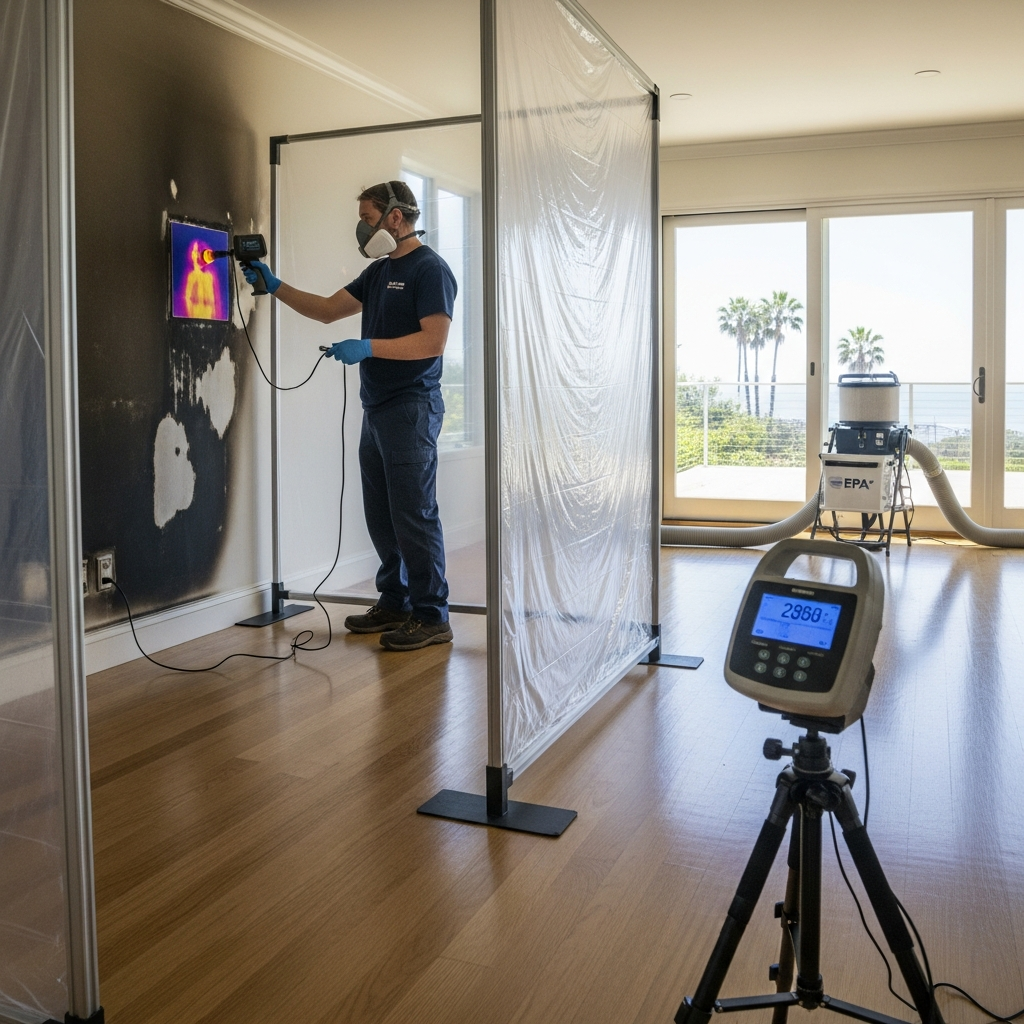
The first major shift is the rise of measurable baselines. Particle counters, thermal imaging, and moisture mapping are now standard on day one. Calabasas crews capture readings room by room, then repeat those readings at milestones so progress is visible and defensible. This clarity speeds insurance decisions and, more importantly, removes the guesswork that once haunted deodorization: if a space still holds odor, numbers point to the why and where.
Verification is the second half of the loop. Before a zone is signed off, particulate levels are checked, moisture is within ranges that will not invite mold, and odor is confirmed neutral by both instrument and human. For Malibu homeowners, this means fewer lingering doubts and a stronger sense of closure when the last machine leaves.
Trend 2: Gentler, Smarter Deodorization
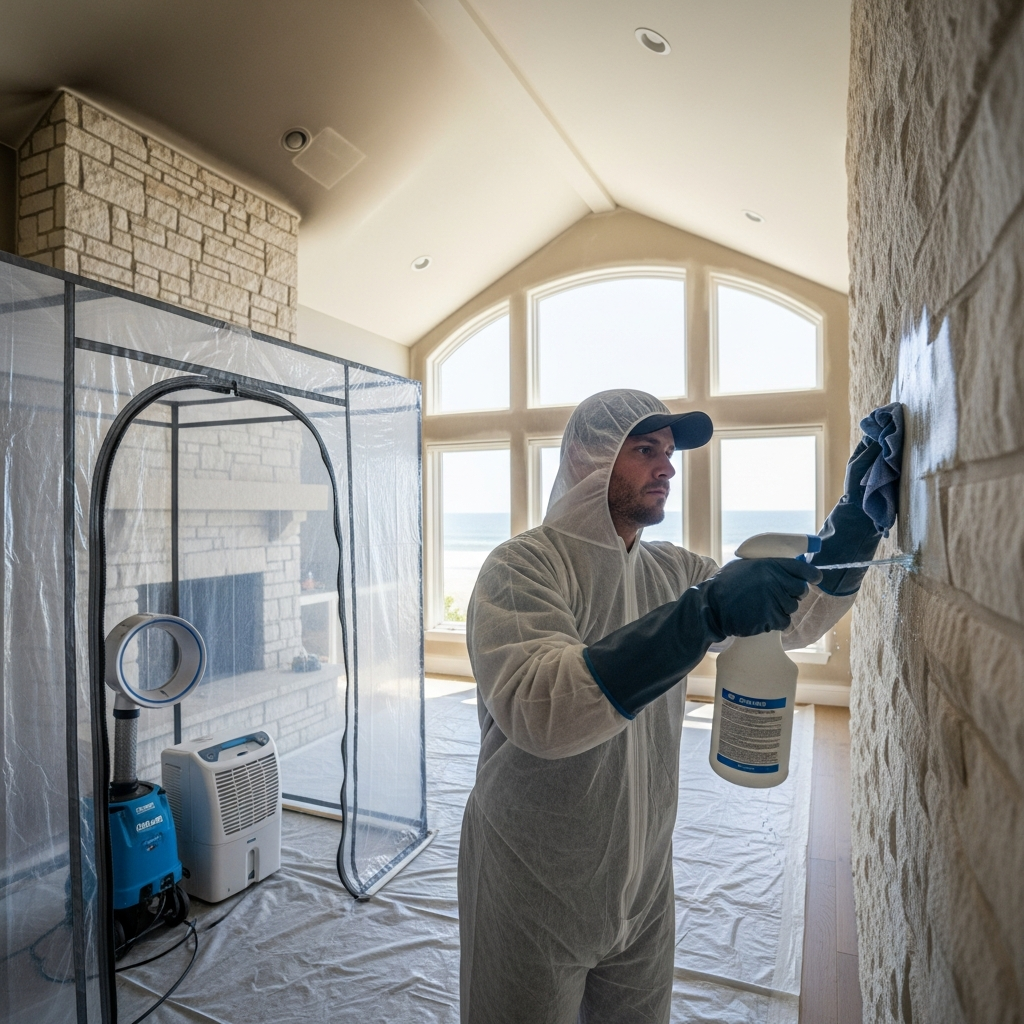
Not long ago, harsh treatments were common in the quest to erase smoke odor. The trend has pivoted toward occupant-friendly and material-sensitive options. Hydroxyl generators—safe for people and pets—have taken center stage in lived-in spaces, while thermal fogging is reserved for unoccupied areas and concealed cavities where it excels. Calabasas technicians match method to room use, choosing approaches that respect Malibu’s mix of high-end finishes, coastal humidity, and airflow patterns from canyon breezes.
Sealants, too, have become more nuanced. Rather than painting everything in sight, clear, breathable products are chosen for specific substrates that truly need odor blocking. This reduces unnecessary coating, keeps surfaces closer to their original look, and simplifies future maintenance.
Trend 3: Smarter Containment and Airflow Control
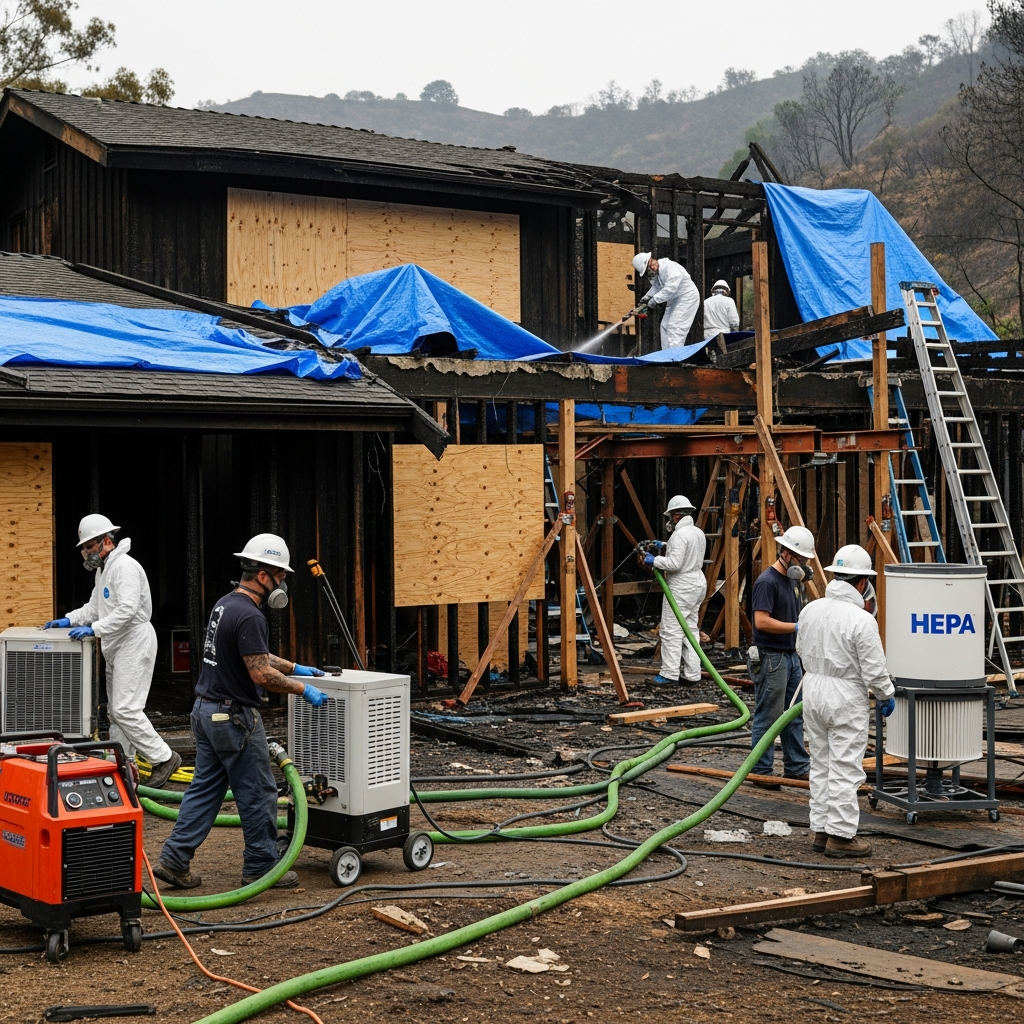
Containment used to be plastic sheeting and hope. Now it is a system. Zip-wall barriers, pressure monitors, and HEPA negative-air units are deployed with forethought so clean areas remain clean while dirty zones are methodically processed. The new focus is on airflow pathways—how air wants to move through a Malibu home perched on a slope, how sea breezes or Santa Anas will influence pressure, and how to use that knowledge to your advantage rather than fight it.
This sophistication is particularly helpful in multi-level homes carved into hillsides, where stairwells act like chimneys and lofts collect soot. By mastering airflow, restoration has become both faster and cleaner, with less rework due to cross-contamination.
Trend 4: Contents Care as a Science
Another notable shift is the professionalization of contents handling. Barcoded inventories, photo-matched packing, and climate-controlled storage are now routine. In Malibu, where homes often hold unique artwork, textiles, and bespoke furnishings, this matters greatly. Calabasas teams work with specialty vendors—textile cleaners, electronics labs, conservators—coordinating schedules so sentimental and high-value items receive targeted care without getting lost in the shuffle.
Documentation accompanies each step, giving homeowners a transparent look at where their belongings are, what has been completed, and what is next. The result is less anxiety and higher salvage rates, especially for items that would have been written off under older methods.
Trend 5: Integrated Water and Smoke Strategies
Today’s plans treat smoke and water as twin problems, not separate chapters. If firefighters used water, moisture is mapped immediately and drying begins alongside soot removal. This synchronized approach cuts days from the schedule and prevents the head-scratching that used to occur when odor seemed to reappear because damp materials were off-gassing under heat. In Malibu’s coastal climate, where humidity can rise overnight, this integration is especially powerful.
The equipment lineups reflect this thinking: dehumidifiers sized to space volume, directed airflow to hidden cavities, and temperature controls that accelerate drying without warping finishes. It’s building science, applied with a local accent.
Trend 6: Eco-Conscious Products and Practices
Malibu’s environment demands care. The trend away from harsh solvents and toward low-VOC, biodegradable cleaners pairs with smarter waste handling. Ash is bagged and staged to avoid storm drain contamination, and crews use berms and mats to control wash water. Calabasas firms lead here because they live by the same beaches and creeks and understand how quickly runoff becomes everyone’s problem.
Even transportation is evolving, with efficient routing and consolidated trips to reduce neighborhood congestion and emissions—no small consideration on narrow bluff-top roads where parking is a community resource.
Trend 7: Pre-Loss Planning and Home Hardening
A major trend is actually what happens before smoke ever appears on the horizon. Pre-loss assessments catalog materials, photograph rooms, and note vulnerabilities so that, if an event occurs, the roadmap is ready. Hardening recommendations—ember-resistant vents, tempered glass, and strategic landscaping—are prioritized and scheduled. The result is a property that not only survives better but also recovers faster because decisions were made in calm, not crisis.
Neighborhoods that invest together in hardening and maintenance see multiplying benefits: fewer embers penetrating attics, less fuel around structures, and quicker re-openings for shared spaces like schools and small businesses.
The Middle Mile: Coordination that Shrinks Timelines
Homeowners often feel momentum at the start and end of a project but lose visibility in the middle. That middle mile has become a focus area. Weekly check-ins, progress photos, and milestone targets keep everyone aligned, preventing idle days while waiting on a decision or a subcontractor. When every day after a fire feels longer than the last, structure in the middle is a mercy.
During this phase, many families want a single, plain-language resource that demystifies steps. Having a central reference to trusted fire damage restoration stages keeps the team unified and diffuses stress when fatigue sets in.
What These Trends Mean for Malibu
Collectively, these trends mean faster starts, cleaner finishes, and healthier homes. They also mean that the lessons we learned during major incidents are not vanishing into memory; they are being codified into method. Malibu benefits disproportionately because our terrain and weather amplify both the risks and the rewards of good process. When Calabasas innovators refine a technique, our canyon homes see the gains quickly.
These improvements also carry forward. The sensors used today build a historical baseline for your property, helpful in future maintenance and in conversations with insurers. The hardening upgrades suggested now reduce anxiety each time the wind turns offshore. And the respect for environment baked into current practice keeps beaches and creeks cleaner in the very moments they are most vulnerable.
Frequently Asked Questions
Here are answers to common questions about new restoration techniques and how they apply to Malibu properties.
Are hydroxyl generators safe to run while we stay in the home?
Yes, when used as directed, hydroxyl units are considered safe for occupied spaces and are favored where families or pets remain at home. They neutralize odors without the re-entry delays associated with ozone.
Do particle counts really change the outcome?
They do. Baseline and follow-up readings provide objective targets and early warnings if a space needs further attention. This speeds decisions, reduces rework, and builds confidence in the final result.
Will smarter containment make the project noisier?
Containment itself is quiet; the main noise comes from air movers and scrubbers. Schedules can be set to reduce impact, with quieter periods arranged around family routines.
What about sensitive finishes like plaster, limewash, or cedar?
Material-aware cleaning is central to current best practice. Dry methods lead, wet methods follow selectively, and sealants are reserved for areas that truly require them to preserve the finish and prevent odor migration.
How do new practices handle water from firefighting?
Water and smoke are addressed together immediately, using moisture mapping and targeted drying so odors are not trapped by damp materials. This integrated plan shortens timelines and reduces secondary damage risk.
Can these methods help small businesses reopen faster?
Yes. Clear milestones, rapid verification, and smarter containment support phased reopenings where safe, getting staff and customers back sooner while maintaining quality control.
Ready for What’s Next
Innovation only matters if it helps your family sleep better and your rooms breathe easier. With Calabasas-led advances now standard along our coast, Malibu has access to faster, cleaner, and more thoughtful recovery than ever before. If you want a clear, trend-informed plan from first assessment to final sign-off, connect with local experts in fire damage restoration and turn the newest best practices into your new normal.