Emergencies introduce a clock you didn’t ask for. In Malibu, where canyon winds can carry embers and ocean air can complicate drying, the hours immediately after a fire have outsized influence on your home’s recovery. I’ve spent countless late nights and early mornings walking properties with flashlights and clipboards, stabilizing hazards, and mapping the first 48 hours so that the days that follow feel measured instead of chaotic. If you’re reading this in the midst of a crisis, you don’t need theory—you need a calm, practical path. Here’s how emergency fire damage restoration unfolds here in Malibu and what to expect from a team that knows the terrain. If you need a quick primer on services available locally, an overview of fire damage restoration in Malibu will help you understand the phases ahead.
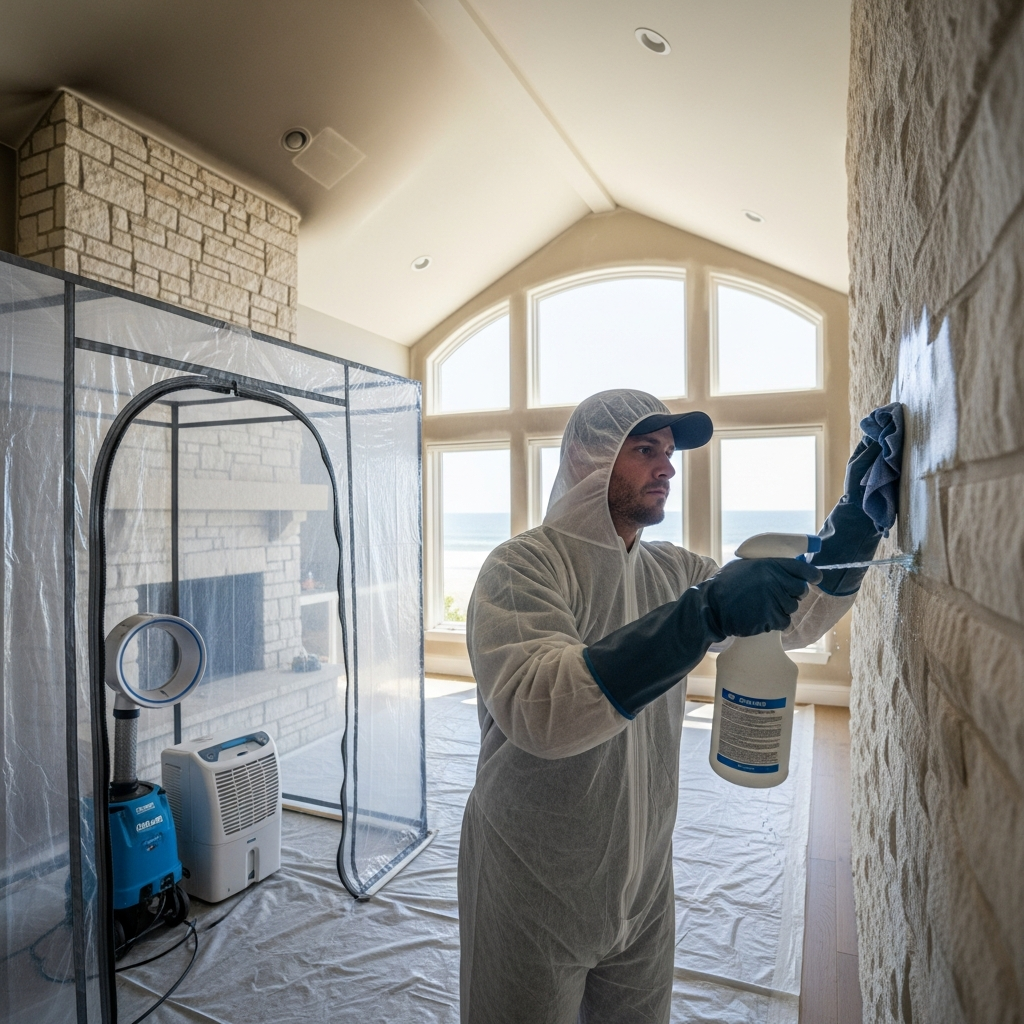
The first step is safety, always. We verify that the structure is stable to enter, coordinate with utilities if shutoffs are needed, and secure openings to keep weather and wildlife out. Even before daylight, containment can begin: setting temporary barriers to separate affected and unaffected spaces, establishing negative air with HEPA filtration, and creating controlled access routes to avoid spreading soot. Documentation—photos, notes, moisture readings—starts on minute one. These early records tell your property’s story clearly to insurers and inspectors and reduce confusion later.
Stabilization in the first hours
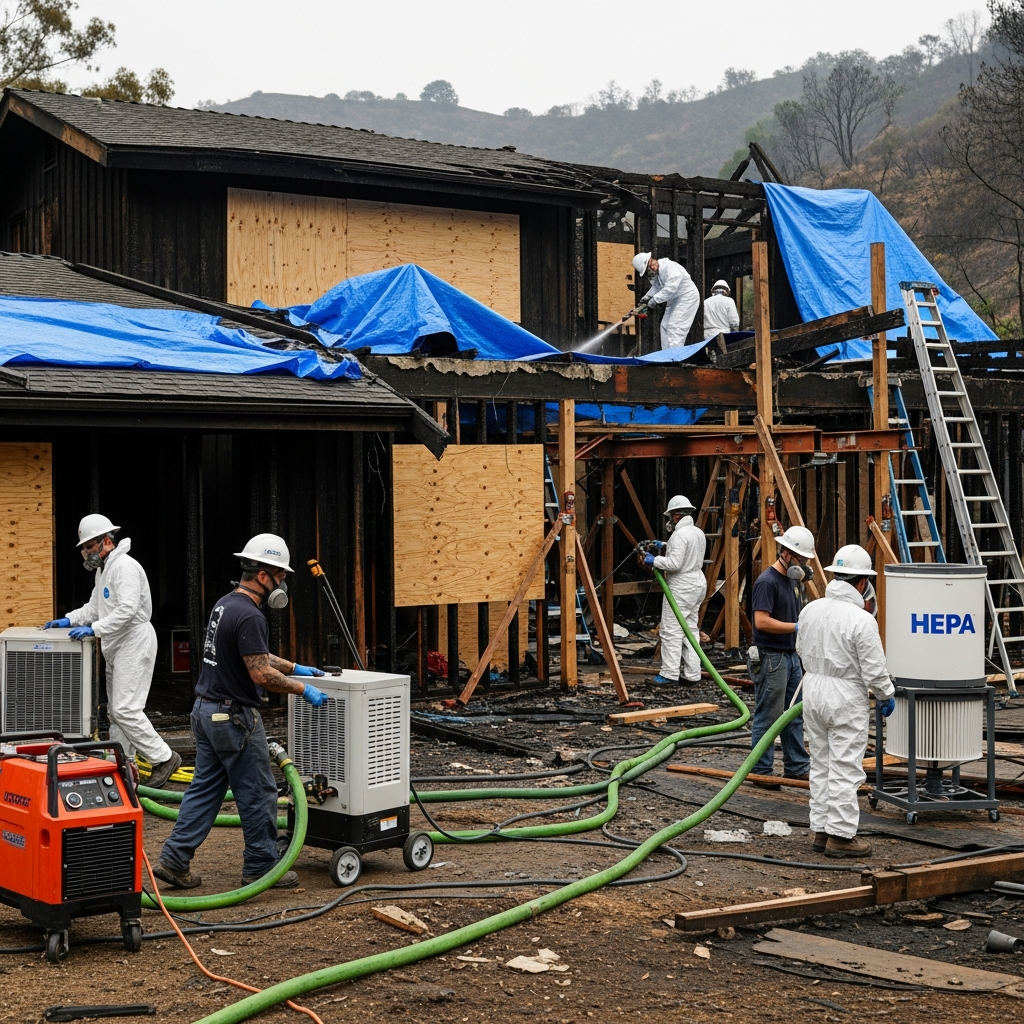
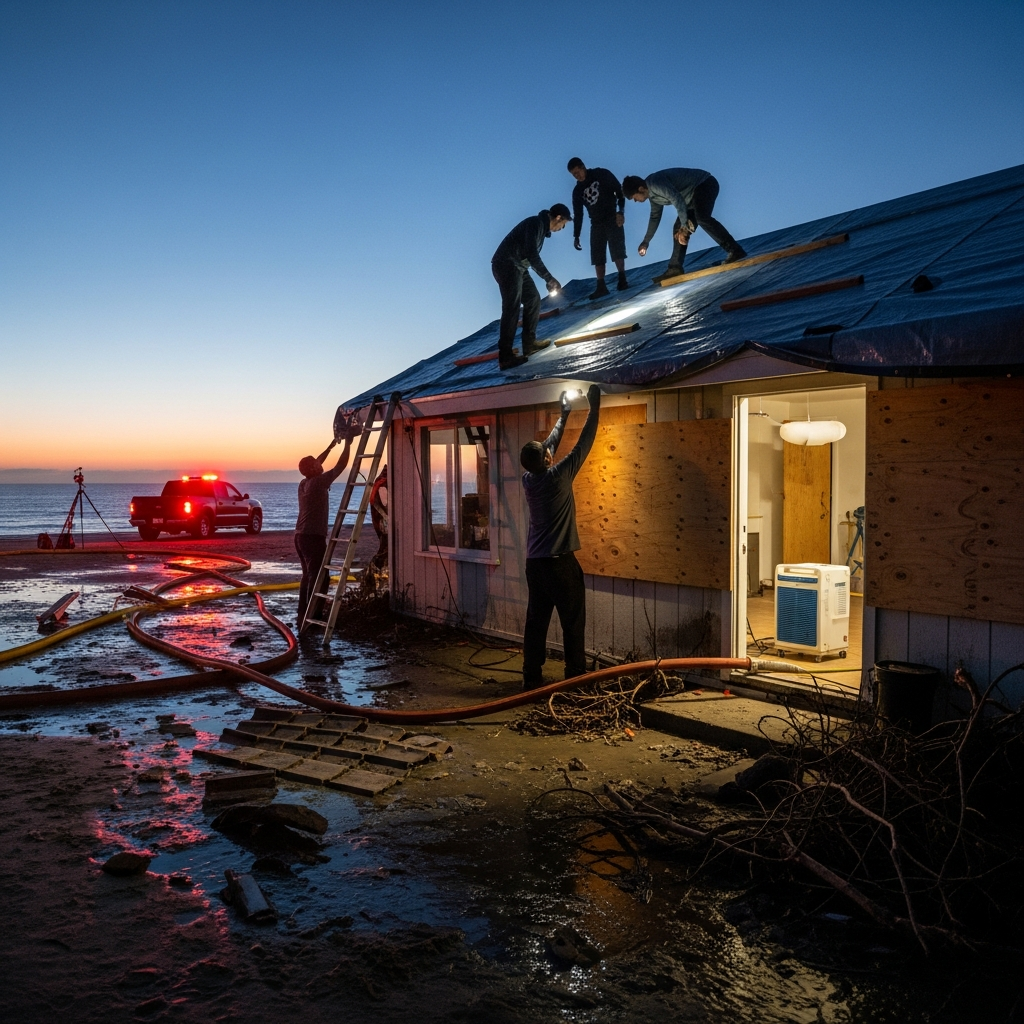
Emergency board-ups protect windows, doors, and roof openings from the elements and discourage trespass. Roof tarps, when needed, are installed with care to shed water and avoid further damage. Inside, we identify standing water from firefighting efforts and begin extraction. Malibu’s marine layer can linger overnight, so even cool air holds moisture; rapid dehumidification prevents that dampness from soaking deeper into framing and subfloors. The aim is to halt deterioration and set the stage for efficient cleaning and repairs.
Electrical systems are assessed for safety; compromised components are isolated. HVAC systems that may have circulated soot are shut off and sealed to prevent further distribution of particulates. These moves might feel incremental, but together they protect clean zones and keep the project from growing in complexity and time.
Selective demolition and contamination control
Once the building is stabilized, the next emergency priority is removing materials that trap moisture or harbor heavy soot. Selective demolition is precise: we open wall cavities where readings show elevated moisture, lift flooring that can’t dry in place, and remove insulation that holds odor and particulates. Debris is contained and removed with care, and pathways are kept tidy to minimize cross-contamination. In Malibu’s hillside homes, staging and removal require extra choreography—another place where local experience saves hours and headaches.
Contamination control is the backbone of good emergency work. HEPA vacuuming precedes any wet cleaning to avoid smearing residues. Oily or protein-based soot from kitchen fires demands different chemistry than dry soot from fast-burning structural materials. The team’s ability to distinguish residues and adjust methods in real time is one of the clearest signs you’re in solid hands.
Deodorization from the outset
Odor control starts on day one. It’s not about masking; it’s about eliminating sources. After debris removal and initial cleaning, we may deploy hydroxyl generators in concert with air scrubbers to neutralize odor molecules while crews continue working safely. In spaces with heavy, embedded odor, targeted sealing of structural members can be planned for later phases, but only after thorough cleaning. The goal is for you to walk into the space and feel neutrality—clean air that doesn’t carry reminders of what happened.
Electronics, textiles, and cherished items receive early attention too. The sooner they are cataloged and routed to specialized cleaning, the better the outcomes. Even lightly affected items can degrade quickly if corrosion begins, especially near the coast. Thoughtful contents triage in the first 24 to 72 hours preserves options you might otherwise lose.
Communication that calms
In an emergency, information is a form of care. You deserve to know what’s happening now, what’s next, and how decisions are being made. A reliable team explains which rooms are safe to enter and which are not, when utilities can be restored, and how containment will adapt as phases change. Weekly updates are standard, but in the earliest days, daily check-ins—sometimes twice daily—restore a sense of control. When you need to step away, we provide photo and video updates so you can rest without wondering.
Insurance collaboration begins immediately as well. We share initial assessments, stabilization steps, and a draft scope for the first phase. Clear communication at this stage prevents downstream delays and helps everyone align around priorities—protecting the structure, preserving contents, and charting a path to full restoration.
Malibu-specific considerations
Our coastal climate lends beauty and complexity in equal measure. Salt in the air can accelerate corrosion on metals and electronics post-fire, so early cleaning and protective measures matter. Canyon access can limit the size and timing of deliveries, which affects scheduling and staging. Foggy mornings and afternoon breezes influence drying strategies and ventilation plans. Local officials and inspectors are accustomed to balancing speed with safety; a contractor who knows their expectations keeps the cadence smooth and predictable.
Environmental sensitivity is part of our DNA here. Responsible debris management, dust control, and respectful coordination with neighbors turn an emergency response into a community-aware effort. Small gestures—quiet generators where possible, considerate parking, end-of-day cleanup—aren’t trivial; they’re signals that the team understands the place they’re working.
From emergency to rebuild
A good emergency response sets the table for an efficient rebuild. As demolition concludes and air quality stabilizes, we refine the scope for structural repairs and finishes. Material selections begin early to sidestep lead times, especially for specialty items. If you’ve been displaced, we prioritize living areas so routines can restart quickly. Throughout, we verify progress with moisture readings and air quality checks, sharing results so you can feel the difference as rooms transition from triage to restoration.
By the middle of many projects, homeowners ask two questions: are odors truly gone, and are we keeping pace? This is exactly when a mid-course review makes sense. To prepare, you might revisit a practical guide to fire damage restoration in Malibu and compare it to what you’re seeing on site. Alignment creates confidence; when adjustments are needed, transparency makes them painless.
Returning home with confidence
The emergency phase ends not just when debris is gone, but when air feels fresh, surfaces are clean, and the path to rebuild is mapped in detail. Walkthroughs at each handoff—stabilization to demolition, demolition to cleaning, cleaning to repairs—keep everyone in step. The final pass is both technical and human: verifying that systems are safe, finishes are sound, and spaces feel welcoming again. That’s the moment the house begins to feel like a home, not a project.
FAQ: Immediate concerns
What should I do first after a fire? Ensure safety, contact local authorities as needed, and reach out to a restoration professional for stabilization. Avoid moving items until conditions are documented; this helps both restoration and insurance.
Can I turn the HVAC back on? Not until it’s inspected and cleaned if necessary. Running a contaminated system can spread soot and odors throughout the home.
How fast can crews arrive? For true emergencies, same-day response is standard. The initial visit focuses on safety, containment, and documentation to prevent further damage.
What about my personal belongings? We create a contents inventory, prioritize sentimental and sensitive items, and route them quickly to specialized cleaning to maximize recovery.
Will the odor go away? Yes, with proper source removal, thorough cleaning, and targeted deodorization. The goal is neutral, fresh air—not fragrances that fade.
Do I need permits for emergency work? Stabilization and temporary measures typically proceed promptly, while structural repairs may require standard approvals. A local team will guide the sequence.
How do you keep my neighbors in mind? By managing noise, parking, and cleanup thoughtfully, and by communicating clearly with you so you can set expectations within the neighborhood.
When time matters most, choose a team that brings calm, clarity, and craftsmanship to your doorstep. If you want a quick sense of how full-service support unfolds here, review a local snapshot of fire damage restoration in Malibu, then call to schedule an immediate site visit. We’ll stabilize today, map tomorrow, and stay by your side until your home feels whole again.