In Malibu, water and fire rarely arrive alone. When firefighters do their work heroically, they leave behind moisture that seeps into cavities, flooring, and framing, even as smoke residues settle into every crack and crevice the eye cannot see. The combination is deceptively complex: water invites microbial growth and destabilizes finishes, while smoke and soot carry corrosive compounds that etch and stain. Responding effectively requires a plan that respects both threats at once, tuned to the microclimates of canyon roads, bluff-top breezes, and beachside humidity that shape how buildings behave here.
Walking into a freshly extinguished Malibu home, the first note is the smell—smoke laced with dampness. The visual cues can be misleading. A room may look merely hazy while the subfloor below is soaked; a kitchen may appear intact while cabinets harbor trapped odor. The earliest hours are crucial. Stabilization, documentation, and a thoughtful strategy create momentum that you can feel in daily improvements. It is also the moment to engage specialized fire damage restoration, because the way mitigation begins shapes the entire arc of recovery.
The Dual Challenge: Moisture and Soot
Fire and water damage often pull in opposite directions. Water invites aggressive drying, yet some surfaces cannot tolerate haste without warping or cracking. Smoke demands thorough cleaning, but the wrong detergent can drive residues deeper into porous materials. Balancing these forces is a craft informed by building science. In Malibu’s coastal setting, where humidity can rise with the afternoon onshore flow, the drying strategy has to be precise: containment where needed, dehumidification sized to the volume of wet materials, and airflow configured to move vapor toward capture rather than distributing it to unaffected rooms.
Meanwhile, smoke residues require testing and targeted response. Dry soot is lifted with methods that do not smear, while oily residues may need emulsifying agents. Protein smoke from a kitchen fire is nearly invisible but highly odorous, hiding on ceilings and inside cabinets. The restoration team designs the sequence so that drying does not aerosolize soot and cleaning does not re-wet sensitive materials. This choreography prevents cross-contamination and speeds results.
First Priorities After the Fire Is Out
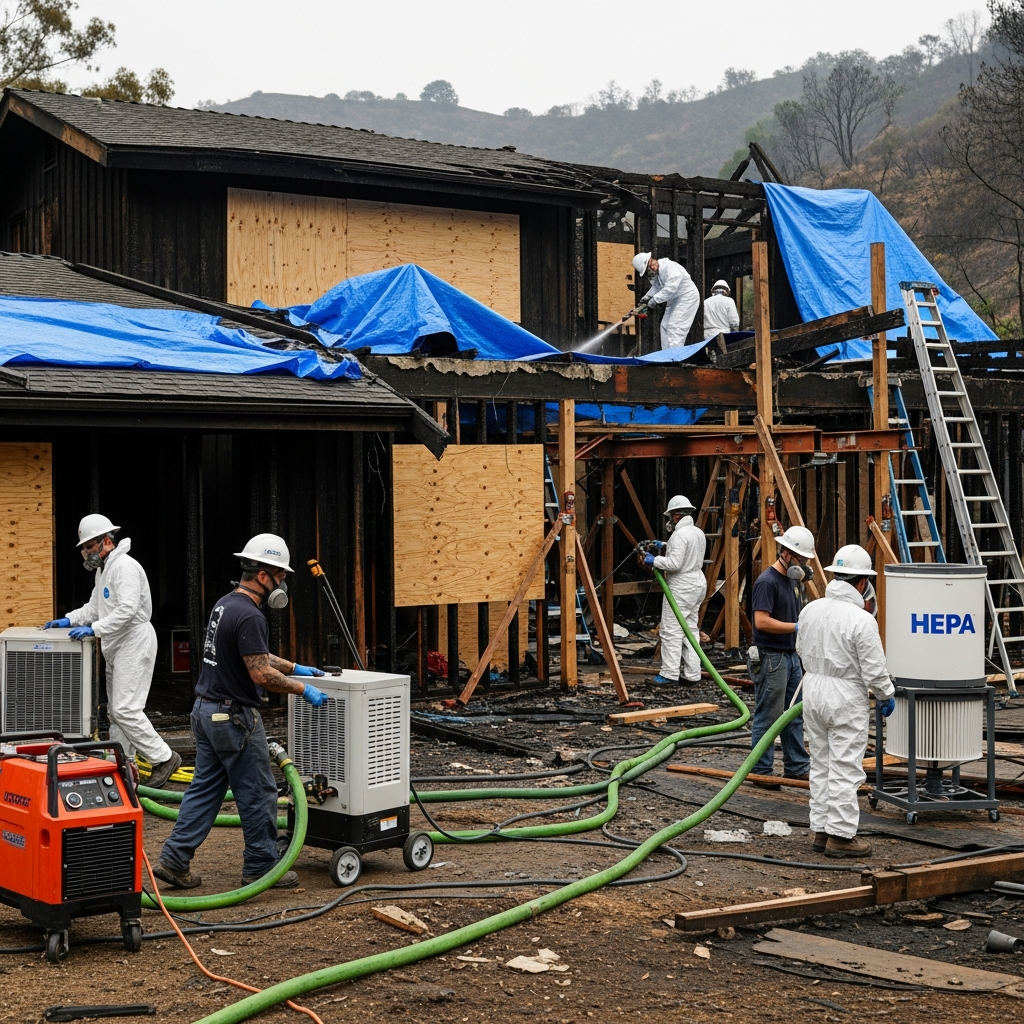
Safety comes first: assessing utilities, checking for structural compromise, and securing openings. With Malibu’s changeable winds, temporary protection is critical to stop humid sea air from entering through broken windows or compromised roofs. Next comes documentation—photographs, moisture readings, and condition notes build a transparent record that guides decisions and supports insurance communication.
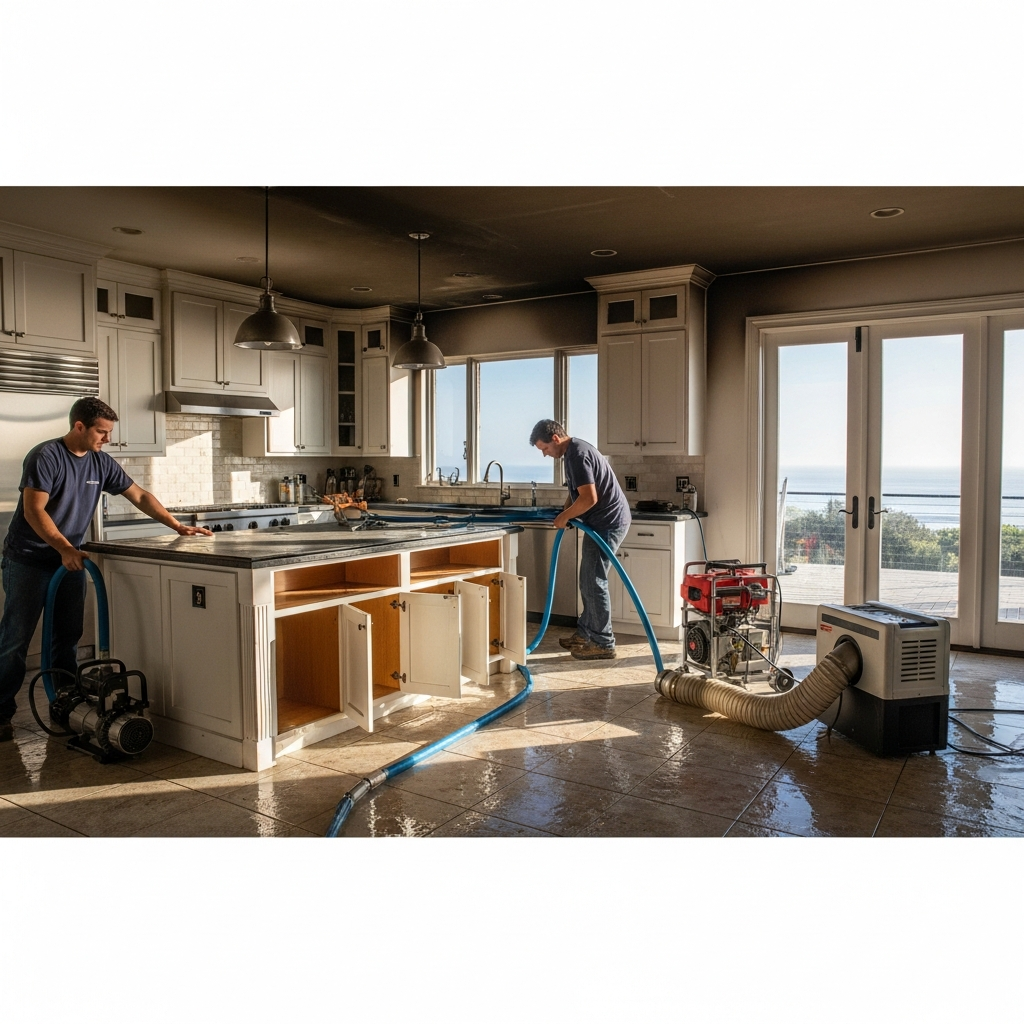
Extraction starts quickly. Standing water is removed, and wet materials are evaluated for salvageability. Baseboards may be detached to ventilate wall cavities; toe-kicks can be opened to address moisture under cabinets. Dehumidifiers and air movers are staged to create efficient drying paths that respect the layout and finishes. At the same time, technicians begin source removal of soot: loose debris is collected, and dry cleaning methods lift residues from surfaces that should not be wetted early in the process.
HVAC, Air Quality, and Odor
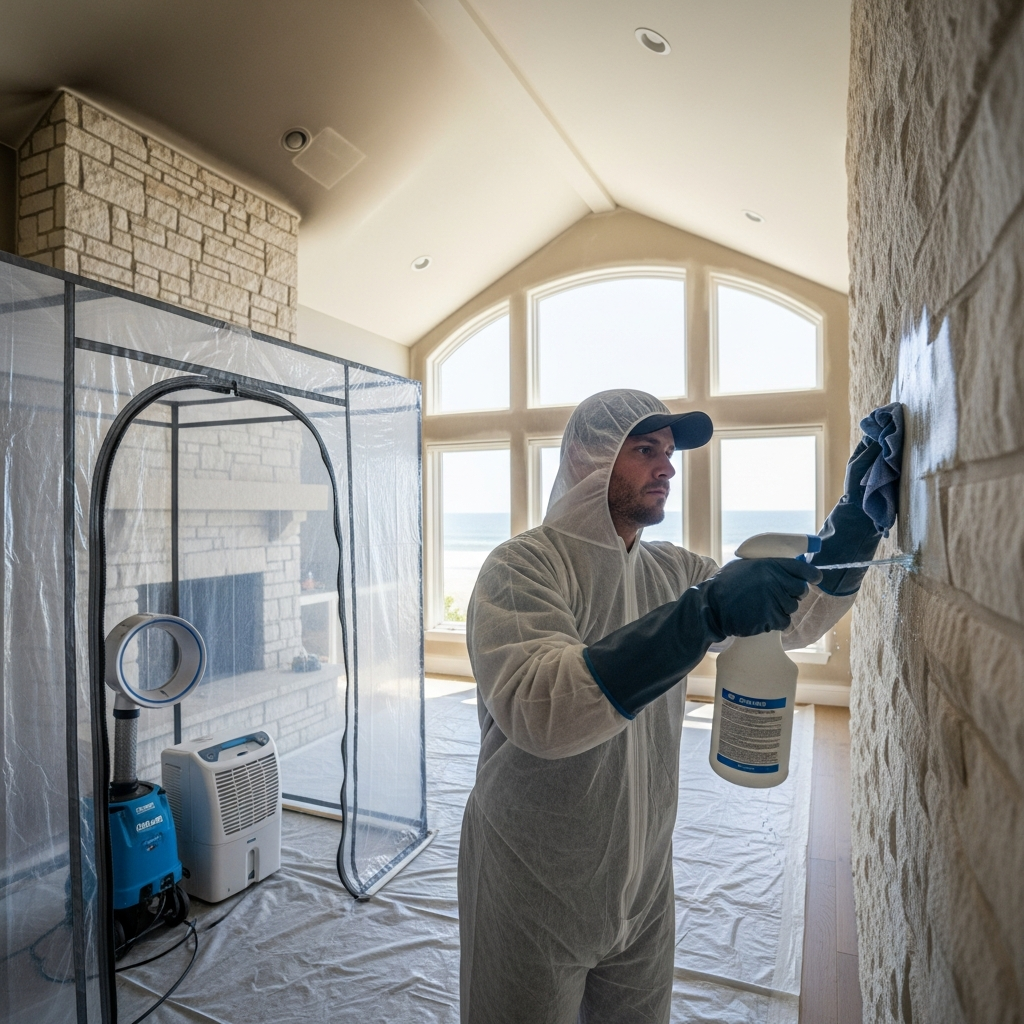
Most Malibu homes depend on HVAC systems that double as distribution channels for smoke. Filters are replaced promptly, returns and supply registers are cleaned, and ducts may be addressed to prevent recontamination. Air scrubbers with HEPA filtration capture particulates, while negative air pressure can be established to keep contaminants from drifting to clean zones. For odor, neutralization often involves hydroxyl treatment or other advanced methods that work safely around contents and, in some cases, occupants during certain phases.
Odor control is never just about fragrance; it is about eliminating source materials and then treating the ambient air. If insulation or framing has absorbed smoke, selective removal or sealing may be necessary. The goal is to make the space feel authentically clean—no masking, no shortcuts.
Contents Care and Pack-Out
Your belongings mirror your life: guitars in the den, coastal art in the hallway, heirloom quilts tucked away in a guest room. Smoke and water do not discriminate, but careful triage does. Textiles can respond to specialized laundering and deodorization; electronics demand anti-corrosive attention; art and unique furnishings may require coordination with conservation professionals. Pack-out, where appropriate, brings order to the process—items are inventoried, protected, transported, and treated off-site, clearing the way for structural mitigation to advance efficiently.
In Malibu, where many homes include custom millwork, high-end finishes, and architectural glass, contents handling must be meticulous. The right approach preserves value and sentiment while aligning with the technical needs of the building.
Drying with Precision in a Coastal Climate
The principles of drying—evaporation, dehumidification, temperature control, and airflow—are simple; their application is anything but. Technicians measure moisture, not guess it, using meters and thermal imaging to map wet areas. Containment allows equipment to concentrate on affected zones, speeding results. Wood floors may need specialized drying mats; stone or tile set on mortar requires patience to avoid trapping moisture beneath impervious surfaces. The performance of the system is tracked daily, with adjustments made as materials respond.
Because Malibu’s air carries salt and humidity, leaving materials wet compounds risk. Swift, controlled drying reduces the chance of microbial growth and prevents damage like cupping in wood or swelling in cabinetry. It is a dance with time, temperature, and airflow, guided by data rather than intuition alone.
Cleaning and Deodorizing the Structure
With moisture under control, cleaning advances from broad strokes to fine detail. Dry cleaning sponges remove soot from walls and ceilings; detergent washes follow where appropriate. Porous surfaces that resist full cleaning may be sealed after odor neutralization, ensuring that residual compounds do not continue to off-gas. Attics, crawlspaces, and concealed chases often require special attention, as they can hold odor reservoirs long after visible areas look pristine.
Deodorization is validated by your senses but driven by science. When an area remains stubborn, the team revisits the source: Is insulation still implicated? Is there an unventilated cavity? Resolving these questions methodically is what leads to lasting results instead of temporary relief.
Coordinating with Insurance and Local Requirements
Transparency helps everyone. Insurers rely on clear reasoning: moisture levels justify equipment, residue types drive cleaning choices, and health considerations inform deodorization and containment. Malibu projects sometimes intersect with environmental considerations, and when they do, aligning the plan with local guidelines streamlines approvals and prevents delays. The emphasis remains on evidence-based decisions, communicated plainly.
As the emergency phase winds down, the path to repairs becomes visible. You will have a sense of what can be salvaged, what must be replaced, and how the timeline will unfold. Consistent updates turn a complex process into a sequence you can anticipate and manage.
From Mitigation to Renewal
Restoration is ultimately about more than cleanup; it is about renewal. Malibu’s appeal is rooted in light, texture, and the effortless blending of indoor and outdoor living. Thoughtful repairs respect those qualities. Materials are matched, craftsmanship is prioritized, and the rebuilt space is protected so that cleaning gains are not undone by subsequent trades. Even as crews transition from drying and cleaning to repairs, vigilance around air quality and surface protection continues until the last detail is complete.
Midway through, it can be reassuring to reaffirm the purpose of each step. Drying protects structure and health; cleaning removes corrosives; deodorization returns comfort and dignity to your rooms. If priorities shift, they should do so for good reason and with clear explanation—guided by the principles of proven fire damage restoration.
Resilience and Preparedness
Living along the coast means respecting nature’s power while savoring its gifts. After a fire, many homeowners choose to integrate lessons learned: improving defensible space, evaluating attic vents, reviewing emergency plans, and understanding where shut-offs and key systems live. These steps are acts of empowerment, not fear, and they contribute to the overall resilience of our community.
Home is more than framing and finishes; it is the feeling of exhale when you open the door. A well-run restoration journey delivers that feeling back to you, step by step, decision by decision, until the day arrives when smoke and dampness are memories rather than sensations.
Frequently Asked Questions
Why is water management so critical after a fire?
Water and moisture left behind can fuel microbial growth, warp materials, and trap odors. Managing moisture promptly and precisely protects structure and health while setting up the rest of the restoration for success.
Can drying and cleaning happen at the same time?
Yes, but the sequence and containment strategies must be thought out. Drying that stirs up soot or cleaning that overwets materials can backfire. A coordinated plan avoids cross-contamination and material stress.
How do I know if my HVAC is contaminated?
Signs include persistent odor when the system runs and visible residue at registers. Professionals inspect, replace filters, and clean as needed to prevent reintroducing contaminants to cleaned spaces.
What determines whether materials are removed or restored?
Decisions consider structural integrity, contamination level, porosity, and the feasibility of achieving pre-loss condition. Some materials, like wet insulation or heavily charred components, are commonly removed; others may be cleaned and sealed successfully.
How long does the mitigation phase last?
Timelines vary with the extent of moisture and smoke. Mitigation may take days to weeks, with daily monitoring guiding adjustments. The goal is steady, measurable progress that leads naturally into repairs.
If you are ready to reclaim comfort and safety with a coordinated plan, reach out to local specialists who understand Malibu’s climate, architecture, and expectations. Begin your path back with proven fire damage restoration support that treats both water and smoke with equal skill and respect for your home.